

Red-eared Slider
Trachemys scripta elegans
 #319 of 344
  Wetlands Tank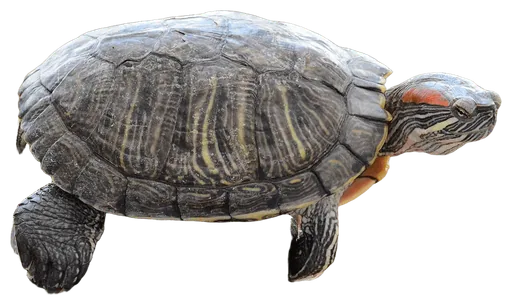
 Fight
FightPhoto: Andrey Butko (1978–) · CC BY-SA 4.0
The red-eared slider is a small freshwater turtle from the south-central United States, now the world's most traded reptile and a worldwide invader. A 1.5 kg adult female has only a small beak, but it can hide inside a shell that survives predator bites and can live for weeks without oxygen at the bottom of a winter pond. It is tough to kill and harmless to fight.
 Attack7
  Defense32
  Agility38
  Stamina55
  Intelligence34
  Special52
 Detailed ratings
Research-backed ratings on one 0–100 scale for all 344 animals (updated 2026-09-28). How ratings work
Special abilities
Ability 1Oxygen-Free EnduranceAt the bottom of a winter pond it can survive without oxygen for weeks, dropping heart rate and cardiac output by about 80% and buffering lactic acid with minerals from its shell. Its heart recovers from this without damage.
 Ability 2Warning-Stripe Shield
It pulls its head and limbs into its shell, which survives bites from predators up to alligators, and its bright yellow and red markings act as a warning: largemouth bass, which hunt by sight, avoid sliders once they hatch.
Unique traits
 TraitRed Ear Stripe
A red stripe behind each eye, where an ear would be, gives the turtle its name; brighter red stripes go with stronger immune responses.
TraitSix-Continent InvaderReleased pets have set up populations on every continent except Antarctica, and it is listed among the world's worst invasive species.
How it fights
Weapons
- The slider's only weapon is its beak. Juveniles are mostly carnivorous, eating insects, crayfish, tadpoles, small fish, snails and carrion; adults become omnivores feeding mostly on aquatic plants, algae, stems, leaves and seeds, while still taking invertebrates when they can. Males bite, chase and display at each other. None of this is dangerous to anything larger than a small fish or crayfish.
 Struggles vs
- Tiny beak and small body; no real offense.
- Slow and exposed on land.
- Many predators, from alligators and gar to raccoons, otters and foxes.
- Depends on outside heat to be active.
- Weight
- 1.5 kg3 lb
- Height
- No reliable measurement
- Length
- 23 cm9.1 in
- Top speed
- No reliable measurement
- Bite force
- No reliable measurement
- Lifespan
- 25 years
- Home biome
- Wetlands
- Lifestyle
- Mostly solitary
Rated specimen: Healthy mature adult female, 1.5 kg with a 23.0 cm straight carapace length, representing a well-grown adult rather than a record animal.
Fun facts
- It can survive for weeks without oxygen at the bottom of a frozen-over pond.
- Its shell helps neutralise the lactic acid that builds up while it goes without oxygen.
- Largemouth bass avoid eating sliders, apparently because of their bright warning colours.
- Bite marks and embedded teeth have been found in the shells of live sliders that escaped predators, including alligators.
- The Teenage Mutant Ninja Turtles were revealed in the comics to be red-eared sliders.
- Cooler nests hatch males and warmer nests hatch females.
Closest rivals by power. Tap one for the full breakdown, or pick any opponent.
vs Corn SnakeLoses · 50% · Toss-up 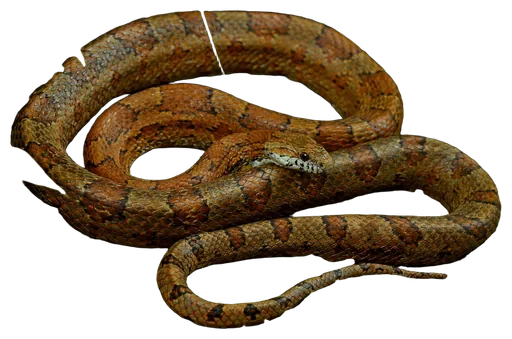 L vs ChameleonLoses · 52% · Toss-up
 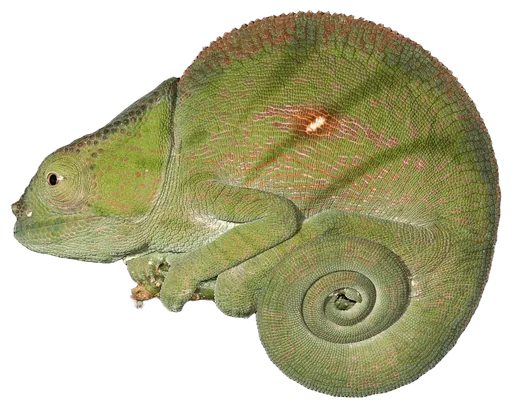 L vs Red-Eyed Tree FrogWins · 50% · Toss-up
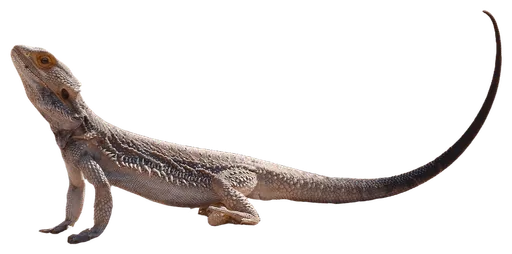
 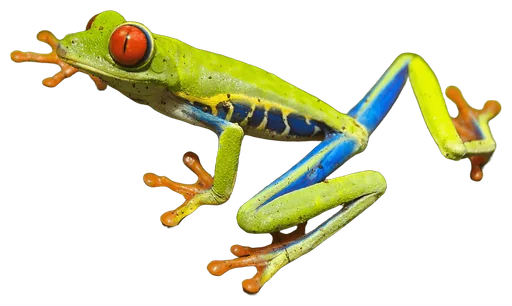 W vs Bearded DragonWins · 53% · Toss-up
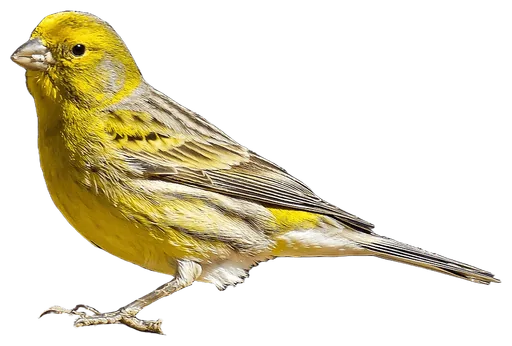
  W vs CanaryLoses · 51% · Toss-up
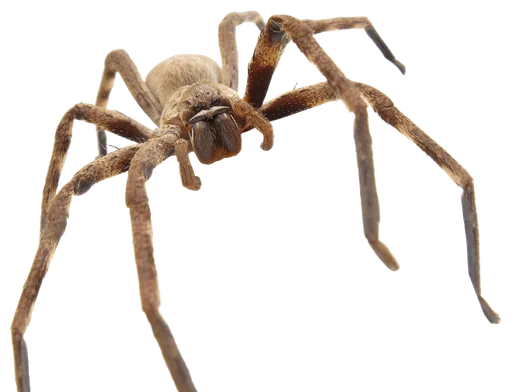
  L vs Huntsman SpiderLoses · 51% · Toss-up
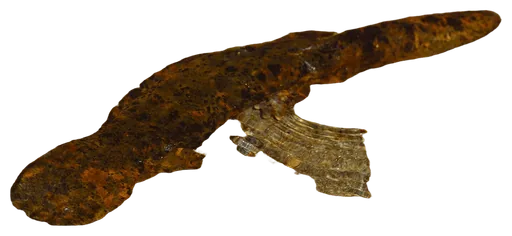
  L vs HellbenderWins · 51% · Toss-up
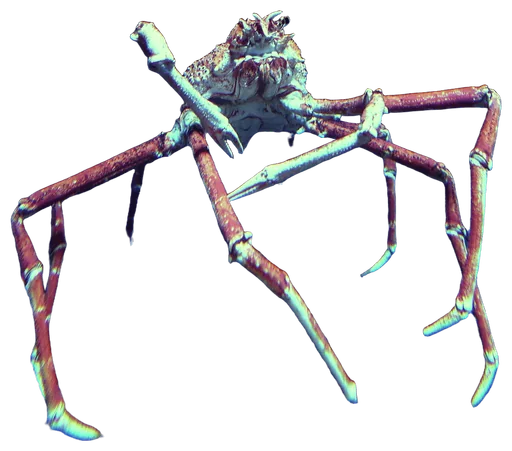
  W vs Japanese Spider CrabWins · 51% · Toss-up
  W
W  Pick any opponent
 Red-eared Slider battle analysis
On a sunny log in a Louisiana pond, a row of red-eared sliders sits stretched out in the sun, some stacked on top of others. At the first sign of danger they slide into the water and vanish. That combination of basking and quick retreat is the slider's everyday life: warm up, feed on plants and small animals, and disappear under water when threatened.
As a fighter it has little to offer. The beak crops plants and catches crayfish and tadpoles, and the only fights are between males chasing and biting each other in the breeding season. Its defense is its shell, which it can close up completely, and which has been found on live sliders bearing bite marks and embedded teeth from predators, including alligators. Its bright yellow and red markings also seem to warn off some predators: largemouth bass, which hunt by sight, avoid sliders once they hatch.
Its most remarkable feature is invisible. In winter, a slider on the pond bottom can go for weeks without oxygen, slowing its heart by about 80% and using minerals from its shell to neutralise the acid that builds up in its body. In ABS terms that earns it a solid Stamina and a moderate Special, alongside a near-zero Attack, moderate Defense and modest Agility. The same toughness has made it one of the world's worst invasive species, found on every continent except Antarctica.
Habitat & range
The red-eared slider is native to the Mississippi River valley and Gulf of Mexico drainages of the south-central United States, living in ponds, lakes, swamps, creeks and slow rivers with warm, still water, abundant aquatic plants and places to climb out and bask. It can also live in brackish water. Through the pet trade it now has feral populations in Europe, Asia, Australia, Africa, the Caribbean, Bermuda and elsewhere.
Diet & hunting
Juveniles are mostly carnivorous, eating insects, crayfish, tadpoles, fish, snails and carrion. Adults shift to an omnivorous diet dominated by aquatic plants and algae but still take invertebrates. In southern Illinois, adult stomachs held more than 40% plant material, with females eating more molluscs than males. Predators of adults and young include alligators, snakes, gar, catfish, wading birds, crows, opossums, raccoons, mink, otters, skunks, coyotes and foxes.
Social life
Sliders bask in groups and often stack on top of each other on the best spots, but they do not form social groups. Males court females underwater by vibrating their long front claws near the female's face.
Conservation
The red-eared slider is common in its native range, and its main conservation significance is as an invader. Wikipedia, citing the IUCN Invasive Species Specialist Group (Lowe et al. 2000), lists it among the world's worst invasive alien species, and it competes with native turtles for food, nesting and basking sites and spreads parasites. The European Union has banned its import, Japan banned import and release in 2023, and Queensland has spent close to AU$1 million on eradication.
Quick answers
How strong is a Red-eared Slider?
On the Animal Battle Stats scale, the Red-eared Slider has an attack rating of 7 and a power index of 31.3 out of 100, which ranks it #319 of 344 animals and puts it in F tier (Snack). Its strongest stat is stamina (55).
How much does a Red-eared Slider weigh?
A typical adult Red-eared Slider weighs about 1.5 kg (3 lb). Rated specimen: healthy mature adult female, 1.5 kg with a 23.0 cm straight carapace length, representing a well-grown adult rather than a record animal.
How fast is a Red-eared Slider?
There is no reliable measured top speed for the Red-eared Slider, so we do not publish one. Its agility rating, which covers acceleration, reflexes and evasion, is 38 out of 100.
What does a Red-eared Slider eat?
Juveniles are mostly carnivorous, eating insects, crayfish, tadpoles, fish, snails and carrion. Adults shift to an omnivorous diet dominated by aquatic plants and algae but still take invertebrates. In southern Illinois, adult stomachs held more than 40% plant material, with females eating more molluscs than males. Predators of adults and young include alligators, snakes, gar, catfish, wading birds, crows, opossums, raccoons, mink, otters, skunks, coyotes and foxes.
What animals can beat a Red-eared Slider?
Among its closest rivals, the Corn Snake (50%), the Chameleon (52%), the Canary (51%), the Huntsman Spider (51%) would be favored against the Red-eared Slider. It would be favored against the Red-Eyed Tree Frog, the Bearded Dragon, the Hellbender, the Japanese Spider Crab.
Researched 2026-09-28. Ratings are editorial judgments built from these sources; measurements describe a healthy adult female.
- Animal Diversity Web, Trachemys scriptasize, dimorphism, mass, diet, predators, lifespan, warning colours
- Wikipedia, Red-eared slideranoxia, shell buffering, invasions, trade, FDA rule, TSD
- Wikipedia (German), Rotwangen-Schmuckschildkrötemass, length
- AnAge, Trachemys scriptalongevity
- Low mitochondrial ROS after anoxia in turtle hearts, Journal of Experimental Biology (2023)anoxia tolerance
- Fructose-1,6-bisphosphatase during anoxia in the red-eared slider, Biomolecules (2021)anoxia metabolism
- Warren and Jackson, American Journal of Physiology (2007)shell buffering
- Jackson and Ultsch, Journal of Experimental Zoology A (2010)anoxia calibration
- Experimental removal of introduced slider turtles, PeerJ (2019)invasive competition
- Helminth fauna of Trachemys scripta in northern Italy, Frontiers in Veterinary Science (2026)invasive success in Europe
Photo: “2018. Животные в Донецке 02.jpg” by Andrey Butko (1978–), CC BY-SA 4.0, background removed and cropped. Original
Suggest a correction