

Red Deer
Cervus elaphus
 #103 of 341
  Forest Fighter Least Concern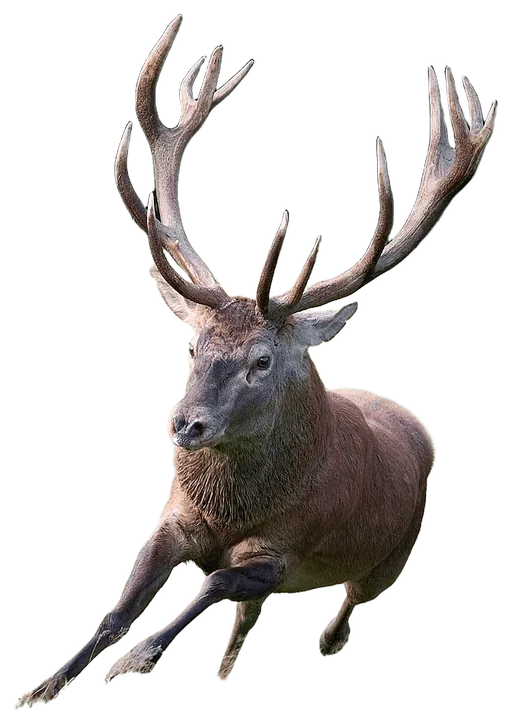
 Fight
FightPhoto: Lviatour · CC BY-SA 3.0
The red deer is Europe's classic antlered stag, a fast, agile 180 kg forest and mountain deer whose crowned antlers can reach over a metre. Stags size each other up by roaring before they lock antlers, and although their autumn fights are fierce, the lack of armor and a lighter frame keep them below elk and moose in raw fighting power.
 Attack57
  Defense42
  Agility65
  Stamina68
  Intelligence55
  Special55
 Detailed ratings
Research-backed ratings on one 0–100 scale for all 341 animals (updated 2026-09-28). How ratings work
Special abilities
Ability 1Roar and Parallel WalkStags size up rivals first by roaring, where deeper roars mean a bigger body, then by walking side by side; many contests end without contact.
 Ability 2Crowned Antler Clash
Branched antlers up to about 115 cm, often crowned with a cup of tines, lock with a rival's for pushing and twisting fights backed by a maned neck.
Unique traits
 TraitAfrica's Only Deer
Through the Barbary stag of the Atlas Mountains, the red deer is the only deer species living wild in Africa.
TraitFast-Growing BoneAntlers regrow every year and can lengthen by about 2.5 cm a day while in velvet.
How it fights
Weapons
- A stag's weapons are branched antlers backed by a heavy, maned neck. Rut fights are pushing and twisting contests with locked antlers until the weaker animal breaks away, and the tines can wound: around one-fifth of rutting males show signs of injury. Against predators, antlers and hard forward kicks with the front hooves are used by both sexes; large hinds make a stand and strike with their forelegs. The antlers are carried for more than half the year, from late summer to early spring, so stags are unarmed for part of the year.
 Struggles vs
- No armor; the whole body is soft target apart from the skull and antlers.
- Antlers are absent from spring to late summer.
- Rut exhaustion and weight loss leave stags weaker afterward.
- Far lighter than the roster's large bovids and moose.
- Weight
- 180 kg397 lb
- Height
- 1.2 m3.9 ft
- Length
- 2.1 m6.9 ft
- Top speed
- No reliable measurement
- Bite force
- No reliable measurement
- Lifespan
- 12 years
- Home biome
- Forest
- Lifestyle
- Social
Rated specimen: Healthy mature stag in hard antler of about 180 kg, 120 cm at the shoulder and 210 cm head-body length.
Fun facts
- A red deer stag's antlers can grow about 2.5 cm in a single day.
- The Barbary stag makes the red deer the only deer native to Africa.
- Stags that hold harems barely eat during the rut and can lose a fifth of their body weight.
- Deeper roars signal bigger stags, and rivals use them to decide whether to fight.
- Red deer are the largest wild land mammals in Britain and Ireland.
- Around one-fifth of rutting stags show signs of injury from fights.
Closest rivals by power. Tap one for the full breakdown, or pick any opponent.
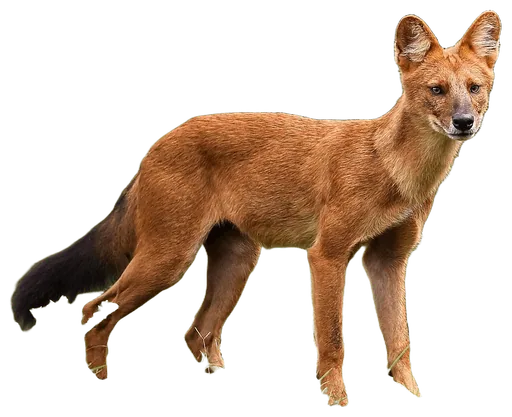
vs LynxWins · 50% · Toss-up 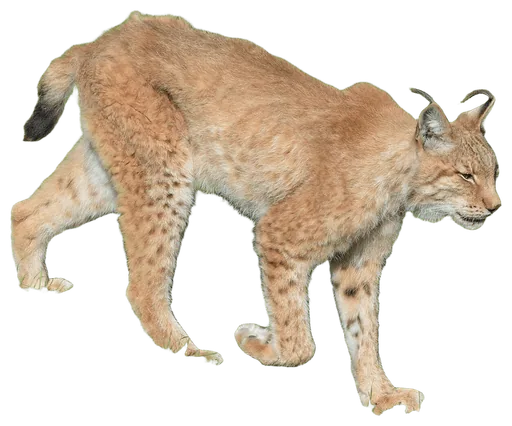 W vs DholeLoses · 50% · Toss-up
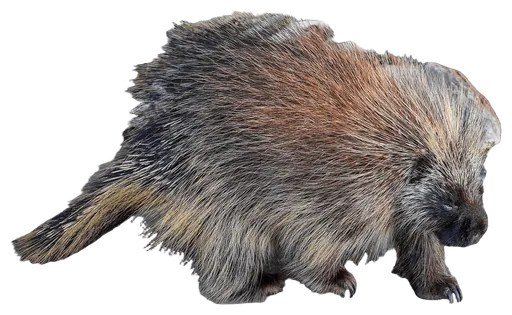
  L vs PorcupineLoses · 50% · Toss-up
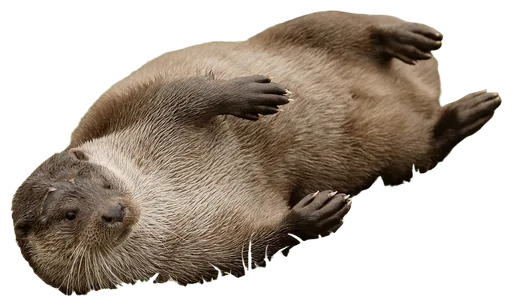
  L vs OtterWins · 51% · Toss-up
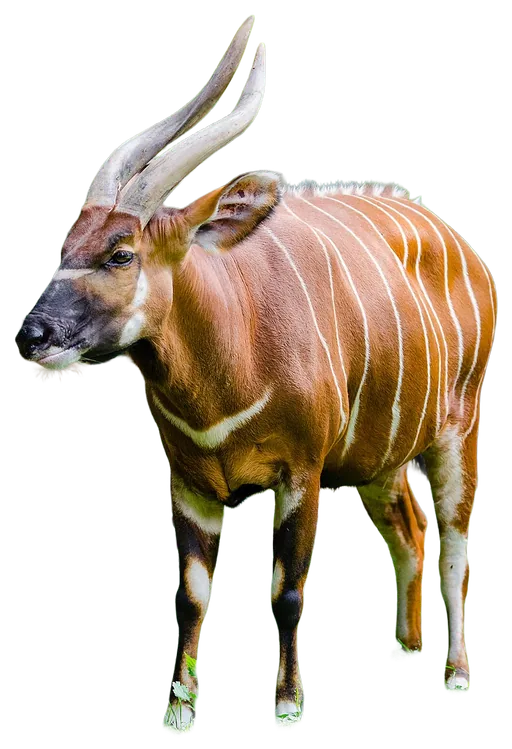
  W vs BongoWins · 51% · Toss-up
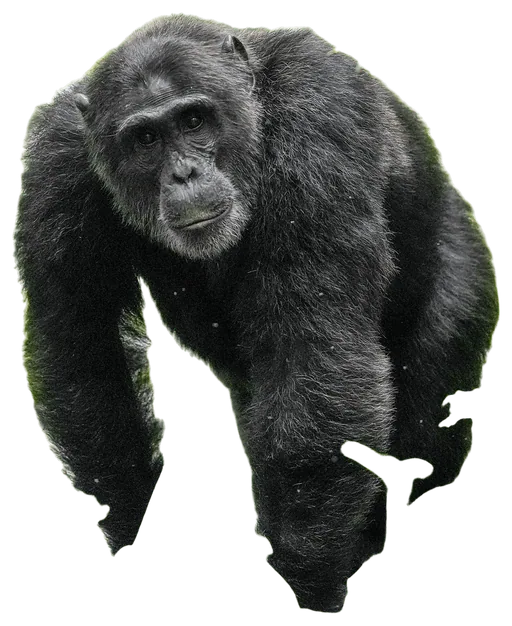
  W vs ChimpanzeeLoses · 51% · Toss-up
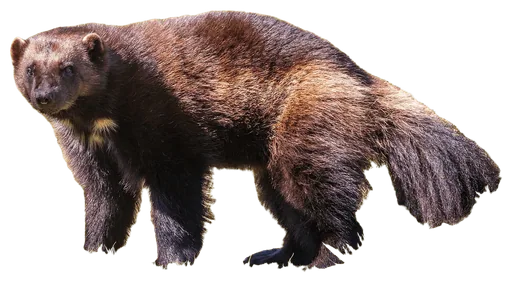
  L vs WolverineLoses · 51% · Toss-up
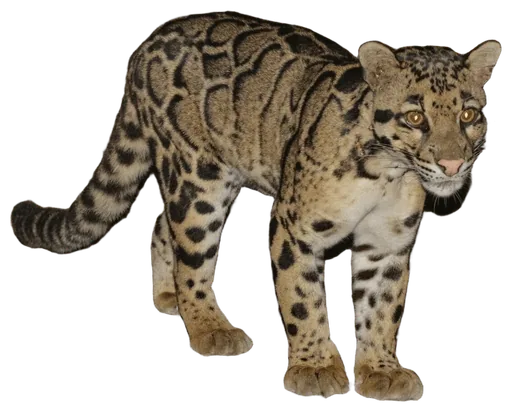
  L vs Clouded LeopardWins · 51% · Toss-up
  W
W  Pick any opponent
 Red Deer battle analysis
A mature red deer stag in autumn is one of Europe's great wildlife sights: a russet-brown body of around 180 kg, a shaggy neck mane, and a spread of branching antlers that may measure more than a metre and end in a crown of tines. He roars across the glen at dawn and dusk, and the pitch of that roar tells other stags how big he is. When two evenly matched stags meet, they walk side by side to size each other up before crashing antlers together in a pushing, twisting struggle.
The rut is exhausting. Harem-holders stop eating, lose up to a fifth of their weight and pick up wounds; about one stag in five shows signs of injury. For the rest of the year red deer live in single-sex groups, keeping sentinels on watch and relying on speed and agility to escape wolves, the predator that kills the most calves and weakened adults in central and eastern Europe.
On the ABS scale the red deer is a mid-weight, mobile fighter. It sits between the reindeer and the North American elk in size and Attack, with antlers that make it dangerous in close quarters but no armor to take heavy blows. Its best assets are agility, senses and the ritualized assessment that lets stags avoid fights they would lose.
Habitat & range
Most of Europe, the Caucasus, Anatolia, Iran, parts of western Asia and the Atlas Mountains of North Africa, in woodland, forest edges, moorland and mountains. Introduced to Australia, New Zealand, Argentina, Chile and other countries; in some of these it is treated as a pest, and it is listed among the world's 100 worst invasive species.
Diet & hunting
Grazes grasses and dwarf shrubs such as heather and bilberry and takes woody browse such as tree shoots when other food is short in winter. Red deer are the main prey of wolves across much of central and eastern Europe and a key large herbivore in forest and moorland systems.
Social life
Single-sex groups for most of the year; hind herds of up to 50 after the rut, with calves kept close by constant calls. Stags form bachelor groups once antlers are cast. In the rut, mature stags hold harems.
Conservation
Least Concern and widespread. Populations have grown in much of Europe: France's rose from about 30,000 in 1970 to about 160,000 in 2014, while North African populations have continued to decline. Reintroductions have restored red deer in parts of Portugal and the United Kingdom.
Quick answers
How strong is a Red Deer?
On the Animal Battle Stats scale, the Red Deer has an attack rating of 57 and a power index of 55.7 out of 100, which ranks it #103 of 341 animals and puts it in B tier (Strong). Its strongest stat is stamina (68).
How much does a Red Deer weigh?
A typical adult Red Deer weighs about 180 kg (397 lb). Rated specimen: healthy mature stag in hard antler of about 180 kg, 120 cm at the shoulder and 210 cm head-body length.
How fast is a Red Deer?
There is no reliable measured top speed for the Red Deer, so we do not publish one. Its agility rating, which covers acceleration, reflexes and evasion, is 65 out of 100.
What does a Red Deer eat?
Grazes grasses and dwarf shrubs such as heather and bilberry and takes woody browse such as tree shoots when other food is short in winter. Red deer are the main prey of wolves across much of central and eastern Europe and a key large herbivore in forest and moorland systems.
Is the Red Deer endangered?
No. The Red Deer is listed as Least Concern. Least Concern and widespread. Populations have grown in much of Europe: France's rose from about 30,000 in 1970 to about 160,000 in 2014, while North African populations have continued to decline. Reintroductions have restored red deer in parts of Portugal and the United Kingdom.
What animals can beat a Red Deer?
Among its closest rivals, the Dhole (50%), the Porcupine (50%), the Chimpanzee (51%), the Wolverine (51%) would be favored against the Red Deer. It would be favored against the Lynx, the Otter, the Bongo, the Clouded Leopard.
Researched 2026-09-28. Ratings are editorial judgments built from these sources; measurements describe a healthy adult male.
- Wikipedia, Red deersize ranges, antlers, rut, predators, lifespan, populations
- British Deer Society, Red deerBritish size, hoof size, rut timing
- Woodland Trust, Red deerUK size, fighting style
- Dark-ventral-patch study, BMC Zoology 2021rut injuries, roaring, assessment
- Wolf recolonization in Hungary, Animals 2024predation
- Wolf and lynx diet, Dinaric Mountains, Frontiers in Zoology 2024predation
- Wild red deer carcass traits, PLoS One 2026Iberian stag mass
- Apennine antler investment, Ecology and Evolution 2021population variation
- Animal Diversity Web, Cervus elaphustaxonomic caution
Photo: “Cervus elaphus Luc Viatour 5.jpg” by Lviatour, CC BY-SA 3.0, background removed and cropped. Original
Suggest a correction