
Raven
Corvus coraxC tier · Capable23rd of 55 birds
Size & speed

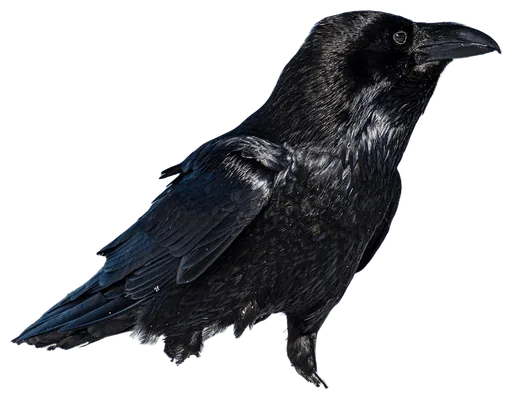
- Weight
- 1.3 kg3 lb
- Length
- 63 cm24.8 in
- Top speed
- 40 km/h25 mph
As heavy as 6.5 smartphones
Heavier than 23% of animalsAbout 2.1 rulers long
Bigger than 30% of animalsFaster than most people can sprint
Faster than 41% of animalsThe Common Raven is a roughly 1.3 kg aerial generalist whose physical weapons are modest but whose flight control, endurance and cognition are exceptional. It wins by seeing problems early, changing tactics, exploiting terrain and refusing bad contact rather than overpowering larger animals.
Detailed ratings
Research-backed ratings on one 0–100 scale for all 344 animals (updated 2026-09-27). How ratings work


Card No. 198 of 344. Every animal on Animal Battle Stats has one: its power, tier and archetype on the front; its six battle stats, abilities and signature move on the back.
Special abilities
Ravens alter caching and pilfering behavior according to observers and competitors, delay approaches when the cache owner is present, and can conceal or redirect behavior. In resource-based encounters this supports deception, memory and opponent-specific decision making.
Controlled flight lets a raven approach, peck, disengage and re-enter from changing elevations and angles, making it difficult for slow terrestrial opponents to force contact.
Unique traits
Controlled experiments show ravens can save tools or barter tokens for future use after substantial delays and can reject an immediate lesser reward for a better later outcome.
The long graduated wedge-shaped tail is a distinctive common-raven feature that supports precise aerial control and separates it morphologically from many crow species.
How it fights
Weapons
- The raven's main weapon is its large, strong bill, backed by strong feet and claws used for perching, handling and close grappling. The bill can peck, jab, pull, tear carrion and manipulate objects. Ravens also prey on eggs, nestlings, small vertebrates and invertebrates. Reports from Protection Island document digging into auklet burrows, carrying chicks, attacking an adult auklet and feeding on a freshly killed adult. These observations show genuine predatory competence but do not justify raptor-level weapon scores.
- Weight
- 1.3 kg3 lb
- Height
- No reliable measurement
- Length
- 63 cm24.8 in
- Top speed
- 40 km/h25 mph
- Bite force
- No reliable measurement
- Lifespan
- 21 years
- Home biome
- Mountains
- Lifestyle
- Social
Rated specimen: Healthy prime adult male, 1.3 kg, representing a large northern bird without using an exceptional maximum.
Fun facts
- Common Ravens are among the largest passerines.
- GPS-tagged nonbreeders traveled more than 160 km in a single day in one Eastern Alps study.
- Experimental ravens planned for tool use and bartering as far as 17 hours ahead.
- Ravens spontaneously cooperated in a loose-string task without training.
- They change caching tactics when competitors can watch them and routinely pilfer observed caches.
- A USGS-supported study documented ravens repeatedly stealing prey from a Golden Eagle nest.
Closest rivals by power. Tap one for the full breakdown, or pick any opponent.
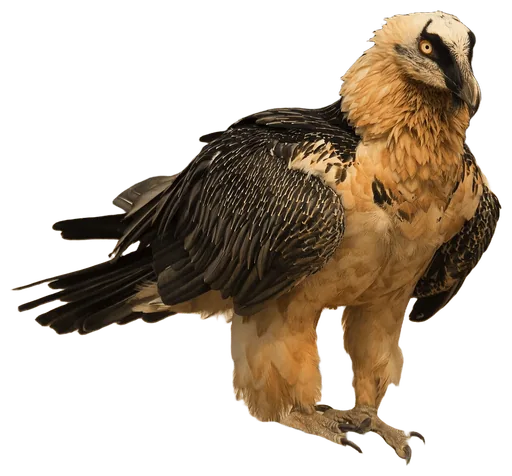
vs Great Horned OwlLoses · 52% · Toss-up 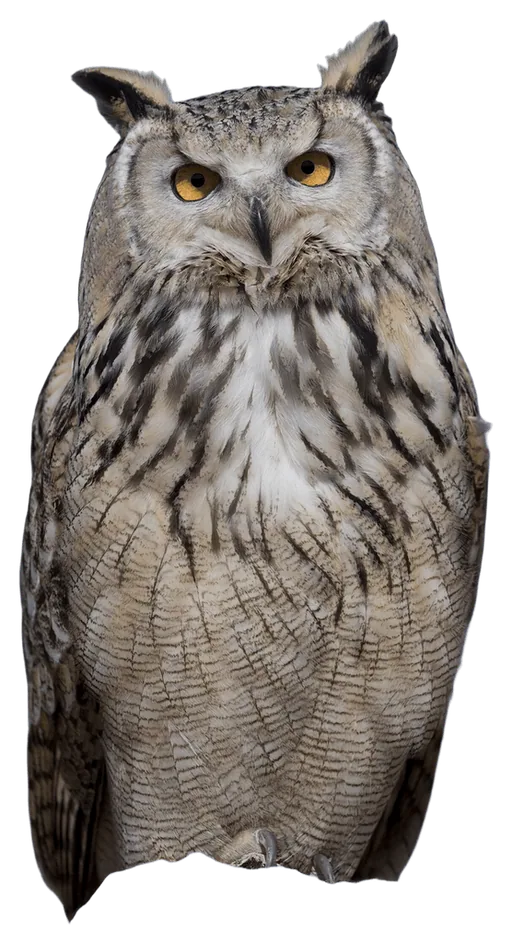 L vs Bearded VultureLoses · 58% · Slight edge
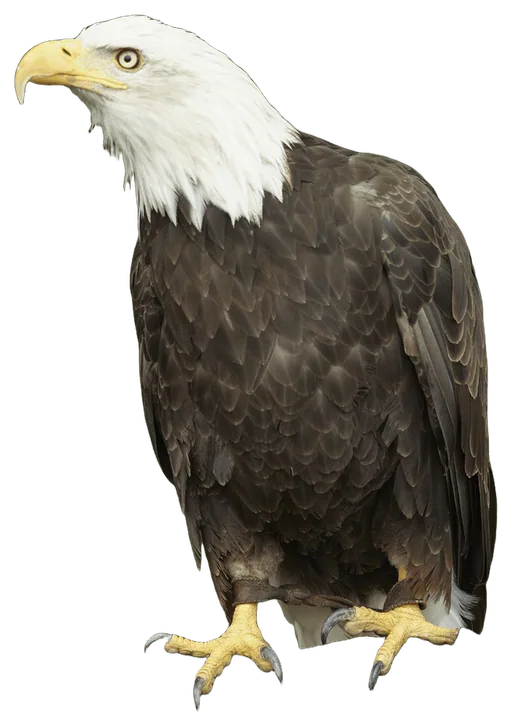
 L vs Bald EagleLoses · 59% · Slight edge
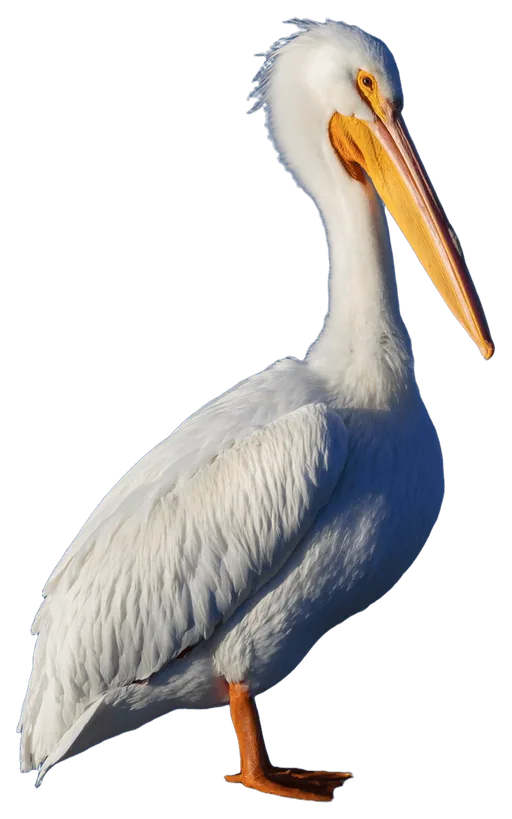
 L vs PelicanLoses · 59% · Slight edge
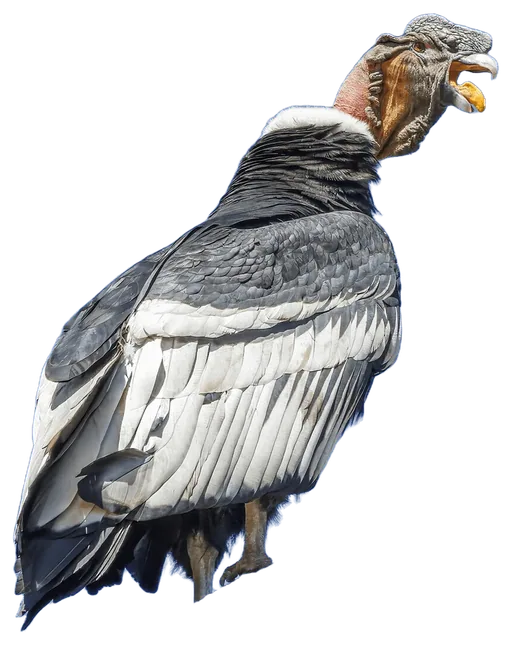
 L vs CondorLoses · 63% · Slight edge
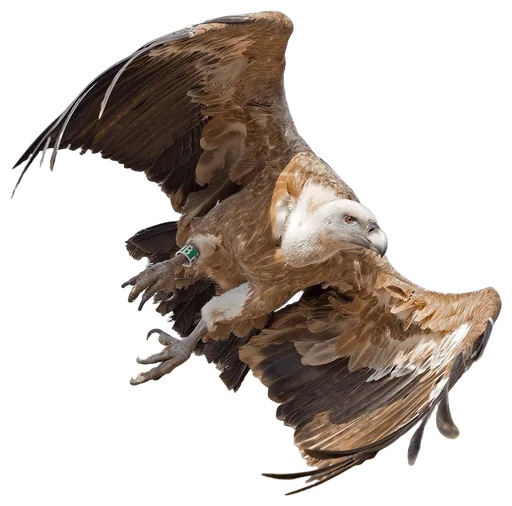
 L vs VultureLoses · 59% · Slight edge
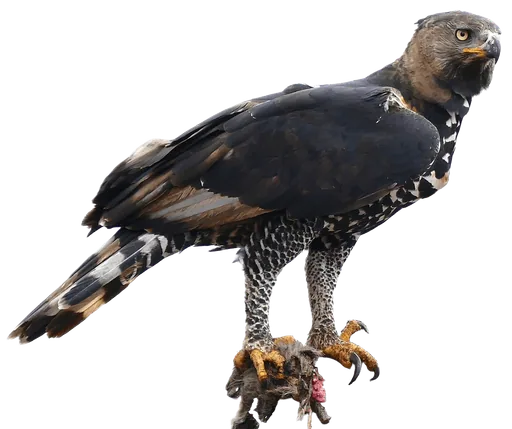
 L vs Crowned EagleLoses · 59% · Slight edge
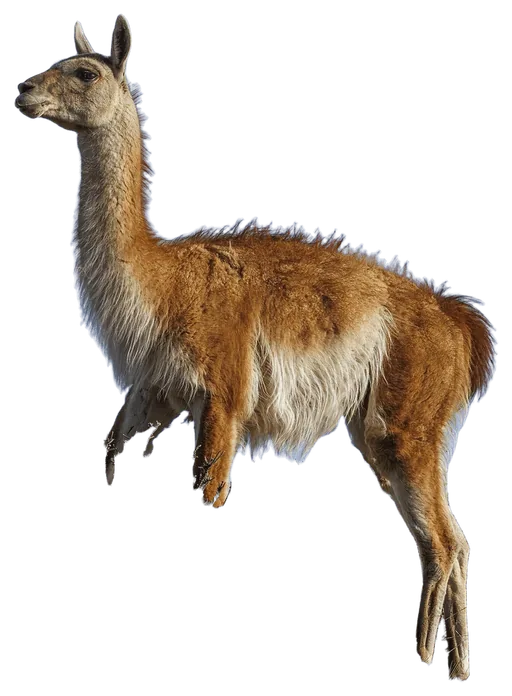
 L vs GuanacoLoses · 74% · Clear edge
 L
Raven battle analysis
A raven is an important test of ABS's absolute-scale discipline. It is one of the most cognitively impressive animals in the roster, but that does not make a 1.3 kg bird physically powerful. Its bill can tear carrion, raid nests and injure small prey, yet a medium mammal or raptor with specialized killing weapons has an enormous force and durability advantage. Attack therefore stays low.
What the raven does possess is options. It can move through three-dimensional space, cover enormous distances, inspect a threat from above, wait, cache resources, remember social context and alter its behavior around particular competitors. Experimental work goes beyond anecdotes: ravens plan for future tool use and barter, cooperate conditionally, alter caches under observation and selectively change pilfering behavior around cache owners. This gives the raven one of the roster's strongest Intelligence/Tactics profiles.
The resulting matchup identity is evasive and opportunistic. Against something small, the raven can become a predator. Against something slow and terrestrial, it can harass while avoiding contact. Against an eagle, owl, cat or other opponent able to seize it, the physical mismatch becomes decisive. ABS should preserve both truths at once: elite cognition and aerial control, low absolute fighting power.
Habitat & range
The Common Raven occupies much of the Northern Hemisphere across tundra, mountains, forest edges, coasts, deserts, agricultural land and cities. Alaska Department of Fish and Game describes it as a year-round resident throughout most of Alaska and notes broad Northern Hemisphere distribution.
Diet & hunting
Ravens are opportunistic omnivores and scavengers. ADW lists carrion, arthropods, amphibians, reptiles, small mammals, birds, eggs, grains, acorns, fruits and buds. They contribute to carrion removal but can also prey on conservation-sensitive eggs and young. USGS documented repeated food theft from a Golden Eagle nest.
Social life
Breeding birds commonly occur as territorial pairs. Nonbreeders aggregate at concentrated food sources and communal roosts. Social relationships matter: experimental cooperation depends strongly on tolerance and previous reward outcomes.
Conservation
The species is widespread and currently treated as Least Concern/G5. Human food sources can increase raven abundance locally. This versatility can create conflict where ravens prey on threatened wildlife or exploit refuse and livestock-associated resources.
Quick answers
How strong is a Raven?
On the Animal Battle Stats scale, the Raven has an attack rating of 17 and a power index of 49 out of 100, which ranks it #198 of 344 animals and puts it in C tier (Capable). Its strongest stat is intelligence (95).
How much does a Raven weigh?
A typical adult Raven weighs about 1.3 kg (3 lb). Rated specimen: healthy prime adult male, 1.3 kg, representing a large northern bird without using an exceptional maximum.
How fast is a Raven?
The Raven's top speed is about 40 km/h (25 mph). Its agility rating is 89 out of 100.
What does a Raven eat?
Ravens are opportunistic omnivores and scavengers. ADW lists carrion, arthropods, amphibians, reptiles, small mammals, birds, eggs, grains, acorns, fruits and buds. They contribute to carrion removal but can also prey on conservation-sensitive eggs and young. USGS documented repeated food theft from a Golden Eagle nest.
Is the Raven endangered?
No. The Raven is listed as Least Concern. The species is widespread and currently treated as Least Concern/G5. Human food sources can increase raven abundance locally. This versatility can create conflict where ravens prey on threatened wildlife or exploit refuse and livestock-associated resources.
What animals can beat a Raven?
Among its closest rivals, the Great Horned Owl (52%), the Bearded Vulture (58%), the Bald Eagle (59%), the Pelican (59%), the Condor (63%), the Vulture (59%), the Crowned Eagle (59%), the Guanaco (74%) would be favored against the Raven. It would be favored against none of them.
Researched 2026-09-27. Ratings are editorial judgments built from these sources; measurements describe a healthy adult male.
- Alaska Department of Fish and Game, Common Raven1.2 kg, 63 cm, 21 y, range, habitat, daily travel, intelligence context
- Animal Diversity Web, Corvus corax0.689-1.625 kg, adult length, dimorphism, reproduction, diet, predation, caching
- GPS tracking of non-breeding ravens, PubMedup to 40 km/h movement, >160 km/day, >11,000 km/20 months
- Kabadayi & Osvath 2017, Sciencefuture planning, tool-use/bartering, self-control, temporal distance
- Massen et al. 2015, Scientific Reportsspontaneous cooperation, tolerance/reward effects
- Heinrich & Pepper 1998, Animal Behaviourcache placement/timing changes with competitors, cache pilfering
- Bugnyar & Kotrschal 2004, Animal Cognitiondocumented diversion behavior in competitive foraging
- Bugnyar et al. gaze-following workfollows gaze around barriers
- USGS Golden Eagle nest kleptoparasitismrepeated food theft from eagle nest
- Hayward et al., auklet predationeggs/chicks and attempted adult predation
- Wikimedia Commons, Point Reyes ravenimage taxon, 6493x4329 resolution, CC BY-SA 4.0 provenance
Photo: “Rabe am Streicher.jpg” by Kletteronkel, CC BY-SA 4.0, background removed and cropped. Original
Suggest a correction