

Rabbit
Oryctolagus cuniculus
 #309 of 344
  Forest Speedster Near Threatened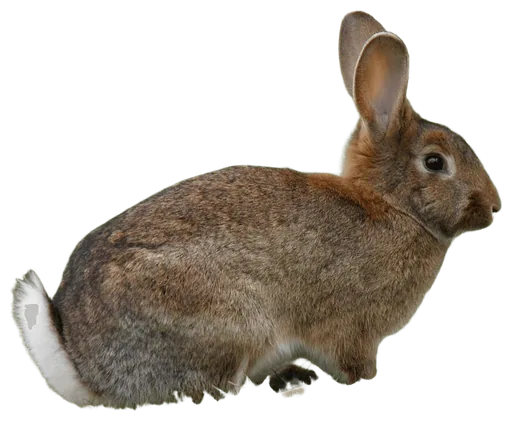
 Fight
FightPhoto: Gzen92 · CC BY-SA 4.0
The rabbit is a 2 kg burrowing grazer built to spot danger early and sprint to cover, with nearly 360° vision, explosive hind legs and a social warren life. It kicks and bites hard enough to fight other rabbits, but its light, fragile skeleton and small size make it one of the roster's easy prey animals.
 Attack14
  Defense9
  Agility80
  Stamina44
  Intelligence50
  Special50
 Detailed ratings
Research-backed ratings on one 0–100 scale for all 344 animals (updated 2026-09-28). How ratings work
Special abilities
Ability 1Burst-to-Burrow EscapeLong, powerful hind legs and a hopping gait give explosive acceleration and sharp turns over the short distance to cover; predators catch relatively few adults in the open. In a matchup the rabbit wins by not being there.
 Ability 2Hind-Leg Kick
A captured or cornered rabbit kicks out with hind limbs strong enough that veterinarians warn of serious injury, and bucks rake rivals with the hind feet. It can hurt small attackers but not deter a large one.
Unique traits
 TraitWarren Engineer
Rabbits dig communal warrens with emergency exits dropping 1–1.2 m, and in Iberia their grazing, latrines and burrows shape the whole ecosystem, earning the region the label "the rabbit's ecosystem".
TraitWorld TravelerThe only domesticated rabbit species, with breeds from under 1 kg to over 5 kg, it has been introduced to at least 800 islands and every continent except Antarctica; Australia's rabbit plague grew from a single 1859 release.
How it fights
Weapons
- The rabbit's weapons are its incisors, claws and hind-leg kicks. Rival bucks fight fiercely in the breeding season, biting and raking with the hind feet, and dominant does fight over the best nest sites, sometimes fatally. A captured rabbit kicks hard with its hind legs. None of this makes it dangerous to a predator: the rabbit is a prey animal whose weapons matter only against other rabbits and very small animals.
 Struggles vs
- Fragile, light skeleton and very low absolute durability.
- Weapons that barely matter outside rabbit-on-rabbit fights.
- Poor endurance if cut off from cover.
- Extremely vulnerable to diseases such as myxomatosis and rabbit haemorrhagic disease.
- Weight
- 2 kg4 lb
- Height
- No reliable measurement
- Length
- 40 cm15.7 in
- Top speed
- No reliable measurement
- Bite force
- No reliable measurement
- Lifespan
- 8 years
- Home biome
- Forest
- Lifestyle
- Social
Rated specimen: Healthy adult buck of about 2.0 kg, a wild-type or medium pet rabbit, rather than a 1 kg dwarf breed or a 5–8 kg giant breed.
Fun facts
- A rabbit's skeleton makes up only about 8% of its body weight, compared with about 13% in a cat.
- Rabbits have a second, tiny pair of upper incisors hidden behind the front pair.
- Warrens include emergency exits dug from the inside that drop straight down about a metre.
- Genetic work shows Australia's rabbit invasion began with one 1859 release by Thomas Austin.
- One domestic strain, the sauteur d'Alfort, cannot hop because of a single gene mutation and often walks on its front legs.
- Rabbits flash the white underside of the tail as they flee, warning other rabbits and possibly telling the predator it has been seen.
Closest rivals by power. Tap one for the full breakdown, or pick any opponent.
vs ChinchillaLoses · 52% · Toss-up  L vs Sydney Funnel-web SpiderLoses · 50% · Toss-up
  L vs Deathstalker ScorpionLoses · 51% · Toss-up
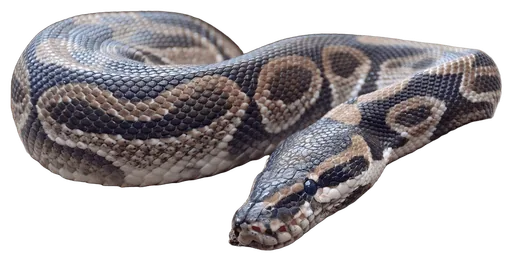
  L vs Ball PythonLoses · 51% · Toss-up
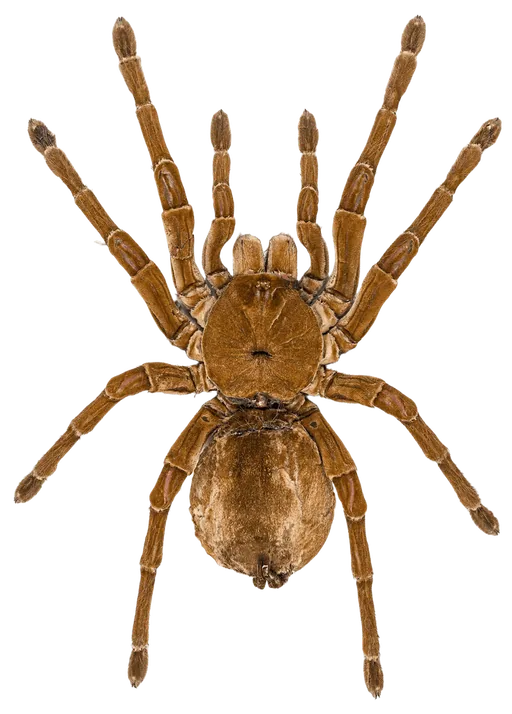
  L vs Goliath BirdeaterWins · 51% · Toss-up
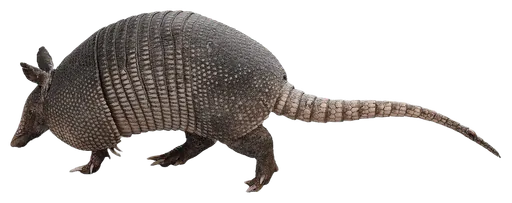
  W vs ArmadilloLoses · 54% · Toss-up
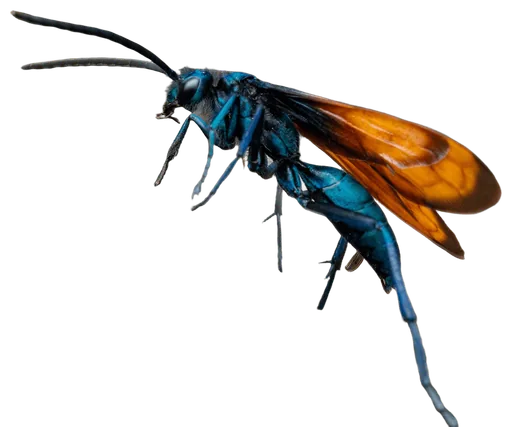
  L vs Tarantula HawkLoses · 51% · Toss-up
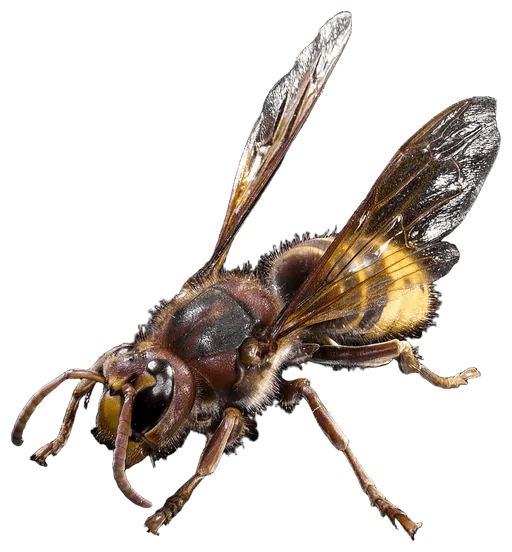
  L vs HornetWins · 51% · Toss-up
  W
W  Pick any opponent
 Rabbit battle analysis
The European rabbit is a clear answer to a simple question: how does a small grazer survive in a world full of predators? Its answer is vigilance and speed. Eyes set high on the sides of the head give almost all-round vision, the ears catch the first sound of danger, and a thump of the hind feet warns the rest of the warren. When a threat comes close, the rabbit bursts away on long, powerful hind legs, jinking toward a burrow it rarely strays far from.
That escape-first body has a cost. The skeleton is unusually light and fragile, and a struggling rabbit can even break its own back with its kicks. Its weapons, incisors, claws and hind-foot rakes, are used in real fights between bucks and between does over nest sites, but they are no match for a fox, cat, lynx or eagle. On the absolute ABS scale the rabbit therefore scores low in Attack and very low in Defense, while its agility and senses are strong.
Beyond the battlefield, the rabbit is one of the most influential mammals on Earth. In Iberia it is a keystone species that feeds lynxes and eagles and engineers the landscape; elsewhere it has become one of history's most destructive invaders; and as the only domesticated rabbit it has been bred into dozens of breeds from tiny dwarfs to giants.
Habitat & range
Native to the Iberian Peninsula and southwestern France, the European rabbit prefers short grassland next to secure refuge such as burrows, boulders, hedgerows, scrub and woodland edges; in large conifer plantations it keeps to the margins and firebreaks. It has been introduced across Europe, Australia, New Zealand, Chile, many islands and parts of Africa, and domestic rabbits live worldwide.
Diet & hunting
Herbivorous: grasses (especially fescues), leaves and shoots, plus crops such as cereals and sugar beet, bark and berries. Grazing creates a gradient of short vegetation around warrens. In Iberia the rabbit is a keystone species, altering plant communities, fertilizing soil with latrines, providing burrows for other animals and feeding predators including the Iberian lynx and Spanish imperial eagle.
Social life
Social groups of one to five bucks and one to eight does share a warren, with parallel dominance hierarchies. Dominant bucks sire most young, and dominant does get the best nest sites. Home ranges are small, about 4 ha.
Conservation
The European rabbit is listed as Near Threatened in its native range (IUCN assessment cited by Wikipedia, 2025), after steep Iberian declines driven by myxomatosis, rabbit haemorrhagic disease and habitat change. Paradoxically it is a serious invasive pest where introduced, especially in Australia.
Quick answers
How strong is a Rabbit?
On the Animal Battle Stats scale, the Rabbit has an attack rating of 14 and a power index of 33.6 out of 100, which ranks it #309 of 344 animals and puts it in D tier (Underdog). Its strongest stat is agility (80).
How much does a Rabbit weigh?
A typical adult Rabbit weighs about 2 kg (4 lb). Rated specimen: healthy adult buck of about 2.0 kg, a wild-type or medium pet rabbit, rather than a 1 kg dwarf breed or a 5–8 kg giant breed.
How fast is a Rabbit?
There is no reliable measured top speed for the Rabbit, so we do not publish one. Its agility rating, which covers acceleration, reflexes and evasion, is 80 out of 100.
What does a Rabbit eat?
Herbivorous: grasses (especially fescues), leaves and shoots, plus crops such as cereals and sugar beet, bark and berries. Grazing creates a gradient of short vegetation around warrens. In Iberia the rabbit is a keystone species, altering plant communities, fertilizing soil with latrines, providing burrows for other animals and feeding predators including the Iberian lynx and Spanish imperial eagle.
Is the Rabbit endangered?
The Rabbit's conservation status is Near Threatened. The European rabbit is listed as Near Threatened in its native range (IUCN assessment cited by Wikipedia, 2025), after steep Iberian declines driven by myxomatosis, rabbit haemorrhagic disease and habitat change. Paradoxically it is a serious invasive pest where introduced, especially in Australia.
What animals can beat a Rabbit?
Among its closest rivals, the Chinchilla (52%), the Sydney Funnel-web Spider (50%), the Deathstalker Scorpion (51%), the Ball Python (51%), the Armadillo (54%), the Tarantula Hawk (51%) would be favored against the Rabbit. It would be favored against the Goliath Birdeater, the Hornet.
Researched 2026-09-28. Ratings are editorial judgments built from these sources; measurements describe a healthy adult male.
- Wikipedia, European rabbitsize, skeleton, social life, predators, status, range
- Wikipedia, Domestic rabbitlifespan, fragility
- Wikipedia, Rabbitvision, hind legs
- Animal Diversity Web, Oryctolagus cuniculusmass, length, lifespan, hierarchy
- Merck Veterinary Manual, rabbit description (pet owner)domestic size range, teeth
- Merck Veterinary Manual, Management of rabbits (professional)kick, fragility
- Delibes-Mateos et al. 2008, Conservation Biologykeystone role, decline
- Alves et al. 2022, PNASinvasion
- Carneiro et al. 2021, PLoS Geneticslocomotion
Photo: “Lapin (Oryctolagus cuniculus) (2).jpg” by Gzen92, CC BY-SA 4.0, background removed and cropped. Original
Suggest a correction