
Quoll
Dasyurus maculatusC tier · Capable125th of 163 mammals
Size & speed

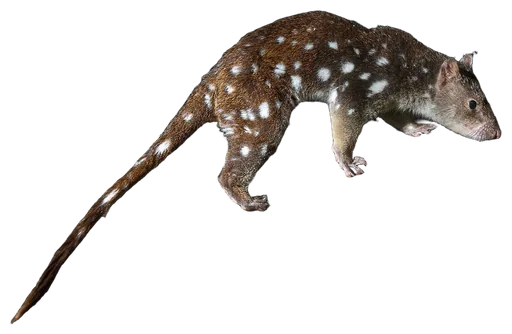
- Weight
- 3.5 kg8 lb
- Length
- 1.05 m3.4 ft
About as heavy as a house cat
Heavier than 32% of animalsAbout 3.5 rulers long
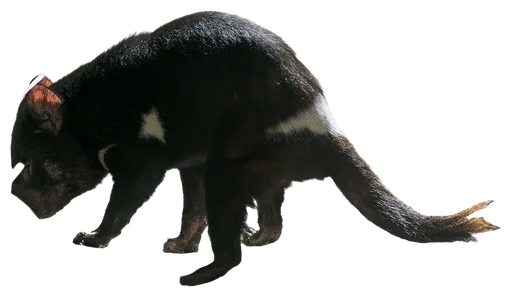
Bigger than 48% of animalsThe spotted-tailed quoll is Australia's largest quoll, a solitary carnivorous marsupial built around a strong bite, flexible prey handling and capable climbing. A representative southern adult male weighs about 3.5 kg, so absolute power remains modest, but rigid skull mechanics and ground-to-canopy maneuverability make it dangerous in the small-animal tier.
Detailed ratings
Research-backed ratings on one 0–100 scale for all 344 animals (updated 2026-09-27). How ratings work


Card No. 226 of 344. Every animal on Animal Battle Stats has one: its power, tier and archetype on the front; its six battle stats, abilities and signature move on the back.
Special abilities
Peer-reviewed finite-element work identifies relatively high bite force and a rigid skull, supporting secure biting of variable-sized prey.
Ridged foot pads, developed halluces, long-tail balance and specialized forelimb use support predation and escape across ground and trees.
Unique traits
D. maculatus is the quoll distinguished by white spotting continuing onto the tail, a diagnostic trait rather than a damage bonus.
Adult males can use home ranges measured in the thousands of hectares while remaining solitary predators.
How it fights
Weapons
- The spotted-tailed quoll is a vertebrate predator. Australian Government survey guidance states that up to 80% of diet can be medium-sized mammals of roughly 0.5–5 kg, including rabbits, possums and bandicoots, plus carrion. The practical attack is close, seize, bite and control. Its mechanically rigid skull and relatively high bite performance make the jaw system its decisive weapon.
- Weight
- 3.5 kg8 lb
- Height
- No reliable measurement
- Length
- 1.05 m3.4 ft
- Top speed
- No reliable measurement
- Bite force
- No reliable measurement
- Lifespan
- 4 years
- Home biome
- Forest
- Lifestyle
- Social
Rated specimen: Healthy prime adult male southern spotted-tailed quoll, D. m. maculatus, 3.5 kg, approximately 105.0 cm total length including tail.
Fun facts
- The spotted-tailed quoll is the largest living quoll.
- It is the quoll with conspicuous white spots continuing onto the tail.
- Southern males average roughly twice female mass in several datasets.
- Northern D. m. gracilis is dramatically smaller than southern populations.
- It hunts both on the ground and in trees.
- Peer-reviewed skull modeling found a relatively high bite force and rigid skull.
Closest rivals by power. Tap one for the full breakdown, or pick any opponent.
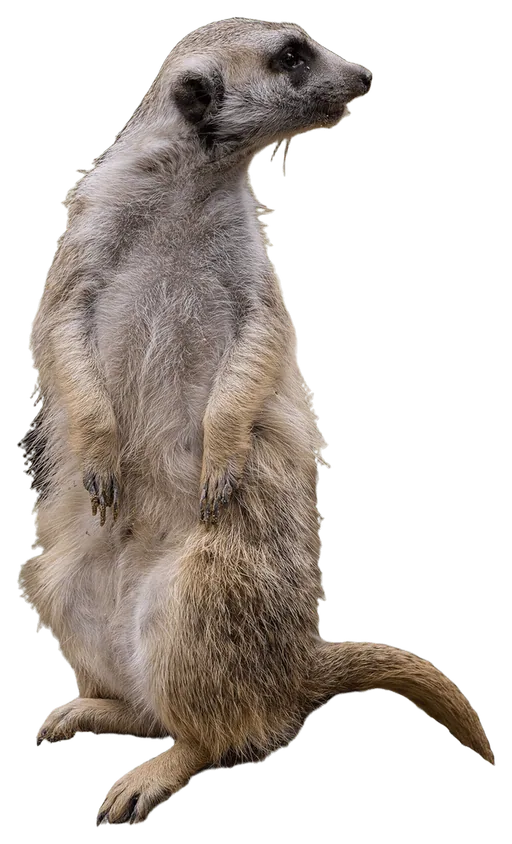
vs Capuchin MonkeyLoses · 51% · Toss-up 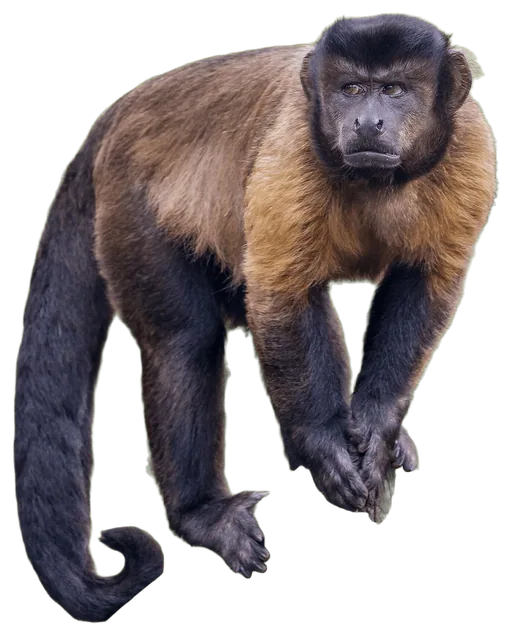 L vs MeerkatWins · 59% · Slight edge
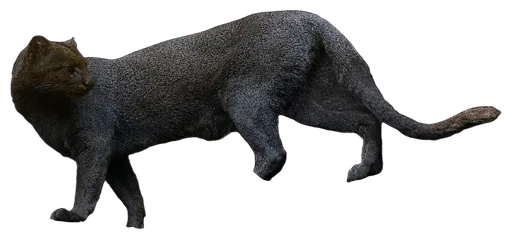
 W vs JaguarundiLoses · 54% · Toss-up
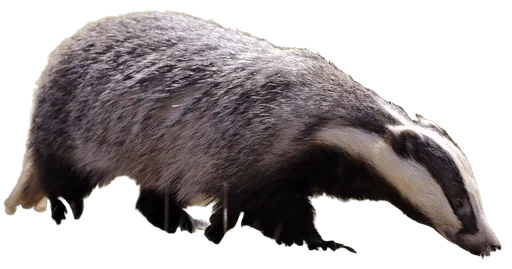
 L vs BadgerLoses · 57% · Toss-up
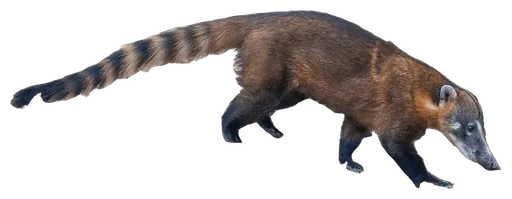
 L vs South American CoatiLoses · 54% · Toss-up
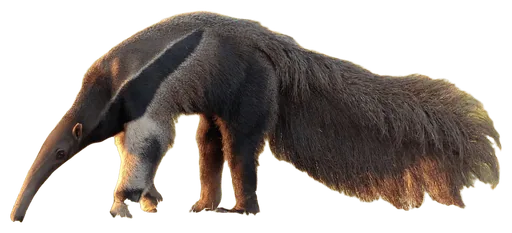
 L vs AnteaterLoses · 63% · Slight edge
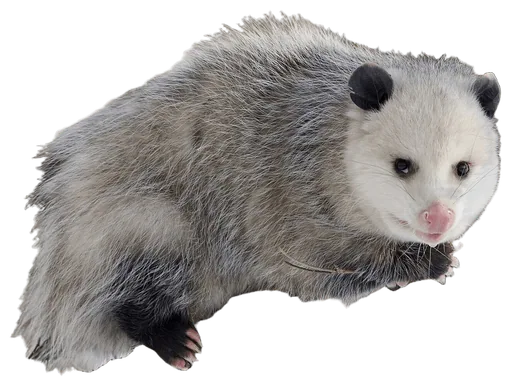
 L vs OpossumDraw · 50-50 · Dead even
 D vs Tasmanian DevilLoses · 57% · Toss-up
 L
Quoll battle analysis
The spotted-tailed quoll occupies an unusual niche. It weighs only a few kilograms, yet feeding anatomy is specialized for serious predation. Finite-element work places D. maculatus among mechanically capable marsupial carnivores, combining relatively high bite performance with a rigid skull suited to loads from struggling prey. Field diet evidence agrees: mammals from roughly half a kilogram to several kilograms can dominate the menu.
Its second advantage is positional. Ridged pads, a developed hallux, specialized forelimb use and a long balancing tail let it climb, raid arboreal prey and escape vertically. Agility therefore deserves to be its standout ABS headline rather than Attack. The scoring avoids proportional-strength leakage: a 3.5 kg quoll cannot receive wolf-like damage or durability simply because its jaw is formidable for its size.
The weaknesses are equally clear. Fur is not armor, the body is small and the species is solitary. Against a much larger predator it survives through terrain, concealment, climbing and retreat rather than damage absorption. Within its size class, however, it is a specialized carnivore with a credible killing bite and more three-dimensional mobility than a purely terrestrial opponent.
Habitat & range
Forests, rainforests, woodlands, coastal heath, gullies and rocky escarpments across eastern Australia and Tasmania. The smaller northern subspecies survives in northeastern Queensland. Dens occur in rock crevices, caves, hollow logs and tree hollows.
Diet & hunting
Strongly carnivorous and opportunistic, taking mammals, birds, reptiles, amphibians, insects and carrion. Medium mammals can dominate diet. It is an important native mammalian predator rather than a cooperative pack hunter.
Social life
Mostly solitary. Male ranges overlap multiple females and can overlap other males. Communal latrines provide scent-communication hubs.
Conservation
Global summaries commonly list D. maculatus as Near Threatened, while Australian EPBC/state listings distinguish threatened populations/subspecies. Habitat loss and fragmentation, introduced predators, roads and poison exposure are important pressures. Any future site conservation field should retain authority and population context.
Quick answers
How strong is a Quoll?
On the Animal Battle Stats scale, the Quoll has an attack rating of 32 and a power index of 45.6 out of 100, which ranks it #226 of 344 animals and puts it in C tier (Capable). Its strongest stat is agility (77).
How much does a Quoll weigh?
A typical adult Quoll weighs about 3.5 kg (8 lb). Rated specimen: healthy prime adult male southern spotted-tailed quoll, D. m. maculatus, 3.5 kg, approximately 105.0 cm total length including tail.
How fast is a Quoll?
There is no reliable measured top speed for the Quoll, so we do not publish one. Its agility rating, which covers acceleration, reflexes and evasion, is 77 out of 100.
What does a Quoll eat?
Strongly carnivorous and opportunistic, taking mammals, birds, reptiles, amphibians, insects and carrion. Medium mammals can dominate diet. It is an important native mammalian predator rather than a cooperative pack hunter.
Is the Quoll endangered?
The Quoll's conservation status is Near Threatened. Global summaries commonly list D. maculatus as Near Threatened, while Australian EPBC/state listings distinguish threatened populations/subspecies. Habitat loss and fragmentation, introduced predators, roads and poison exposure are important pressures. Any future site conservation field should retain authority and population context.
What animals can beat a Quoll?
Among its closest rivals, the Capuchin Monkey (51%), the Jaguarundi (54%), the Badger (57%), the South American Coati (54%), the Anteater (63%), the Tasmanian Devil (57%) would be favored against the Quoll. It would be favored against the Meerkat. It is dead even with the Opossum: a draw.
Researched 2026-09-27. Ratings are editorial judgments built from these sources; measurements describe a healthy adult male.
- Australian Government DCCEEW, National Recovery Plantaxonomy, dimorphism, mass, length, range
- Australian Government mammal survey guidelinessex/population mass, habitat, activity, diet
- NSW Environment and Heritageadult sex-specific mass, morphology, habitat
- Animal Diversity Webdimensions, lifespan, reproduction, home range, behavior
- Attard et al. 2011, Journal of Zoologyskull mechanics
- Bidaye et al. 2026, The Anatomical Record / PubMedforelimb anatomy
- Wikimedia Commons, Tiger Quoll 6178image candidate
Photo: “Tiger Quoll 6178.jpg” by JJ Harrison, CC BY-SA 3.0, background removed and cropped. Original
Suggest a correction