
Quokka
Setonix brachyurusD tier · Underdog152nd of 163 mammals
Size & speed

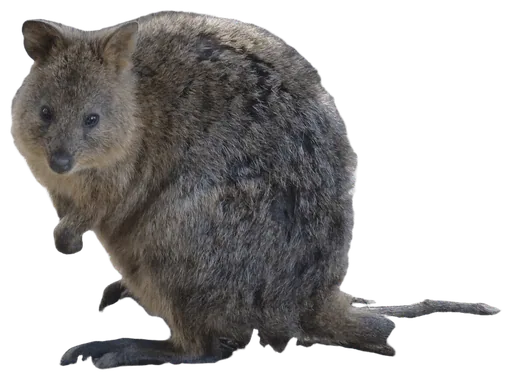
- Weight
- 3.5 kg8 lb
- Length
- 77 cm30.3 in
About as heavy as a house cat
Heavier than 32% of animalsAbout 2.6 rulers long
Bigger than 37% of animalsThe quokka is a small Western Australian macropod whose battle strengths are evasive hopping, thicket mobility, climbing and dry-environment resilience. A healthy adult male has stronger hind limbs and slightly greater mass than a female, but at only about 3.5 kg it remains a low-power combatant with no armor or specialized lethal weapon.
Detailed ratings
Research-backed ratings on one 0–100 scale for all 344 animals (updated 2026-09-27). How ratings work


Card No. 292 of 344. Every animal on Animal Battle Stats has one: its power, tier and archetype on the front; its six battle stats, abilities and signature move on the back.
Special abilities
Quokkas maintain paths through dense vegetation for feeding and predator escape, combining compact saltatory locomotion with cover to break pursuit.
Rottnest populations can persist where free surface water is absent, supported by physiological regulation and moisture-rich plant foods; this improves survival in dry matchups but does not make the animal immune to dehydration.
Unique traits
Despite being a short-tailed small macropod, the quokka can climb shrubs and small trees to reach forage, giving it more vertical mobility than its stocky appearance suggests.
Male dominance correlates with body size, making the larger adult male a biologically grounded canonical fighter rather than an arbitrary sex choice.
How it fights
Weapons
- A quokka is a small browsing macropod, not a specialized fighter or predator. Its jaws can bite at contact range and the forefeet can grasp/scratch, but neither is a high-damage roster weapon. The hind limbs are the strongest mechanical system. They are built for saltatory propulsion and can produce forceful kicks, yet there is no species-specific kick-force dataset supporting dramatic numerical claims. Attack therefore stays low on the absolute roster scale.
Struggles vs
- Open ground removes much of the cover-based defense.
- Deep water and slick terrain reduce terrestrial propulsion advantages.
- Any medium or large carnivore has a severe mass and weapon advantage.
- The short tail provides less balancing leverage than in many larger macropods.
- Weight
- 3.5 kg8 lb
- Height
- No reliable measurement
- Length
- 77 cm30.3 in
- Top speed
- No reliable measurement
- Bite force
- No reliable measurement
- Lifespan
- 10 years
- Home biome
- Desert
- Lifestyle
- Social, nocturnal
Rated specimen: Healthy prime adult male, representative mass 3.5 kg, head-body length 49.0 cm, tail 28.0 cm, total nose-to-tail length about 77.0 cm.
Fun facts
- The quokka is the only living member of the genus Setonix.
- Males are measurably larger than females, and larger males tend to rank higher socially.
- A quokka can climb shrubs or trees to roughly 1.5 m to reach food.
- Rottnest quokkas can live in areas with no free surface water and rely heavily on plant moisture and physiological water conservation.
- Island and mainland populations differ in breeding seasonality.
- Their famous apparent “smile” is facial anatomy, not evidence of a permanently happy emotional state.
Closest rivals by power. Tap one for the full breakdown, or pick any opponent.
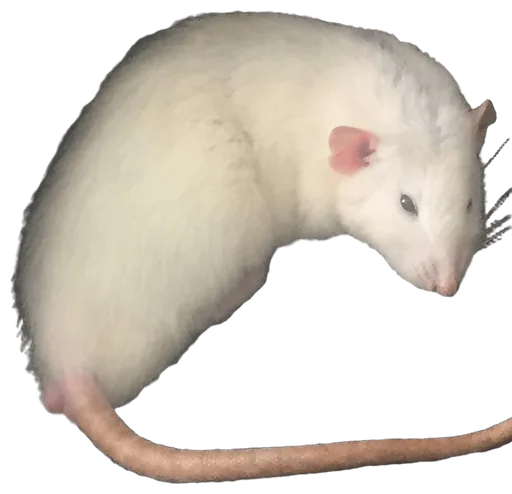
vs HedgehogWins · 57% · Toss-up 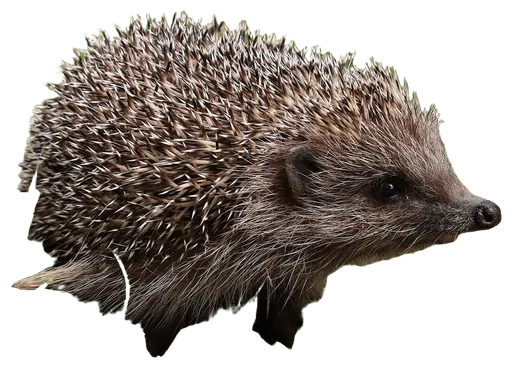 W vs Fancy RatWins · 62% · Slight edge
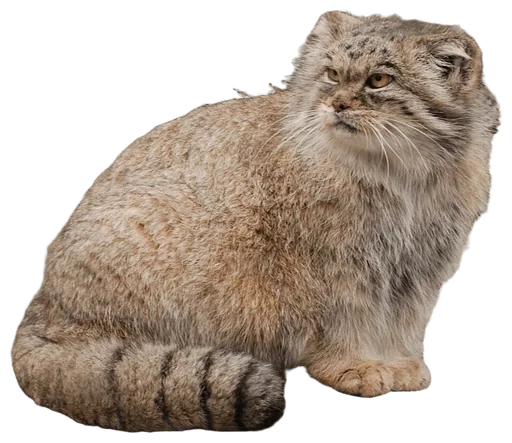
 W vs Pallas's CatLoses · 52% · Toss-up
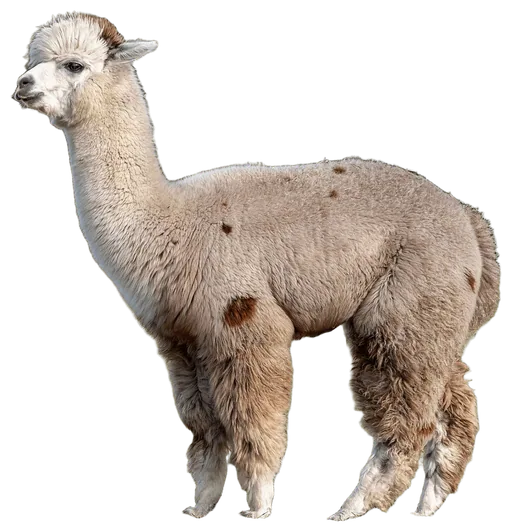
 L vs AlpacaLoses · 65% · Slight edge
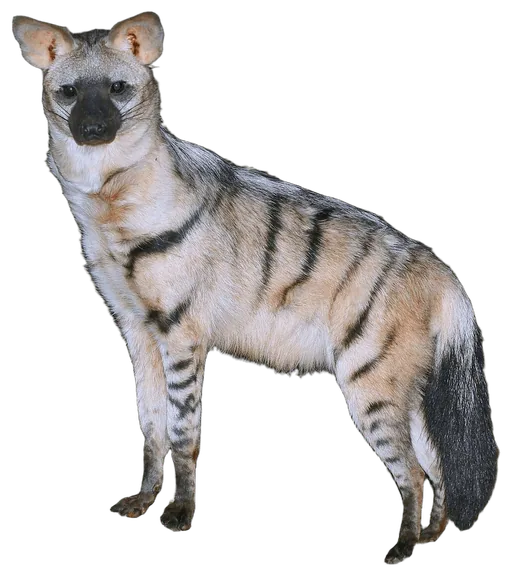
 L vs AardwolfLoses · 57% · Toss-up
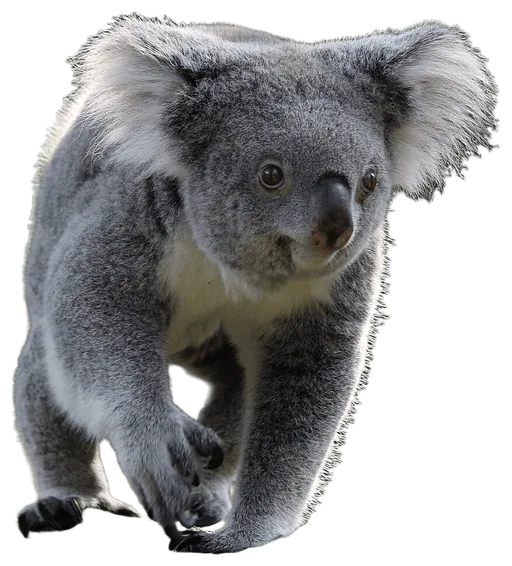
 L vs KoalaLoses · 56% · Toss-up
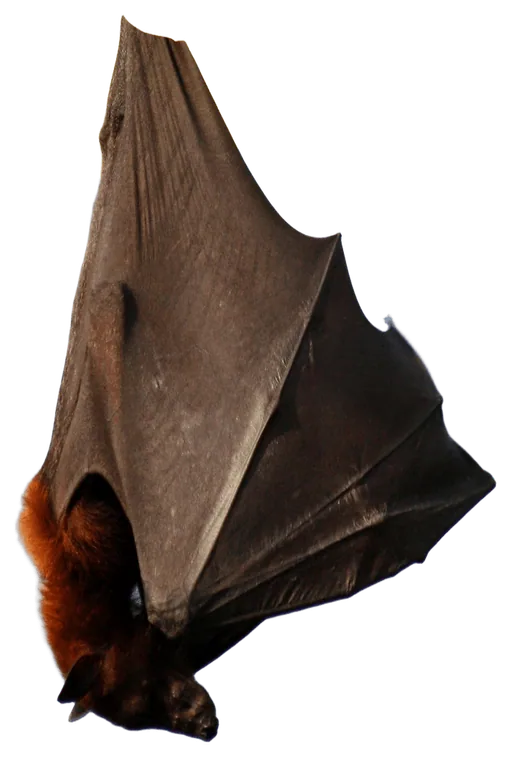
 L vs Flying FoxWins · 55% · Toss-up
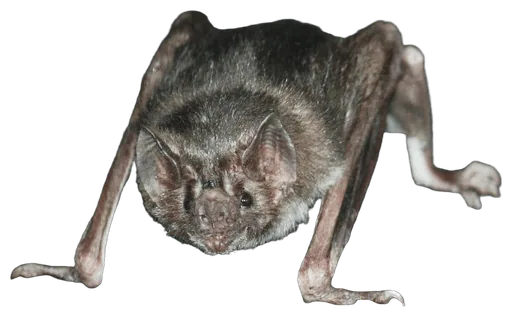
 W vs Vampire BatWins · 76% · Clear edge
 W
Quokka battle analysis
The quokka's reputation is built around its face, but its real biology is more interesting than the “smiling animal” label. It is a compact macropod at home in a patchwork of dense vegetation and seasonally dry habitat. Powerful hind limbs move the body in hops and bounds, while established paths through thickets act as practical escape corridors. Unlike many animals with a similar ground-oriented body plan, it can also climb low vegetation to reach food or reposition vertically.
Those abilities make the quokka evasive, not powerful. At roughly 3.5 kg, even a robust adult male has little absolute capacity to injure a medium predator. Its bite and claws are unspecialized and the species lacks armor, venom or a long weapon. ABS Attack and Defense therefore stay low even though maneuverability is comparatively good. This distinction is central to roster-wide scaling: impressive locomotion for a small wallaby does not become gorilla-level power.
The animal is also a dry-country survivor. Rottnest populations persist in places where free water can disappear, obtaining water from vegetation and regulating water balance physiologically. That resilience supports Stamina and Special modestly, but it is not the same as high-speed endurance. In combat terms, the quokka's best strategy is to avoid being caught, use cover, climb when useful and outlast short environmental stress rather than trade damage.
Habitat & range
The quokka is endemic to southwestern Western Australia. Important populations occur on Rottnest Island and Bald Island, with fragmented mainland populations in forest, swamp, heath and dense riparian/thicket habitats. Dense cover is especially important on the mainland where introduced predators occur.
Diet & hunting
Quokkas are browsing herbivores feeding on leaves, stems, grasses, sedges, succulents, forbs and seasonally fruits/seeds. ADW reports adult Rottnest males consuming roughly 32-45 g of dry food per day depending on season. They can obtain much of their water from vegetation. Their digestive strategy includes foregut fermentation and re-chewing/regurgitation of plant material.
Social life
They are mainly nocturnal and can feed alone or in small bands. Social organization is not equivalent to a cooperative hunting society. Males form a size-related dominance hierarchy, while a Rottnest telemetry study found substantial home-range overlap that varied with habitat and tourism development.
Conservation
The species is Vulnerable. The WA recovery plan and Australian Museum identify habitat loss and introduced predators as major pressures. Mainland populations are much more fragmented than historically, while island populations provide important refuges.
Quick answers
How strong is a Quokka?
On the Animal Battle Stats scale, the Quokka has an attack rating of 18 and a power index of 37.3 out of 100, which ranks it #292 of 344 animals and puts it in D tier (Underdog). Its strongest stat is agility (73).
How much does a Quokka weigh?
A typical adult Quokka weighs about 3.5 kg (8 lb). Rated specimen: healthy prime adult male, representative mass 3.5 kg, head-body length 49.0 cm, tail 28.0 cm, total nose-to-tail length about 77.0 cm.
How fast is a Quokka?
There is no reliable measured top speed for the Quokka, so we do not publish one. Its agility rating, which covers acceleration, reflexes and evasion, is 73 out of 100.
What does a Quokka eat?
Quokkas are browsing herbivores feeding on leaves, stems, grasses, sedges, succulents, forbs and seasonally fruits/seeds. ADW reports adult Rottnest males consuming roughly 32-45 g of dry food per day depending on season. They can obtain much of their water from vegetation. Their digestive strategy includes foregut fermentation and re-chewing/regurgitation of plant material.
Is the Quokka endangered?
The Quokka's conservation status is Vulnerable. The species is Vulnerable. The WA recovery plan and Australian Museum identify habitat loss and introduced predators as major pressures. Mainland populations are much more fragmented than historically, while island populations provide important refuges.
What animals can beat a Quokka?
Among its closest rivals, the Pallas's Cat (52%), the Alpaca (65%), the Aardwolf (57%), the Koala (56%) would be favored against the Quokka. It would be favored against the Hedgehog, the Fancy Rat, the Flying Fox, the Vampire Bat.
Researched 2026-09-27. Ratings are editorial judgments built from these sources; measurements describe a healthy adult male.
- Western Australian Quokka Recovery Planmass, dimensions, dimorphism, lifespan, breeding, conservation
- Australian Museum, Quokkataxonomy, dimensions, locomotion, lifespan, behavior, reproduction, conservation
- Handbook of the Mammals of the World treatment via Plazisex-specific dimensions, distribution, geographic size variation
- Animal Diversity Web, Setonix brachyurusmale hierarchy, diet, climbing, color vision, behavior
- Jones et al. 1990, General and Comparative Endocrinologywater physiology
- Phillips, Chambers & Bencini 2019, Australian Mammalogymovement ecology
- Shield 1968, Journal of Zoologyreproduction/development
Photo: “Setonix brachyurus (39094035665).jpg” by Donald Hobern from Copenhagen, Denmark, CC BY 2.0, background removed and cropped. Original
Suggest a correction