

Pygmy Hippopotamus
Choeropsis liberiensis
 #200 of 341
  Jungle Tank Endangered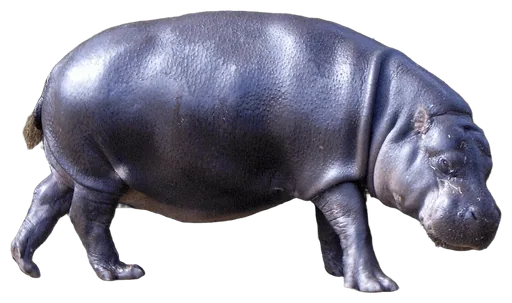
 Fight
FightPhoto: The original uploader was Rodw at English Wikipedia . · Public domain
The pygmy hippopotamus is a shy, nocturnal forest hippo from West Africa, about 250 kg of dense body with thick skin and a wide mouth of ever-growing tusks. It prefers to vanish into streams rather than fight, but can bite hard when cornered, making it a sturdy mid-weight defender rather than a heavy hitter.
 Attack50
  Defense52
  Agility42
  Stamina48
  Intelligence44
  Special50
 Detailed ratings
Research-backed ratings on one 0–100 scale for all 341 animals (updated 2026-09-28). How ratings work
Special abilities
Ability 1Hippo Gape BiteA wide-opening mouth armed with ever-growing canines and forward incisors, used for defense and fighting rather than feeding; dangerous to small opponents at close range.
 Ability 2Streambed Vanish
Closes its ears and nostrils with muscular valves and slips underwater or into bank-side resting spots, breaking contact with land predators.
Unique traits
 TraitForest Hippo
One of only two living hippo species, and the one built for rainforest trails and swamp streams instead of open rivers and grassland.
TraitBlood-Sweat SkinThick-dermis skin coated with a pinkish secretion that helps protect it from sun, but which dries and cracks quickly without water.
How it fights
Weapons
- The pygmy hippo's weapons are its mouth: a wide gape, ever-growing canines and forward incisors that hippos use for defense and fighting rather than feeding. Behind them sits a dense, barrel-shaped 250 kg body that can shove and bowl over a smaller animal. It is a scaled-down version of the common hippo's system at roughly one-seventh of the mass, with none of the common hippo's reputation for territorial violence. Its offense is defensive in character: a cornered or startled animal bites and pushes.
 Struggles vs
- Low absolute mass compared with the roster's large herbivores.
- Short legs and rotund build limit speed and turning.
- Skin dries and cracks quickly away from water.
- Generally shy; tends to hide rather than fight.
- Bite is the only real weapon.
- Weight
- 250 kg551 lb
- Height
- 90 cm35.4 in
- Length
- 1.65 m5.4 ft
- Top speed
- No reliable measurement
- Bite force
- No reliable measurement
- Lifespan
- 30 years
- Home biome
- Jungle
- Lifestyle
- Mostly solitary, nocturnal
Rated specimen: Healthy adult of about 250 kg, 90 cm at the shoulder and 165 cm head-body length.
Fun facts
- Only two hippo species are alive today, and the pygmy hippo weighs less than a quarter as much as the common hippo.
- Its ears and nostrils have muscular valves that seal when it dives.
- Its skin secretes a pinkish fluid nicknamed "blood sweat", which is neither blood nor true sweat.
- Pygmy hippos spread their dung by vigorously waving their tails, marking the trails they use.
- Calves can swim almost immediately after birth.
- The species was unknown outside West Africa until the 19th century.
Closest rivals by power. Tap one for the full breakdown, or pick any opponent.
vs GuanacoLoses · 51% · Toss-up 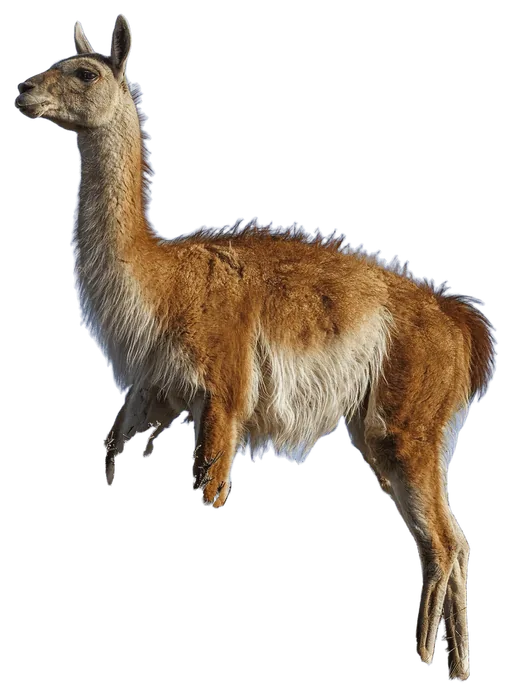 L vs Naked Mole RatWins · 51% · Toss-up
 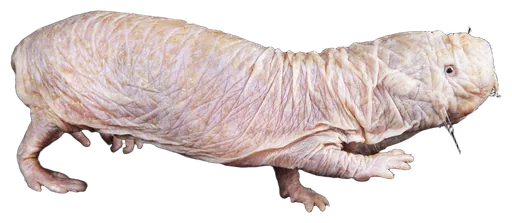 W vs Spider MonkeyWins · 51% · Toss-up
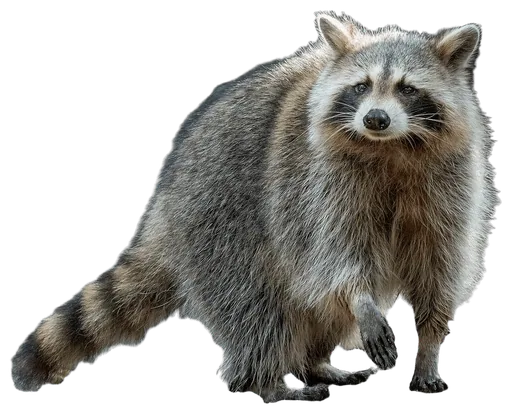
 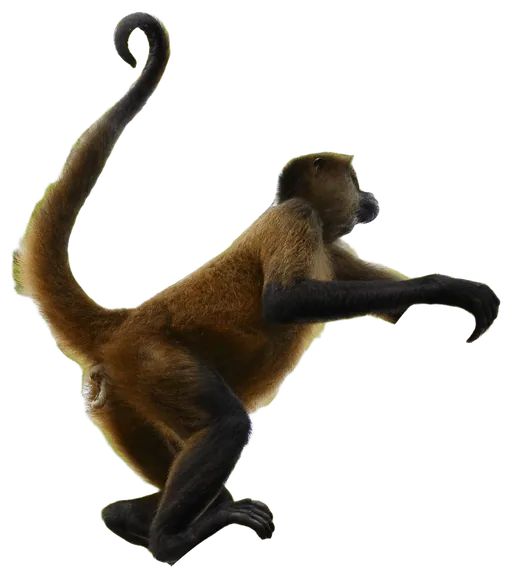 W vs RaccoonWins · 51% · Toss-up
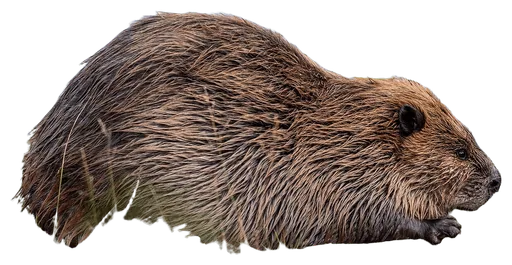
  W vs BeaverLoses · 51% · Toss-up
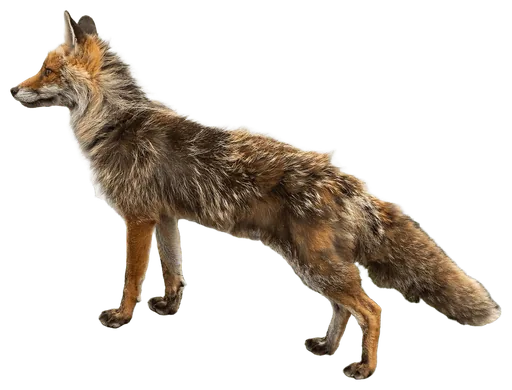
  L vs Red FoxLoses · 52% · Toss-up
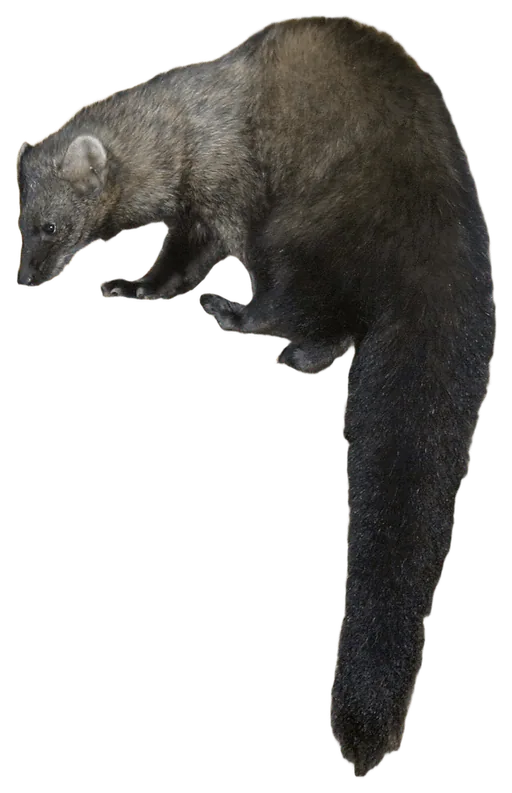
  L vs FisherLoses · 52% · Toss-up
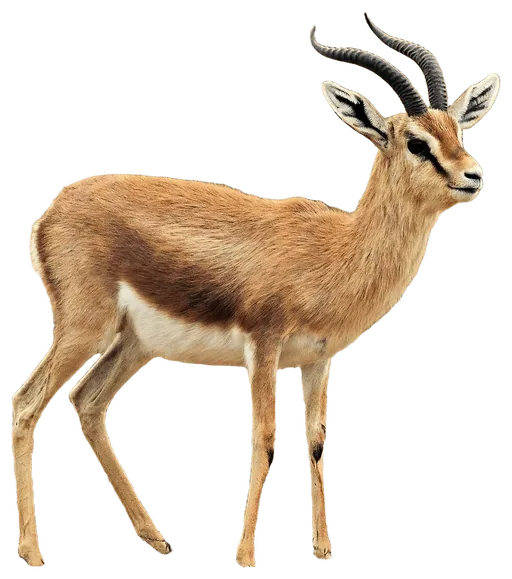
  L vs GazelleLoses · 52% · Toss-up
  L
L  Pick any opponent
 Pygmy Hippopotamus battle analysis
The pygmy hippo is what a hippo looks like when it lives under a rainforest canopy. It stands under a metre tall, weighs about a quarter of a tonne, and is shaped like a smooth, glossy barrel on short legs. By day it rests in streams or bank-side hollows; by night it walks the same worn trails through the swamp forest, browsing ferns, shoots and fallen fruit and marking the path with tail-flung dung.
Its fighting equipment is the hippo family's: a gape that opens very wide and canines that never stop growing, used for defense and contests rather than chewing. Zoo records show that adults can inflict lethal bites on small animals, and people have been attacked when they pressed too close. Yet the species' usual answer to danger is to disappear. It seals its ears and nostrils and sinks into the nearest stream, where a leopard cannot follow.
On the ABS scale that makes the pygmy hippo a compact defender with a real but modest bite. It sits close to other 250–300 kg forest herbivores such as the okapi and bongo in size and power, trades their speed for thicker skin and a biting weapon, and remains far below the common hippopotamus in every physical category. Heat and dry ground are its limits; water is its refuge.
Habitat & range
Lowland primary and secondary forest near rivers, streams and palm swamps in West Africa. The largest populations are in Liberia, with smaller ones in Sierra Leone, Guinea and Côte d'Ivoire, mostly near the Liberian border. The Niger Delta form has not been reliably recorded for decades. Its range does not overlap with the common hippopotamus.
Diet & hunting
A selective herbivore of the forest floor: herbs, ferns, broad-leaved plants, herbaceous shoots, forbs, sedges and fallen fruit, rarely grass or aquatic plants. It forages for about six hours a night along game trails and returns to water by day.
Social life
Solitary or in pairs or mother-calf groups. Individuals tend to ignore each other when they meet rather than fight. Male ranges (about 1.85 km²) overlap those of several females (0.4–0.6 km²).
Conservation
Endangered on the IUCN Red List and listed on CITES Appendix II. The main threat is loss and fragmentation of forest through logging, settlement and farming, with bushmeat hunting in Liberia as a further pressure. Camera traps in Sapo National Park, Liberia, produced the first photographs confirming the species survived the Liberian civil wars. The captive population breeds well and more than doubled between 1970 and 1991.
Quick answers
How strong is a Pygmy Hippopotamus?
On the Animal Battle Stats scale, the Pygmy Hippopotamus has an attack rating of 50 and a power index of 48.5 out of 100, which ranks it #200 of 341 animals and puts it in C tier (Capable). Its strongest stat is defense (52).
How much does a Pygmy Hippopotamus weigh?
A typical adult Pygmy Hippopotamus weighs about 250 kg (551 lb). Rated specimen: healthy adult of about 250 kg, 90 cm at the shoulder and 165 cm head-body length.
How fast is a Pygmy Hippopotamus?
There is no reliable measured top speed for the Pygmy Hippopotamus, so we do not publish one. Its agility rating, which covers acceleration, reflexes and evasion, is 42 out of 100.
What does a Pygmy Hippopotamus eat?
A selective herbivore of the forest floor: herbs, ferns, broad-leaved plants, herbaceous shoots, forbs, sedges and fallen fruit, rarely grass or aquatic plants. It forages for about six hours a night along game trails and returns to water by day.
Is the Pygmy Hippopotamus endangered?
The Pygmy Hippopotamus's conservation status is Endangered. Endangered on the IUCN Red List and listed on CITES Appendix II. The main threat is loss and fragmentation of forest through logging, settlement and farming, with bushmeat hunting in Liberia as a further pressure. Camera traps in Sapo National Park, Liberia, produced the first photographs confirming the species survived the Liberian civil wars. The captive population breeds well and more than doub
What animals can beat a Pygmy Hippopotamus?
Among its closest rivals, the Guanaco (51%), the Beaver (51%), the Red Fox (52%), the Fisher (52%), the Gazelle (52%) would be favored against the Pygmy Hippopotamus. It would be favored against the Naked Mole Rat, the Spider Monkey, the Raccoon.
Researched 2026-09-28. Ratings are editorial judgments built from these sources; measurements describe a healthy adult.
- Wikipedia, Pygmy hippopotamussize, lifespan, behavior, ranges, temperament, conservation
- Animal Diversity Web, Hexaprotodon liberiensismass, dimensions, dentition, skin secretion, predators
- EDGE of Existence (ZSL), Pygmy hippomass, range, habitat
- EDGE blog, Camera trap results (Sapo NP)field monitoring
- Flacke et al. 2016, Zoo Biologycaptive mortality, parental aggression, obesity
- Hippo chewing and dentition study, PLoS One 2023tusks and incisors as weapons
- Taï NP camera-trap reactivity, PeerJ 2022senses and wariness
- Hippo and cetacean skin study, Current Biology 2021skin and red-orange secretion
- San Diego Zoo Wildlife Alliance, Hippocomparison with common hippo
Photo: “Choeropsis liberiensis BZG.jpg” by The original uploader was Rodw at English Wikipedia ., Public domain, background removed and cropped. Original
Suggest a correction