
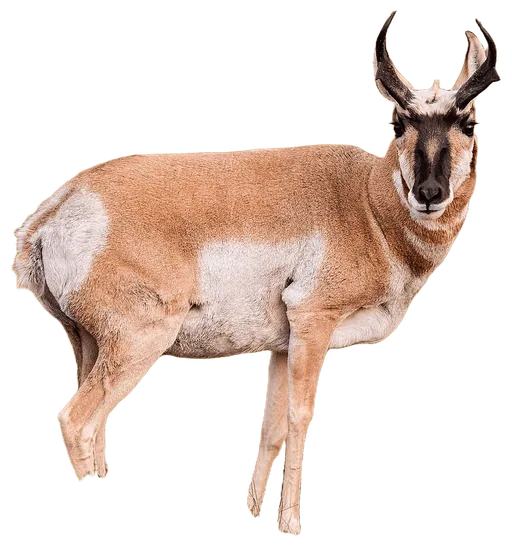
Pronghorn
Antilocapra americanaA tier · Elite30th of 163 mammals
Size & speed

- Weight
- 51 kg112 lb
- Length
- 1.4 m4.6 ft
- Top speed
- 89 km/h55 mph
About as heavy as a person
Heavier than 66% of animalsAbout 4.7 rulers long
Bigger than 59% of animals2× Usain Bolt's top speed
Faster than 95% of animalsThe pronghorn is North America's extreme endurance sprinter: a roughly 51 kg adult buck armed with pronged horns, enormous open-country visual awareness and the aerobic machinery to sustain speeds that exhaust most terrestrial pursuers. Its passive durability is modest, but on open ground its combination of detection, acceleration and stamina makes forcing a clean engagement exceptionally difficult.
Detailed ratings
Research-backed ratings on one 0–100 scale for all 344 animals (updated 2026-09-27). How ratings work


Card No. 51 of 344. Every animal on Animal Battle Stats has one: its power, tier and archetype on the front; its six battle stats, abilities and signature move on the back.
Special abilities
Exceptional aerobic machinery lets a pronghorn combine near-elite terrestrial speed with sustained fast running, allowing it to open distance long after many burst-speed opponents would fatigue.
Very large, laterally placed eyes provide exceptionally broad open-country surveillance, improving early threat detection and route selection before contact.
Unique traits
The pronghorn is unique among living horned ungulates in annually shedding its keratin horn sheaths, while mature males also carry the namesake forward prong.
Erectile white rump hairs create a conspicuous long-distance visual alarm signal that coordinates vigilance and escape in open habitat.
How it fights
Weapons
- A mature buck fights with paired, backward-curving horns bearing forward prongs. Yellowstone describes rivals approaching until the horns meet, then twisting and shoving until the weaker male retreats. ADW reports that fights average only about two minutes but can cause serious injury. Fatalities are uncommon in Yellowstone's account, which constrains Attack below heavily armed, much larger ungulates such as oryx and large bovids.
- The prongs can catch and redirect an opponent's horn/head position while the curved main shafts transmit pushing and twisting force. The system is optimized for contests with another pronghorn, not for killing large predators. Kicks remain a plausible emergency weapon but are not treated as a separate high-damage system.
Struggles vs
- Dense forest, steep broken ground or cramped enclosures reduce the value of extreme speed.
- Fences are a major real-world obstacle because pronghorn tend to crawl under rather than jump them.
- No armor and only moderate body mass if caught.
- Horns are dangerous in frontal contests but do not match the reach/mass of large bovids, rhinoceroses or megafauna.
- Weight
- 51 kg112 lb
- Height
- 95 cm37.4 in
- Length
- 1.4 m4.6 ft
- Top speed
- 89 km/h55 mph
- Bite force
- No reliable measurement
- Lifespan
- 9 years
- Home biome
- Savanna
- Lifestyle
- Social
Rated specimen: Healthy prime adult male (buck).
Fun facts
- The pronghorn is the only living member of Antilocapridae.
- Its horn sheaths are shed annually, unlike the retained horn sheaths of typical bovids.
- NPS reports adult males commonly carrying 10–16 in (25–41 cm) pronged horns.
- It can reach roughly 55 mph (88.5 km/h) and also sustain remarkably high speeds over distance.
- Its large eyes provide an estimated ~320-degree field of visibility in open country.
- Rut fights can cause serious injury even though Yellowstone reports fatalities as rare.
Closest rivals by power. Tap one for the full breakdown, or pick any opponent.
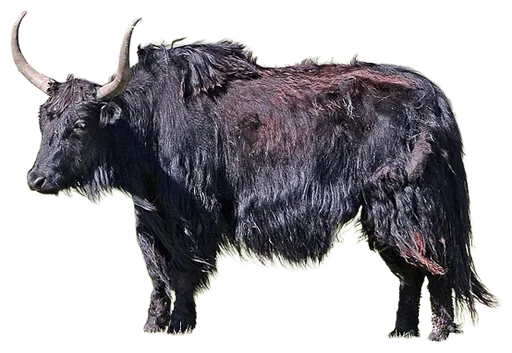
vs Musk OxLoses · 61% · Slight edge 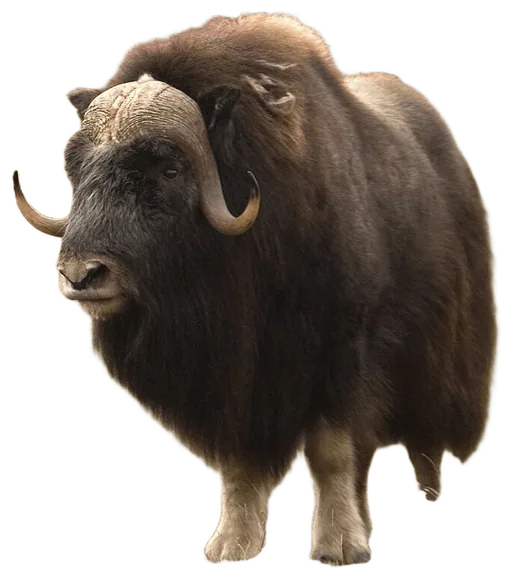 L vs YakLoses · 62% · Slight edge
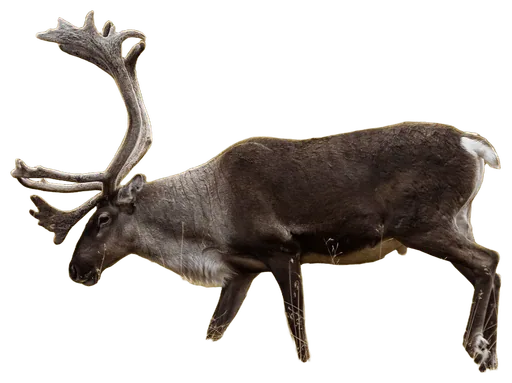
 L vs ReindeerLoses · 56% · Toss-up
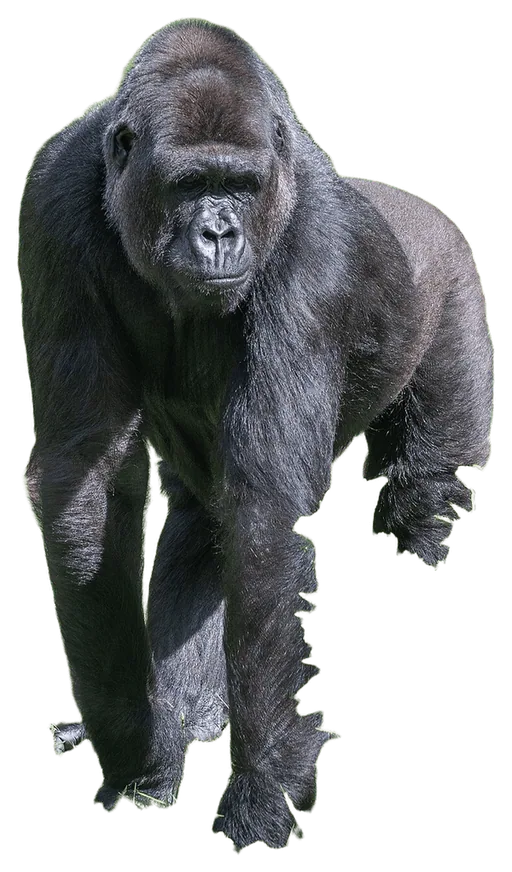
 L vs GorillaLoses · 56% · Toss-up
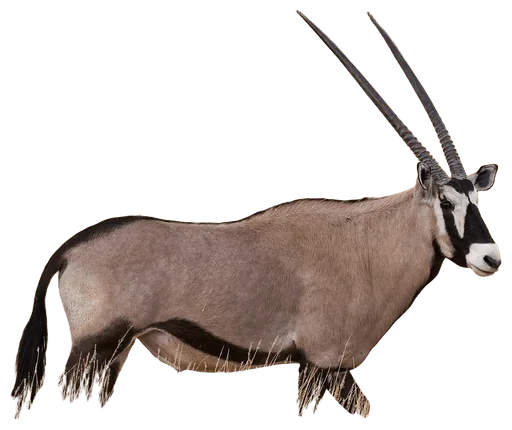
 L vs OryxLoses · 60% · Slight edge
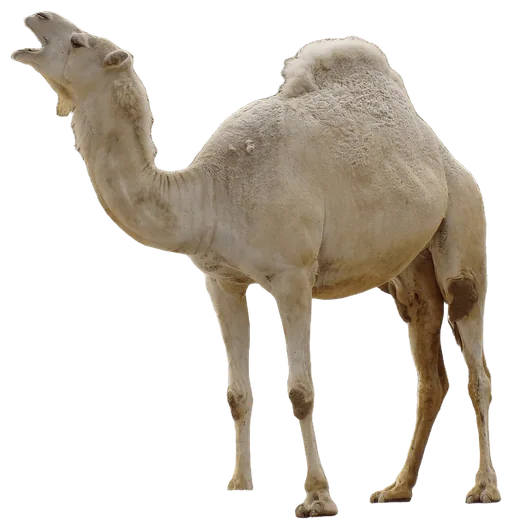
 L vs CamelLoses · 65% · Slight edge
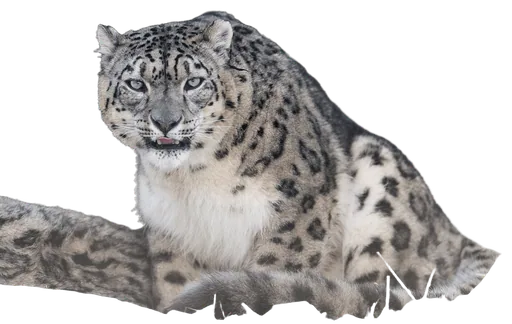
 L vs Snow LeopardLoses · 52% · Toss-up
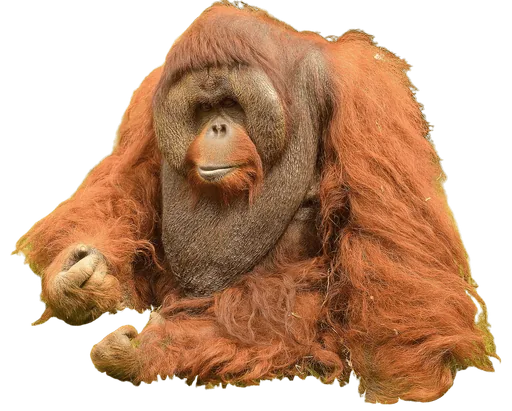
 L vs OrangutanDraw · 50-50 · Dead even
 D
Pronghorn battle analysis
The pronghorn's battle identity begins before contact. Its huge eyes scan an enormous arc of prairie, and once danger is recognized the animal's best weapon is distance. A healthy mature buck can accelerate into a run approaching 25 m/s, yet unlike many speed specialists it is also built to keep moving fast. Government field summaries describe sustained 45–50 mph running, and comparative physiology places the species among the most athletic mammals. That combination is why Stamina, Agility and Senses dominate its ABS profile rather than raw physical power.
When escape is impossible, the male is not defenseless. Its paired keratin-sheathed horns can exceed 30 cm and include forward prongs used during rut contests. Rivals threaten, approach, lock horns, twist and shove; short bouts can cause serious injury. Still, a 51 kg pronghorn is not an oryx, bison or rhinoceros. Its weapons are used primarily in contests with other pronghorn, and its thinly protected cursorial body is poorly suited to absorbing a predator's bite or grapple.
The result is a highly asymmetric fighter. In open terrain it can dictate whether many encounters happen at all. In cramped terrain, against an ambush attacker already inside its acceleration envelope, much of its greatest advantage disappears. ABS therefore keeps Attack and Defense moderate while allowing the evidence-backed locomotor and sensory specializations to approach the elite end of the roster.
Habitat & range
Pronghorn inhabit open grasslands, sagebrush steppe, plains and semi-desert across western and central North America, from southern Canada through the western United States into northern Mexico. Open sight lines are central to their predator-detection strategy.
Diet & hunting
They are herbivorous ruminants that browse sagebrush, rabbitbrush, forbs and other vegetation, with grasses generally a smaller component. Yellowstone notes that they can consume plants toxic to some other ungulates and suggests their proportionally large liver may assist detoxification.
Social life
Winter brings mixed-sex and mixed-age herds. In spring and summer, sexes segregate more strongly: females form nursery groups, younger males may form bachelor groups, and mature males defend territories. During the rut, successful males defend access to females.
Conservation
The species overall is currently treated as Least Concern, although local populations and subspecies can be much more vulnerable. Fences, roads, habitat fragmentation, severe winter and disruption of migration corridors remain major management concerns.
Quick answers
How strong is a Pronghorn?
On the Animal Battle Stats scale, the Pronghorn has an attack rating of 47 and a power index of 62.7 out of 100, which ranks it #51 of 344 animals and puts it in A tier (Elite). Its strongest stat is stamina (96).
How much does a Pronghorn weigh?
A typical adult Pronghorn weighs about 51 kg (112 lb). Rated specimen: healthy prime adult male (buck).
How fast is a Pronghorn?
The Pronghorn's top speed is about 89 km/h (55 mph). Its agility rating is 94 out of 100.
What does a Pronghorn eat?
They are herbivorous ruminants that browse sagebrush, rabbitbrush, forbs and other vegetation, with grasses generally a smaller component. Yellowstone notes that they can consume plants toxic to some other ungulates and suggests their proportionally large liver may assist detoxification.
Is the Pronghorn endangered?
No. The Pronghorn is listed as Least Concern. The species overall is currently treated as Least Concern, although local populations and subspecies can be much more vulnerable. Fences, roads, habitat fragmentation, severe winter and disruption of migration corridors remain major management concerns.
What animals can beat a Pronghorn?
Among its closest rivals, the Musk Ox (61%), the Yak (62%), the Reindeer (56%), the Gorilla (56%), the Oryx (60%), the Camel (65%), the Snow Leopard (52%) would be favored against the Pronghorn. It would be favored against none of them. It is dead even with the Orangutan: a draw.
Researched 2026-09-27. Ratings are editorial judgments built from these sources; measurements describe a healthy adult male.
- Yellowstone National Park, NPSMale/female mass, adult dimensions, lifespan, sustained speed, horn dimensions, diet, rut fighting
- Theodore Roosevelt National Park, NPSMaximum speed, vision, horn maximum, longevity
- Golden Spike NHP, NPSIndependent size/speed cross-check
- Animal Diversity WebReproduction, territoriality, fight duration/injury
- National GeographicSpeed/endurance, range ecology, fights
- Baskurt et al., Journal of Applied Physiology (PubMed record)Aerobic athletic specialization
- Gunnels, Utah State University thesisMale dominance and horn/body-size context
- Wikimedia Commons / Tobias KlenzeImage taxon, adult status, sex, resolution, license
Photo: “Pronghorn Yellowstone.jpg” by Thomas Wolf , www.foto-tw.de, CC BY-SA 3.0, background removed and cropped. Original
Suggest a correction