
Proboscis Monkey
Nasalis larvatusB tier · Strong73rd of 163 mammals
Size & speed

- Weight
- 21.2 kg47 lb
- Length
- 1.42 m4.7 ft
As heavy as 4.7 house cats
Heavier than 54% of animalsAbout 4.7 rulers long
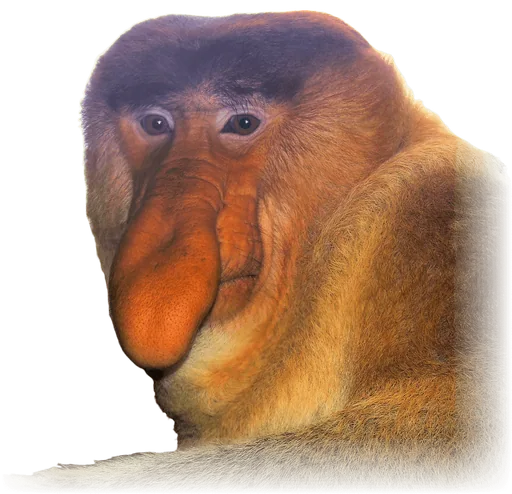
Bigger than 60% of animalsA large, sexually dimorphic Bornean colobine, the proboscis monkey combines a 21 kg male body with remarkable arboreal and aquatic mobility. Its partially webbed digits and strong swimming create unusual escape options, while the male's pendulous nose amplifies its distinctive calls. It is agile and tactically flexible, but low observed aggression and the absence of specialized killing weapons keep its absolute Attack modest.
Detailed ratings
Research-backed ratings on one 0–100 scale for all 344 animals (updated 2026-09-27). How ratings work


Card No. 119 of 344. Every animal on Animal Battle Stats has one: its power, tier and archetype on the front; its six battle stats, abilities and signature move on the back.
Special abilities
Partial digital webbing, large hands/feet and strong swimming let the monkey enter water, cross channels and travel submerged for short distances, creating an escape route unavailable to most arboreal primates.
The mature male's enlarged pendulous nose modifies/amplifies vocal output, supporting loud communication and threat/alarm signaling in dense riverine forest.
Unique traits
Mature males possess an extraordinary nose that can exceed 10 cm and historically has been measured to 17.5 cm, tied to sexual display and acoustic function.
As a colobine, it relies on a complex microbial foregut that supports a leaf-heavy diet; ecologically important but not scored as extra physical offense.
How it fights
Weapons
- The proboscis monkey is a 20+ kg primate with grasping hands, mobile limbs and a toothed jaw, so it can bite, grapple, shove and strike at close range. However, field behavior argues against treating it like a baboon or macaque specialized for frequent violent contest. Long observational records describe agonism as uncommon and often non-contact. Resident males can chase intruders and may confront threats while group members retreat, but intimidation and displacement are more typical than sustained damaging combat.
Struggles vs
- Open terrestrial ground removes much of its canopy advantage.
- Deep water with large crocodilians turns its signature swimming route into danger.
- No armor or high-damage specialized weapon.
- Large fermenting gut and folivorous specialization are not combat advantages.
- Weight
- 21.2 kg47 lb
- Height
- 75.5 cm29.7 in
- Length
- 1.42 m4.7 ft
- Top speed
- No reliable measurement
- Bite force
- No reliable measurement
- Lifespan
- 20 years
- Home biome
- Wetlands
- Lifestyle
- Social
Rated specimen: Healthy prime adult male, because this is one of the most sexually dimorphic colobines and adult males average about twice female mass.
Fun facts
- It is the largest living colobine in the 2015 species synthesis.
- Adult males average about twice female mass.
- Proboscis monkeys have been documented traveling up to about 20 m underwater to avoid threats.
- Groups may leap 5–15 m from trees into rivers when crossing.
- The mature male nose can reach extraordinary lengths, historically reported up to 17.5 cm.
- Despite the spectacular male appearance, field studies describe low levels of aggression and many agonistic interactions without physical contact.
Closest rivals by power. Tap one for the full breakdown, or pick any opponent.
vs MandrillLoses · 52% · Toss-up 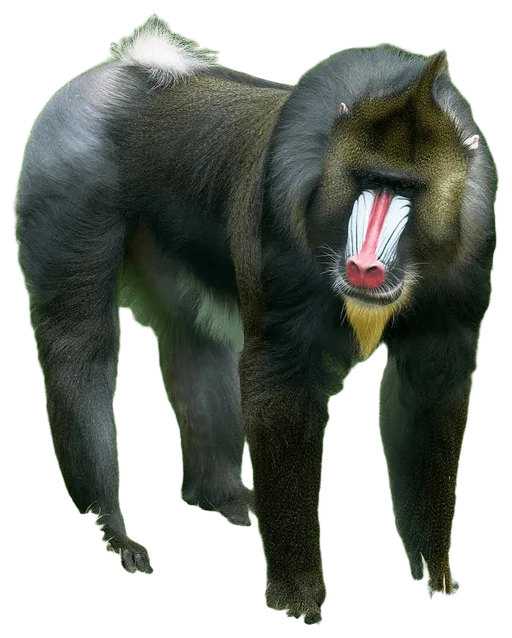 L vs Tibetan MastiffLoses · 55% · Toss-up
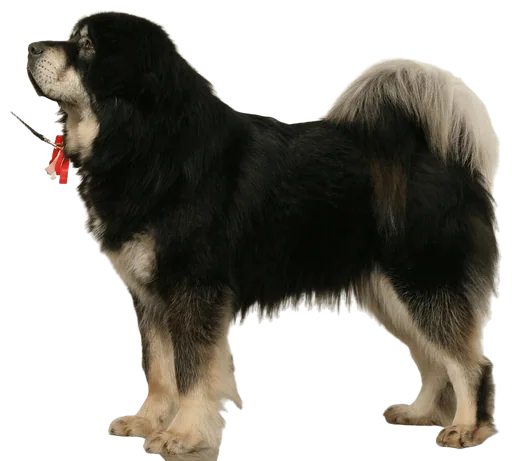 L vs OkapiLoses · 64% · Slight edge
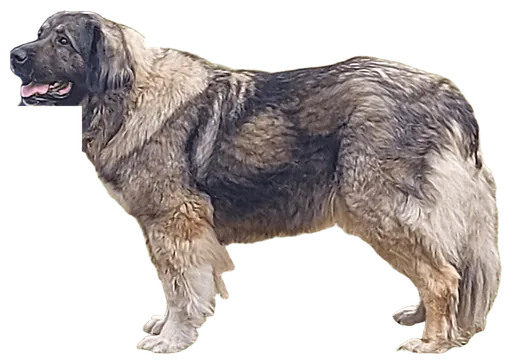
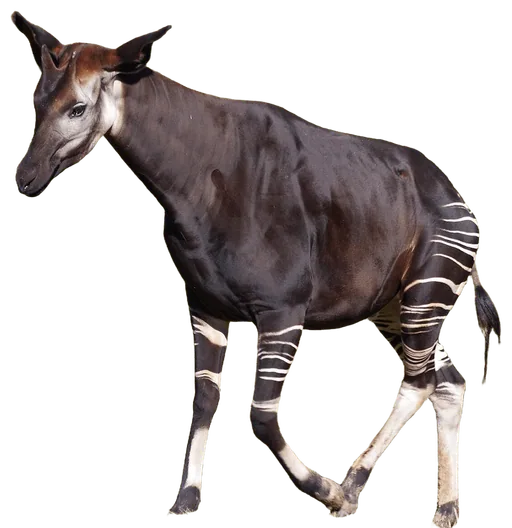 L vs Caucasian Shepherd DogLoses · 56% · Toss-up
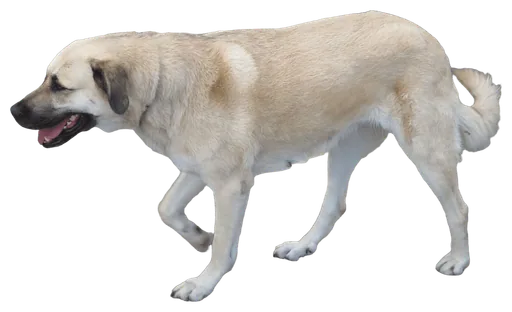
 L vs KangalLoses · 55% · Toss-up
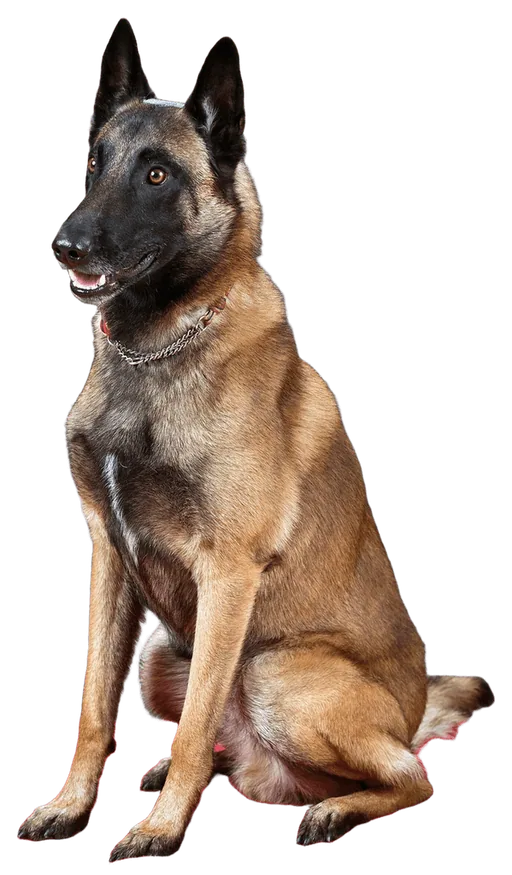
 L vs Belgian MalinoisLoses · 52% · Toss-up
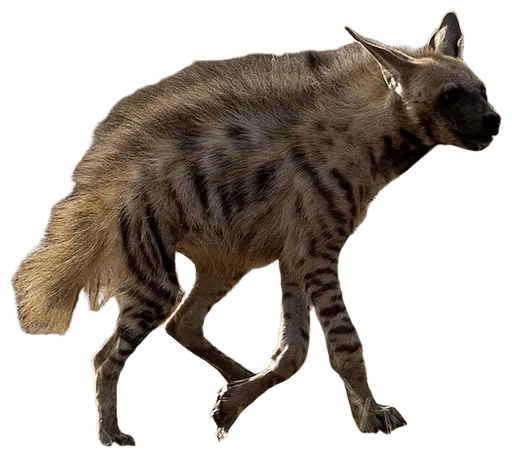
 L vs Striped HyenaLoses · 53% · Toss-up
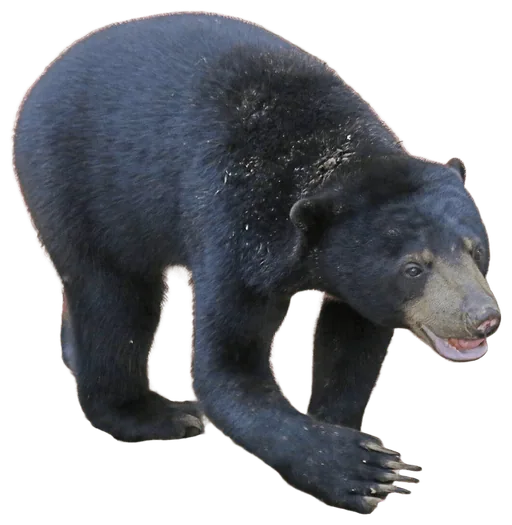
 L vs Sun BearLoses · 54% · Toss-up
 L
Proboscis Monkey battle analysis
The proboscis monkey is built around the river margin. In the canopy it walks, suspends and leaps; at the water's edge it can commit to a route most monkeys would avoid, diving from branches and swimming across channels. That versatility matters more in a matchup than the animal's famous nose. A healthy adult male is large for a colobine at roughly 21 kg, but it is not a primate bruiser on the scale of a baboon, chimpanzee or gorilla. Field observations repeatedly show low rates of physical aggression. Its best battle plan is positional: use height, branches, water and social awareness to avoid a bad engagement, then bite or grapple only if cornered.
The enormous male nose is biologically important without being a weapon. It functions in display and vocal resonance, contributing to the deep honks and other calls used in dense habitat. The same male may act as a defensive focal point for a one-male unit, confronting an intruder while others retreat. Yet the monkey's strongest ABS identity remains mobility. Few roster primates can combine canopy movement with confident river crossing and short underwater travel.
Habitat & range
Endemic to Borneo, including parts of Indonesia, Malaysia and Brunei. Strongly associated with mangroves, riverine forest, swamp forest and lowland forest near water.
Diet & hunting
Primarily leaves, seeds and unripe fruit, with diet varying seasonally. Foregut fermentation allows use of fibrous plant material. Fruit availability influences daily path length. It is not a meaningful predatory species.
Social life
One-male groups commonly contain an adult male, several females and offspring; all-male groups also occur, and units may aggregate near rivers/sleeping sites. Observed within-group aggression is low. Resident-male changes can occur without the severe fighting seen in some other primates.
Conservation
The species is Endangered and CITES Appendix I. Habitat destruction/fragmentation and hunting have driven major declines. ESABII's IUCN-derived summary reports a decline greater than 50% over approximately three generations.
Quick answers
How strong is a Proboscis Monkey?
On the Animal Battle Stats scale, the Proboscis Monkey has an attack rating of 34 and a power index of 54.1 out of 100, which ranks it #119 of 344 animals and puts it in B tier (Strong). Its strongest stat is agility (85).
How much does a Proboscis Monkey weigh?
A typical adult Proboscis Monkey weighs about 21.2 kg (47 lb). Rated specimen: healthy prime adult male, because this is one of the most sexually dimorphic colobines and adult males average about twice female mass.
How fast is a Proboscis Monkey?
There is no reliable measured top speed for the Proboscis Monkey, so we do not publish one. Its agility rating, which covers acceleration, reflexes and evasion, is 85 out of 100.
What does a Proboscis Monkey eat?
Primarily leaves, seeds and unripe fruit, with diet varying seasonally. Foregut fermentation allows use of fibrous plant material. Fruit availability influences daily path length. It is not a meaningful predatory species.
Is the Proboscis Monkey endangered?
The Proboscis Monkey's conservation status is Endangered. The species is Endangered and CITES Appendix I. Habitat destruction/fragmentation and hunting have driven major declines. ESABII's IUCN-derived summary reports a decline greater than 50% over approximately three generations.
What animals can beat a Proboscis Monkey?
Among its closest rivals, the Mandrill (52%), the Tibetan Mastiff (55%), the Okapi (64%), the Caucasian Shepherd Dog (56%), the Kangal (55%), the Belgian Malinois (52%), the Striped Hyena (53%), the Sun Bear (54%) would be favored against the Proboscis Monkey. It would be favored against none of them.
Researched 2026-09-27. Ratings are editorial judgments built from these sources; measurements describe a healthy adult male.
- Harding, Mammalian Species (2015), Nasalis larvatusTaxonomy, mass, dimorphism, morphology, locomotion, swimming, behavior, calls, daily movement
- Animal Diversity WebRange, habitat, sex-specific dimensions, webbed digits
- Wisconsin National Primate Research Center, Primate Info NetMale/female length, mass, longevity, social behavior
- Stark et al., International Journal of PrimatologyModern field behavior, crocodile context, adult age-sex classes, boat stress
- ESABII IUCN-derived species pageConservation
- Wikimedia Commons / Bernard DupontImage provenance
Photo: “Portrait of a Proboscis Monkey.jpg” by Bjørn Christian Tørrissen, CC BY-SA 3.0, background removed and cropped. Original
Suggest a correction