

Portuguese Man o' War
Physalia physalis
 #258 of 273
  Ocean Passive Killer Not Evaluated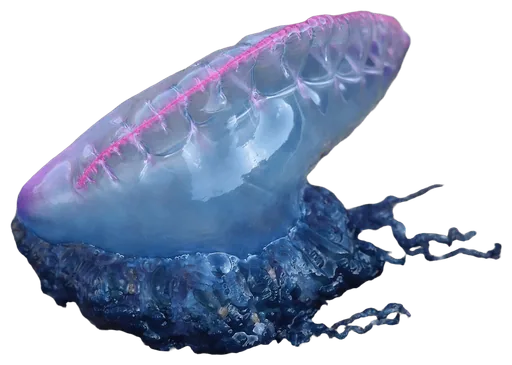
 Fight
FightPhoto: Fernando Losada Rodríguez · CC BY-SA 4.0
The Portuguese man o' war is not a jellyfish but a floating colony of specialised zooids that sails on the wind under a gas-filled float. Its stinging tentacles average about 10 m and can reach 30 m, making contact extremely painful and occasionally dangerous. It cannot swim, see or chase, so it wins only when an opponent blunders into its curtain.
 Attack38
  Defense13
  Agility6
  Stamina36
  Intelligence5
  Special90
 Detailed ratings
Research-backed ratings on one 0–100 scale for all 273 animals (updated 2026-09-28). How ratings work
Special abilities
Ability 1Ten-Meter Sting CurtainFishing tentacles averaging 10 m (up to 30 m) carry vast numbers of nematocysts that fire venom on contact, then contract to haul prey up to the feeding polyps. Any opponent that swims into, bites or grabs the colony takes stings along a long stretch of skin.
 Ability 2Deflate and Dive
The gas-filled float can be deflated so the colony sinks briefly below the surface, a simple escape from attacks at the surface.
Unique traits
 TraitColony, Not a Jellyfish
Each man o' war is a siphonophore colony of genetically identical zooids with separate jobs (float, stinging tentacles, feeding polyps, reproductive units) that function together as one organism.
TraitLiving SailboatThe float acts as a sail and the tentacles as a drag anchor, so the colony travels by wind alone; left-handed and right-handed forms drift to opposite sides of the wind, and the float gas can contain up to about 13% carbon monoxide produced by a gas gland.
How it fights
Weapons
- The only weapon is the tentacle curtain. Fishing tentacles averaging 10 m hang below the float and are loaded with nematocysts that fire on contact. After a strike, the tentacles contract and lift prey up to the gastrozooids, which digest it. There is no secondary weapon: no jaws, no beak, no spines.
 Struggles vs
- No mobility of its own; it cannot pursue or escape except by sinking briefly.
- Soft body with no armour.
- Venom is rarely lethal to large animals.
- Several predators ignore or exploit the stings: loggerhead turtles (skin too thick for the stings), ocean sunfish, the blue sea slug Glaucus atlanticus and blanket octopuses.
- Useless on land; stranded colonies can still sting but cannot act.
- Weight
- 200 g7.1 oz
- Height
- 15 cm5.9 in
- Length
- 10 m32.8 ft
- Top speed
- No reliable measurement
- Bite force
- No reliable measurement
- Lifespan
- 1 years
- Home biome
- Ocean
- Lifestyle
- Mostly solitary
Rated specimen: A mature, healthy colony with a float about 20 cm long and fishing tentacles extended to about 10 m, the NOAA average.
Fun facts
- It is not one animal in the usual sense but a colony of genetically identical zooids working as one.
- Its fishing tentacles average about 10 m and can reach 30 m.
- It has no engine: the float is a sail, and the tentacles act as a drag anchor.
- Colonies come in left-handed and right-handed forms that drift to opposite sides of the wind.
- The float gas can contain up to about 13% carbon monoxide, made by the animal itself.
- The blue sea slug Glaucus atlanticus eats it and reuses its unfired stinging cells for its own defense.
Closest rivals by power. Tap one for the full breakdown, or pick any opponent.
vs SalamanderWins · 50% · Toss-up  W vs SwanWins · 52% · Toss-up
  W vs WallabyLoses · 51% · Toss-up
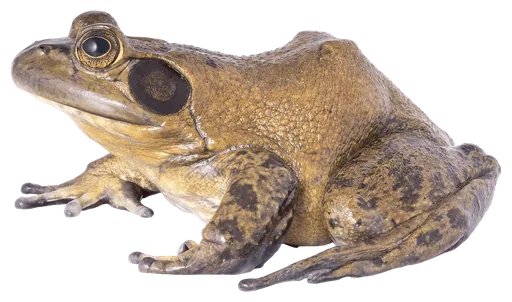
  L vs BullfrogLoses · 52% · Toss-up
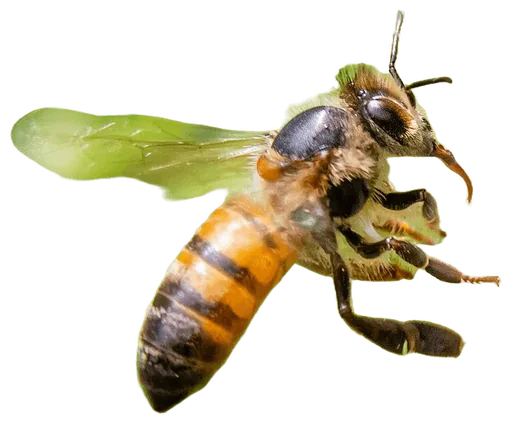
  L vs Africanized Honey BeeLoses · 53% · Toss-up
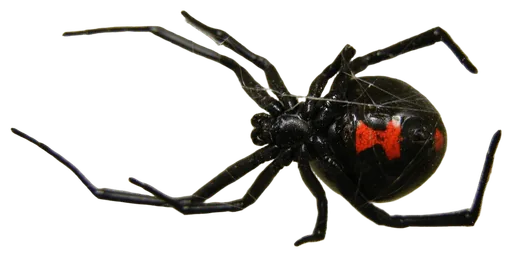
  L vs Black WidowLoses · 53% · Toss-up
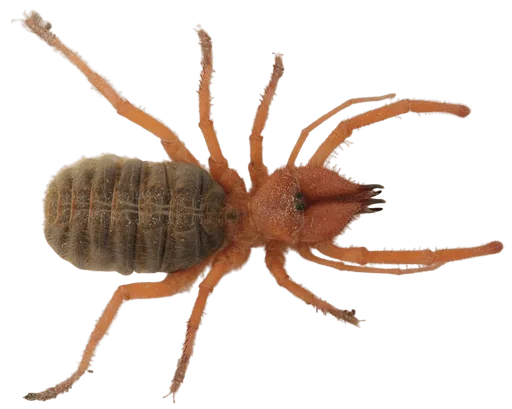
  L vs Camel SpiderLoses · 53% · Toss-up
  L vs SlothLoses · 53% · Toss-up
  L
L  Pick any opponent
 Portuguese Man o' War battle analysis
The Portuguese man o' war is one of the ocean's strangest fighters. What looks like a single jellyfish is a colony of genetically identical zooids, each with a job: one forms the float, some carry stinging tentacles, others digest prey or reproduce. Together they behave as one organism, drifting on the sea surface under a translucent blue or violet sail.
Its weapon is reach. Fishing tentacles average about 10 m and can trail as far as 30 m, and each carries huge numbers of nematocysts, tiny capsules that fire venom on contact. Small fish that swim into the curtain are paralysed and hauled up to the feeding polyps. For larger animals, including people, a brush with the tentacles means severe burning pain and welts; deaths have been recorded but are rare. On the absolute battle scale, that makes it a formidable passive trap rather than a killer of large animals.
Everything else is a weakness. It cannot swim, steer, see or think, and its body is soft. Its only escape trick is to deflate the float and sink for a while. Loggerhead turtles eat it through thick skin, ocean sunfish take it, blanket octopuses tear off its tentacles to use as weapons, and a small blue sea slug even recycles its stinging cells. The man o' war scores very high in Special and Weaponry, but in Agility and Intelligence it sits at the bottom of the roster.
Habitat & range
It lives at the surface of the open ocean, mainly in the Atlantic Ocean and the Indian Ocean in warm and temperate waters, and is regularly blown onto coasts. It has also appeared in the Mediterranean, where scientists have asked whether it is an occasional visitor or an established presence. Strandings are strongly driven by wind direction and strength.
Diet & hunting
It feeds mainly on small fish and fish larvae, plus other small drifting animals caught by the tentacles. It is itself eaten by loggerhead sea turtles, ocean sunfish, the blue sea slug Glaucus atlanticus (which stores the unfired stinging cells in its own body for defense) and blanket octopuses (which tear off tentacles and carry them as weapons). The man-of-war fish Nomeus gronovii is partly resistant to the stings and lives among the tentacles.
Social life
Not social in the usual sense. Each colony is one organism made of many zooids. Large numbers can drift together because wind gathers them, sometimes 1,000 or more according to NOAA.
Conservation
Not Evaluated: no IUCN Red List assessment was located in this pass. The species is widespread and abundant, with frequent mass strandings.
Quick answers
How strong is a Portuguese Man o' War?
On the Animal Battle Stats scale, the Portuguese Man o' War has an attack rating of 38 and a power index of 29.2 out of 100, which ranks it #258 of 273 animals and puts it in F tier (Snack). Its strongest stat is special (90).
How much does a Portuguese Man o' War weigh?
A typical adult Portuguese Man o' War weighs about 200 g (7.1 oz). Rated specimen: a mature, healthy colony with a float about 20 cm long and fishing tentacles extended to about 10 m, the NOAA average.
How fast is a Portuguese Man o' War?
There is no reliable measured top speed for the Portuguese Man o' War, so we do not publish one. Its agility rating, which covers acceleration, reflexes and evasion, is 6 out of 100.
What does a Portuguese Man o' War eat?
It feeds mainly on small fish and fish larvae, plus other small drifting animals caught by the tentacles. It is itself eaten by loggerhead sea turtles, ocean sunfish, the blue sea slug Glaucus atlanticus (which stores the unfired stinging cells in its own body for defense) and blanket octopuses (which tear off tentacles and carry them as weapons). The man-of-war fish Nomeus gronovii is partly resistant to the stings and lives among the tentacles.
Is the Portuguese Man o' War endangered?
The Portuguese Man o' War's conservation status is Not Evaluated. Not Evaluated: no IUCN Red List assessment was located in this pass. The species is widespread and abundant, with frequent mass strandings.
What animals can beat a Portuguese Man o' War?
Among its closest rivals, the Wallaby (51%), the Bullfrog (52%), the Africanized Honey Bee (53%), the Black Widow (53%), the Camel Spider (53%), the Sloth (53%) would be favored against the Portuguese Man o' War. It would be favored against the Salamander, the Swan.
Researched 2026-09-28. Ratings are editorial judgments built from these sources; measurements describe a healthy adult.
- NOAA Ocean Service, What is a Portuguese Man o' War?identity, float height, tentacle length, colony structure
- Animal Diversity Web, Physalia physaliszooid types, tentacles, nematocysts
- Munro et al., Scientific Reports (2019), morphology and developmentcolony structure, development, float size
- Iosilevskii & Weihs, Hydrodynamics of sailing (PubMed)locomotion
- Ferrer et al. 2024, wind and morphology effects on drift (Marine Pollution Bulletin)drift angle, handedness
- Drifting dynamics of the bluebottle, Ocean Science (2021)drift speed
- Relationship between dimorphism and drift (Continental Shelf Research)handedness
- Wittenberg, Source of carbon monoxide in the float, J Exp Biol (1960)float gas
- Isolation of a haemolytic toxic protein from nematocyst venom (PubMed)venom
- Fatal Portuguese man-o'-war envenomation (PubMed)human fatality
- Bañón-Boulet, toxicity of Physalia physalis: systematic review, Int Marit Healthhuman effects
- Portuguese man-of-war envenomation (PubMed)symptoms, treatment
- Outbreak of man-of-war envenoming in southeastern Brazilhuman interaction
- Man-of-war envenomation on the Aquitaine coast of Francehuman interaction
- Drosophila model of Physalia venom bioactivity (PMC)venom research
- Physalia physalis in the Mediterranean (PMC)range
- IERE, What can eat a man-of-war?predators
- Wikipedia, Portuguese man o' warfloat dimensions, CO content, deflation, predators, lifespan
- MarLIN species accountgeneral species facts
- Wikimedia Commons, Portuguese Man-O-War fileimage candidate
Photo: “Physalia physalis.009 - Praia do Ril (Burela).jpg” by Fernando Losada Rodríguez, CC BY-SA 4.0, background removed and cropped. Original
Suggest a correction