
Porcupine
Erethizon dorsatumB tier · Strong65th of 163 mammals
Size & speed

- Weight
- 10.5 kg23 lb
- Length
- 80 cm31.5 in
As heavy as 2.3 house cats
Heavier than 47% of animalsAbout 2.7 rulers long
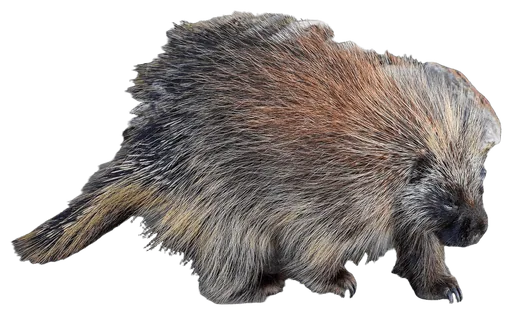
Bigger than 38% of animalsThe North American porcupine is a slow 10-kilogram herbivore transformed into a dangerous close-contact target by roughly 30,000 detachable barbed quills. It cannot shoot them, but it can erect the quills, turn its protected back toward an attacker and lash with its tail. Microscopic barbs make embedded quills unusually easy to drive in and difficult to pull out, giving the porcupine elite Special and strong Defense despite modest speed and raw power.
Detailed ratings
Research-backed ratings on one 0–100 scale for all 344 animals (updated 2026-09-27). How ratings work


Card No. 102 of 344. Every animal on Animal Battle Stats has one: its power, tier and archetype on the front; its six battle stats, abilities and signature move on the back.
Special abilities
Backward-facing microscopic barbs lower penetration force and strongly resist withdrawal once a quill enters tissue, experimentally validating a high-impact contact defense.
The animal erects detachable quills, turns its protected posterior toward danger and lashes the muscular tail to drive quills into an approaching attacker.
Unique traits
Roughly 30,000 modified hairs create dense dorsal and posterior coverage while leaving the belly and much of the face as meaningful weak points.
Unlike a hibernator, the porcupine remains active through severe northern winter and survives low-quality forage by lowering energy expenditure and drawing on seasonal fat reserves.
How it fights
Weapons
- The primary combat system is the erectile barbed-quill field plus muscular tail delivery. A threatened animal raises the quills, turns its protected back toward danger and can lash the thick tail into an approaching face or limb. The quills detach on contact rather than being shot. SUNY ESF describes the muscular tail as capable of driving quills into an opponent.
- Secondary weapons are the rodent incisors and claws. These can wound at close range, but the animal is a herbivore and is not built to deliver predator-style killing bites.
Struggles vs
- Open ground exposes poor terrestrial speed and acceleration.
- Face and belly are not protected by the dense quill field.
- Quills require contact and cannot be fired at range.
- Large crushing attacks can overwhelm the protection without needing to delicately bite through it.
- Agile specialists can repeatedly reposition around the tail and attack vulnerable anatomy.
- Weight
- 10.5 kg23 lb
- Height
- No reliable measurement
- Length
- 80 cm31.5 in
- Top speed
- No reliable measurement
- Bite force
- No reliable measurement
- Lifespan
- 15 years
- Home biome
- Forest
- Lifestyle
- Mostly solitary, nocturnal
Rated specimen: Healthy prime mature male, 10.5 kg, 80.0 cm total length.
Fun facts
- A North American porcupine carries roughly 30,000 quills.
- The microscopic barbs do not merely make quills hard to remove; experiments found they also make tissue penetration easier.
- Porcupines can climb trees and swim despite their slow, heavy-looking terrestrial gait.
- They do not hibernate and can remain active through extremely cold northern winters.
- Males use an unusual urine-spraying courtship ritual before mating.
- A specialized quill-release mechanism makes erected quills easier to leave behind after predator contact.
Closest rivals by power. Tap one for the full breakdown, or pick any opponent.
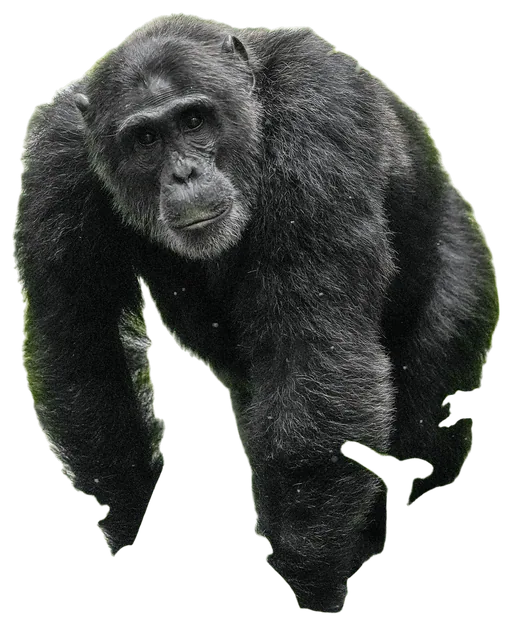
vs DholeLoses · 53% · Toss-up 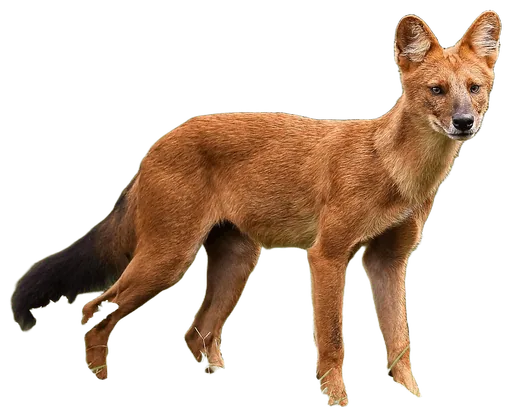 L vs ChimpanzeeLoses · 59% · Slight edge
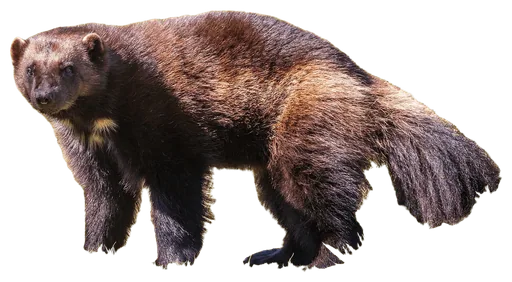
 L vs WolverineLoses · 53% · Toss-up
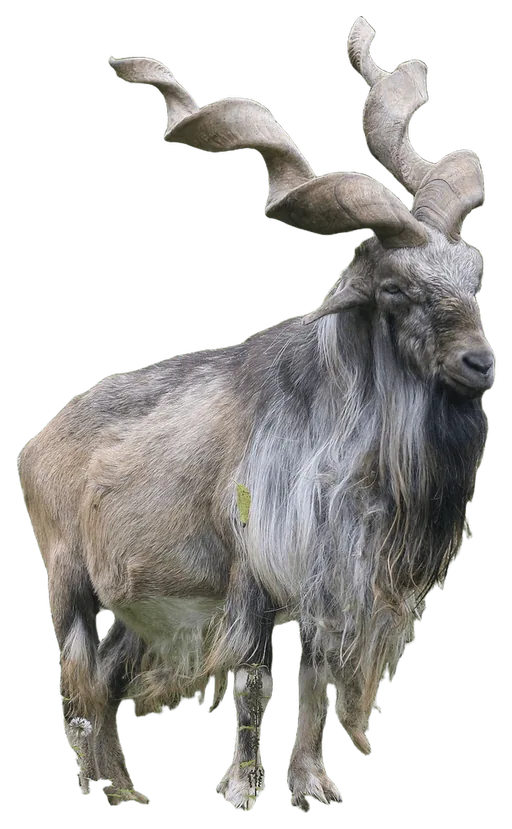
 L vs MarkhorLoses · 63% · Slight edge
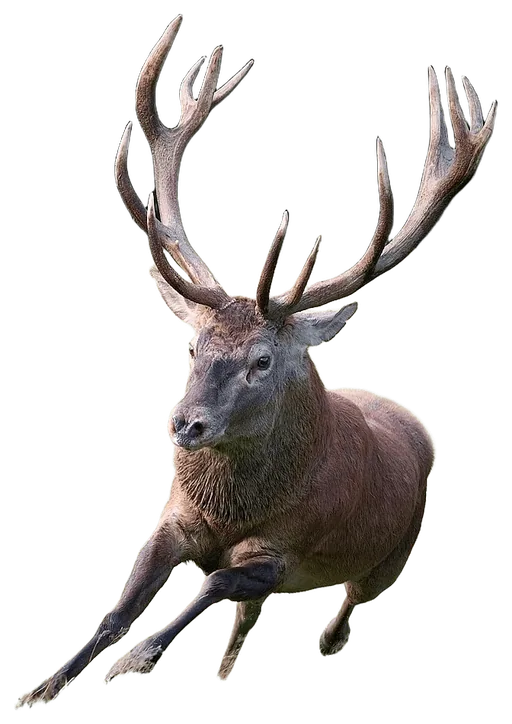
 L vs Red DeerLoses · 66% · Slight edge
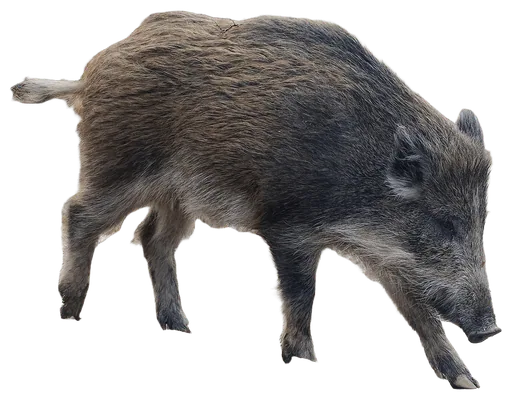
 L vs Wild BoarLoses · 63% · Slight edge
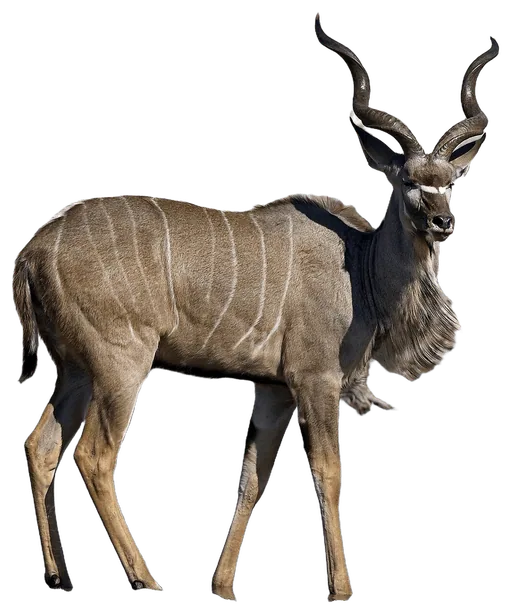
 L vs KuduLoses · 68% · Slight edge
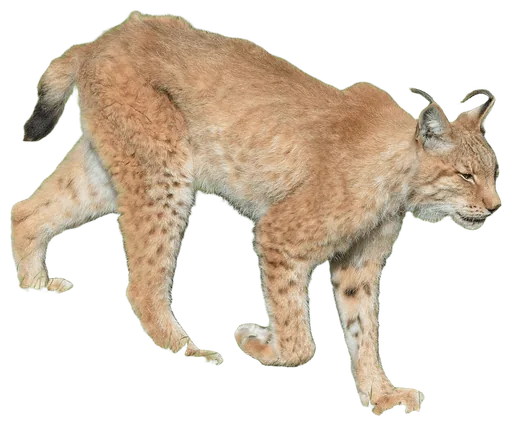
 L vs LynxLoses · 54% · Toss-up
 L
Porcupine battle analysis
The North American porcupine is an example of why ABS must separate raw power from matchup-changing biology. At roughly ten kilograms, it cannot compete physically with wolves, big cats, bears or megafauna. Its short legs and deliberate gait are liabilities in an open arena, and its incisors are feeding tools rather than carnivore weapons. If judged only by mass and speed, it would be a low-tier combatant.
Its quills radically alter that picture. The dorsal surface is covered by tens of thousands of detachable modified hairs, and the tips of those quills carry microscopic backward-facing barbs. Controlled experiments show that the barb geometry both reduces the force needed to enter tissue and increases retention after penetration. The porcupine does not need to overpower a biting predator if the predator's normal attack route becomes self-punishing.
The defense is active enough to matter tactically. A threatened porcupine can warn, attempt escape, erect its quills, turn the dangerous posterior toward the threat and lash its muscular tail. Yet this system has exploitable geometry. The face and belly remain vulnerable, and fishers demonstrate the counterstrategy in nature by using superior agility to attack from the front and eventually reach the underside. Large crushing opponents can also bypass the quill system's intended deterrent effect.
That combination produces an unusual ABS profile: low-to-moderate absolute Attack and mobility, strong Defense, and elite Special. The quills are not counted again as high Raw Power or Ferocity. Cold tolerance and winter activity support Stamina, but metabolic conservation is not mistaken for high-speed athletic endurance. The result preserves both the porcupine's remarkable biology and the enormous physical gap between it and large predators or megafauna.
Habitat & range
North American porcupines occupy much of Canada and Alaska, broad portions of the United States and northern Mexico. Coniferous and mixed forests are core habitat, but the species also occurs in grassland, shrub and tundra settings where suitable vegetation and shelter exist.
Diet & hunting
The species is a generalist herbivore. Winter foods include evergreen needles, bark, twigs and cambium; warmer-season diets expand to leaves, buds, grasses, roots, stems, berries, seeds and other plant material. Sodium limitation can drive gnawing on bones, antlers, wooden tool handles and salt-contaminated objects. Plant choice can track nutrient and defensive-chemical differences.
Social life
Porcupines are primarily solitary. Breeding occurs in autumn/early winter and courtship is elaborate. Gestation is approximately seven months, exceptionally long for a rodent, and females normally produce a single precocial porcupette. ADW reports sexual maturity around 25 months in females and 29 months in males.
Conservation
Smithsonian lists the species as Least Concern and not globally threatened, although local hunting/persecution and predator dynamics can alter populations.
Quick answers
How strong is a Porcupine?
On the Animal Battle Stats scale, the Porcupine has an attack rating of 35 and a power index of 56 out of 100, which ranks it #102 of 344 animals and puts it in B tier (Strong). Its strongest stat is special (92).
How much does a Porcupine weigh?
A typical adult Porcupine weighs about 10.5 kg (23 lb). Rated specimen: healthy prime mature male, 10.5 kg, 80.0 cm total length.
How fast is a Porcupine?
There is no reliable measured top speed for the Porcupine, so we do not publish one. Its agility rating, which covers acceleration, reflexes and evasion, is 48 out of 100.
What does a Porcupine eat?
The species is a generalist herbivore. Winter foods include evergreen needles, bark, twigs and cambium; warmer-season diets expand to leaves, buds, grasses, roots, stems, berries, seeds and other plant material. Sodium limitation can drive gnawing on bones, antlers, wooden tool handles and salt-contaminated objects. Plant choice can track nutrient and defensive-chemical differences.
Is the Porcupine endangered?
No. The Porcupine is listed as Least Concern. Smithsonian lists the species as Least Concern and not globally threatened, although local hunting/persecution and predator dynamics can alter populations.
What animals can beat a Porcupine?
Among its closest rivals, the Dhole (53%), the Chimpanzee (59%), the Wolverine (53%), the Markhor (63%), the Red Deer (66%), the Wild Boar (63%), the Kudu (68%), the Lynx (54%) would be favored against the Porcupine. It would be favored against none of them.
Researched 2026-09-27. Ratings are editorial judgments built from these sources; measurements describe a healthy adult male.
- Animal Diversity Web, Erethizon dorsatumtaxonomy, mass, length, dimorphism, quills, diet, behavior
- Smithsonian National Zoosize, quills, defense, climbing/swimming, lifespan, reproduction
- Cho et al. 2012, PNAS / PubMedquill microbarb biomechanics
- Cho et al. 2012, full PMC articlepenetration mechanism and ~4 mm functional tip zones
- Roze 2002, Journal of Mammalogyquill release
- Coltrane & Barboza 2011, Journal of Mammalogywinter body condition and energetics
- Coltrane & Barboza 2010, J Comp Physiol B / PubMedcold tolerance, winter diet
- DeMatteo & Harlow, PubMedadult male thermoregulation
- USGS, Dodge & Barnes 1975movement/home range
- Montalvo et al. 2021, Texas A&M NRIhabitat use
- NPS Jewel Cavemorphology, tail, diet, predators
- NPS Acadiadefensive sequence and fisher counterstrategy
- SUNY ESFtail strike and quill effects
- Wikimedia Commons, David A Mitchellimage candidate
- Animal Diversity Web image, Michael Kielbadult image evidence
Photo: “Erethizon dorsatum - Prince Rupert.jpg” by The Cosmonaut, CC BY-SA 2.5 ca, background removed and cropped. Original
Suggest a correction