
Polar Bear
Ursus maritimusS tier · Apex5th of 163 mammals
Size & speed

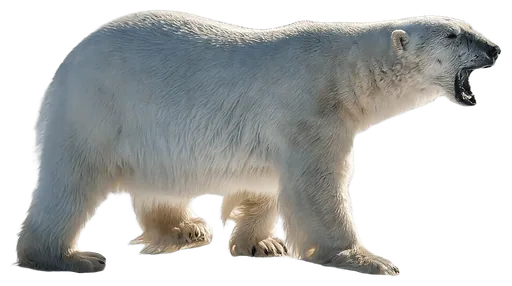
- Weight
- 500 kg1,102 lb
- Length
- 2.6 m8.5 ft
- Top speed
- 32 km/h20 mph
As heavy as 7.1 people
Heavier than 90% of animals1.5× a person's height
Bigger than 82% of animalsFaster than most people can sprint
Faster than 36% of animalsThe polar bear is a half-tonne Arctic marine predator built around ambush, grappling and endurance. A prime male combines enlarged canines, long recurved claws, massive paws and exceptional body depth with the patience to wait at seal breathing holes and the stamina to cross immense ice-and-water landscapes. Its greatest limitations are lack of armor, heat intolerance and extreme dependence on energy-rich marine prey.
Detailed ratings
Research-backed ratings on one 0–100 scale for all 344 animals (updated 2026-09-27). How ratings work


Card No. 9 of 344. Every animal on Animal Battle Stats has one: its power, tier and archetype on the front; its six battle stats, abilities and signature move on the back.
Special abilities
Powerful forequarters, claws and body mass let a polar bear break into seal birth lairs or control prey at ice edges, turning sea-ice structure into an offensive tool.
Up-to-30 cm paws serve as snowshoes, paddles and rudders while furred, papillated soles add traction, allowing effective movement across ice, snow and frigid water.
Unique traits
Exceptional adult-male mass is combined with a long-necked, streamlined marine-predator body rather than the more terrestrial build of other bears.
Seasonal seal feeding can build extraordinary fat stores that sustain long periods when prey is inaccessible, linking combat condition directly to Arctic seasonality.
How it fights
Weapons
- The primary weapon system is the jaw: enlarged canines seize and disable large marine prey while sharper carnassial/cheek teeth process flesh. Secondary weapons are enormous forelimbs and >5 cm recurved claws that hook, hold, rake and provide traction. At roughly half a tonne, body mass itself adds crushing, grappling and knockdown force.
Struggles vs
- No rigid armor.
- High energetic requirements and strong dependence on energy-rich prey.
- Poor heat tolerance relative to temperate/tropical opponents.
- Short-distance sprint capability does not equal high maneuverability.
- All weapons require close contact.
- Weight
- 500 kg1,102 lb
- Height
- 1.4 m4.6 ft
- Length
- 2.6 m8.5 ft
- Top speed
- 32 km/h20 mph
- Bite force
- No reliable measurement
- Lifespan
- 18 years
- Home biome
- Arctic
- Lifestyle
- Mostly solitary
Rated specimen: The canonical ABS fighter is therefore a prime adult male.
Fun facts
- The fur looks white but individual hairs are pigment-free/transparent and scatter visible light.
- Paws can reach roughly 30 cm across, functioning as snowshoes and swimming paddles.
- A tracked adult female completed a 687 km continuous swim lasting nine days, an extreme feat with severe energetic consequences.
- Only pregnant females routinely overwinter in maternity dens; unlike black and brown bears, adult males do not spend the whole winter hibernating in dens.
- Polar bears are classified as marine mammals because their ecology depends so strongly on sea ice and marine prey.
- Their footpads have papillae and fur that improve traction on ice.
Closest rivals by power. Tap one for the full breakdown, or pick any opponent.
vs HippopotamusLoses · 57% · Toss-up 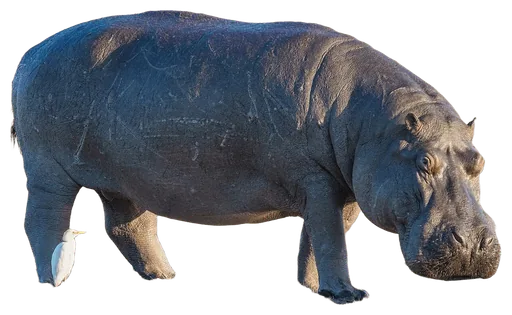 L vs False Killer WhaleLoses · 54% · Toss-up
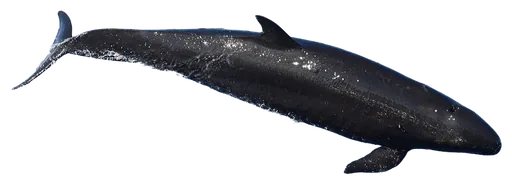 L vs Humpback WhaleLoses · 74% · Clear edge
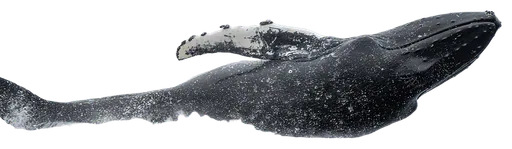 L vs Bowhead WhaleLoses · 74% · Clear edge
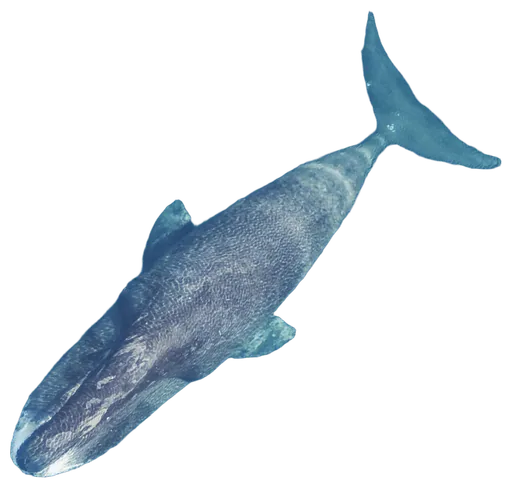 L vs Fin WhaleLoses · 71% · Clear edge
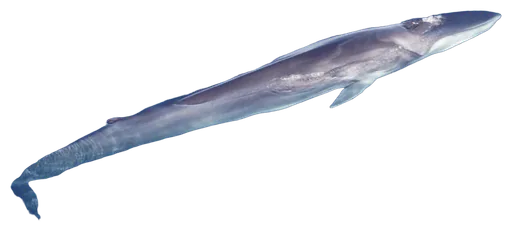 L vs RhinocerosLoses · 55% · Toss-up
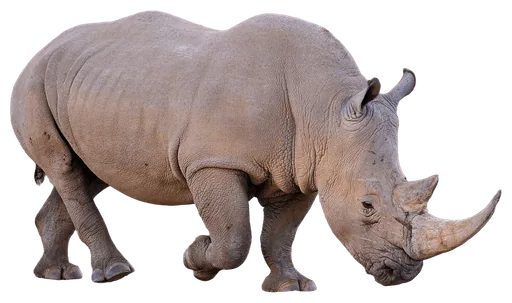 L vs Blue WhaleLoses · 80% · Clear edge
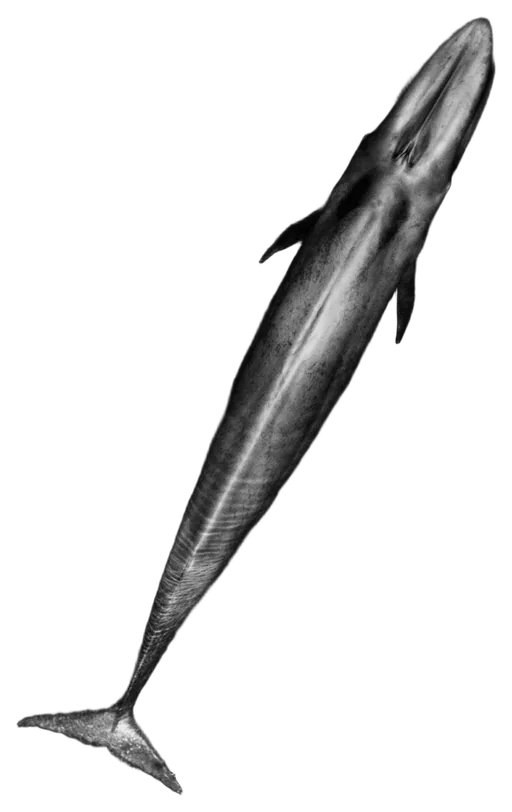 L vs Mako SharkWins · 56% · Toss-up
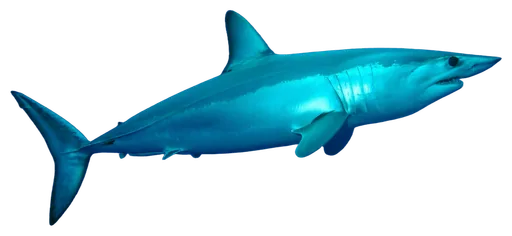 W
Polar Bear battle analysis
A polar bear is not merely a large bear transplanted onto ice. Its long neck and relatively streamlined head help it work breathing holes and ice edges, its dinner-plate paws distribute weight and propel it through water, and the soles combine fur and papillae for traction. The fighting system is built around getting close: approach quietly, rush, hook with the forequarters, bite and use hundreds of kilograms of body mass to control the target.
The species' most extraordinary performance is sustained survival and travel rather than explosive speed. Bears can cross immense distances of shifting sea ice, swim for days, accumulate enormous fat reserves during good hunting periods and fast when prey becomes inaccessible. Those same traits have costs. Heavy insulation makes hard running thermally expensive, long swims burn enormous energy, and a bear stranded away from seals can lose mass rapidly despite behavioral flexibility.
On the ABS absolute scale, the polar bear belongs well above the American black bear and most large cats in size, raw power, toughness and endurance. It still should not be compressed upward into elephant, hippo, giant crocodilian, orca or extinct-megafauna territory. Its high ratings arise from a rare combination of half-tonne carnivoran power, marine mobility, sensory hunting and endurance, not from reputation.
Habitat & range
Circumpolar Arctic sea ice and adjacent coasts across Alaska, Canada, Greenland, Norway and Russia. USFWS recognizes 19 subpopulations. Sea ice over continental shelves is especially important because it overlaps productive seal habitat.
Diet & hunting
Highly carnivorous, centered on ringed seals and bearded seals. Polar bears preferentially exploit energy-rich blubber and may take other pinnipeds, carrion, belugas or walruses opportunistically. Terrestrial foods such as vegetation, berries and birds can be eaten, but USGS research shows these foods generally do not compensate for the energetic loss of reduced seal access.
Social life
Usually solitary outside mother-cub units, temporary breeding associations and aggregations around concentrated food. Chemical communication through pedal scent helps widely dispersed animals locate reproductive information.
Conservation
USFWS estimates roughly 26,000 polar bears globally as of 2023 and recognizes 19 subpopulations. The species remains Threatened under the U.S. Endangered Species Act, while the IUCN classification is Vulnerable. Continued sea-ice loss is the central long-term threat, with status varying among subpopulations.
Quick answers
How strong is a Polar Bear?
On the Animal Battle Stats scale, the Polar Bear has an attack rating of 78 and a power index of 74.9 out of 100, which ranks it #9 of 344 animals and puts it in S tier (Apex). Its strongest stat is stamina (88).
How much does a Polar Bear weigh?
A typical adult Polar Bear weighs about 500 kg (1,102 lb). Rated specimen: The canonical ABS fighter is therefore a prime adult male.
How fast is a Polar Bear?
The Polar Bear's top speed is about 32 km/h (20 mph). Its agility rating is 62 out of 100.
What does a Polar Bear eat?
Highly carnivorous, centered on ringed seals and bearded seals. Polar bears preferentially exploit energy-rich blubber and may take other pinnipeds, carrion, belugas or walruses opportunistically. Terrestrial foods such as vegetation, berries and birds can be eaten, but USGS research shows these foods generally do not compensate for the energetic loss of reduced seal access.
Is the Polar Bear endangered?
The Polar Bear's conservation status is Endangered. USFWS estimates roughly 26,000 polar bears globally as of 2023 and recognizes 19 subpopulations. The species remains Threatened under the U.S. Endangered Species Act, while the IUCN classification is Vulnerable. Continued sea-ice loss is the central long-term threat, with status varying among subpopulations.
What animals can beat a Polar Bear?
Among its closest rivals, the Hippopotamus (57%), the False Killer Whale (54%), the Humpback Whale (74%), the Bowhead Whale (74%), the Fin Whale (71%), the Rhinoceros (55%), the Blue Whale (80%) would be favored against the Polar Bear. It would be favored against the Mako Shark.
Researched 2026-09-27. Ratings are editorial judgments built from these sources; measurements describe a healthy adult male.
- Polar Bears International, Adaptations & Characteristicssex-specific mass, shoulder height, paws, claws, fur, traction
- Polar Bears International, Life Cyclematurity, lifespan
- USFWS species profiletaxonomy, range, population, diet, life history
- International Association for Bear Research and Managementanatomy, speed, teeth, hunting
- Guinness World Recordstypical male size
- Alaska Sea Grantadult male length/mass
- USGS, Pagano 2021foraging, seasonal fat, ecology
- USGS, Durner et al. 2011endurance and cost
- USGS, Pagano et al. 2024energy, behavioral plasticity
- PubMed, Sasaki et al. 2000jaw biomechanics
- PubMed, Loch et al. 2022tooth structure
- PubMed, Nachtigall et al. 2007hearing
- USGS, Owen et al. 2015olfaction/communication
- USFWS 2023 status reviewconservation
- ADWdimorphism, reproduction, length range
- USGS adult-male imageimage age/sex/license
- Commons/USFWS male imagealternate image
Photo: “Polar bear after unlucky hunt for a seal.jpg” by Andreas Weith, CC BY-SA 4.0, background removed and cropped. Original
Suggest a correction