
Piranha
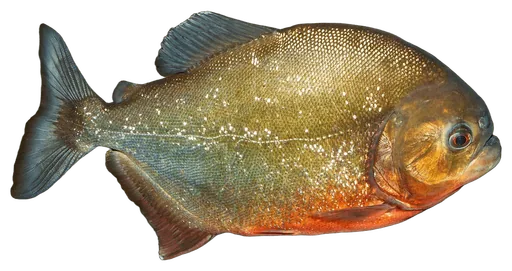
Pygocentrus nattereriC tier · Capable39th of 51 sea creatures
Size & speed
- Weight
- 1.2 kg3 lb
- Length
- 30 cm11.8 in
As heavy as 6 smartphones
Heavier than 22% of animalsAbout 1 rulers long
Bigger than 15% of animalsThe Red-bellied Piranha is a small freshwater cutter whose reputation exceeds its absolute size. A mature fish combines interlocking serrated teeth, quick aquatic maneuvering, vulnerable-target biting and sophisticated shoaling behavior. Its bite is formidable for a roughly kilogram-scale animal, but it has little armor and should never receive the combat power of an entire school in a one-animal matchup.
Detailed ratings
Research-backed ratings on one 0–100 scale for all 344 animals (updated 2026-09-27). How ratings work


Card No. 214 of 344. Every animal on Animal Battle Stats has one: its power, tier and archetype on the front; its six battle stats, abilities and signature move on the back.
Special abilities
Serrated triangular teeth meet in a blade-like arrangement that punctures and slices tissue efficiently, allowing a small fish to remove chunks rather than overpower prey by mass.
Observed predatory attacks exploit less-protected regions such as fins, caudal peduncle and opercular openings, increasing the practical value of repeated bites against imperfect armor.
Unique traits
Mature large individuals show non-random social positioning within shoals, supporting predator avoidance and context-dependent group behavior without treating the group as one fighter.
Specialized sonic muscles and the swimbladder produce behavior-linked acoustic signals, including a mechanism driven around 100 Hz.
How it fights
Weapons
- The primary weapon is a short, deep jaw armed with a single row of interlocking triangular cutting teeth. Rather than needing to swallow prey whole, the fish can seize and remove tissue. Experimental predator-prey work shows red-bellied piranhas preferentially succeed when bites reach vulnerable unarmored regions such as the opercular opening and caudal peduncle. Armored cory catfish survived 37% of confirmed bites without damage, demonstrating that famous teeth are not armor-piercing weapons.
- A piranha's useful attack sequence is approach, rapid burst, targeted bite, withdrawal or repeated bites. The fish can exploit fins, tails, eyes and exposed tissue. Against a much larger opponent, however, one 1.2 kg individual cannot be scored as though an entire shoal is present.
Struggles vs
- Any terrestrial arena or removal from water.
- Armored, thick-shelled or strongly scuted opponents.
- Much larger aquatic predators able to swallow or crush the fish.
- Opponents too fast or too well protected for repeated bites to accumulate damage.
- Reliance on close contact to inflict damage.
- Weight
- 1.2 kg3 lb
- Height
- No reliable measurement
- Length
- 30 cm11.8 in
- Top speed
- No reliable measurement
- Bite force
- No reliable measurement
- Lifespan
- 10 years
- Home biome
- Wetlands
- Lifestyle
- Social
Rated specimen: Healthy prime sexually mature adult, 1.2 kg, 30.0 cm total length.
Fun facts
- A 2026 biomechanical analysis found a modeled 0.728 kg P. nattereri posterior bite force of 42.0 N, illustrating how effective the jaw is without resorting to fake PSI.
- Juvenile voluntary bites in a 2023 experiment were far lower than stressed/restraint-derived measurements, showing how testing method changes the apparent “bite force.”
- Armored cory catfish survived 37% of confirmed juvenile piranha bites without damage in experimental encounters.
- Mature red-bellied piranhas can preferentially occupy the center of a shoal.
- The species produces multiple behavior-linked sounds using both swimbladder-associated and jaw mechanisms.
- Its natural diet includes plant foods, so the classic image of a strict meat-only predator is wrong.
Closest rivals by power. Tap one for the full breakdown, or pick any opponent.
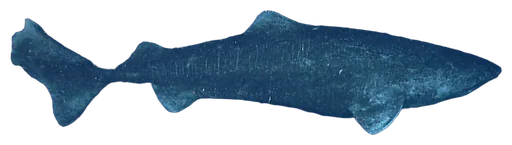
vs Wels CatfishLoses · 65% · Slight edge 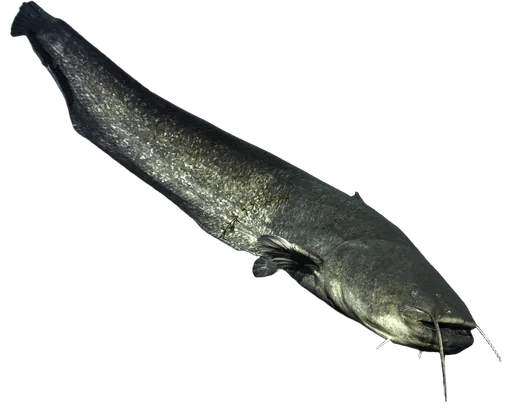 L vs Greenland SharkLoses · 81% · Clear edge
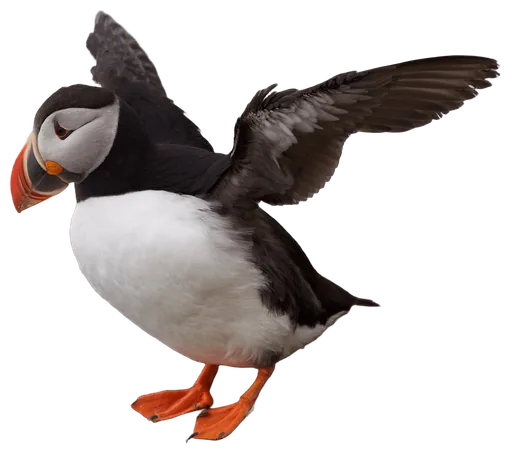
 L vs PuffinWins · 55% · Toss-up
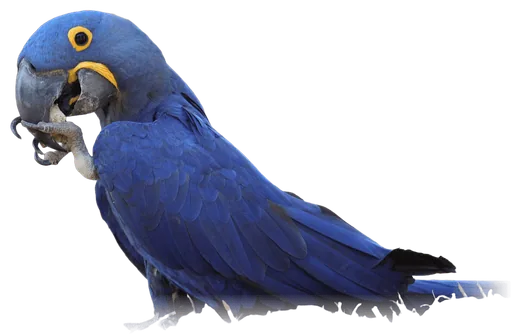
 W vs Hyacinth MacawLoses · 51% · Toss-up
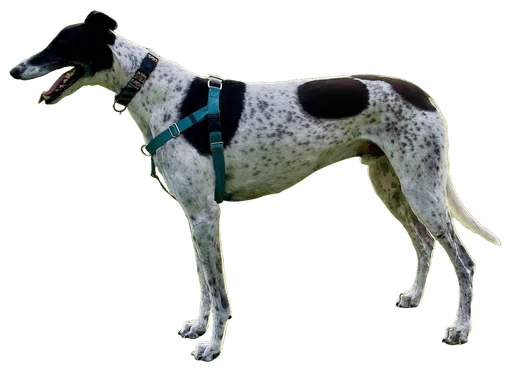
 L vs GreyhoundLoses · 68% · Slight edge
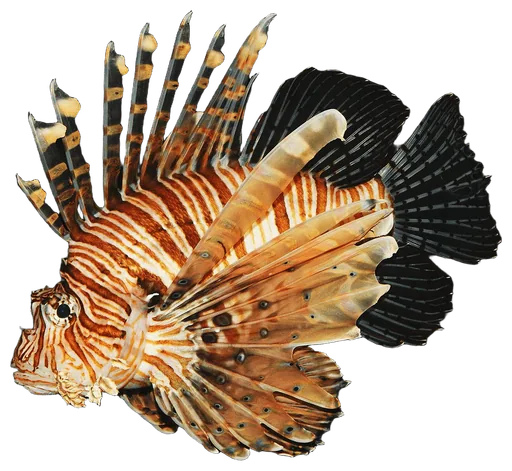
 L vs LionfishWins · 58% · Slight edge
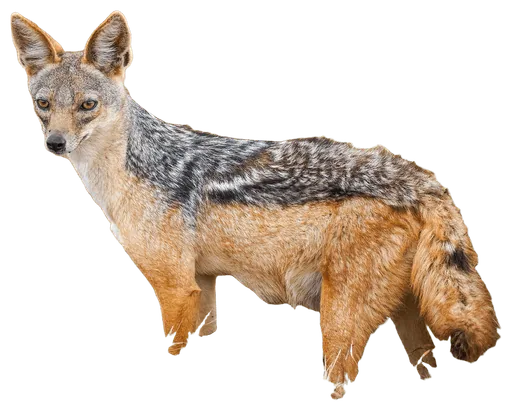
 W vs JackalLoses · 62% · Slight edge
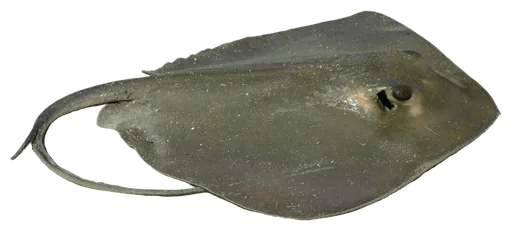
 L vs StingrayLoses · 71% · Clear edge
 L
Piranha battle analysis
The piranha's danger is mechanical precision rather than brute size. At only around 30 cm, it cannot wrestle with large predators, but it does not need mammalian mass to make its mouth effective. The jaw closes a row of sharp triangular teeth into a compact shearing system. A bite can puncture and slice exposed tissue, and repeated attacks can exploit fins, eyes, the tail base or other weak points.
That specialization also defines the limits. Experimental armored prey can survive bites by presenting protected surfaces, and a piranha remains a small fish vulnerable to larger aquatic predators. Shoaling helps solve that ecological problem, but ABS must not turn a defensive social strategy into multiplied individual attack power. The canonical animal is one fish.
Behaviorally, P. nattereri is also less cartoonish than its reputation. It chooses shoaling partners non-randomly, uses group position, produces context-linked sounds and can direct attacks toward vulnerable anatomy. It is simultaneously predator, scavenger, omnivore and prey. In a water-based matchup it is an agile specialist with a disproportionately effective cutting weapon. Outside water, its specialization becomes an overwhelming liability.
Habitat & range
Red-bellied piranhas occupy freshwater systems across tropical South America, including the Amazon, Paraguay-Paraná and Essequibo drainages and northeastern Brazilian coastal systems. Typical habitats include rivers, streams, lakes, floodplains and seasonally flooded forest. They commonly use vegetated or structurally complex water.
Diet & hunting
They are opportunistic generalists, not obligate flesh-only predators. Natural food includes fishes, aquatic invertebrates, insects, worms, crustaceans, carrion, seeds, nuts, fruits and other plant material. Their role therefore spans predation, scavenging and omnivorous foraging.
Social life
Shoaling is important and has a substantial antipredator component. Research on Amazon-caught fish found size-assorted social choices and mature individuals disproportionately occupying central shoal positions. Group living should not be confused with permanent coordinated pack hunting.
Conservation
The species is widespread and locally common. Conservation listings vary among databases, with some institutional sources treating it as not evaluated and general references listing Least Concern. It is harvested as food, caught by anglers and traded internationally as an aquarium fish. Human danger is heavily sensationalized: bites can be serious, but routine attacks on healthy humans are not the normal ecology of the species.
Quick answers
How strong is a Piranha?
On the Animal Battle Stats scale, the Piranha has an attack rating of 37 and a power index of 47 out of 100, which ranks it #214 of 344 animals and puts it in C tier (Capable). Its strongest stat is agility (82).
How much does a Piranha weigh?
A typical adult Piranha weighs about 1.2 kg (3 lb). Rated specimen: healthy prime sexually mature adult, 1.2 kg, 30.0 cm total length.
How fast is a Piranha?
There is no reliable measured top speed for the Piranha, so we do not publish one. Its agility rating, which covers acceleration, reflexes and evasion, is 82 out of 100.
What does a Piranha eat?
They are opportunistic generalists, not obligate flesh-only predators. Natural food includes fishes, aquatic invertebrates, insects, worms, crustaceans, carrion, seeds, nuts, fruits and other plant material. Their role therefore spans predation, scavenging and omnivorous foraging.
Is the Piranha endangered?
The Piranha's conservation status is Not Evaluated. The species is widespread and locally common. Conservation listings vary among databases, with some institutional sources treating it as not evaluated and general references listing Least Concern. It is harvested as food, caught by anglers and traded internationally as an aquarium fish. Human danger is heavily sensationalized: bites can be serious, but routine attacks on healthy humans are not the
What animals can beat a Piranha?
Among its closest rivals, the Wels Catfish (65%), the Greenland Shark (81%), the Hyacinth Macaw (51%), the Greyhound (68%), the Jackal (62%), the Stingray (71%) would be favored against the Piranha. It would be favored against the Puffin, the Lionfish.
Researched 2026-09-27. Ratings are editorial judgments built from these sources; measurements describe a healthy adult male.
- Bevilaqua, Freitas & Soares, growth/mortality studywild growth, size
- Garcia et al., 2026, Anatomical Recordsex/season body size
- MNHN, Muséum national d'Histoire naturelledimensions, lifespan, diet, range
- Oregon Zoosize, longevity, reproduction, diet
- Kolmann et al., 2023, Integrative Organismal Biologyvoluntary bite, adult literature bite, predation mechanics
- 2026 piranha biomechanics studymodeled bite force/stress
- Croft et al., Partner choice in piranha shoalssocial behavior, mature-fish positioning
- Millot, Vandewalle & Parmentier 2011acoustic behavior
- Seriously Fishdiet, teeth, adult size context
- ADW Tanya Dewey image recordimage adulthood, exact species
- Wikimedia Commons Karlsruhe Zoo imageimage species, resolution, license
Photo: “Pygocentrus nattereri - Karlsruhe Zoo 01.jpg” by H. Zell, CC BY-SA 3.0, background removed and cropped. Original
Suggest a correction