
Pangolin
Manis javanicaB tier · Strong82nd of 163 mammals
Size & speed

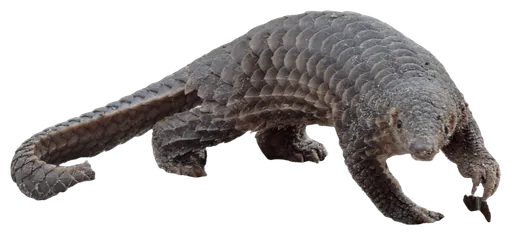
- Weight
- 7 kg15 lb
- Length
- 1.1 m3.6 ft
As heavy as 1.6 house cats
Heavier than 41% of animalsAbout 3.7 rulers long
Bigger than 50% of animalsThe Sunda pangolin is a 7 kg armored insect specialist whose battle value is almost entirely defensive. Its digging claws can injure at close range, but its defining move is to curl into a scale-covered ball that hides the vulnerable belly. It is far less dangerous offensively than similar-sized carnivores, yet unusually difficult for many small predators to damage.
Detailed ratings
Research-backed ratings on one 0–100 scale for all 344 animals (updated 2026-09-27). How ratings work


Card No. 132 of 344. Every animal on Animal Battle Stats has one: its power, tier and archetype on the front; its six battle stats, abilities and signature move on the back.
Special abilities
Curls into a tight ball that hides the soft underside and presents overlapping keratinized scales, sharply reducing access for many biting and clawing opponents.
Enlarged foreclaws breach compact insect nests and soil; in forced close contact they provide the animal's strongest direct natural weapon.
Unique traits
A scale-covered tail provides climbing support and can contribute to close-range defensive sweeping.
An edentulous skull, elongated sticky tongue and specialized digestive biology commit the animal to ants and termites rather than vertebrate predation.
How it fights
Weapons
- Absolute offense is low. A 7 kg pangolin has strong forelimbs and formidable excavation claws, but its normal strategy is digging and defense, not seizing vertebrate prey. It cannot bite. Tail swings and clawing can punish a close attacker, yet reach and damage potential remain far below similarly sized carnivores.
- Weight
- 7 kg15 lb
- Height
- No reliable measurement
- Length
- 1.1 m3.6 ft
- Top speed
- No reliable measurement
- Bite force
- No reliable measurement
- Lifespan
- No reliable measurement
- Home biome
- Forest
- Lifestyle
- Mostly solitary, nocturnal
Rated specimen: Healthy prime mature male, 7.0 kg, 110.0 cm total length.
Fun facts
- Pangolins are the only living mammals with this extensive armor of large overlapping keratin scales.
- Sunda pangolins have no teeth.
- ADW reports the tongue can extend about 25 cm.
- They can climb and swim as well as dig.
- A field-tracked female used three different natal dens while caring for one young.
- Controlled breeding research has produced three captive generations of M. javanica.
Closest rivals by power. Tap one for the full breakdown, or pick any opponent.
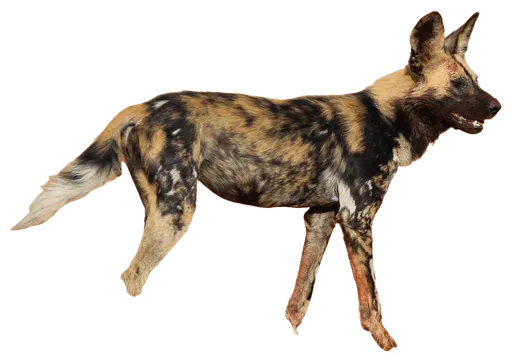
vs BonoboLoses · 60% · Slight edge 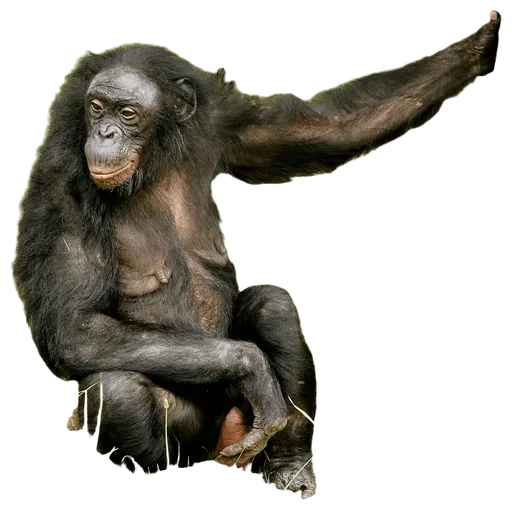 L vs African Wild DogLoses · 57% · Toss-up
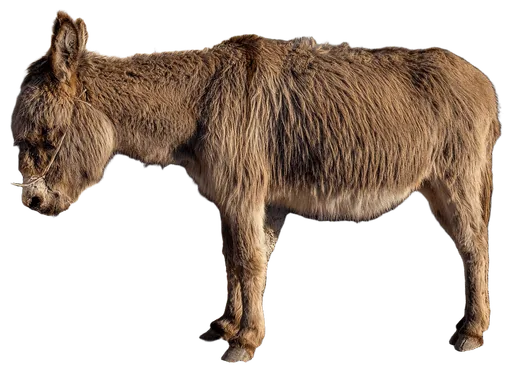
 L vs DonkeyLoses · 67% · Slight edge
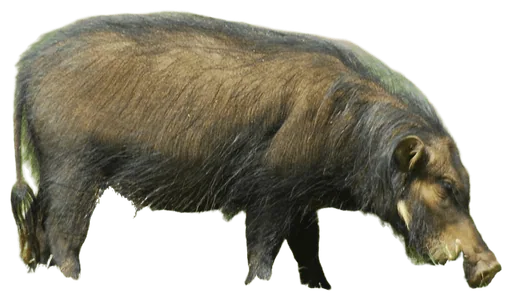
 L vs Giant Forest HogLoses · 69% · Slight edge
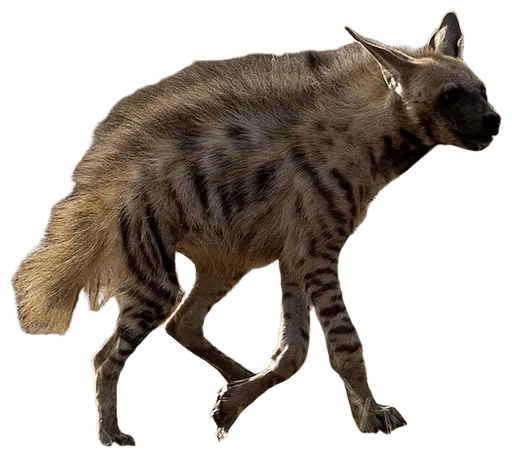
 L vs Striped HyenaLoses · 60% · Slight edge
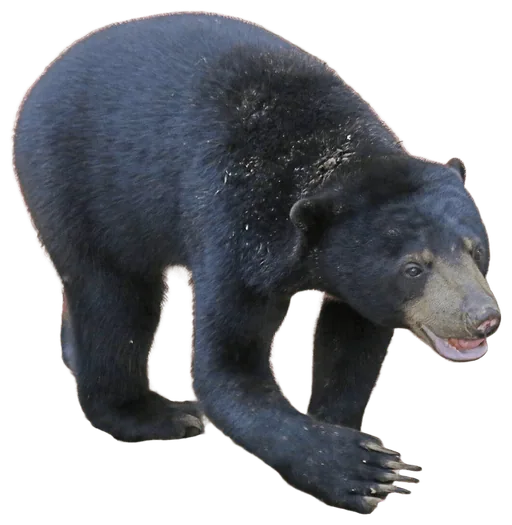
 L vs Sun BearLoses · 62% · Slight edge
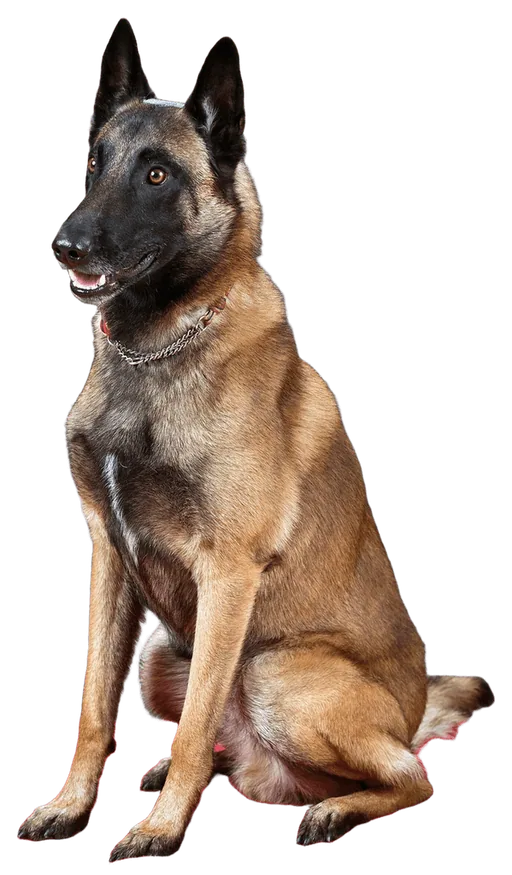
 L vs Belgian MalinoisLoses · 59% · Slight edge
 L vs German ShepherdLoses · 59% · Slight edge
 L
Pangolin battle analysis
The pangolin is a useful test of absolute ABS scaling because its most spectacular trait is not raw power. A mature male weighs only a few kilograms and lacks teeth, so its Attack must remain low beside cats, canids, apes and megafauna. Its forequarters are powerful because they excavate hardened insect nests, but proportional digging strength is not converted into imaginary large-animal striking force.
Defense is different. The overlapping keratinized scales and tight curl genuinely change how an opponent can attack. A predator that relies on shallow bites or claws may be unable to reach vulnerable tissue at all, while a much larger crushing or prying opponent can overwhelm the same system. That is why Defense and Special can be high without inflating Raw Power or Attack. The result is a specialist profile: difficult to hurt for its size, but poorly equipped to finish a serious large opponent.
Habitat & range
Sunda pangolins occur across Southeast Asia, including Myanmar, Thailand, Cambodia, Laos, Vietnam, Peninsular Malaysia, Singapore and major Sunda islands. They use primary/secondary forest, scrub and some agricultural landscapes.
Diet & hunting
They are specialized myrmecophages. A Thailand Natural History Museum study identified multiple ant taxa plus termites in fecal material, while a Zoo Biology experiment on adult M. javanica confirms the importance of ant/termite-associated chitin and soil in digestive management. Digging also contributes to soil disturbance/aeration.
Social life
Mostly solitary and nocturnal. A Singapore radio-telemetry study of a female and young documented one offspring, approximately 3–4 months of maternal care, three natal dens and a 95% home range of 5.63 ha. A 2021 captive-breeding study produced 49 offspring across three generations and found captive-born females could mature at 7–9 months and one male successfully fertilized a female at nine months, showing that older generalized two-year maturity claims are not universal.
Conservation
The Sunda pangolin is Critically Endangered and protected from international commercial trade under CITES Appendix I. Poaching for scales/meat and habitat loss are major threats. Its instinct to curl defensively, highly effective against natural attackers, makes an individual easy for a human to pick up and is therefore an ecological defense with an anthropogenic downside.
Quick answers
How strong is a Pangolin?
On the Animal Battle Stats scale, the Pangolin has an attack rating of 28 and a power index of 53.4 out of 100, which ranks it #132 of 344 animals and puts it in B tier (Strong). Its strongest stat is special (88).
How much does a Pangolin weigh?
A typical adult Pangolin weighs about 7 kg (15 lb). Rated specimen: healthy prime mature male, 7.0 kg, 110.0 cm total length.
How fast is a Pangolin?
There is no reliable measured top speed for the Pangolin, so we do not publish one. Its agility rating, which covers acceleration, reflexes and evasion, is 59 out of 100.
What does a Pangolin eat?
They are specialized myrmecophages. A Thailand Natural History Museum study identified multiple ant taxa plus termites in fecal material, while a Zoo Biology experiment on adult M. javanica confirms the importance of ant/termite-associated chitin and soil in digestive management. Digging also contributes to soil disturbance/aeration.
Is the Pangolin endangered?
The Pangolin's conservation status is Critically Endangered. The Sunda pangolin is Critically Endangered and protected from international commercial trade under CITES Appendix I. Poaching for scales/meat and habitat loss are major threats. Its instinct to curl defensively, highly effective against natural attackers, makes an individual easy for a human to pick up and is therefore an ecological defense with an anthropogenic downside.
What animals can beat a Pangolin?
Among its closest rivals, the Bonobo (60%), the African Wild Dog (57%), the Donkey (67%), the Giant Forest Hog (69%), the Striped Hyena (60%), the Sun Bear (62%), the Belgian Malinois (59%), the German Shepherd (59%) would be favored against the Pangolin. It would be favored against none of them.
Researched 2026-09-27. Ratings are editorial judgments built from these sources; measurements describe a healthy adult male.
- USFWS, Sunda Pangolintaxonomy
- USFWS, Pangolinseight-species context, ecology
- Animal Diversity Web, M. javanicadimensions, dimorphism, tongue, locomotion, lifespan uncertainty
- ADW genus Maniscomparative dimensions
- World Land Trust, Sunda Pangolindimensions, conservation
- Meyer et al. 2013, European Journal of Histochemistryscale biology
- Cabana & Tay 2020, Zoo Biology / PubMeddiet physiology
- Sonthichai et al., Thailand Natural History Museum Journalwild diet
- Lim & Ng 2008, Endangered Species Researchactivity, den use, home range
- Zhang et al. 2021, Communications Biologyreproduction
- Wikimedia Commonsimage provenance
Photo: “Manis javanica 544775179.jpg” by Ian Dugdale, CC BY 4.0, background removed and cropped. Original
Suggest a correction