

Pallas's Cat
Otocolobus manul
 #285 of 341
  Mountains Stealth Least Concern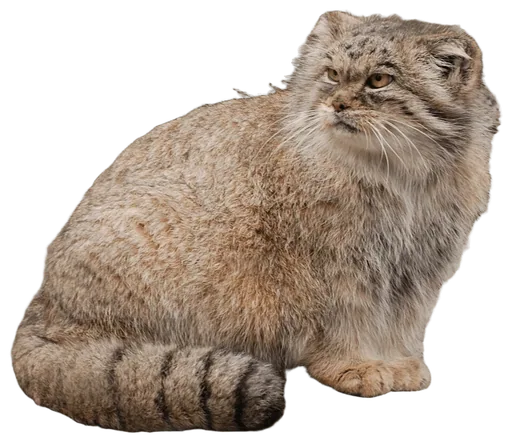
 Fight
FightPhoto: Winkelbohrer · CC BY-SA 2.0
A stocky, heavily furred wild cat of Central Asia's cold, rocky steppes, Pallas's cat ambushes pikas and voles from behind rocks and hides rather than runs. Its dense coat and camouflage suit it to harsh winters, but at 4 kg with short legs it is slow and weak in absolute combat terms.
 Attack21
  Defense17
  Agility60
  Stamina56
  Intelligence58
  Special64
 Detailed ratings
Research-backed ratings on one 0–100 scale for all 341 animals (updated 2026-09-28). How ratings work
Special abilities
Ability 1Rock-Peer AmbushIts low-set rounded ears let it look over a rock or ridge while exposing only a sliver of its head, so it can watch pika colonies and burrow exits unseen before pouncing. The same posture helps it avoid being spotted by foxes and eagles.
 Ability 2Crevice Vanish
When threatened it bolts into a rock crevice or den, or flattens and freezes beside rocks, relying on its grey coat for camouflage instead of speed. In rocky terrain this makes it hard to catch; in open ground it is exposed.
Unique traits
 TraitSteppe Winter Coat
Up to 9,000 hairs per cm², with underfur about 40 mm and guard hairs up to 69 mm long, and belly fur about twice as long as the fur on its back, suited to winters on the steppe and the Tibetan Plateau.
TraitRound-Pupil CatUnlike most small cats with slit pupils, its pupils close to small round discs in bright light, a feature it shares with the cougar, jaguarundi and cheetah.
How it fights
Weapons
- Pallas's cat is a specialist ambush hunter of pikas, voles, gerbils and ground squirrels. It stalks or waits at burrow exits and also hooks rodents out of shallow burrows with its paws (Wikipedia; National Zoo). ADW describes three hunting modes: stalking, flushing and ambushing. Its weapons are ordinary small-cat claws and bite on a 4 kg frame. In Sanjiangyuan, China, its diet is dominated by plateau pikas and small rodents (Animals, 2025). It is effective against animals of a few hundred grams and weak in absolute terms against anything larger.
 Struggles vs
- Poor runner; cannot outrun foxes, wolves, dogs or raptors in the open.
- Small mass; no armor beyond thick fur.
- Deep snow restricts it.
- Unusually vulnerable to disease in captivity, especially toxoplasmosis in kittens.
- Weight
- 4 kg9 lb
- Height
- No reliable measurement
- Length
- 55 cm21.7 in
- Top speed
- No reliable measurement
- Bite force
- No reliable measurement
- Lifespan
- 8.5 years
- Home biome
- Mountains
- Lifestyle
- Mostly solitary
Rated specimen: Healthy mature adult male, 4.0 kg, near the top of the usual 2.5–4.5 kg range (Wikipedia) and inside ADW's 2.5–5.0 kg range without using the heaviest records.
Fun facts
- Its fur can have up to 9,000 hairs per square centimetre.
- When excited or scared it yelps like a small dog rather than meowing.
- Its pupils shrink to round dots, not slits, in bright light.
- It has been recorded at 5,073 m in the Himalaya and up to about 5,600 m on the Tibetan Plateau.
- One Mongolian study found its cats using 101 different dens.
- In European zoos, more than 70% of kittens died in their first year during 2006–2016, many from toxoplasmosis.
Closest rivals by power. Tap one for the full breakdown, or pick any opponent.
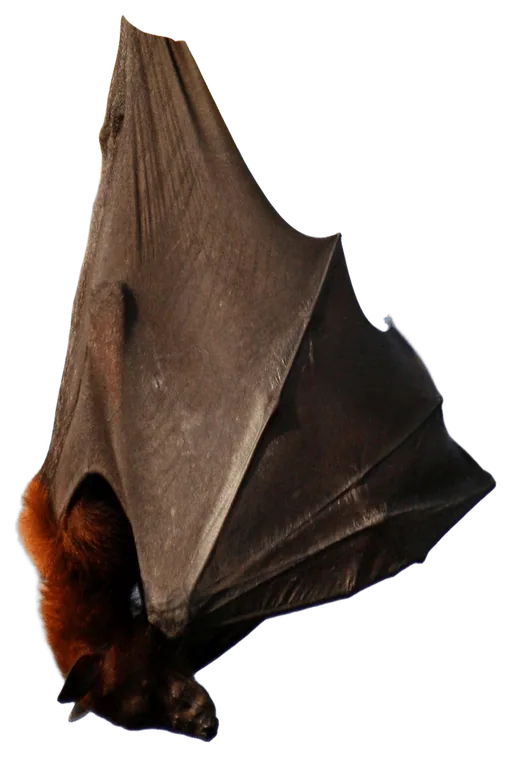
vs AardwolfLoses · 50% · Toss-up 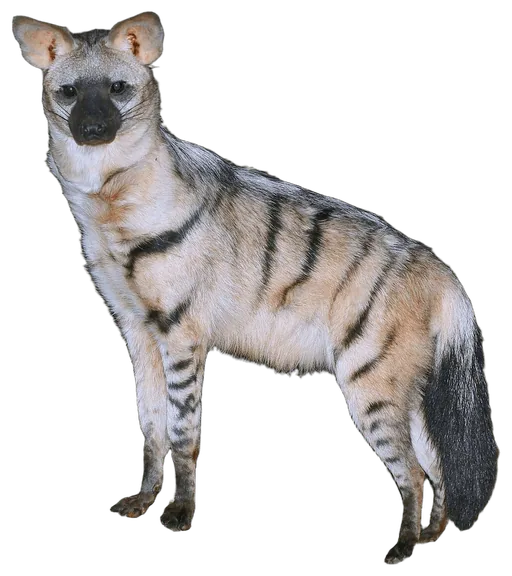 L vs Flying FoxLoses · 51% · Toss-up
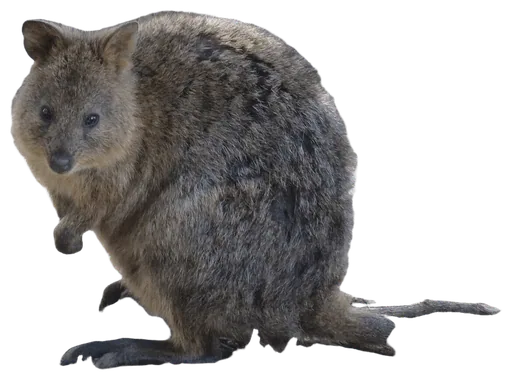
  L vs QuokkaWins · 51% · Toss-up
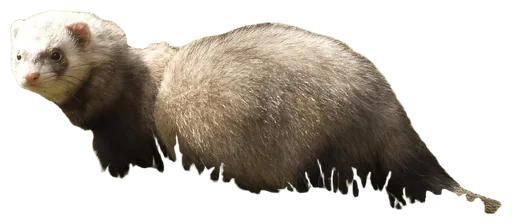
  W vs FerretLoses · 51% · Toss-up
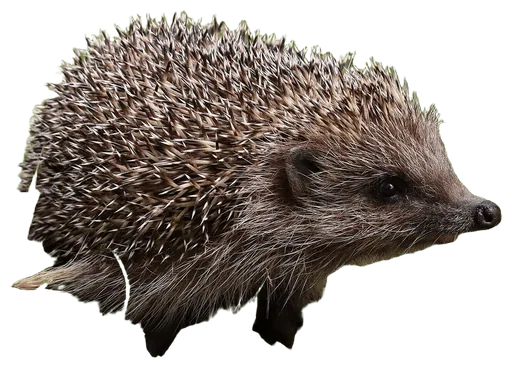
  L vs HedgehogWins · 51% · Toss-up
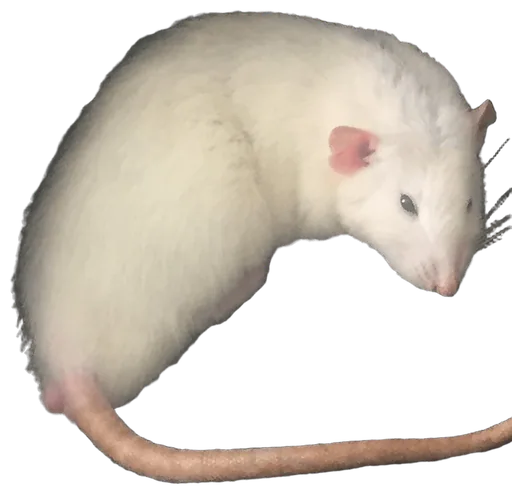
  W vs Fancy RatWins · 52% · Toss-up
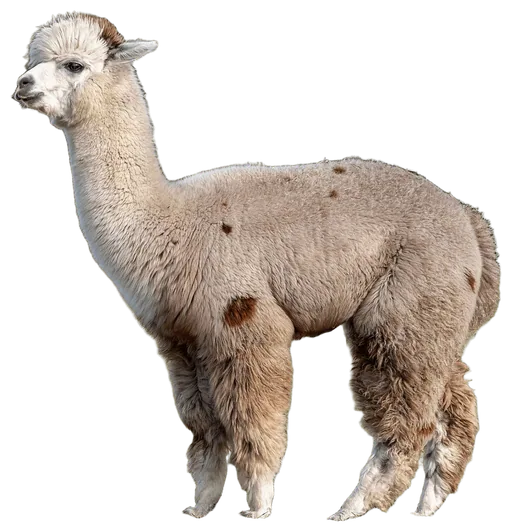
  W vs AlpacaWins · 53% · Toss-up
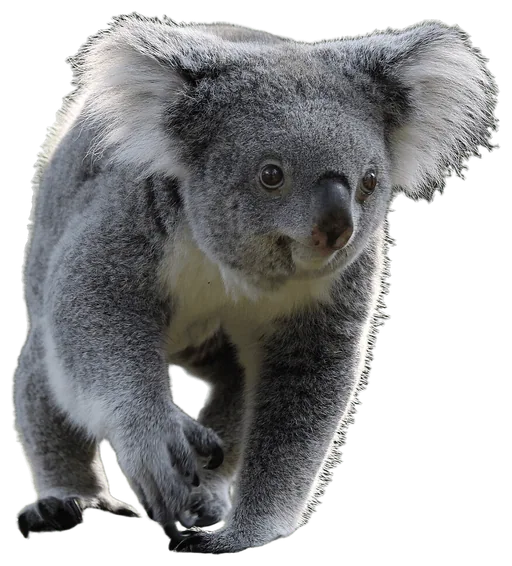
  W vs KoalaWins · 53% · Toss-up
  W
W  Pick any opponent
 Pallas's Cat battle analysis
Pallas's cat looks larger than it is. The dense grey coat, broad flat face and low-set ears give it a round, fluffy shape, but underneath is a 4 kg cat about the size of a house cat, with short legs built for creeping between rocks rather than sprinting. It hunts pikas and voles by waiting at burrow exits, stalking, or flushing prey from cover, and it scoops rodents out of shallow tunnels with its paws.
Its strategy is concealment. It spends most of its time in rocky outcrops and ravines, chooses dens carefully and, when a fox, dog or eagle appears, it slips into a crevice or flattens and freezes against the rocks. Animal Diversity Web notes that it is probably a poor runner, which is why open steppe is so dangerous for it. Winter is the hardest season, and wild adults in one Mongolian study averaged only about 27 months of life.
On the absolute scale, Pallas's cat is a small predator with modest weapons. Its dense fur gives it a little more protection than a house cat and its cold tolerance is remarkable, but it lacks the speed and agility of most small cats. It rates below the house cat in Attack and far below the lynx and snow leopard that share some of its mountains.
Habitat & range
Rocky montane grassland, shrubland, scree slopes and ravines across Central Asia, from the Caucasus, Iran and Afghanistan through Kazakhstan, Mongolia, southern Siberia and western China to the Himalaya and Tibetan Plateau. It needs areas where continuous snow cover stays below about 15–20 cm, and shelters in rock crevices, old marmot burrows and sometimes juniper cavities.
Diet & hunting
A specialist predator of small mammals, above all pikas, plus voles, gerbils, ground squirrels, young marmots, small birds and insects (Wikipedia; Animals, 2025). In Mongolia's Sükhbaatar Province, Brandt's voles dominated its diet during a vole irruption in 2017–2020. It competes with red and corsac foxes and raptors for the same prey.
Social life
Solitary. Home ranges in central Mongolia were 7.4–125.2 km² for 16 females and 20.9–207.0 km² for nine males, shrinking in winter. Males overlap several females and sometimes other males.
Conservation
Listed as Least Concern on the IUCN Red List since 2020, reflecting its wide range. Some populations are threatened by poaching, poisoning of pikas and voles in rodent-control campaigns, herding dogs, habitat fragmentation from mining and roads, and continuing trade in skins and body parts. It was once hunted for more than 10,000 skins a year. It is listed as Near Threatened on the Mongolian Red List.
Quick answers
How strong is a Pallas's Cat?
On the Animal Battle Stats scale, the Pallas's Cat has an attack rating of 21 and a power index of 38 out of 100, which ranks it #285 of 341 animals and puts it in D tier (Underdog). Its strongest stat is special (64).
How much does a Pallas's Cat weigh?
A typical adult Pallas's Cat weighs about 4 kg (9 lb). Rated specimen: healthy mature adult male, 4.0 kg, near the top of the usual 2.5–4.5 kg range (Wikipedia) and inside ADW's 2.5–5.0 kg range without using the heaviest records.
How fast is a Pallas's Cat?
There is no reliable measured top speed for the Pallas's Cat, so we do not publish one. Its agility rating, which covers acceleration, reflexes and evasion, is 60 out of 100.
What does a Pallas's Cat eat?
A specialist predator of small mammals, above all pikas, plus voles, gerbils, ground squirrels, young marmots, small birds and insects (Wikipedia; Animals, 2025). In Mongolia's Sükhbaatar Province, Brandt's voles dominated its diet during a vole irruption in 2017–2020. It competes with red and corsac foxes and raptors for the same prey.
Is the Pallas's Cat endangered?
No. The Pallas's Cat is listed as Least Concern. Listed as Least Concern on the IUCN Red List since 2020, reflecting its wide range. Some populations are threatened by poaching, poisoning of pikas and voles in rodent-control campaigns, herding dogs, habitat fragmentation from mining and roads, and continuing trade in skins and body parts. It was once hunted for more than 10,000 skins a year. It is listed as Near Threatened on the Mongolian Red L
What animals can beat a Pallas's Cat?
Among its closest rivals, the Aardwolf (50%), the Flying Fox (51%), the Ferret (51%) would be favored against the Pallas's Cat. It would be favored against the Quokka, the Hedgehog, the Fancy Rat, the Alpaca, the Koala.
Researched 2026-09-28. Ratings are editorial judgments built from these sources; measurements describe a healthy adult male.
- Wikipedia, Pallas's catmass, length, fur density, pupils, elevation records, dens, home ranges, diet, reproduction, status
- Animal Diversity Web, Felis manulmass, dimorphism, wild lifespan, running ability, predators, hunting modes
- Smithsonian's National Zoo, Pallas's catmass, length, lifespan, pupils, voice, hunting
- Four new genome sequences of the Pallas's cat, Frontiers in Genetics 2024habitat extremes, fur, disease susceptibility
- Dietary differentiation between Pallas's cats and red foxes, Animals 2025diet, competition
- Activity patterns of rodents and their predators, Animals 2025ecology
- Comparative eye morphology in Felidae, BMC Veterinary Research 2026vision
- Clindamycin and juvenile toxoplasmosis in Pallas' cats, Journal of Zoo and Wildlife Medicine 2020kitten mortality
Photo: “Otocolobus manul -Zurich Zoo-8a.jpg” by Winkelbohrer, CC BY-SA 2.0, background removed and cropped. Original
Suggest a correction