
Otter
Lontra canadensisB tier · Strong68th of 163 mammals
Size & speed

- Weight
- 12 kg26 lb
- Length
- 1.2 m3.9 ft
- Top speed
- 13 km/h8 mph
As heavy as 2.7 house cats
Heavier than 48% of animalsAbout 4 rulers long
Bigger than 53% of animalsAbout as fast as a person running
Faster than 13% of animalsA sleek North American semi-aquatic mustelid built around control rather than brute force. The river otter combines crushing/cutting teeth, webbed clawed feet, a muscular tail, dense water-resistant fur and highly sensitive whiskers. At only about 12 kg for the canonical male it cannot trade force with large predators, but in water its maneuverability and sensory toolkit make it an exceptionally difficult small opponent to pin down.
Detailed ratings
Research-backed ratings on one 0–100 scale for all 344 animals (updated 2026-09-27). How ratings work


Card No. 108 of 344. Every animal on Animal Battle Stats has one: its power, tier and archetype on the front; its six battle stats, abilities and signature move on the back.
Special abilities
Switches among limb paddling and dorsoventral body-tail undulation, allowing acceleration, turning and submerged repositioning across different swimming contexts.
Long, thick facial vibrissae provide a specialized tactile channel for detecting nearby prey and movement where underwater visibility is poor.
Unique traits
A thick tapered tail reaching roughly one-third of total length contributes propulsion and directional control.
Fully webbed clawed feet, streamlined body, closable nostrils and dense water-resistant fur permit repeated transitions between land and water without making the animal dependent on either medium alone.
How it fights
Weapons
- The river otter is a small mustelid predator whose practical weapons are its jaws, sharp canines/carnassials, crushing molars and clawed forefeet. It normally captures prey with the mouth, but Smithsonian notes occasional thumb/forepaw manipulation. Against similarly sized opponents, a low streamlined head and flexible body support fast close-range biting and grappling. Against large terrestrial opponents, its 12 kg mass places a hard ceiling on absolute damage.
Struggles vs
- Small absolute body mass limits force and durability.
- No armor and relatively short weapon reach.
- Fur is insulation, not protection against major puncture/crush trauma.
- On dry open ground, much of its aquatic specialization loses value.
- Large mammalian, avian and crocodilian predators can overwhelm it.
- Weight
- 12 kg26 lb
- Height
- No reliable measurement
- Length
- 1.2 m3.9 ft
- Top speed
- 13 km/h8 mph
- Bite force
- No reliable measurement
- Lifespan
- 12 years
- Home biome
- Wetlands
- Lifestyle
- Social
Rated specimen: Healthy prime fully mature male, 12.0 kg and 120.0 cm total length.
Fun facts
- A peer-reviewed kinematic study found several distinct swimming modes rather than one fixed otter stroke.
- The tail can make up roughly one-third to 40% of total body length depending on source/measurement convention.
- Smithsonian reports dives to at least 11 m.
- River otters can travel many kilometers over land between water systems and often slide on snow or steep banks.
- Their 36-tooth dentition combines cutting carnassials with crushing teeth suited to hard aquatic prey.
- Male social groups are sufficiently structured that researchers have analyzed their social networks experimentally.
Closest rivals by power. Tap one for the full breakdown, or pick any opponent.
vs BongoLoses · 68% · Slight edge 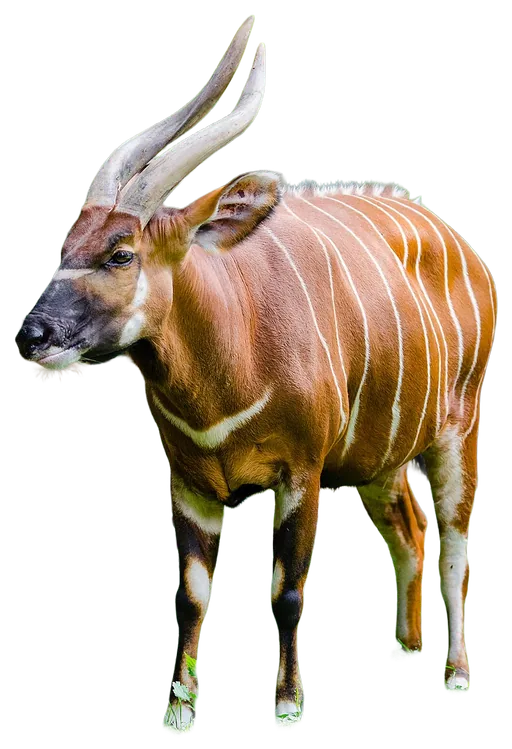 L vs Clouded LeopardLoses · 53% · Toss-up
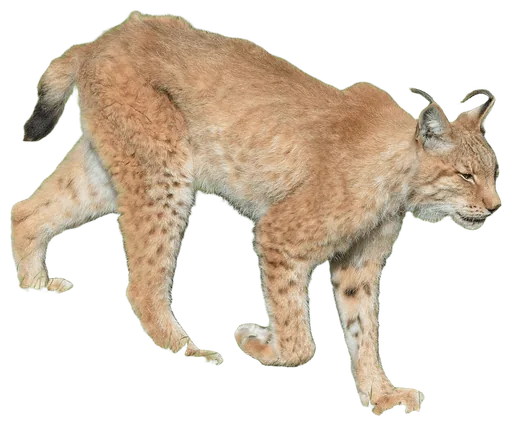
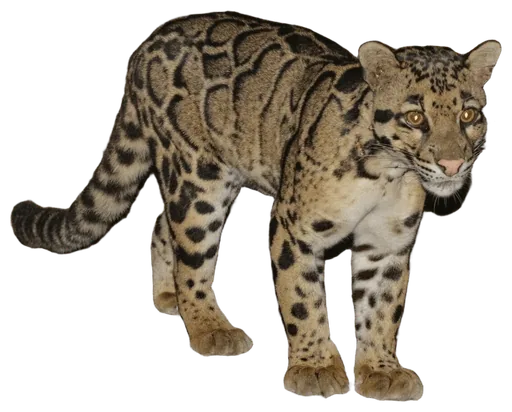 L vs LynxLoses · 54% · Toss-up
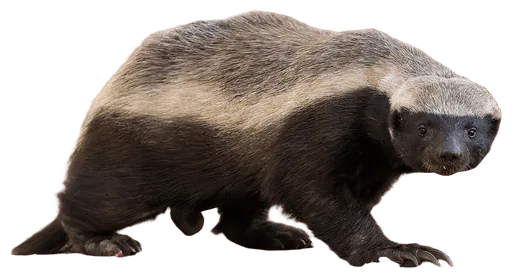
 L vs Honey BadgerDraw · 50-50 · Dead even
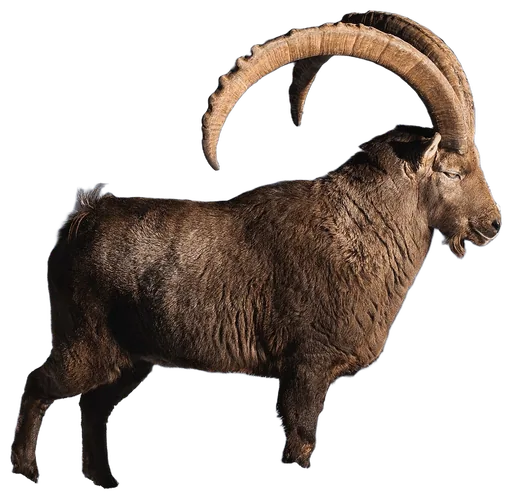
 D vs IbexLoses · 62% · Slight edge
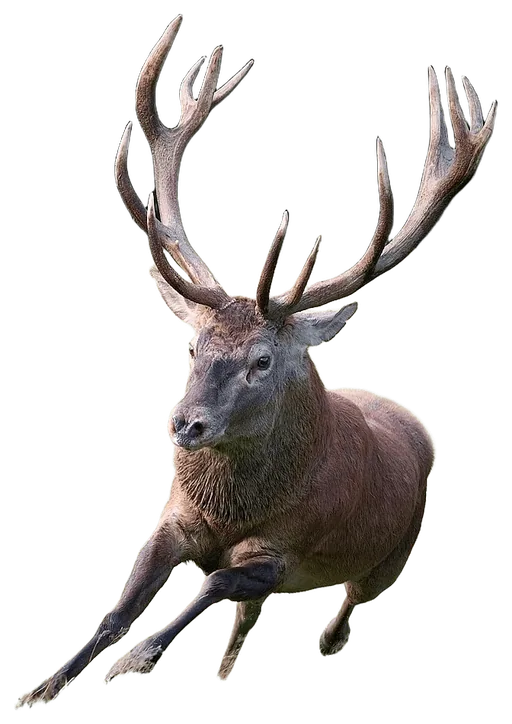
 L vs Red DeerLoses · 66% · Slight edge
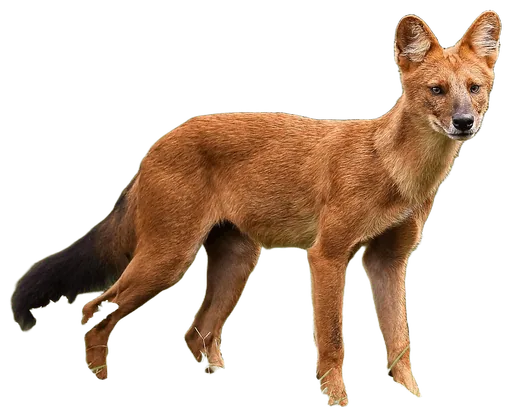
 L vs DholeLoses · 53% · Toss-up
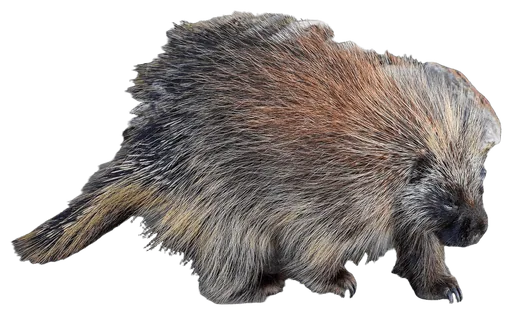
 L vs PorcupineDraw · 50-50 · Dead even
 D
Otter battle analysis
The North American river otter is not a miniature aquatic powerhouse in absolute terms. Its battle value comes from forcing the encounter into a medium where body control matters more than raw mass. The animal can paddle with different limb combinations, undulate the trunk and tail during submerged travel, turn sharply, dive and transition onto shore. Its teeth are those of a real carnivore, including canines, carnassials and crushing postcanines, but a 12 kg otter still lacks the reach and mechanical damage of medium cats, canids or large mustelids.
That distinction drives the proposed ratings. Attack and Defense remain modest on a 225-animal absolute scale. Agility rises into the elite band because direct kinematic work demonstrates genuine multi-mode aquatic control rather than merely a fast swim speed. Stamina is high because river otters remain active year-round and can cover substantial distances. Intelligence is strong but intentionally below the roster's apes and cetaceans. Special reflects a coherent amphibious package rather than counting each feature as a separate superpower.
Habitat & range
Occurs through much of Canada and the United States and into northern Mexico, using rivers, streams, lakes, ponds, marshes, estuaries and some coastal marine habitats. It favors productive water systems with shoreline cover and low pollution.
Diet & hunting
Primarily carnivorous. Fish are central prey, supplemented by crayfish and other crustaceans, molluscs, amphibians, turtles/reptiles, insects, birds and occasional small mammals. Its recovery in many regions is closely associated with water-quality improvement and reintroduction.
Social life
Often solitary or in small groups, but substantially more social than the Eurasian otter. Family groups and male groups are documented, with social structure varying geographically and seasonally.
Conservation
IUCN/SSC Otter Specialist Group lists the species as Least Concern. Historic trapping, pollution and habitat degradation caused severe regional declines, while water cleanup, harvest management and reintroductions restored many populations. Current threats include pollution, habitat loss, accidental trapping and road mortality.
Quick answers
How strong is an Otter?
On the Animal Battle Stats scale, the Otter has an attack rating of 35 and a power index of 55.4 out of 100, which ranks it #108 of 344 animals and puts it in B tier (Strong). Its strongest stat is agility (91).
How much does an Otter weigh?
A typical adult Otter weighs about 12 kg (26 lb). Rated specimen: healthy prime fully mature male, 12.0 kg and 120.0 cm total length.
How fast is an Otter?
The Otter's top speed is about 13 km/h (8 mph). Its agility rating is 91 out of 100.
What does an Otter eat?
Primarily carnivorous. Fish are central prey, supplemented by crayfish and other crustaceans, molluscs, amphibians, turtles/reptiles, insects, birds and occasional small mammals. Its recovery in many regions is closely associated with water-quality improvement and reintroduction.
Is the Otter endangered?
No. The Otter is listed as Least Concern. IUCN/SSC Otter Specialist Group lists the species as Least Concern. Historic trapping, pollution and habitat degradation caused severe regional declines, while water cleanup, harvest management and reintroductions restored many populations. Current threats include pollution, habitat loss, accidental trapping and road mortality.
What animals can beat an Otter?
Among its closest rivals, the Bongo (68%), the Clouded Leopard (53%), the Lynx (54%), the Ibex (62%), the Red Deer (66%), the Dhole (53%) would be favored against the Otter. It would be favored against none of them. It is dead even with the Honey Badger, the Porcupine: a draw.
Researched 2026-09-27. Ratings are editorial judgments built from these sources; measurements describe a healthy adult male.
- Smithsonian National Zoodimensions, sex difference, 13 km/h swim speed, lifespan, diet, diving, locomotion
- Animal Diversity Webmorphology and dimorphism
- Fish 1994, Journal of Mammalogyswimming mechanics
- NPS Isle Royalealternate speed, activity, size/longevity
- NPS Lassenhabitat, predators/defense context, size/lifespan
- IUCN SSC Otter Specialist Groupstatus, ecology, sociality, threats
- Larivière & Walton 1998, Mammalian Speciesdentition, ecology, life history
- Southern mammal management reviewmeasurements, dimorphism, dentition
- Hansen et al. 2009, Ethologymale sociality
- Evenhuis et al. 2025dental robustness/pathology
- National Wildlife Federationrange, diet, dimensions, threats
- ADW adult imageexact-species adult image provenance
- Wikimedia Commons Sage Ross imagereusable alternative image
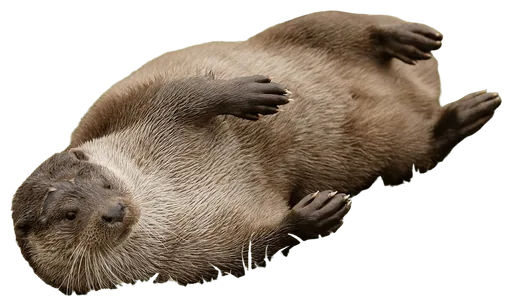
Photo: “Otter Pose (8524517410).jpg” by Peter Trimming from Croydon, England, CC BY 2.0, background removed and cropped. Original
Suggest a correction