
Osprey
Pandion haliaetusC tier · Capable17th of 55 birds
Size & speed

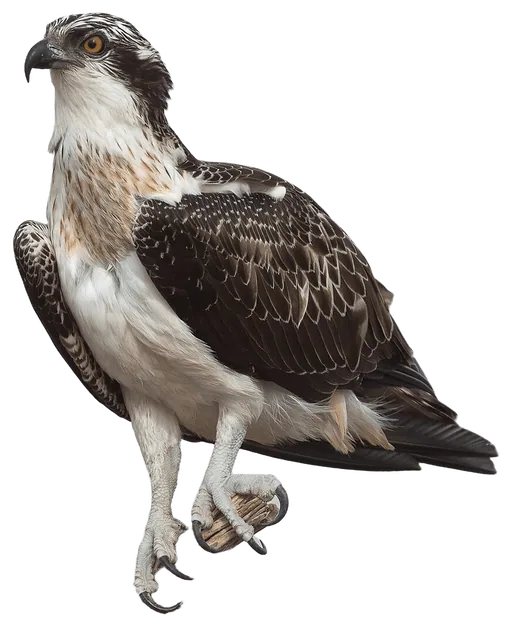
- Weight
- 1.8 kg4 lb
- Length
- 58 cm22.8 in
As heavy as 9 smartphones
Heavier than 27% of animalsAbout 1.9 rulers long
Bigger than 28% of animalsThe Osprey is a 1.8 kg fish-specialist raptor built around precision aerial capture rather than brute force. A reversible outer toe, spiny footpads, curved talons, closable nostrils and water-resistant plumage let it plunge feet-first, lock onto slippery fish and power back into the air. It has elite aerial agility and strong migratory stamina, but low physical protection and modest absolute power compared with larger predators.
Detailed ratings
Research-backed ratings on one 0–100 scale for all 344 animals (updated 2026-09-27). How ratings work


Card No. 164 of 344. Every animal on Animal Battle Stats has one: its power, tier and archetype on the front; its six battle stats, abilities and signature move on the back.
Special abilities
A reversible outer toe, long curved claws and spiny footpads create a two-forward/two-back gripping configuration that resists slipping on wet, struggling prey.
Water-resistant plumage, closable nostrils, feet-first entry and powerful wingbeats let the osprey strike through the surface and regain flight with captured fish.
Unique traits
Captured fish are actively realigned beneath the bird with the head facing forward, a strongly documented carriage pattern that stabilizes prey and reduces drag.
The species occurs across most of the world and obtains at least about 99% of prey items from fish, an unusually narrow trophic specialization for such a widespread raptor.
How it fights
Weapons
- Primary weapon: both feet, delivering four curved talons per foot into a target while the toes clamp. The reversible outer toe and spicules improve retention on wet, struggling prey.
- Secondary weapon: the hooked bill, effective for tearing once prey is controlled but not the normal initial capture weapon.
Struggles vs
- Only about 1.8 kg on an absolute roster.
- No armor or thick protective tissue.
- Primary weapons require direct contact.
- Grounded combat is a major failure state.
- Extreme dietary specialization limits generalized predatory experience.
- Weight
- 1.8 kg4 lb
- Height
- No reliable measurement
- Length
- 58 cm22.8 in
- Top speed
- No reliable measurement
- Bite force
- No reliable measurement
- Lifespan
- 15 years
- Home biome
- Wetlands
- Lifestyle
- Social
Rated specimen: Healthy prime mature adult female, 1.8 kg, 58.0 cm body length, approximately 170 cm wingspan.
Fun facts
- Ospreys can reverse the outer toe so the foot can grip fish with two toes forward and two backward.
- In a published image-based study, head-forward fish carriage overwhelmingly dominated in flight.
- ADW reports fishing success ranging from roughly 24% to 74% of dives depending on conditions and skill.
- Satellite-tagged North American adults can migrate from northern breeding grounds into Mexico, Central America, the Caribbean and South America.
- The species can briefly submerge during a fishing strike even though it is not a diving seabird.
- Adult plumage replaces the juvenile pattern by roughly 18 months according to ADW.
Closest rivals by power. Tap one for the full breakdown, or pick any opponent.
vs Philippine EagleLoses · 58% · Slight edge 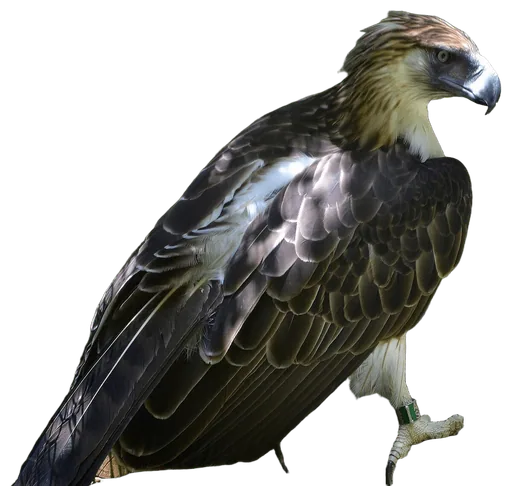 L vs Steller's Sea EagleLoses · 60% · Slight edge
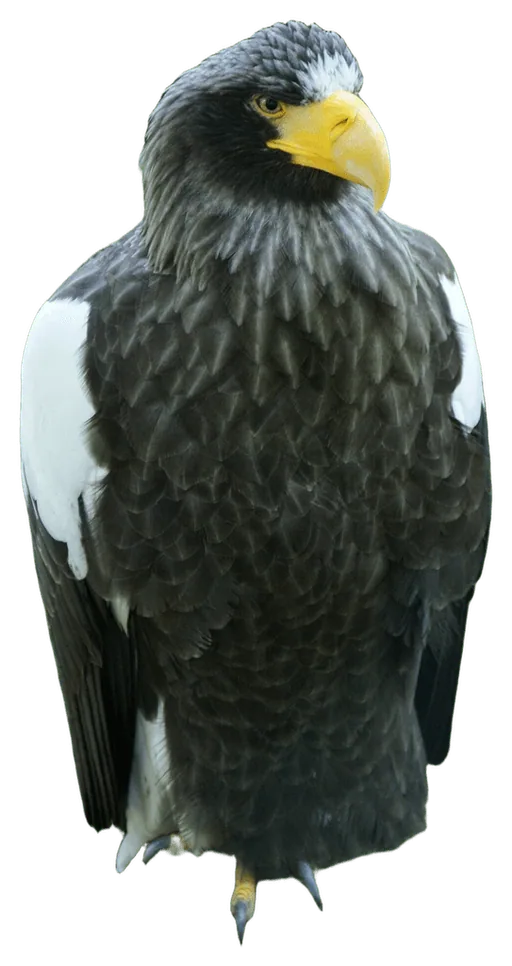 L vs EmuLoses · 70% · Clear edge
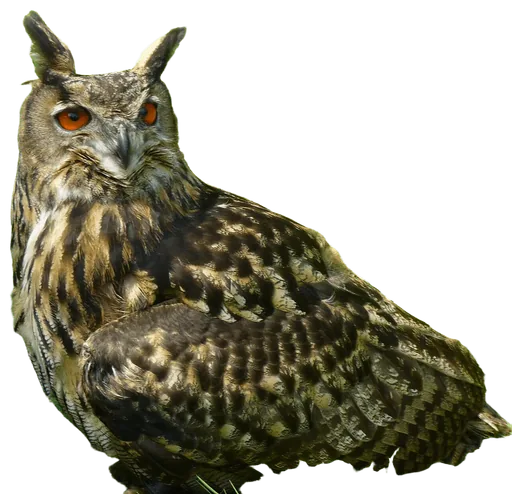
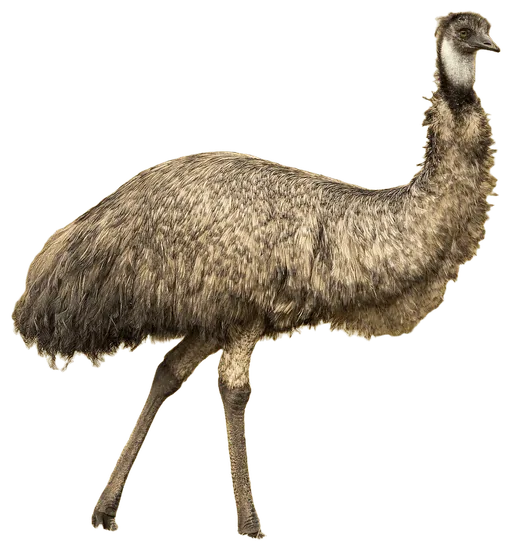 L vs Eurasian Eagle-OwlLoses · 52% · Toss-up
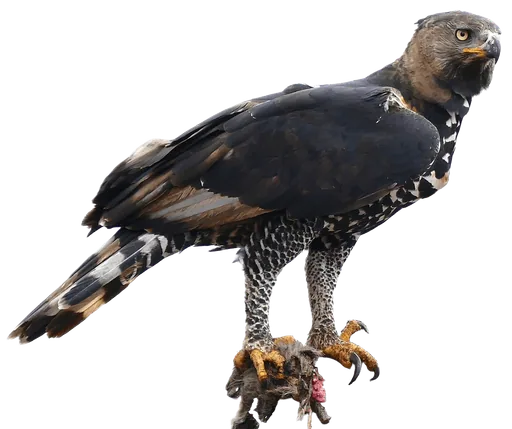
 L vs Crowned EagleLoses · 53% · Toss-up
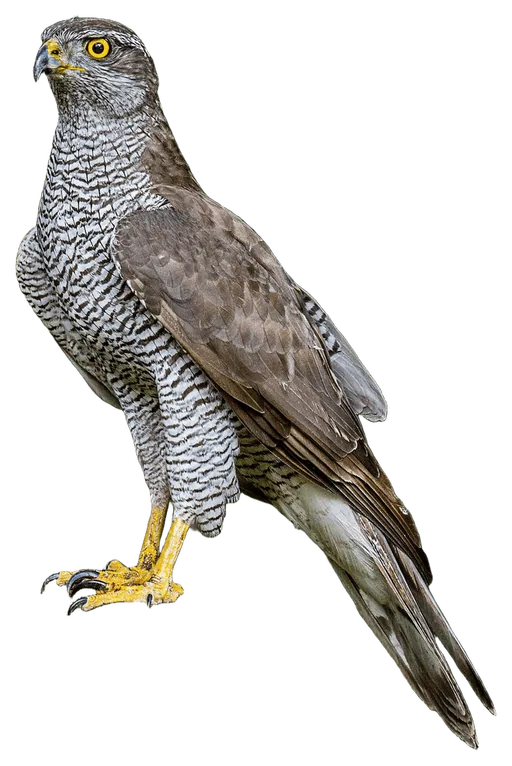
 L vs Northern GoshawkWins · 51% · Toss-up
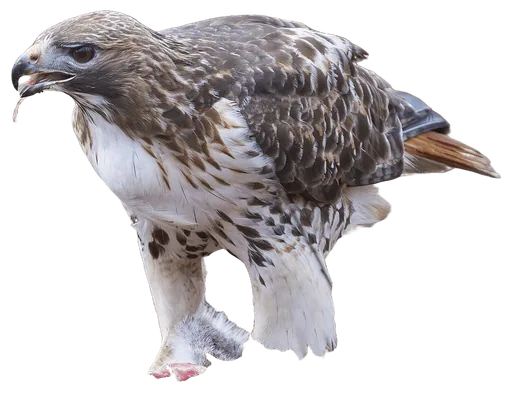
 W vs Red-tailed HawkWins · 51% · Toss-up
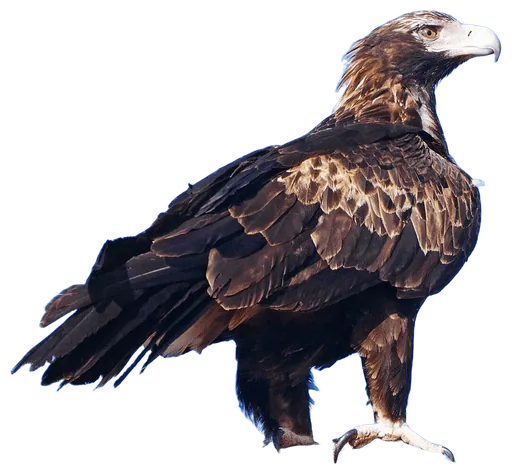
 W vs Wedge-tailed EagleLoses · 57% · Toss-up
 L
Osprey battle analysis
The osprey's battle profile is a lesson in specialization. It is not a miniature eagle that should inherit large-raptor power scores by association. At roughly 1.8 kg, its absolute raw force is limited. What makes it dangerous is the precision with which nearly every part of its capture system solves the same problem: seize a moving, wet animal at the boundary between air and water and do not let go.
The attack begins with vision and geometry. The bird searches from altitude, adjusts with flapping or a brief hover, commits to a descent, then swings the feet forward before impact. Curved talons penetrate while the reversible outer toe changes grip geometry and the spicules add friction. Water-resistant feathers and nasal valves reduce the cost of entry. Strong wingbeats recover altitude. After capture, the osprey does not simply carry the fish however it landed; published observations show a strong tendency to align the fish head-forward beneath the body.
That integrated system deserves a high Special score, but calibration matters. The same bird remains physically delicate. A fox-sized mammal that survives first contact and reaches the torso can reverse the matchup quickly. A golden eagle has much more absolute mass and a more generalized terrestrial killing system. An armored animal may render the talons ineffective. The osprey is therefore an elite aerial specialist with a narrow but highly refined attack architecture, not a broadly dominant fighter.
Habitat & range
Ospreys occur around freshwater, estuarine and marine environments across much of the world outside Antarctica. They use rivers, lakes, reservoirs, marshes, estuaries, coasts and other waters where fish approach the surface. Northern populations commonly migrate long distances; some tropical populations are resident.
Diet & hunting
Fish dominate the diet to an exceptional degree. Local prey changes with availability. Corsican birds heavily used mullets, while Latvian breeding birds took carp, tench and Prussian carp prominently. A Florida study showed adults shifting between sunfish and shad and changing foraging habitat as prey abundance changed. This makes the osprey both highly specialized at the trophic level and flexible within its fish prey base.
Social life
Ospreys are generally pair-based around breeding territories rather than pack hunters. Pairs often reuse nest sites, and both sexes participate in reproduction. The male commonly supplies fish while the female performs a larger share of incubation and brooding. The canonical battle model remains one individual and receives no multiplied score for pair behavior.
Conservation
The osprey is currently a conservation success story across much of North America. DDT and other contaminants caused severe twentieth-century declines and reproductive failure, but populations rebounded after restrictions. USGS continues to use ospreys as useful indicators of aquatic contaminant exposure because they occupy a high trophic position and depend strongly on fish.
Quick answers
How strong is an Osprey?
On the Animal Battle Stats scale, the Osprey has an attack rating of 31 and a power index of 51.2 out of 100, which ranks it #164 of 344 animals and puts it in C tier (Capable). Its strongest stat is agility (87).
How much does an Osprey weigh?
A typical adult Osprey weighs about 1.8 kg (4 lb). Rated specimen: healthy prime mature adult female, 1.8 kg, 58.0 cm body length, approximately 170 cm wingspan.
How fast is an Osprey?
There is no reliable measured top speed for the Osprey, so we do not publish one. Its agility rating, which covers acceleration, reflexes and evasion, is 87 out of 100.
What does an Osprey eat?
Fish dominate the diet to an exceptional degree. Local prey changes with availability. Corsican birds heavily used mullets, while Latvian breeding birds took carp, tench and Prussian carp prominently. A Florida study showed adults shifting between sunfish and shad and changing foraging habitat as prey abundance changed. This makes the osprey both highly specialized at the trophic level and flexible within its fish prey base.
What animals can beat an Osprey?
Among its closest rivals, the Philippine Eagle (58%), the Steller's Sea Eagle (60%), the Emu (70%), the Eurasian Eagle-Owl (52%), the Crowned Eagle (53%), the Wedge-tailed Eagle (57%) would be favored against the Osprey. It would be favored against the Northern Goshawk, the Red-tailed Hawk.
Researched 2026-09-27. Ratings are editorial judgments built from these sources; measurements describe a healthy adult female.
- Animal Diversity Web, Pandion haliaetustaxonomy, size, dimorphism, morphology, diet, hunting
- Cornell Lab, All About Birdsdimensions and behavior
- US Forest Service FEISlife history, depth, predators, diet
- Martell et al. 2001 / USGSmigration
- Washburn et al. 2014 / USGSwinter ecology
- Martell et al. 2014 / USGSmigration strategy
- Allen 2018, Brain and Behaviorfish grip and carriage
- Londei 2020, Ibisreversible toe
- Kalvans & Bajinskis 2016prey size and diet
- Francour & Thibault 1996marine diet
- Edwards 1988, The Aukprey-selection flexibility
- National Wildlife Federationlongevity/recovery context
- Wikimedia Commons / Charles J. Sharpimage provenance
Photo: “Balbuzard pecheur Lac de Tunis.jpg” by El Golli Mohamed, CC BY-SA 4.0, background removed and cropped. Original
Suggest a correction