
Opossum
Didelphis virginianaC tier · Capable120th of 163 mammals
Size & speed

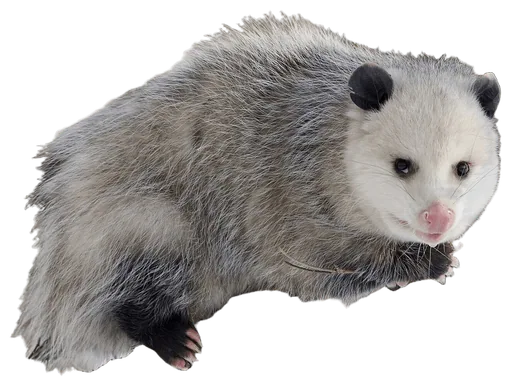
- Weight
- 2.8 kg6 lb
- Length
- 70.2 cm27.6 in
As heavy as 14 smartphones
Heavier than 30% of animalsAbout 2.3 rulers long
Bigger than 33% of animalsThe Virginia opossum is a 2.8 kg nocturnal marsupial with modest direct fighting power but an unusually strange defensive toolkit. Fifty teeth, a grasping tail, an opposable hind toe, experimentally supported resistance to several snake-venom components and involuntary death-feigning make it a versatile survivor whose Special score greatly exceeds its raw Attack.
Detailed ratings
Research-backed ratings on one 0–100 scale for all 344 animals (updated 2026-09-27). How ratings work


Card No. 217 of 344. Every animal on Animal Battle Stats has one: its power, tier and archetype on the front; its six battle stats, abilities and signature move on the back.
Special abilities
Serum antihemorrhagic factors and venom-resistant target proteins provide experimentally supported resistance to important components of several snake venoms, reducing a normally decisive toxin advantage without implying universal immunity.
Extreme stress can trigger a catatonic death-feigning state that may cause some predators to disengage, though it is unreliable against scavengers or persistent attackers.
Unique traits
50 teeth, the highest count among North American land mammals, give this small omnivore a dense close-range dental toolkit.
A prehensile tail plus clawless opposable hind hallux provides branch grip and balance uncommon among North American mammals.
How it fights
Weapons
- The primary weapon is a tooth-rich jaw with prominent canines and incisors. Fifty teeth create many cutting/puncturing surfaces, but the animal's 2.8 kg body mass caps absolute bite damage far below medium and large carnivores. Foreclaws can scratch and help hold footing. The clawless opposable hind hallux is a grip tool, not a weapon.
- Weight
- 2.8 kg6 lb
- Height
- No reliable measurement
- Length
- 70.2 cm27.6 in
- Top speed
- No reliable measurement
- Bite force
- No reliable measurement
- Lifespan
- 2 years
- Home biome
- Forest
- Lifestyle
- Mostly solitary, nocturnal
Rated specimen: 8 kg healthy mature male, the upper end of a strong institutional male range but not a record-sized 6 kg outlier.
Fun facts
- Virginia opossums have 50 teeth, more than any other North American land mammal.
- Their famous death-feigning response is involuntary, not a deliberate theatrical decision.
- Gestation lasts only about 12-13 days, after which extremely underdeveloped young crawl to the pouch.
- A Florida telemetry study recorded males moving as far as 4.665 km in a night.
- Their serum contains factors that experimentally neutralize hemorrhagic/proteolytic components of multiple snake venoms.
- The hind foot has a clawless opposable hallux, while the tail can grasp and stabilize on branches.
Closest rivals by power. Tap one for the full breakdown, or pick any opponent.
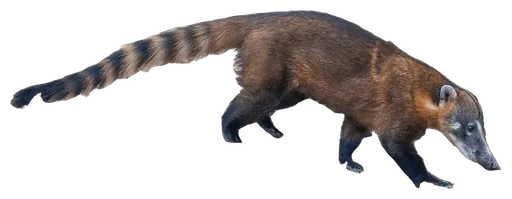
vs Tasmanian DevilLoses · 57% · Toss-up 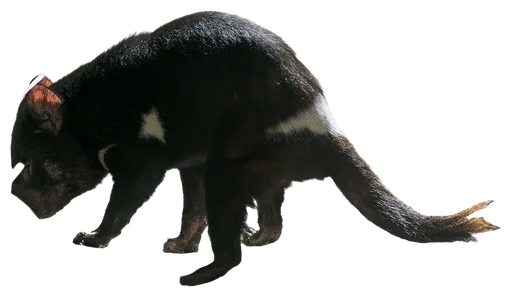 L vs South American CoatiLoses · 54% · Toss-up
 L vs JaguarundiLoses · 54% · Toss-up
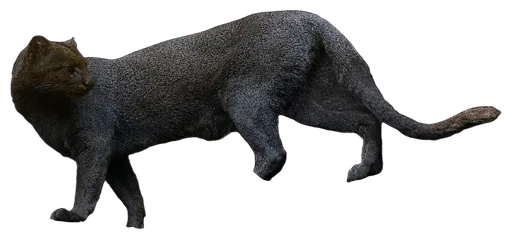 L vs Capuchin MonkeyLoses · 51% · Toss-up
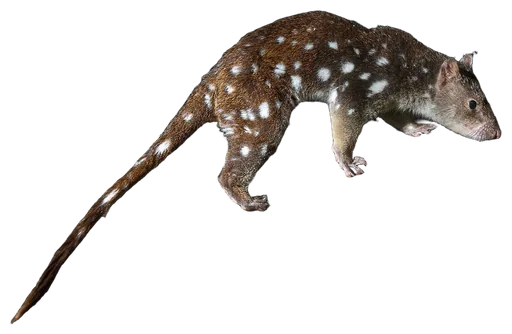
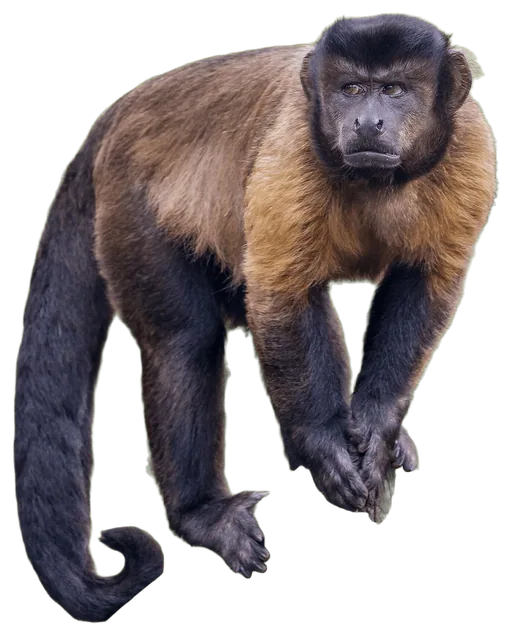 L vs QuollDraw · 50-50 · Dead even
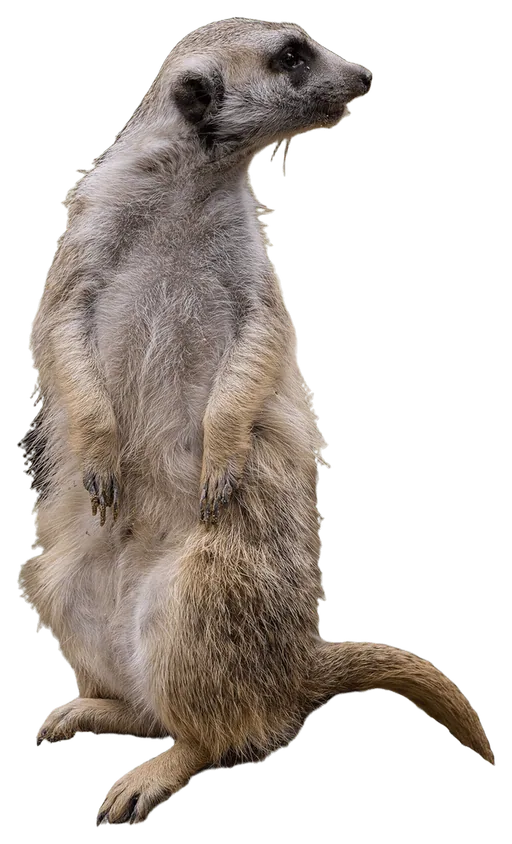
 D vs MeerkatWins · 59% · Slight edge
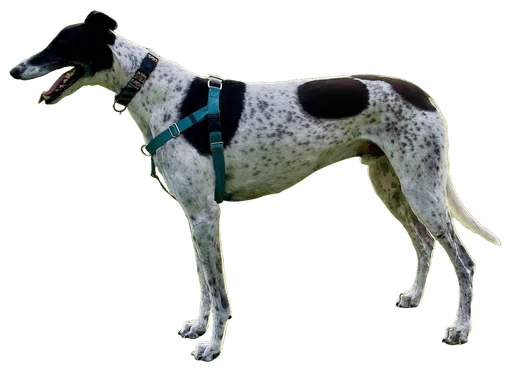
 W vs GreyhoundLoses · 65% · Slight edge
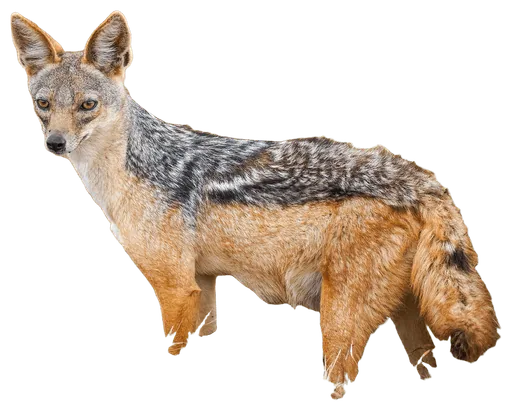
 L vs JackalLoses · 58% · Slight edge
 L
Opossum battle analysis
The Virginia opossum wins ecological battles through versatility rather than force. A mature male is only a few kilograms, lacks armor and is not a fast pursuit predator. Its direct weapons are conventional small-mammal tools: jaws, fifty teeth and claws. Against an ocelot, bobcat, coyote or similarly serious predator, those tools do not erase the enormous size and power gap.
What changes matchups is the opossum's unusual physiology and behavior. Toxinology research shows that its serum can neutralize important hemorrhagic and proteolytic snake-venom activities, while genetic studies reveal broader molecular features associated with venom resistance in didelphids. This can specifically undermine venomous snakes, but the evidence does not justify fantasy-level immunity to all toxins. At the opposite extreme, overwhelming stress can push the animal into involuntary catatonic death-feigning. That response can deter some predators but can be useless or harmful against opponents willing to scavenge.
Its mobility is similarly broad rather than extreme. A prehensile tail and opposable hind hallux support climbing, it can swim, and field studies document substantial nightly travel. Yet no defensible maximum sprint speed was found, so ABS does not convert ecological versatility into fake speed precision. The result is intentionally asymmetric: low absolute power, moderate Defense and Stamina, good complex-terrain Agility, and an elite Special rating driven by genuinely unusual mechanisms.
Habitat & range
Virginia opossums range from Central America through Mexico and much of the United States into southern Canada, with introduced populations on the Pacific coast. They use woodlands, thickets, wetlands, agricultural mosaics and urban/suburban habitats, often favoring cover near water.
Diet & hunting
They are opportunistic omnivores. Documented foods include insects, worms, small mammals, birds, reptiles, amphibians, eggs, carrion, fruits, seeds and human-associated foods. This breadth makes them effective scavengers and mesopredators rather than specialized pursuit hunters.
Social life
Adults are mainly solitary and nocturnal. Florida telemetry found peak activity between about 20:00 and 02:00, with males occupying larger home ranges than females. Home ranges overlap, and males may shift ranges after mating seasons.
Conservation
ADW reports IUCN Least Concern, no special US federal status and no CITES listing. The species tolerates human-altered habitats exceptionally well and can have higher survival near settlements, although road mortality and persecution are important local hazards.
Quick answers
How strong is an Opossum?
On the Animal Battle Stats scale, the Opossum has an attack rating of 25 and a power index of 46.3 out of 100, which ranks it #217 of 344 animals and puts it in C tier (Capable). Its strongest stat is special (90).
How much does an Opossum weigh?
A typical adult Opossum weighs about 2.8 kg (6 lb). Rated specimen: 8 kg healthy mature male, the upper end of a strong institutional male range but not a record-sized 6 kg outlier.
How fast is an Opossum?
There is no reliable measured top speed for the Opossum, so we do not publish one. Its agility rating, which covers acceleration, reflexes and evasion, is 71 out of 100.
What does an Opossum eat?
They are opportunistic omnivores. Documented foods include insects, worms, small mammals, birds, reptiles, amphibians, eggs, carrion, fruits, seeds and human-associated foods. This breadth makes them effective scavengers and mesopredators rather than specialized pursuit hunters.
Is the Opossum endangered?
No. The Opossum is listed as Least Concern. ADW reports IUCN Least Concern, no special US federal status and no CITES listing. The species tolerates human-altered habitats exceptionally well and can have higher survival near settlements, although road mortality and persecution are important local hazards.
What animals can beat an Opossum?
Among its closest rivals, the Tasmanian Devil (57%), the South American Coati (54%), the Jaguarundi (54%), the Capuchin Monkey (51%), the Greyhound (65%), the Jackal (58%) would be favored against the Opossum. It would be favored against the Meerkat. It is dead even with the Quoll: a draw.
Researched 2026-09-27. Ratings are editorial judgments built from these sources; measurements describe a healthy adult male.
- Animal Diversity Web, Didelphis virginianataxonomy, mass, length, dentition, reproduction, lifespan, diet, predators, conservation
- Smithsonian National Zoodimensions, lifespan, locomotor anatomy, diet, defense
- National Park Serviceteeth, threat behavior, thanatosis, climbing
- Ryser 1995, Florida Museum Bulletinactivity, movement, home range, temperature effects
- Sánchez et al. 1998, Toxiconvenom resistance
- Pornmanee et al. 2008, Toxiconvenom resistance
- Voss & Jansa 2012, Biological Reviewsmechanism/context of venom resistance
- Tilley et al. 1966cognition
- Wikimedia Commons, Lauren McLaurinimage provenance
- ADW adult imageadult image provenance
Photo: “Opossum 2.jpg” by Cody Pope, CC BY-SA 2.5, background removed and cropped. Original
Suggest a correction