

Oceanic Whitetip Shark
Carcharhinus longimanus
 #31 of 341
  Ocean Hunter Critically Endangered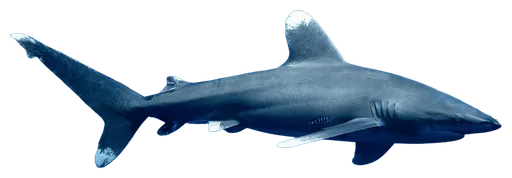
 Fight
FightPhoto: Polygonia c-album · CC BY-SA 4.0
The oceanic whitetip is a bold, 150 kg open-ocean shark with long paddle-like fins and fully serrated upper teeth. It cruises slowly to save energy, then bursts or breaches from deep water, and its persistence around anything that might be food makes it one of the most dangerous sharks in blue water.
 Attack71
  Defense53
  Agility70
  Stamina80
  Intelligence60
  Special76
 Detailed ratings
Research-backed ratings on one 0–100 scale for all 341 animals (updated 2026-09-28). How ratings work
Special abilities
Ability 1Breach From the DeepLogger data recorded a whitetip accelerating vertically from 160 m at about 4 m/s and clearing the surface, one of several breaches. It can launch a surprise strike from far below an opponent at the surface.
 Ability 2Pilot Whale Shadowing
Whitetips trail pilot whales, which find squid by echolocation, and follow tuna boats. By riding along with better finders of food, it turns empty ocean into feeding opportunities.
Unique traits
 TraitPaddle-Fin Glider
Its very long, rounded pectoral fins spread wide while cruising, supporting a slow, low-cost search at 0.6–0.7 m/s.
TraitOpen-Ocean PersistenceA bold, hypercompetitive forager that outcompetes silky sharks at feeding frenzies and keeps investigating possible food far from land.
How it fights
Weapons
- The oceanic whitetip's weapon is a classic requiem-shark bite: broad, fully serrated upper teeth that saw through flesh and narrower, pointed lower teeth that pin prey. The Florida Museum describes the teeth as effective for holding and tearing, and they are easily confused with bull shark teeth. It eats oceanic bony fishes, threadfins, stingrays, sea turtles, seabirds, squid, crustaceans and whale carrion (FishBase), and has been seen biting into schools of yellowfin and bigeye tuna. Sucker scars on one individual filmed off Hawaii suggest it may tackle large squid at depth.
- What sets it apart is behavior. It is bold, persistent and opportunistic, investigating anything that might be food, and dominates the silky sharks it competes with at feeding events (Animal Diversity Web). No bite-force figure exists, so its offense is rated from tooth form, body mass and demonstrated prey range.
 Struggles vs
- No armor; gills and eyes exposed.
- Slow routine cruise; bursts are short.
- Mass is moderate next to the largest sharks and toothed whales.
- Ectothermic muscles, unlike warm-bodied makos and white sharks.
- Weight
- 150 kg331 lb
- Height
- No reliable measurement
- Length
- 2.7 m8.9 ft
- Top speed
- 17 km/h10 mph
- Bite force
- No reliable measurement
- Lifespan
- 25 years
- Home biome
- Ocean
- Lifestyle
- Mostly solitary
Rated specimen: Healthy mature adult female, 270 cm total length and 150 kg, matching FishBase's common length and the "usually up to 3 m and 150 kg" size given in secondary summaries, rather than the 4 m maximum.
Fun facts
- In 1969 two scientists wrote that it was perhaps the most abundant large animal on Earth; it is now Critically Endangered.
- One tagged whitetip breached from 160 m below the surface, rising at about 4 m/s before leaping clear.
- A 40-second breach costs about as much energy as 50 minutes of normal swimming.
- An adult may need only about 1–1.5 kg of food a day.
- Whitetips follow pilot whales to find squid.
- Its long white-tipped pectoral fins give it the Latin name longimanus, "long hands".
Closest rivals by power. Tap one for the full breakdown, or pick any opponent.
vs SawfishWins · 50% · Toss-up 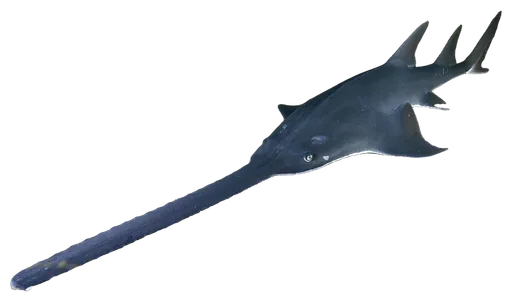 W vs NarwhalWins · 50% · Toss-up
 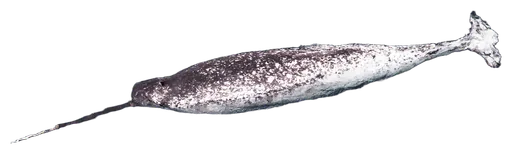 W vs WalrusLoses · 50% · Toss-up
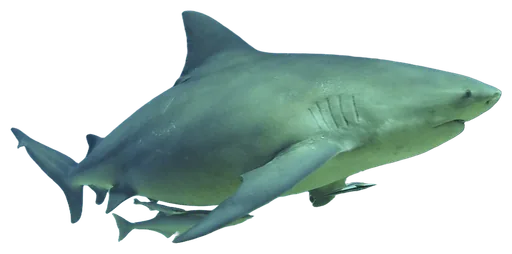
 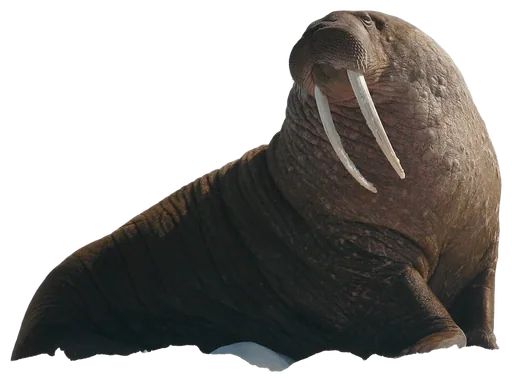 L vs Bull SharkWins · 51% · Toss-up
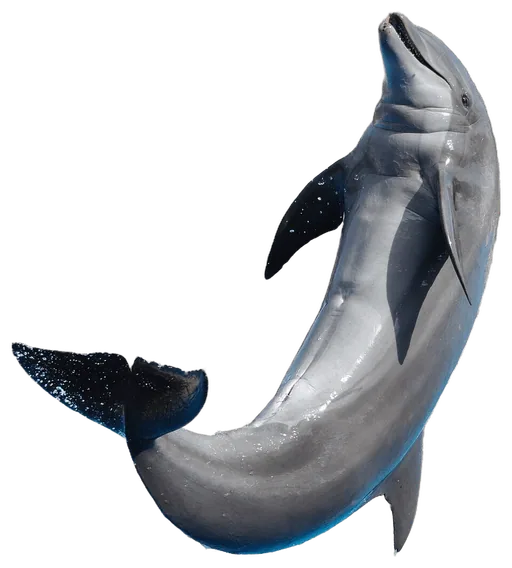
  W vs Bottlenose DolphinLoses · 52% · Toss-up
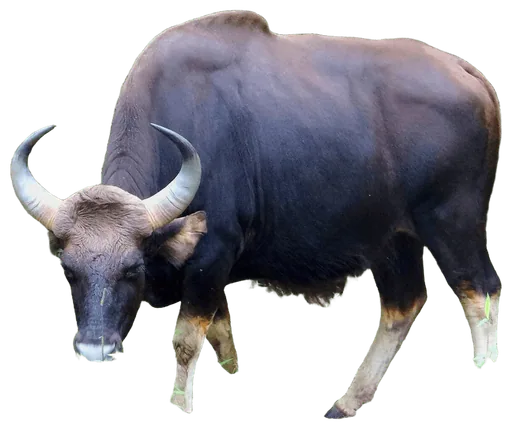
  L vs GaurWins · 50% · Toss-up
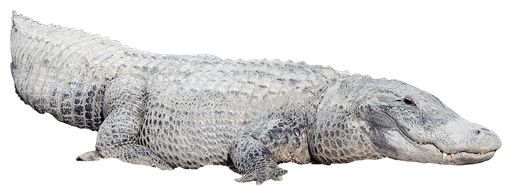
  W vs AlligatorWins · 51% · Toss-up
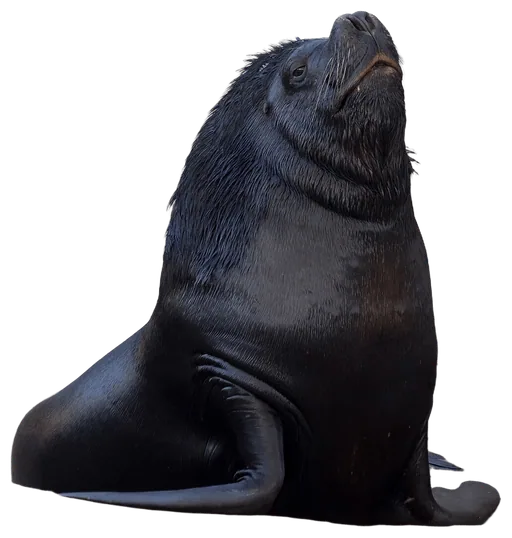
  W vs Sea LionWins · 53% · Toss-up
  W
W  Pick any opponent
 Oceanic Whitetip Shark battle analysis
The oceanic whitetip lives where food is scarce and far between. A mature female of about 2.7 m and 150 kg spends almost all her time in the warm upper 200 m of the open ocean, gliding slowly on huge, rounded pectoral fins. Motion loggers show that this leisurely style is precise economy: she swims at close to the speed that costs the least energy, holds that speed through long yo-yo dives, and can live on a kilogram or so of prey a day.
That economy hides a real predator. When something promising appears, the whitetip investigates without hesitation, and it can switch from a 0.7 m/s cruise to bursts of 4.6 m/s or a vertical rush from 160 m that carries it clear of the surface. Its broad serrated upper teeth tear flesh from tunas, turtles, seabirds and whale carcasses, and it follows pilot whales and fishing boats to find food. At feeding frenzies it pushes aside silky sharks.
In a fight, the whitetip brings persistence and a good cutting bite, but no armor and only moderate mass. Similar-sized sharks are fair contests, while larger sharks and orcas outclass it. Once so common that scientists called it perhaps the most abundant large animal on Earth, it has been reduced by fin demand and bycatch to Critically Endangered status.
Habitat & range
The oceanic whitetip lives in tropical and warm-temperate oceans worldwide, well offshore over deep water. It spends almost all its time in the upper 200 m, preferring water warmer than about 20 °C, but makes short dives into the mesopelagic zone to at least 1,082 m. It is occasionally seen near oceanic islands such as those of the Red Sea and the Bahamas.
Diet & hunting
An opportunistic top predator. Prey includes oceanic bony fishes such as tunas and dolphinfish, threadfins, stingrays, sea turtles, seabirds, squid, gastropods, crustaceans and the carcasses of whales, and it will eat garbage thrown from ships. Pilot fish, remoras and dolphinfish often travel with it.
Social life
Mostly solitary, but it gathers with other sharks at concentrated food and takes part in feeding frenzies, where it dominates silky sharks.
Conservation
Listed as Critically Endangered on the IUCN Red List (2019), with estimated declines of more than 80% over three generations and possibly around 98% in some regions. NOAA Fisheries listed it as threatened under the U.S. Endangered Species Act in 2018. It is listed on CITES Appendix II. Main threats are longline, purse-seine and gillnet bycatch and demand for its large fins.
Quick answers
How strong is an Oceanic Whitetip Shark?
On the Animal Battle Stats scale, the Oceanic Whitetip Shark has an attack rating of 71 and a power index of 67.3 out of 100, which ranks it #31 of 341 animals and puts it in A tier (Elite). Its strongest stat is stamina (80).
How much does an Oceanic Whitetip Shark weigh?
A typical adult Oceanic Whitetip Shark weighs about 150 kg (331 lb). Rated specimen: healthy mature adult female, 270 cm total length and 150 kg, matching FishBase's common length and the "usually up to 3 m and 150 kg" size given in secondary summaries, rather than the 4 m maximum.
How fast is an Oceanic Whitetip Shark?
The Oceanic Whitetip Shark's top speed is about 17 km/h (10 mph). Its agility rating is 70 out of 100.
What does an Oceanic Whitetip Shark eat?
An opportunistic top predator. Prey includes oceanic bony fishes such as tunas and dolphinfish, threadfins, stingrays, sea turtles, seabirds, squid, gastropods, crustaceans and the carcasses of whales, and it will eat garbage thrown from ships. Pilot fish, remoras and dolphinfish often travel with it.
Is the Oceanic Whitetip Shark endangered?
The Oceanic Whitetip Shark's conservation status is Critically Endangered. Listed as Critically Endangered on the IUCN Red List (2019), with estimated declines of more than 80% over three generations and possibly around 98% in some regions. NOAA Fisheries listed it as threatened under the U.S. Endangered Species Act in 2018. It is listed on CITES Appendix II. Main threats are longline, purse-seine and gillnet bycatch and demand for its large fins.
What animals can beat an Oceanic Whitetip Shark?
Among its closest rivals, the Walrus (50%), the Bottlenose Dolphin (52%) would be favored against the Oceanic Whitetip Shark. It would be favored against the Sawfish, the Narwhal, the Bull Shark, the Gaur, the Alligator, the Sea Lion.
Researched 2026-09-28. Ratings are editorial judgments built from these sources; measurements describe a healthy adult female.
- NOAA Fisheries, oceanic whitetip shark species pagesize, lifespan, depth, reproduction, ESA status
- Florida Museum, Discover Fishes: Carcharhinus longimanussize, record weight, teeth, danger, behavior
- FishBase, Carcharhinus longimanus summarylength, weight, maturity, diet, depth, IUCN
- Animal Diversity Web, Carcharhinus longimanuslifespan, electroreception, competition, sex size
- Howey-Jordan et al. 2013, PLOS Onemovements, depth use
- Papastamatiou et al. 2018, Scientific Reports (PMC full text)speed, energetics, breaching
- Howey et al. 2016, Ecology and Evolution (PubMed record)function of deep dives
- Wikipedia, Oceanic whitetip sharktypical size, Gulf of Mexico mean weights, attack record, abundance quote, IUCN
- Wikimedia Commons, Oceanic Whitetip Shark (cropped)image candidate
Photo: “Oceanic Whitetip Shark (Carcharhinus longimanus) at Elphinstone Reef, Egypt.jpg” by Polygonia c-album, CC BY-SA 4.0, background removed and cropped. Original
Suggest a correction