

Ocean Sunfish
Mola mola
 #245 of 341
  Ocean Survivor Vulnerable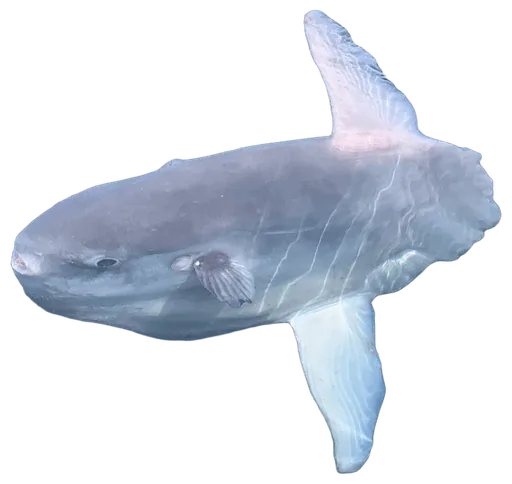
 Fight
FightPhoto: Photoabc · CC0
The ocean sunfish is a 400 kg, tail-less giant that swims by flapping two tall fins like wings. Very thick skin over a stiff gelatinous capsule makes it hard to wound, but it has no weapons, swims slowly and never fights, so sea lions, sharks and orcas can prey on it.
 Attack26
  Defense50
  Agility38
  Stamina66
  Intelligence30
  Special60
 Detailed ratings
Research-backed ratings on one 0–100 scale for all 341 animals (updated 2026-09-28). How ratings work
Special abilities
Ability 1Gelatinous Armor CapsuleA stiff layer of watery collagen and elastin under the skin, topped by skin up to 7.3 cm thick, cushions bites and keeps the fish neutrally buoyant at any depth without a swim bladder.
 Ability 2Twin-Fin Flight
With no tail fin, it beats its tall dorsal and anal fins together to generate lift like wings, cruising steadily and bursting to about 2.4 m/s, and can breach up to about 3 m out of the water.
Unique traits
 TraitSolar Recharger
After feeding in cold water 100–200 m down, it basks on its side at the surface to warm up, often while seabirds and cleaner fish pick parasites from its skin.
TraitEgg ChampionA female can produce up to 300 million eggs at a time, more than any other known vertebrate.
How it fights
Weapons
- The ocean sunfish has almost no offensive capability. Its beak of fused teeth and throat teeth are made for soft or slippery prey such as siphonophores, jellyfish, squid, small fish and crustaceans, and its small mouth cannot fully close. It is not known to attack anything larger than its prey. Its only incidental force is its bulk, which can injure: in 2005 a 1 m sunfish leapt onto a family boat off Wales and slightly injured a child.
 Struggles vs
- No weapon and no attacking behavior.
- Slow, with no tail fin; cannot escape fast predators.
- Fins can be bitten off; sea lions, orcas and sharks prey on adults.
- Struggles in cold water below about 12 °C for long.
- Heavy parasite loads.
- Weight
- 400 kg882 lb
- Height
- No reliable measurement
- Length
- 2 m6.6 ft
- Top speed
- 9 km/h5 mph
- Bite force
- No reliable measurement
- Lifespan
- 10 years
- Home biome
- Ocean
- Lifestyle
- Mostly solitary
Rated specimen: Healthy mature adult, 200 cm total length (snout to the rudder-like clavus) and 400 kg, a large adult within the 247–1,000 kg range reported for mature fish, rather than the 3.3 m, 2,300 kg record.
Fun facts
- A female sunfish can release up to 300 million eggs at once, more than any other known vertebrate.
- Sunfish have no tail fin; they swim by flapping two tall fins like wings.
- A sunfish's belly skin can be up to 7.3 cm thick.
- After deep dives into cold water, sunfish lie on their side at the surface to warm up in the sun.
- Seabirds pick parasites off sunfish basking at the surface.
- The heaviest bony fish ever weighed was a 2,744 kg giant sunfish, a different sunfish species, found in the North Atlantic.
Closest rivals by power. Tap one for the full breakdown, or pick any opponent.
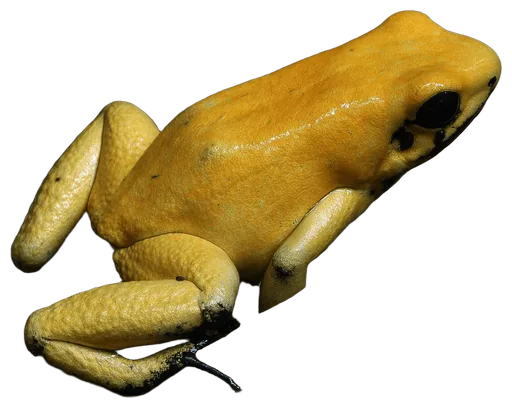
vs StorkWins · 50% · Toss-up 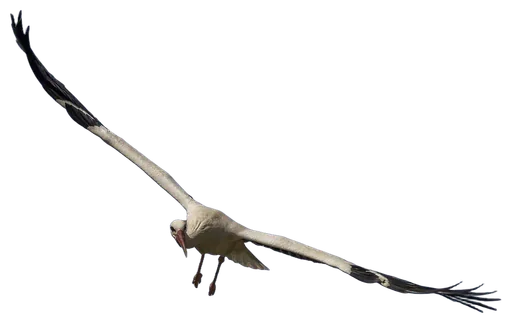 W vs Poison Dart FrogWins · 50% · Toss-up
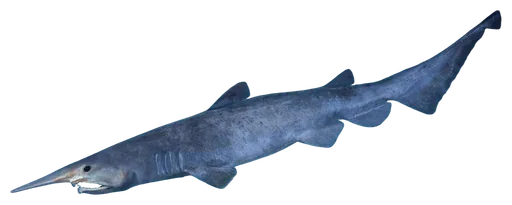
  W vs Goblin SharkWins · 52% · Toss-up
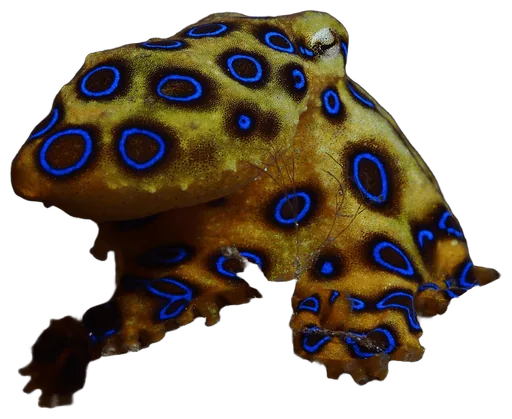
  W vs Blue-Ringed OctopusLoses · 53% · Toss-up
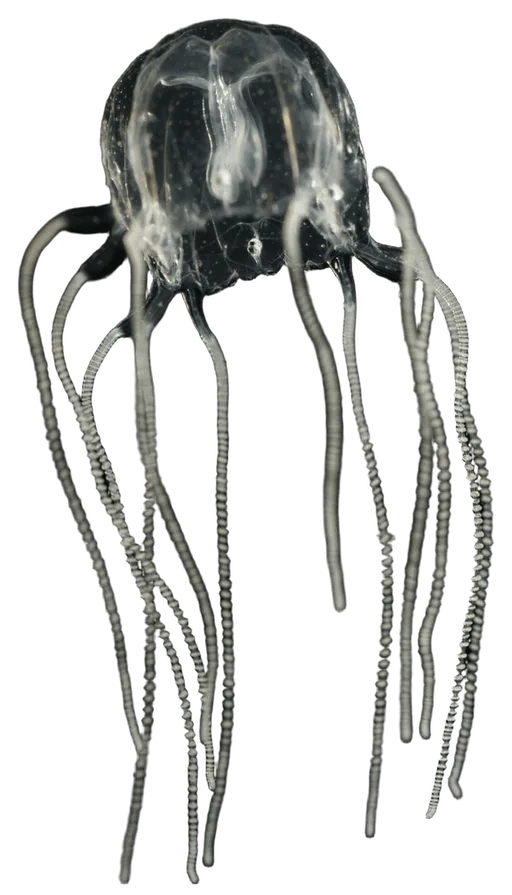
  L vs Box JellyfishLoses · 53% · Toss-up
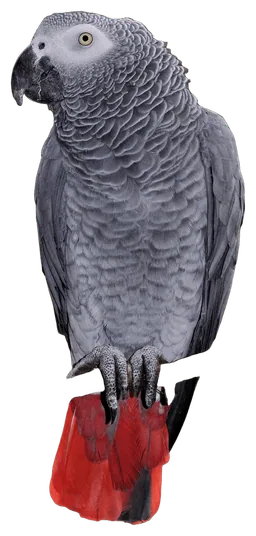
  L vs African Grey ParrotLoses · 50% · Toss-up
  L vs MongooseWins · 50% · Toss-up
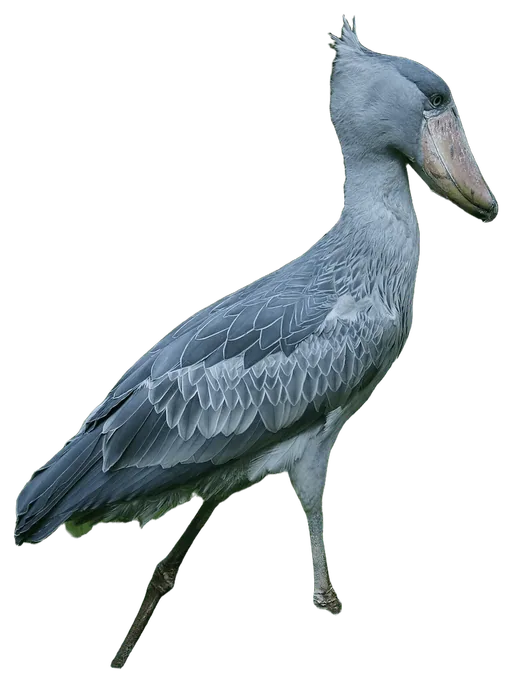
  W vs ShoebillWins · 50% · Toss-up
  W
W  Pick any opponent
 Ocean Sunfish battle analysis
The ocean sunfish looks like a fish that forgot to finish growing a back half. A large adult is about 2 metres long, taller than that from fin tip to fin tip, and weighs around 400 kg, yet it has no tail fin at all. Instead it beats its tall dorsal and anal fins together, side to side, generating lift like a pair of wings and steering with a frilly rudder called the clavus. Tagging shows that it swims constantly at around half a metre per second and can put on short bursts.
Much of its life happens out of sight. Sunfish dive 100–200 metres into cold water to hunt siphonophores, jellyfish, squid and small fish, then return to the surface and lie on their side to warm up, often while seabirds peck parasites from their skin. A stiff gelatinous layer under the skin keeps them neutrally buoyant without a swim bladder, and the skin itself can be over 7 centimetres thick on the belly.
In a battle the sunfish is almost entirely passive. Its small beak is made for soft prey, it has no muscular body to fight with and it cannot flee fast predators. Its thick skin and capsule make it hard for small predators to hurt, but sea lions tear at its fins and sharks and orcas eat adults. It wins by being difficult to damage, not by doing damage.
Habitat & range
Found in temperate and tropical oceans worldwide, including the Atlantic, Pacific, Indian Ocean and Mediterranean. Sunfish are often seen at the surface but spend much of their time hunting at depths below 200 m, mainly in water warmer than 10 °C. Aerial surveys in the north-east Atlantic estimated at least 12,700 sunfish in summer across about 300,000 km² (Breen et al. 2017).
Diet & hunting
A generalist predator of soft-bodied animals: siphonophores, jellyfish, salps and ctenophores, plus small fish, fish larvae, squid, crustaceans and other invertebrates, and sometimes eelgrass. It feeds from the surface down to deep water and sometimes near the seafloor. More than 40 species of parasites live on and in sunfish.
Social life
Solitary, though several may gather at cleaning stations or in food-rich areas.
Conservation
Listed as Vulnerable on the IUCN Red List, with a decreasing population. The main threat is bycatch in drift gillnets; plastic bags mistaken for jellyfish are another hazard. Sale of sunfish products is banned in the European Union, but sunfish are eaten as a delicacy in parts of East Asia.
Quick answers
How strong is an Ocean Sunfish?
On the Animal Battle Stats scale, the Ocean Sunfish has an attack rating of 26 and a power index of 43.2 out of 100, which ranks it #245 of 341 animals and puts it in C tier (Capable). Its strongest stat is stamina (66).
How much does an Ocean Sunfish weigh?
A typical adult Ocean Sunfish weighs about 400 kg (882 lb). Rated specimen: healthy mature adult, 200 cm total length (snout to the rudder-like clavus) and 400 kg, a large adult within the 247–1,000 kg range reported for mature fish, rather than the 3.3 m, 2,300 kg record.
How fast is an Ocean Sunfish?
The Ocean Sunfish's top speed is about 9 km/h (5 mph). Its agility rating is 38 out of 100.
What does an Ocean Sunfish eat?
A generalist predator of soft-bodied animals: siphonophores, jellyfish, salps and ctenophores, plus small fish, fish larvae, squid, crustaceans and other invertebrates, and sometimes eelgrass. It feeds from the surface down to deep water and sometimes near the seafloor. More than 40 species of parasites live on and in sunfish.
Is the Ocean Sunfish endangered?
The Ocean Sunfish's conservation status is Vulnerable. Listed as Vulnerable on the IUCN Red List, with a decreasing population. The main threat is bycatch in drift gillnets; plastic bags mistaken for jellyfish are another hazard. Sale of sunfish products is banned in the European Union, but sunfish are eaten as a delicacy in parts of East Asia.
What animals can beat an Ocean Sunfish?
Among its closest rivals, the Blue-Ringed Octopus (53%), the Box Jellyfish (53%), the African Grey Parrot (50%) would be favored against the Ocean Sunfish. It would be favored against the Stork, the Poison Dart Frog, the Goblin Shark, the Mongoose, the Shoebill.
Researched 2026-09-28. Ratings are editorial judgments built from these sources; measurements describe a healthy adult.
- Wikipedia, Ocean sunfishsize, skin, gelatinous layer, diet, predators, eggs, lifespan, IUCN, aquarium records
- FishBase, Mola mola summarylength, weight, depth, IUCN, length-weight
- Animal Diversity Web, Mola molamaximum size, skin, range
- National Geographic, Ocean sunfishcaptive lifespan, breaching, threats
- Watanabe and Sato 2008, PLOS One, lift-based swimming in the ocean sunfishspeed, propulsion, buoyancy
- Nakamura et al. 2015, Journal of Animal Ecology (PubMed)diving, diet, rewarming
- Sousa et al. 2016, Scientific Reports, DNA barcoding of sunfish diet (PubMed)diet
- Davenport et al. 2018, Journal of Anatomy (PubMed)locomotor anatomy
- McClain et al. 2015, PeerJ, Sizing ocean giants (PMC full text)record size
- Ocean sunfish as indicators for the rise of slime, Current Biology 2017 (PubMed)food intake
- Breen et al. 2017, Scientific Reports, sunfish abundance in the NE Atlantic (PubMed)abundance
- Functional morphology of the pharyngeal teeth of the ocean sunfish, Anatomical Record 2026 (PubMed)dentition
- Wikimedia Commons, Mola mola.jpgimage candidate
Photo: “Sunfish In Blue Water.jpg” by Photoabc, CC0, background removed and cropped. Original
Suggest a correction