

Nile Crocodile
Crocodylus niloticus
 #18 of 273
  Wetlands Ambush Predator Least Concern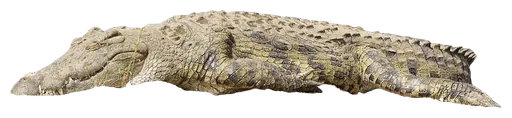
 Fight
FightPhoto: Stephen Temple from Cape Town, South Africa · CC BY-SA 2.0
The Nile crocodile is Africa's largest reptile and a shoreline ambush specialist. A 400 kg adult male combines a crushing crocodilian bite, gripping teeth, armored back, explosive tail-driven lunges and the seize-drag-drown tactic that makes river crossings deadly. It dominates at the water's edge but tires quickly and is far less dangerous on open dry ground.
 Attack89
  Defense80
  Agility53
  Stamina44
  Intelligence60
  Special78
 Detailed ratings
Research-backed ratings on one 0–100 scale for all 273 animals (updated 2026-09-28). How ratings work
Special abilities
Ability 1Crossing-Point AmbushWaits almost fully submerged at drinking points and river crossings, lunges, seizes and drags prey into deep water to drown it. This turns the shoreline into a trap for large land animals, as seen at the Mara River wildebeest crossings.
 Ability 2Fish-Dam Cooperation
Groups have been reported lining up across narrow channels to intercept migrating fish and holding large carcasses so others can tear off pieces. In a battle this mainly adds tactical options near water rather than raw force.
Unique traits
 TraitAfrica's Heavyweight Reptile
The largest crocodilian in Africa, with big males reaching roughly 225–750 kg and exceptional animals approaching a tonne.
TraitFingertip-Grade Jaw TouchDome-shaped sensory organs in the skin, studied directly in Nile crocodiles, detect pressure and vibration with sensitivity greater than human fingertips, helping the animal find and handle prey in murky water.
How it fights
Weapons
- The jaws are the main weapon. A Nile crocodile lies almost fully submerged with only its eyes, ears and nostrils showing, closes the distance with a short tail-driven lunge, seizes with conical teeth and then drags the victim into deeper water to drown it. Large prey is broken up by jerking the head from side to side or by rolling the whole body. Species accounts list zebra, buffalo, warthog, wildebeest, impala, baboon and hyena as adult prey, with the largest males occasionally taking giraffe, young hippos or lions. Fish, especially catfish and barbel, still make up most of the diet in many areas.
 Struggles vs
- Softer belly, eyes, throat and limb joints.
- Short limbs and poor dry-land pursuit.
- Offense depends on landing the first bite.
- Limited sustained high-output effort.
- A failed first strike against a large horned or tusked animal exposes it to heavy counterattack.
- Weight
- 400 kg882 lb
- Height
- No reliable measurement
- Length
- 4.5 m14.8 ft
- Top speed
- No reliable measurement
- Bite force
- No reliable measurement
- Lifespan
- 70 years
- Home biome
- Wetlands
- Lifestyle
- Social, nocturnal
Rated specimen: Healthy mature adult male, 400.0 kg and 450.0 cm total length, representing a large fighting-age bull rather than a record giant.
Fun facts
- A study of the Mara River estimated that crocodiles in the main drowning reach eat about 150 wildebeest during the migration, roughly 2% of the carcasses entering the river.
- Research on Nile crocodiles found their skin sensory organs are more sensitive to touch than human fingertips.
- Nest temperature decides a hatchling's sex; at Lake St Lucia males come from a narrow middle temperature band.
- Groups of crocodiles have been reported forming a living barrier across a 550 m channel at Lake St Lucia to catch migrating fish.
- Crocodiles in a zoo all-male group kept fighting even when visual barriers blocked their view of each other.
- The tongue carries salt glands, letting the species use brackish water despite being mainly a freshwater animal.
Closest rivals by power. Tap one for the full breakdown, or pick any opponent.
vs Siberian TigerLoses · 50% · Toss-up  L vs Saltwater CrocodileLoses · 53% · Toss-up
  L vs Bengal TigerLoses · 50% · Toss-up
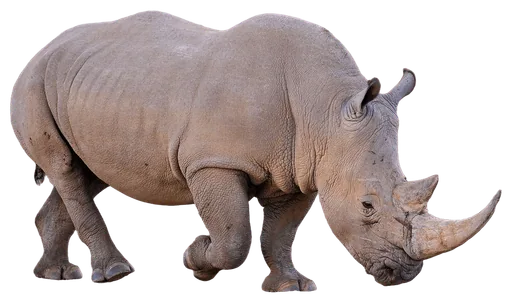
  L vs RhinocerosLoses · 52% · Toss-up
  L vs Black CaimanWins · 55% · Toss-up
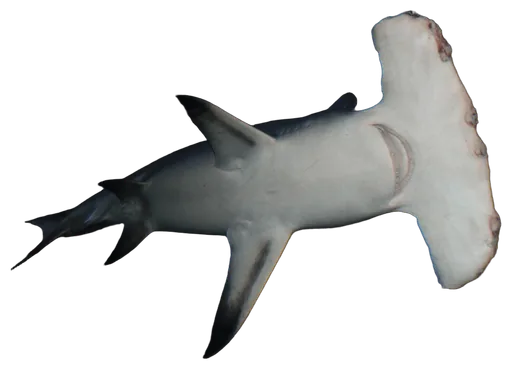
  W vs Hammerhead SharkLoses · 52% · Toss-up
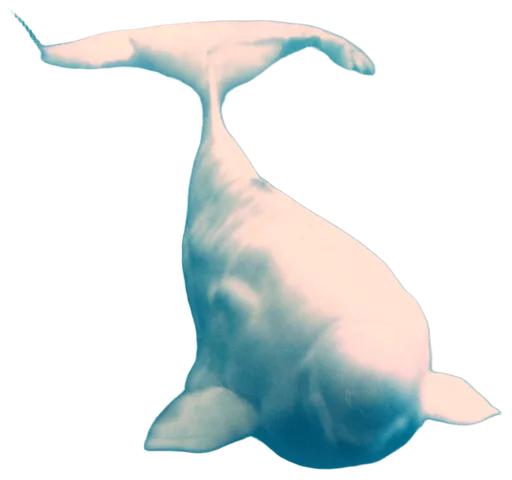
  L vs Beluga WhaleWins · 52% · Toss-up
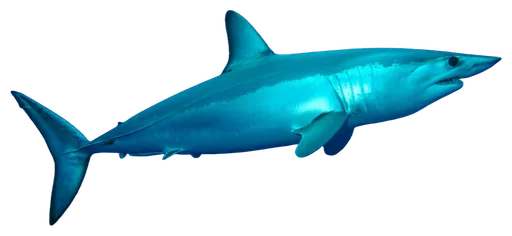
  W vs Mako SharkLoses · 53% · Toss-up
  L
L  Pick any opponent
 Nile Crocodile battle analysis
A big male Nile crocodile fights on its own terms. It spends most of its time nearly invisible, only the eyes, ears and nostrils breaking the surface, while sensory organs across its skin pick up ripples and footsteps at the water's edge. When an antelope, zebra or wildebeest lowers its head to drink or commits to a crossing, the crocodile converts tail thrust and 400 kg of body into a short, violent lunge. Once the jaws close, the fight moves into the water, where the crocodile holds, drags, rolls and waits for the victim to drown.
This species is also more social than its reputation suggests. Crocodiles gather wherever food concentrates, jostle by size, and have been reported working together: lining up across a channel to catch fish, or anchoring a carcass so others can tear it apart. Those behaviors give it tactical options that a purely solitary ambusher would lack, though they do not approach the planning of social mammals.
In ABS terms the Nile crocodile is an asymmetric specialist. It earns elite Attack and very strong Defense from its bite, mass and armor, sitting just below the heavier saltwater crocodile and well above the American alligator. Its Agility and Stamina stay moderate because ectothermic muscles are built for bursts, not long fights, and because it cannot chase or maneuver well on land. Keep it near water and it is among the most dangerous animals on the roster; pull the fight onto open ground and much of that danger disappears.
Habitat & range
Nile crocodiles live in rivers, lakes, swamps, marshes and floodplains across much of sub-Saharan Africa, especially eastern and southern Africa, and in Madagascar. They also enter brackish estuaries and coastal lakes such as Lake St Lucia, helped by salt glands on the tongue. West African populations are now usually treated as a separate species.
Diet & hunting
Hatchlings eat insects, crustaceans, amphibians and small fish. Prey size increases with growth. Adults eat mostly fish, especially catfish and barbel, plus birds, reptiles and mammals ranging from impala and warthog to wildebeest, zebra and buffalo. Carrion is taken readily. Because their metabolism is slow, big crocodiles can gorge during events such as migration crossings and then go a long time between large meals.
Social life
Adults are not territorial in every setting, but large males defend space and mating access, and dominance follows size. Crocodiles gather in numbers where food is concentrated, such as fish runs and river crossings, and can feed together on large carcasses.
Conservation
The species is listed as Least Concern on the IUCN Red List because it remains widespread and abundant across African wetlands. One widely repeated estimate puts the global population at about 50,000–70,000 mature individuals. Local populations still face habitat loss, pollution, persecution and conflict with people, and a Zimbabwe review found status varies considerably between water systems.
Quick answers
How strong is a Nile Crocodile?
On the Animal Battle Stats scale, the Nile Crocodile has an attack rating of 89 and a power index of 71.6 out of 100, which ranks it #18 of 273 animals and puts it in A tier (Elite). Its strongest stat is attack (89).
How much does a Nile Crocodile weigh?
A typical adult Nile Crocodile weighs about 400 kg (882 lb). Rated specimen: healthy mature adult male, 400.0 kg and 450.0 cm total length, representing a large fighting-age bull rather than a record giant.
How fast is a Nile Crocodile?
There is no reliable measured top speed for the Nile Crocodile, so we do not publish one. Its agility rating, which covers acceleration, reflexes and evasion, is 53 out of 100.
What does a Nile Crocodile eat?
Hatchlings eat insects, crustaceans, amphibians and small fish. Prey size increases with growth. Adults eat mostly fish, especially catfish and barbel, plus birds, reptiles and mammals ranging from impala and warthog to wildebeest, zebra and buffalo. Carrion is taken readily. Because their metabolism is slow, big crocodiles can gorge during events such as migration crossings and then go a long time between large meals.
Is the Nile Crocodile endangered?
No. The Nile Crocodile is listed as Least Concern. The species is listed as Least Concern on the IUCN Red List because it remains widespread and abundant across African wetlands. One widely repeated estimate puts the global population at about 50,000–70,000 mature individuals. Local populations still face habitat loss, pollution, persecution and conflict with people, and a Zimbabwe review found status varies considerably between water systems.
What animals can beat a Nile Crocodile?
Among its closest rivals, the Siberian Tiger (50%), the Saltwater Crocodile (53%), the Bengal Tiger (50%), the Rhinoceros (52%), the Hammerhead Shark (52%), the Mako Shark (53%) would be favored against the Nile Crocodile. It would be favored against the Black Caiman, the Beluga Whale.
Researched 2026-09-28. Ratings are editorial judgments built from these sources; measurements describe a healthy adult male.
- IUCN Crocodile Specialist Group species accountsize ranges, anatomy, reproduction
- SeaWorld / United Parks species factsmass, length, speed claims, lifespan, eyesight
- Wikipedia, Nile crocodilesize ranges, dimorphism
- San Diego Zoo Wildlife Alliance library fact sheetsalt glands, size conflict, taxonomy
- Zoomorphology (2016), KwaZulu-Natal morphometrics, sex ratio and dimorphism studydimorphism, morphometrics
- Erickson et al., PLOS ONE (2012)bite-force context
- National Geographic, crocodile bite-force testsbite testing included Nile crocodiles
- ScienceDaily, FSU bite-force releasebite record context
- Leitch and Catania, Journal of Experimental Biology (2012)senses
- National Geographic, croc jaws more sensitive than fingertipssenses, fun fact
- PNAS (2017), Annual mass drownings of the Serengeti wildebeest migrationpredation at crossings
- Dinets, Apparent coordination and collaboration in cooperatively hunting crocodilianscooperative hunting
- ScienceDaily, crocodiles hunt as a team (2014)cooperative hunting
- Visual barriers and intraspecific agonism in an all-male Nile crocodile group (PMC)intraspecific aggression
- World Land Trust species accountconservation, diet
- Review of Nile crocodile conservation status in Zimbabwe (ScienceDirect, 2021)regional conservation variation
Photo: “Crocodylus niloticus (45925213542).jpg” by Stephen Temple from Cape Town, South Africa, CC BY-SA 2.0, background removed and cropped. Original
Suggest a correction