
Nautilus
Nautilus pompiliusD tier · Underdog7th of 30 bugs & spiders
Size & speed
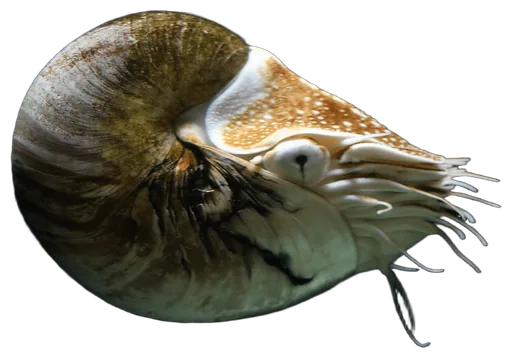
- Weight
- 550 g19.4 oz
- Length
- 15 cm5.9 in
- Top speed
- 1 km/h1 mph
As heavy as 2.8 smartphones
Heavier than 17% of animalsAbout 1.8 credit cards long
Bigger than 8% of animalsSlower than a walk (5 km/h)
Faster than 1% of animalsThe chambered nautilus is a slow, shelled cephalopod whose strength lies in defense and specialization rather than raw attack. A mature male weighs well under a kilogram and swims at only about 0.25 m/s, but its chambered shell regulates buoyancy, its hood can seal the vulnerable body inside, and more than 90 chemosensory tentacles locate and grip food in dark reef habitat.
Detailed ratings
Research-backed ratings on one 0–100 scale for all 344 animals (updated 2026-09-27). How ratings work


Card No. 268 of 344. Every animal on Animal Battle Stats has one: its power, tier and archetype on the front; its six battle stats, abilities and signature move on the back.
Special abilities
Gas/fluid regulation across the chambered shell controls buoyancy while the mineral shell simultaneously provides physical protection, reducing station-keeping cost and creating a defensive refuge.
More than 90 suckerless, sticky, ridged tentacles sample chemical and tactile cues while gripping food and funneling it toward the beak.
Unique traits
The soft head can withdraw into the shell and a tough leathery hood closes the aperture, turning an exposed feeder into a compact shelled target.
Lensless pinhole eyes provide limited vision, forcing unusually heavy reliance on chemical and tactile sensing in dark reef habitat.
How it fights
Weapons
- The primary offensive system is a cluster of numerous adhesive, suckerless tentacles that seize and manipulate small prey toward a hard beak and radula. This is excellent for shrimp, crabs, carrion and similarly small targets but has negligible absolute stopping power against medium or large roster animals. Unlike an octopus, the nautilus lacks muscular sucker-lined arms specialized for powerful grappling.
Struggles vs
- Very low absolute speed and acceleration compared with active predatory fishes.
- Small body mass and low absolute offensive force.
- Soft exposed head/tentacles when feeding.
- Shell can crack or implode under sufficient mechanical/hydrostatic stress.
- Poor visual resolution compared with many active marine predators.
- Weight
- 550 g19.4 oz
- Height
- No reliable measurement
- Length
- 15 cm5.9 in
- Top speed
- 1 km/h1 mph
- Bite force
- No reliable measurement
- Lifespan
- 20 years
- Home biome
- Ocean
- Lifestyle
- Social
Rated specimen: Healthy mature male, approximately 0.55 kg with a 15.0 cm shell diameter.
Fun facts
- A direct Fiji study measured a maximum swimming rate of only 0.25 m/s.
- Wild Osprey Reef recaptures indicate a lifespan beyond 20 years.
- Maturation may take about 15.5 years, extraordinarily late for a cephalopod.
- Adults can have roughly 30 or more shell chambers, while the animal lives only in the newest outer chamber.
- The shell is not merely decorative: pressure experiments show it can withstand tens of atmospheres before implosion.
- The nautilus has more than 90 tentacles, but no suckers.
Closest rivals by power. Tap one for the full breakdown, or pick any opponent.
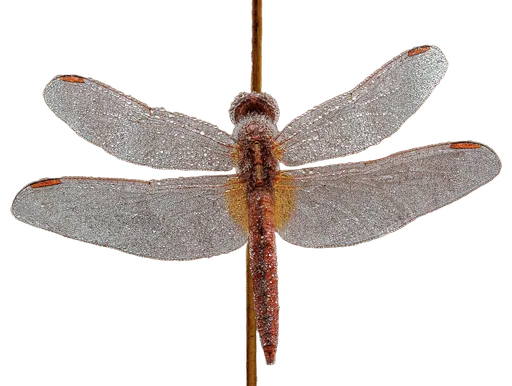
vs Monarch ButterflyWins · 83% · Clear edge 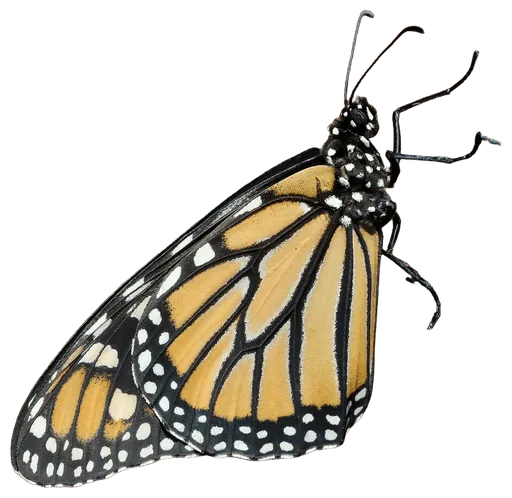 W vs DragonflyWins · 80% · Clear edge
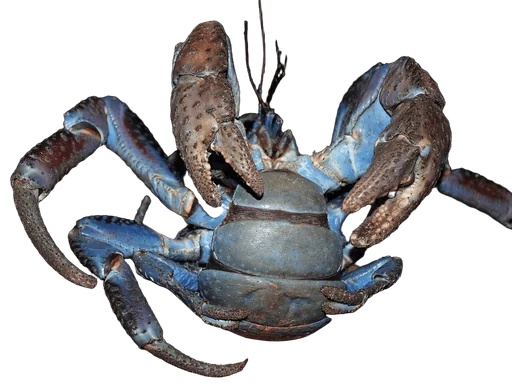
 W vs Coconut CrabLoses · 62% · Slight edge
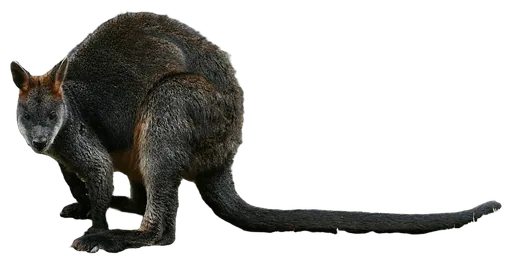
 L vs WallabyLoses · 69% · Slight edge
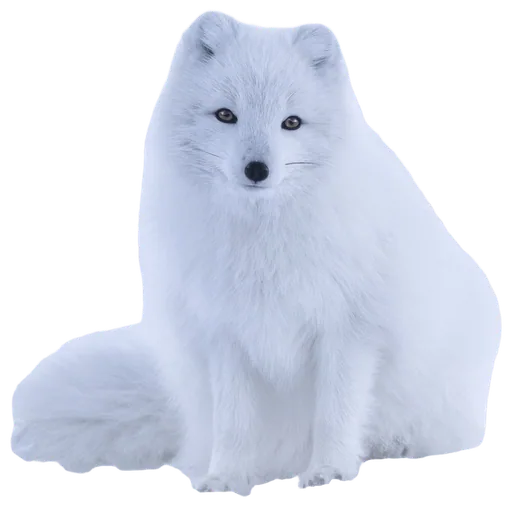
 L vs Arctic FoxLoses · 61% · Slight edge
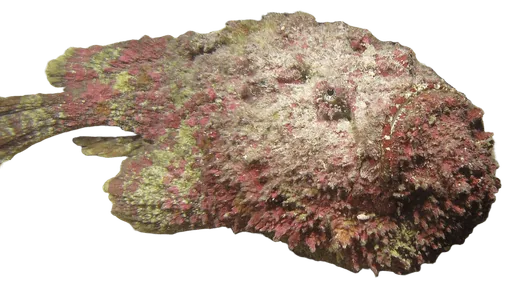
 L vs StonefishLoses · 56% · Toss-up
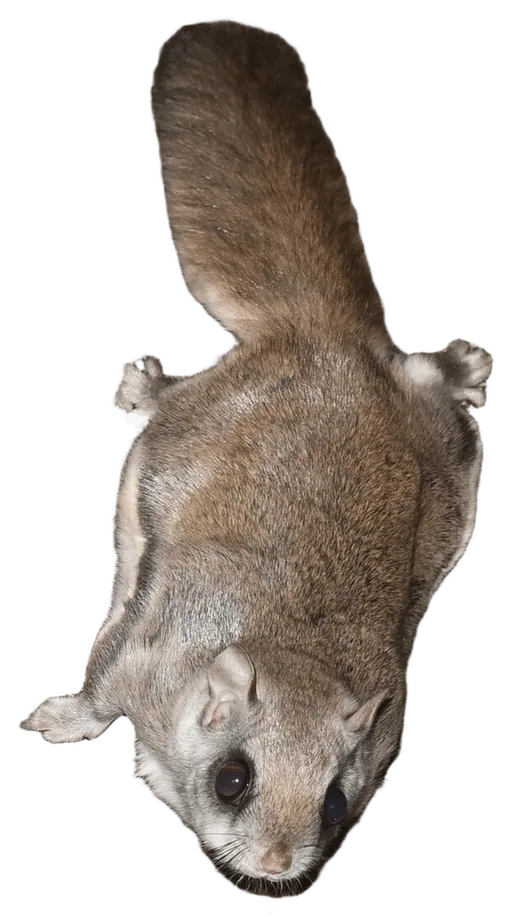
 L vs Flying SquirrelWins · 57% · Toss-up
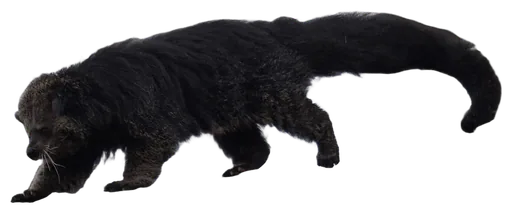
 W vs BinturongLoses · 69% · Slight edge
 L
Nautilus battle analysis
The nautilus is one of the roster's clearest examples of why absolute combat scoring and biological specialization must remain separate. Its beak can dismantle crustaceans and its dense tentacle array can hold prey, but a roughly half-kilogram animal cannot be scored as though proportional cleverness creates large-animal force. Attack therefore stays low.
Defense tells a different story. The nautilus carries a mineral chambered shell that functions simultaneously as refuge and hydrostatic buoyancy apparatus. When danger approaches, the animal can retract its soft tissues and close the opening with a leathery hood. Pressure experiments show that the shell can tolerate tens of atmospheres, yet its limits are equally informative: octopuses and shell-breaking fishes can defeat it, and mature shells eventually implode at sufficient depth.
Its movement is deliberate rather than athletic. Jet propulsion gives multidirectional control, while buoyancy lets the animal move through a three-dimensional reef environment without continuously supporting its weight. Direct Fiji measurements put maximum swimming at only 0.25 m/s. That makes it a poor pursuer but not an immobile one. At night it moves upward to forage, then returns to deeper refuge by day.
The sensory profile is equally distinctive. Lensless pinhole eyes are relatively crude, so chemical and tactile information from the numerous tentacles becomes central. In a dark reef crevice, that system works. In an open chase against a fast visual predator, it does not. The resulting ABS profile is a low-power armored specialist with moderate maneuvering control, good low-output stamina, and very high Special because its shell, buoyancy, hood and sensory tentacle array have few close analogues elsewhere in the roster.
Habitat & range
N. pompilius occupies Indo-West Pacific continental-shelf and slope habitats associated with coral reefs, from the Andaman region through the Philippines and Papua New Guinea to Fiji and northern Australia. Depth use varies geographically; Australian Museum records extend to about 750 m, while Osprey Reef research recorded animals between roughly 100 and 800 m and juveniles feeding in the same 200-610 m depth band as adults.
Diet & hunting
The chambered nautilus is primarily a nocturnal scavenger and opportunistic predator. Crustaceans are especially important, with fish and carrion also consumed. Rather than relying on sharp eyesight, it follows chemical information with specialized tentacles and physically transfers food to its beak and radula.
Social life
The species is not treated as a cooperative fighter. Sexes are separate, and males use modified appendages to transfer spermatophores. Reproduction is exceptionally slow for a cephalopod: maturity takes roughly 10-15+ years, females lay few eggs, and incubation lasts about a year. Osprey Reef data support a K-selected life history with maturation around 15.5 years.
Conservation
NOAA lists the chambered nautilus as Threatened under the U.S. Endangered Species Act and all nautiluses are regulated under CITES Appendix II. International shell trade is a major threat. Slow growth, late maturity, low reproductive output and geographically isolated populations make removal difficult to replace.
Quick answers
How strong is a Nautilus?
On the Animal Battle Stats scale, the Nautilus has an attack rating of 14 and a power index of 41.5 out of 100, which ranks it #268 of 344 animals and puts it in D tier (Underdog). Its strongest stat is special (85).
How much does a Nautilus weigh?
A typical adult Nautilus weighs about 550 g (19.4 oz). Rated specimen: healthy mature male, approximately 0.55 kg with a 15.0 cm shell diameter.
How fast is a Nautilus?
The Nautilus's top speed is about 1 km/h (1 mph). Its agility rating is 50 out of 100.
What does a Nautilus eat?
The chambered nautilus is primarily a nocturnal scavenger and opportunistic predator. Crustaceans are especially important, with fish and carrion also consumed. Rather than relying on sharp eyesight, it follows chemical information with specialized tentacles and physically transfers food to its beak and radula.
Is the Nautilus endangered?
The Nautilus's conservation status is Endangered. NOAA lists the chambered nautilus as Threatened under the U.S. Endangered Species Act and all nautiluses are regulated under CITES Appendix II. International shell trade is a major threat. Slow growth, late maturity, low reproductive output and geographically isolated populations make removal difficult to replace.
What animals can beat a Nautilus?
Among its closest rivals, the Coconut Crab (62%), the Wallaby (69%), the Arctic Fox (61%), the Stonefish (56%), the Binturong (69%) would be favored against the Nautilus. It would be favored against the Monarch Butterfly, the Dragonfly, the Flying Squirrel.
Researched 2026-09-27. Ratings are editorial judgments built from these sources; measurements describe a healthy adult male.
- NOAA Fisheries, Chambered Nautilustaxonomy, mature size, lifespan, diet, range, protection status, shell/tentacles
- Dunstan, Ward & Marshall 2011, PLOS ONE / Adelaide repositorydimorphism, maturity, growth, depth, longevity
- Ward et al. 1977, Paleobiologyweight, mature sex comparison, speed
- Saunders & Wehman, Paleobiologyshell strength
- Westermann & Ward, Paleobiologyshell strength/depth conflict
- Monterey Bay Aquariumtentacles, beak/radula, jet control, hood, depth behavior, reproduction
- Australian Museumrange, habitat, feeding, sensory ecology
- Animal Diversity Web species accountbehavior, vision, feeding
- ADW John White image recordadult image candidate
- Commons Aquarium Finisterrae photographreusable alternate image
Photo: “Nautilus pompilius 3.jpg” by Hans Hillewaert, CC BY-SA 4.0, background removed and cropped. Original
Suggest a correction