
Mountain Goat
Oreamnos americanusB tier · Strong36th of 163 mammals
Size & speed

- Weight
- 110 kg243 lb
- Length
- 1.65 m5.4 ft
As heavy as 1.6 people
Heavier than 73% of animalsAbout as long as a person is tall
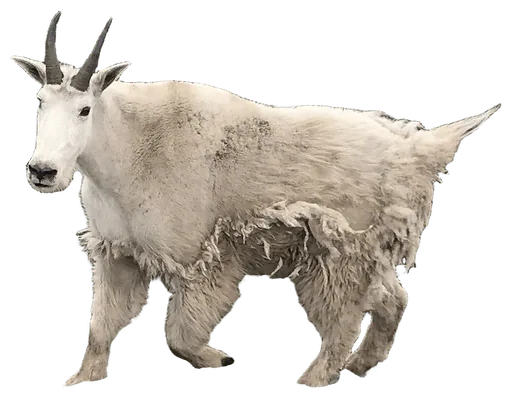
Bigger than 66% of animalsThe Mountain Goat (Oreamnos americanus) is a powerful North American cliff specialist whose sharp permanent horns, 100-plus-kilogram male body, and extraordinary hoof traction make it dangerous on broken alpine terrain. It is not a speed specialist or heavily armored tank. Its defining advantage is positional: on cliffs and ledges, few terrestrial opponents can match its balance, grip, and escape-route control.
Detailed ratings
Research-backed ratings on one 0–100 scale for all 344 animals (updated 2026-09-27). How ratings work


Card No. 64 of 344. Every animal on Animal Battle Stats has one: its power, tier and archetype on the front; its six battle stats, abilities and signature move on the back.
Special abilities
Hard hoof rims, flexible inner pads, spreading toes, and dewclaw support allow exceptional grip and precise repositioning on steep broken rock, giving the goat access to routes and stances many opponents cannot safely use.
Mountain goats behaviorally select cliffs and ledges as predator refuge and rapidly exploit elevation and narrow footing when threatened, converting habitat knowledge into a practical defensive advantage.
Unique traits
Both sexes retain slender black horns year-round; mature males have particularly thick horn bases and use the horns in dominance contests.
A dense undercoat beneath long hollow/coarse guard hairs protects the animal during severe cold and wind, supporting year-round occupation of exposed mountain habitat.
How it fights
Weapons
- The principal weapons are the paired permanent black horns. They are relatively short compared with ibex horns but sharply pointed, structurally robust at the base, and mounted on a stout head/neck complex. Adult males use fighting and aggressive displays to establish breeding dominance. The horns are better understood as close-range stabbing, hooking, threatening, and contact weapons than as giant ramming structures.
Struggles vs
- No heavy armor.
- Horns are dangerous but short compared with many large bovids and caprines.
- Limited ability to finish much larger opponents.
- Terrain specialization loses value on flat ground.
- Winter nutritional stress can reduce condition.
- Weight
- 110 kg243 lb
- Height
- 1 m3.3 ft
- Length
- 1.65 m5.4 ft
- Top speed
- No reliable measurement
- Bite force
- No reliable measurement
- Lifespan
- 14 years
- Home biome
- Mountains
- Lifestyle
- Social
Rated specimen: Healthy prime mature male (billy) from the native northern/western North American range, in normal adult condition with intact horns.
Fun facts
- Mountain goats are bovids but are not true goats of genus Capra.
- Both sexes grow permanent horns, and horn annuli can help estimate age.
- A marked-goat study found roughly 93% of horn length growth is already complete by age three.
- Their hooves combine a hard rim with a softer, pliable central pad, functioning like a natural high-traction climbing system.
- Forest Service habitat synthesis found predator avoidance can outweigh food acquisition in habitat choice.
- They may travel to mineral licks even when doing so requires leaving safer cliff habitat.
Closest rivals by power. Tap one for the full breakdown, or pick any opponent.
vs MooseLoses · 59% · Slight edge 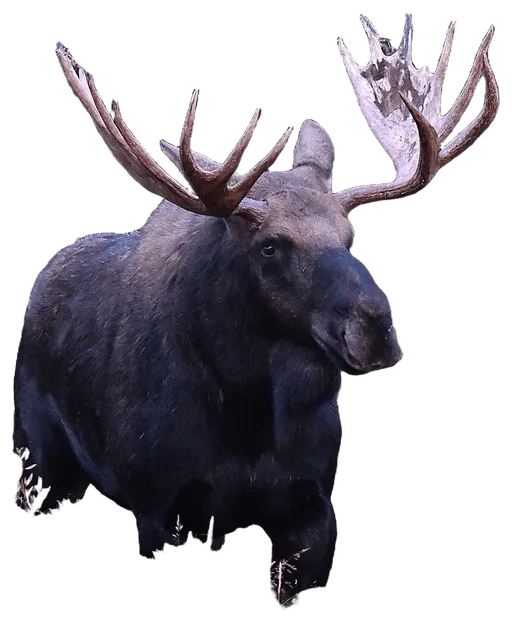 L vs LeopardWins · 54% · Toss-up
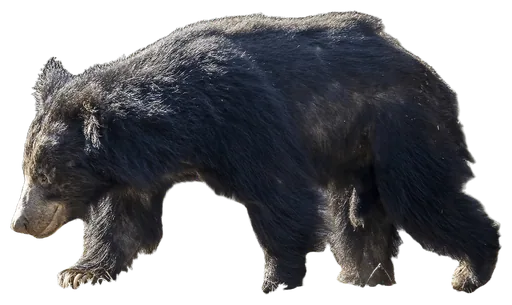
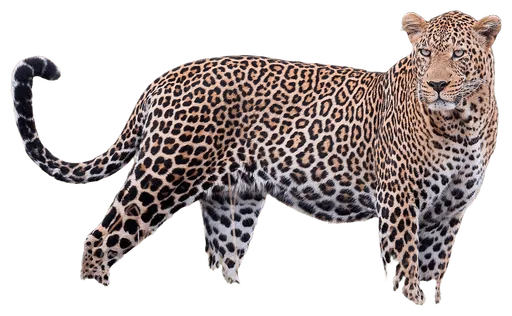 W vs Sloth BearDraw · 50-50 · Dead even
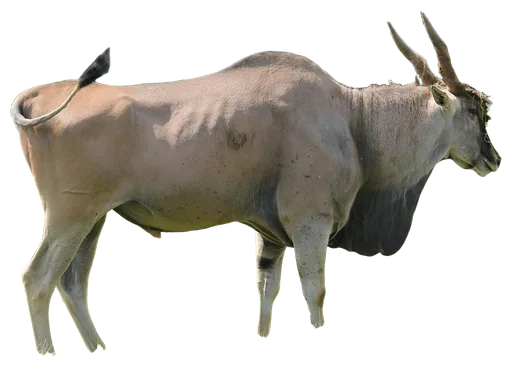
 D vs Common ElandLoses · 61% · Slight edge
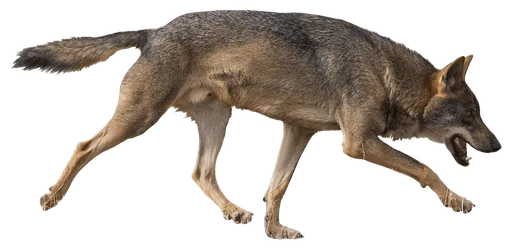
 L vs Gray WolfWins · 55% · Toss-up
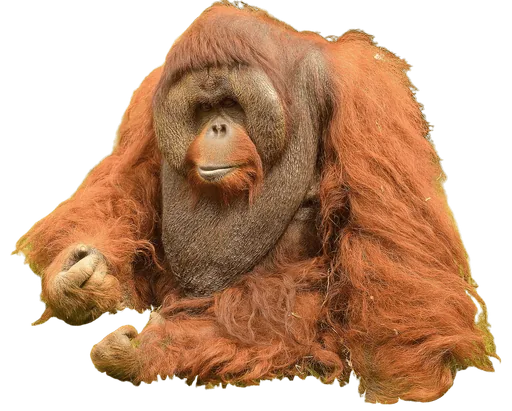
 W vs OrangutanWins · 51% · Toss-up
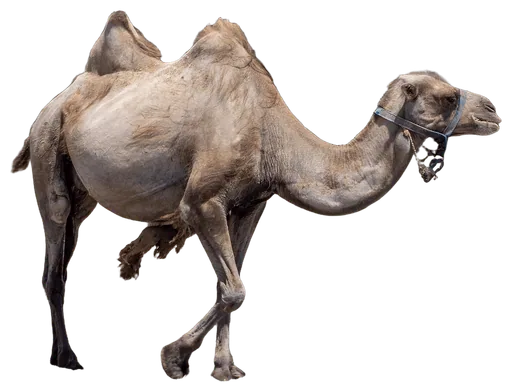
 W vs Bactrian CamelLoses · 59% · Slight edge
 L vs African LionLoses · 52% · Toss-up
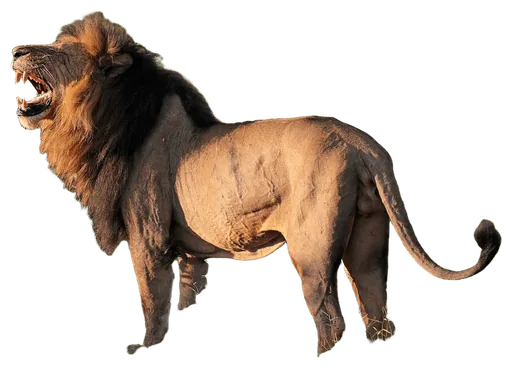 L
Mountain Goat battle analysis
A mature mountain-goat billy is built around one problem: staying functional where the ground itself is dangerous. Its compact body, strong limbs, permanent horns, and unusual hooves allow a roughly 110 kg animal to occupy ledges and steep rock that would destabilize many larger opponents. The hard edge of each hoof finds purchase while the pliable inner pad conforms to irregular rock. This is not merely athletic spectacle; field ecology shows that mountain goats deliberately keep escape terrain nearby and use it when large predators approach.
In direct combat, however, the species should not be exaggerated. Its horns are sharp and serious, and adult males genuinely fight for dominance during the rut, but the horns are shorter than the huge sweeping weapons of an ibex and the goat lacks the mass of elk, moose, musk oxen, or cattle. Many aggressive interactions are resolved by displays rather than injury. On flat ground its most distinctive advantage is reduced, leaving a strong medium-large bovid with respectable but not elite absolute offense.
Its best battle profile is therefore a terrain controller rather than a bruiser. On steep broken rock it can disengage, gain elevation, force an opponent onto poor footing, and threaten with horns from a stable stance. Against a cougar, large bear, wolf group, or much heavier ungulate on open terrain, its defenses are far less absolute. The ABS ratings preserve that distinction: exceptional Agility and strong Special, but only moderate Attack and Defense at the full-roster scale.
Habitat & range
Alpine and subalpine mountains, cliffs, talus, rocky ledges, open meadows, treeline outcrops, and seasonally lower forested or shrubby winter areas. Security terrain is a central habitat requirement.
Native to mountainous northwestern North America, including Alaska and western Canada and extending south through portions of the northwestern United States and Rockies. Some populations outside the core native range were introduced.
Diet & hunting
Mountain goats are flexible herbivorous mixed feeders. USFS documents grasses, forbs, shrubs, tree leaves/stems/bark, lichens, mosses, ferns, roots, bulbs, and other available vegetation. Winter diets often shift toward browse as snow limits herbaceous forage. Mineral licks are important seasonal resources.
Social life
Sociality varies seasonally. Females and young commonly associate in groups, while adult males may be solitary or in small bachelor associations outside the rut. Dominance hierarchies are well developed. During breeding, large males compete for females and dominant males tend to secure more mating opportunities.
Conservation
The species remains broadly established across western North America and is generally treated as Least Concern globally, but local populations can be vulnerable to disturbance, harvest, habitat change, disease, and climate-driven changes in alpine environments. Management must be population-specific.
Quick answers
How strong is a Mountain Goat?
On the Animal Battle Stats scale, the Mountain Goat has an attack rating of 51 and a power index of 60.8 out of 100, which ranks it #64 of 344 animals and puts it in B tier (Strong). Its strongest stat is agility (88).
How much does a Mountain Goat weigh?
A typical adult Mountain Goat weighs about 110 kg (243 lb). Rated specimen: healthy prime mature male (billy) from the native northern/western North American range, in normal adult condition with intact horns.
How fast is a Mountain Goat?
There is no reliable measured top speed for the Mountain Goat, so we do not publish one. Its agility rating, which covers acceleration, reflexes and evasion, is 88 out of 100.
What does a Mountain Goat eat?
Mountain goats are flexible herbivorous mixed feeders. USFS documents grasses, forbs, shrubs, tree leaves/stems/bark, lichens, mosses, ferns, roots, bulbs, and other available vegetation. Winter diets often shift toward browse as snow limits herbaceous forage. Mineral licks are important seasonal resources.
Is the Mountain Goat endangered?
No. The Mountain Goat is listed as Least Concern. The species remains broadly established across western North America and is generally treated as Least Concern globally, but local populations can be vulnerable to disturbance, harvest, habitat change, disease, and climate-driven changes in alpine environments. Management must be population-specific.
What animals can beat a Mountain Goat?
Among its closest rivals, the Moose (59%), the Common Eland (61%), the Bactrian Camel (59%), the African Lion (52%) would be favored against the Mountain Goat. It would be favored against the Leopard, the Gray Wolf, the Orangutan. It is dead even with the Sloth Bear: a draw.