

Mosquito
Anopheles gambiae
 #268 of 273
  Wetlands Skirmisher Not Evaluated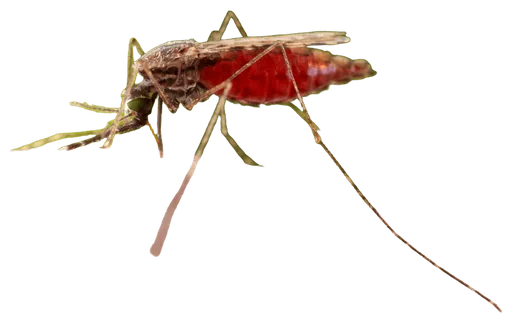
 Fight
FightPhoto: CDC/ James Gathany · Public domain
The African malaria mosquito weighs about 2 mg and tracks people by their breath, body heat and appearance before slipping six needle-like stylets into the skin. It cannot hurt anything directly, and any swat kills it, but the malaria parasites it carries make it one of the most dangerous animals to humans outside the battle arena.
 Attack0.6
  Defense0.5
  Agility68
  Stamina34
  Intelligence15
  Special48
 Detailed ratings
Research-backed ratings on one 0–100 scale for all 273 animals (updated 2026-09-28). How ratings work
Special abilities
Ability 1Breath-Tracker HomingFollows a host's carbon dioxide plume from about 10–50 m, switches to vision at about 5–15 m and to body heat within about a metre, landing on a target that has not noticed it.
 Ability 2Six-Needle Siphon
A fascicle of six stylets slides into skin with a force of about 16.5 µN while saliva with anticoagulants keeps the blood flowing, letting it drink a meal as heavy as its own body.
Unique traits
 TraitMalaria Carrier
An. gambiae is the most efficient malaria vector in Africa; WHO estimated 263 million malaria cases and 597,000 deaths worldwide in 2023, about 95% of the deaths in the WHO African Region.
TraitRaindrop SurvivorAt about 2 mg it is so light that a falling raindrop up to 50 times heavier barely slows on impact, so the mosquito is knocked aside and flies on.
How it fights
Weapons
- The only tool is the piercing fascicle, which draws blood rather than causing injury. Its real-world danger comes from what the saliva carries: malaria parasites (Plasmodium) that it can transmit to people. That effect takes days to weeks to appear and depends on the mosquito being infected and the host being susceptible, so it has almost no bearing on a fight in progress.
 Struggles vs
- About 2 mg, with no physical way to harm a large animal.
- Killed by any direct hit.
- Short adult life.
- Disease transmission is delayed and host-specific, not a battle weapon.
- Weak flier in wind.
- Weight
- 0 g0 oz
- Height
- No reliable measurement
- Length
- 0.3 cm0.1 in
- Top speed
- No reliable measurement
- Bite force
- No reliable measurement
- Lifespan
- No reliable measurement
- Home biome
- Wetlands
- Lifestyle
- Mostly solitary, nocturnal
Rated specimen: Healthy adult female, about 2 mg and 3 mm body length.
Fun facts
- A raindrop can weigh up to 50 times as much as a mosquito, yet the mosquito survives the hit.
- Only female mosquitoes bite.
- A blood meal can weigh more than the mosquito itself.
- The mosquito's mouthparts are a bundle of six needle-like stylets.
- It inserts them into skin with a force of only about 16.5 micronewtons.
- Males and females "sing" to each other by matching wingbeat harmonics.
Closest rivals by power. Tap one for the full breakdown, or pick any opponent.
vs Titan BeetleWins · 51% · Toss-up  W vs Army AntWins · 52% · Toss-up
  W vs AxolotlWins · 50% · Toss-up
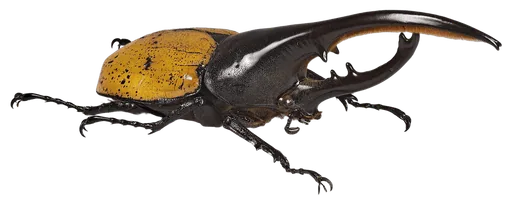
  W vs Hercules BeetleLoses · 53% · Toss-up
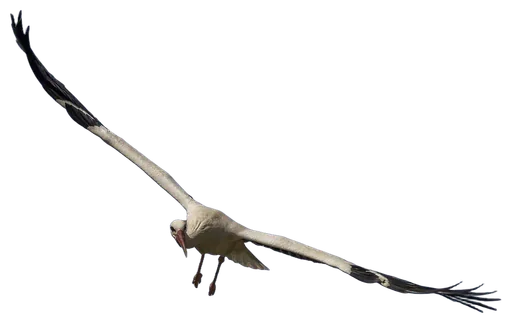
  L vs StorkLoses · 51% · Toss-up
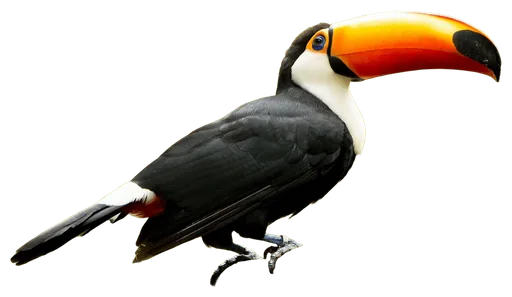
  L vs ToucanLoses · 52% · Toss-up
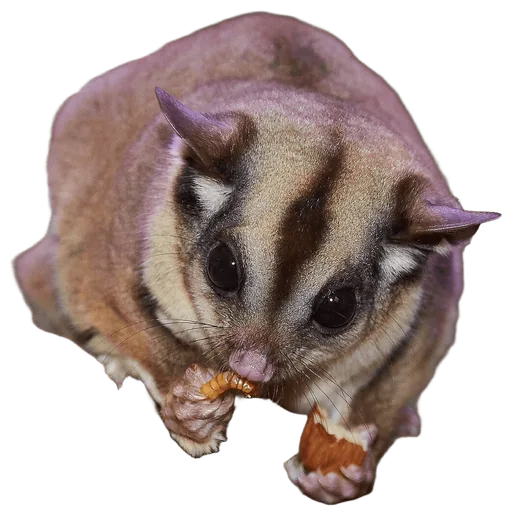
  L vs Sugar GliderLoses · 54% · Toss-up
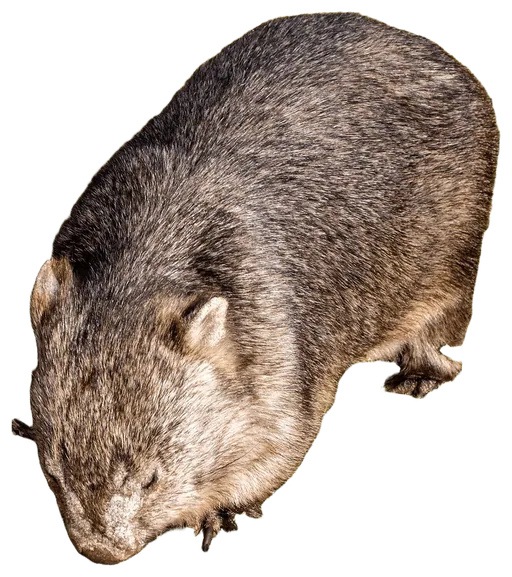
  L vs WombatWins · 55% · Toss-up
  W
W  Pick any opponent
 Mosquito battle analysis
Anopheles gambiae is a 3 mm insect weighing about 2 mg, and on the absolute battle scale it sits at the very bottom for Size, Attack and Defense. It has no jaws to bite with and no sting. Any direct hit kills it. What it has instead is a precision system for getting blood without being noticed.
A female looking for a meal follows carbon dioxide from a host's breath from tens of metres away, then uses sight and, at close range, body heat to land. Her proboscis holds six stylets; the sharp labrum and saw-edged maxillae slide into skin with micronewton forces, and saliva with anticoagulants keeps blood flowing. She can drink a meal as heavy as herself and fly off, usually at night and often indoors, when people are asleep.
The mosquito's reputation as the deadliest animal comes from what it carries, not what it does in a fight. Malaria parasites transmitted in its saliva caused an estimated 597,000 deaths in 2023, almost all in Africa. That effect appears days later and only in susceptible hosts, so the ratings credit it partly under Special while keeping Attack at the floor. In a direct contest it relies on low inertia, small size and good senses to avoid being hit.
Habitat & range
An. gambiae lives across sub-Saharan Africa, especially in humid savanna and farmland near people. Larvae grow in small, sunlit pools of fresh water such as puddles, hoof prints and rice fields. Adults rest and feed in and around houses.
Diet & hunting
Adults of both sexes drink plant sugars. Females also take blood, preferring humans, to develop their eggs. Larvae filter food from the water surface. Mosquitoes are prey for many animals: dragonflies, bats, birds, spiders and, as larvae, fish and other aquatic predators.
Social life
Not social. Males form mating swarms at dusk, and females enter the swarms to mate; males and females tune their wingbeat tones to find each other.
Conservation
Not Evaluated: no IUCN Red List assessment exists for this species in the sources located. It is abundant and the target of major control efforts because of malaria.
Quick answers
How strong is a Mosquito?
On the Animal Battle Stats scale, the Mosquito has an attack rating of 0.6 and a power index of 21.8 out of 100, which ranks it #268 of 273 animals and puts it in F tier (Snack). Its strongest stat is agility (68).
How much does a Mosquito weigh?
A typical adult Mosquito weighs about 0 g (0 oz). Rated specimen: healthy adult female, about 2 mg and 3 mm body length.
How fast is a Mosquito?
There is no reliable measured top speed for the Mosquito, so we do not publish one. Its agility rating, which covers acceleration, reflexes and evasion, is 68 out of 100.
What does a Mosquito eat?
Adults of both sexes drink plant sugars. Females also take blood, preferring humans, to develop their eggs. Larvae filter food from the water surface. Mosquitoes are prey for many animals: dragonflies, bats, birds, spiders and, as larvae, fish and other aquatic predators.
Is the Mosquito endangered?
The Mosquito's conservation status is Not Evaluated. Not Evaluated: no IUCN Red List assessment exists for this species in the sources located. It is abundant and the target of major control efforts because of malaria.
What animals can beat a Mosquito?
Among its closest rivals, the Hercules Beetle (53%), the Stork (51%), the Toucan (52%), the Sugar Glider (54%) would be favored against the Mosquito. It would be favored against the Titan Beetle, the Army Ant, the Axolotl, the Wombat.
Researched 2026-09-28. Ratings are editorial judgments built from these sources; measurements describe a healthy adult female.
- UF/IFAS EDIS EENY601, African malaria mosquitoidentity, vector status, behaviour, lifespan
- CDC, Life cycle of Anopheles mosquitoeslife cycle, lifespan
- Dickerson et al. 2012, PNAS: raindrop collisionsmass, length, raindrop survival
- Same study, PMCsame
- Lyimo et al. 1993, Medical and Veterinary Entomologybody size and fecundity
- Body size and sporozoite rates on the Kenya coast (PubMed)wing length
- Wing length and blood meal volume in seven Anopheles colonies (PubMed)blood meal size
- Bed net use, female size and first meal choice (PMC)size variation
- Senescence in wild mosquitoes (arXiv)wild lifespan
- Caltech news on van Breugel et al. 2015host-seeking ranges
- van Breugel et al. 2015, Current Biology (PMC)host-seeking
- Harmonic convergence in An. gambiae swarms, Sci Rep 2021 (PMC)hearing, mating
- Circadian control of audibility in Anopheles swarms, Science Advanceshearing
- Multitasking roles of mosquito labrum (PMC)mouthparts
- Biting innovations of mosquito-based biomaterials (PMC)insertion force
- WHO, World malaria report 2024human impact
- Animal Diversity Web, Anopheles gambiaegeneral species facts
- Wikimedia Commons, Anopheles gambiae mosquitoimage candidate
Photo: “Anopheles-merus.png” by CDC/ James Gathany, Public domain, background removed and cropped. Original
Suggest a correction