
Moray Eel
Gymnothorax javanicusB tier · Strong27th of 51 sea creatures
Size & speed

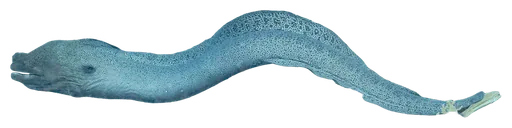
- Weight
- 25 kg55 lb
- Length
- 2.2 m7.2 ft
As heavy as 5.6 house cats
Heavier than 56% of animalsAbout as long as a person is tall
Bigger than 76% of animalsThe giant moray is a roughly 2.2 m reef ambush predator whose danger comes from sharp oral teeth, extreme body flexibility and a second raptorial jaw system that helps pull captured prey into the throat. Its best terrain is complex coral structure, where it can enter holes larger predators cannot. It also shows unusually sophisticated hunting behavior for a fish through documented cooperation with groupers.
Detailed ratings
Research-backed ratings on one 0–100 scale for all 344 animals (updated 2026-09-27). How ratings work


Card No. 118 of 344. Every animal on Animal Battle Stats has one: its power, tier and archetype on the front; its six battle stats, abilities and signature move on the back.
Special abilities
Moray pharyngeal jaws protract into the mouth to seize prey already held by the oral jaws and retract it toward the oesophagus, reducing reliance on suction and making a successful bite unusually difficult for prey to escape.
Giant morays can join coordinated hunts with roving coral groupers, exploiting complementary open-water and crevice-hunting roles after grouper recruitment signals.
Unique traits
An elongated, pectoral-fin-free body can penetrate and turn through reef holes inaccessible to many similarly massive predators.
Ontogenetic color change replaces the juvenile large-spot pattern with finer dark speckling and leopard-like markings behind the head, providing a useful adult-identification clue without inferring sex.
- Weight
- 25 kg55 lb
- Height
- No reliable measurement
- Length
- 2.2 m7.2 ft
- Top speed
- No reliable measurement
- Bite force
- No reliable measurement
- Lifespan
- 39 years
- Home biome
- Ocean
- Lifestyle
- Social
Rated specimen: Healthy large mature adult, sex unknown, approximately 25.0 kg and 220.0 cm total length.
Fun facts
- FishBase lists the species at up to 300 cm and 30 kg, making it the heaviest giant among Indo-Pacific morays.
- A 2025 study aged the oldest of its three largest sampled giant morays at 39 years.
- Giant morays participate in one of the best documented examples of interspecific coordinated hunting in fishes, partnering with roving coral groupers.
- Moray pharyngeal jaws can move forward from behind the skull into the oral cavity to grasp prey.
- Adult giant morays look different from juveniles: large juvenile spots become finer speckling and leopard-like markings with growth.
- Ciguatoxin can bioaccumulate strongly in giant morays, making large individuals risky food even though the eel is not venomous.
Closest rivals by power. Tap one for the full breakdown, or pick any opponent.
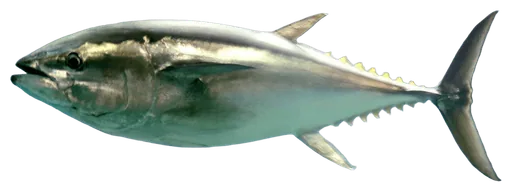
vs Electric EelWins · 54% · Toss-up 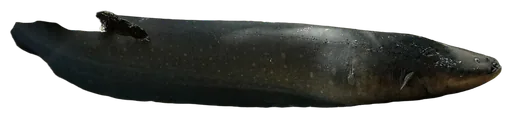 W vs TunaLoses · 62% · Slight edge
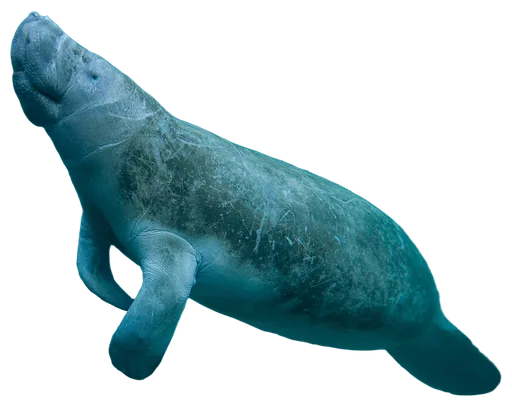
 L vs ManateeLoses · 65% · Slight edge
 L vs Proboscis MonkeyWins · 51% · Toss-up
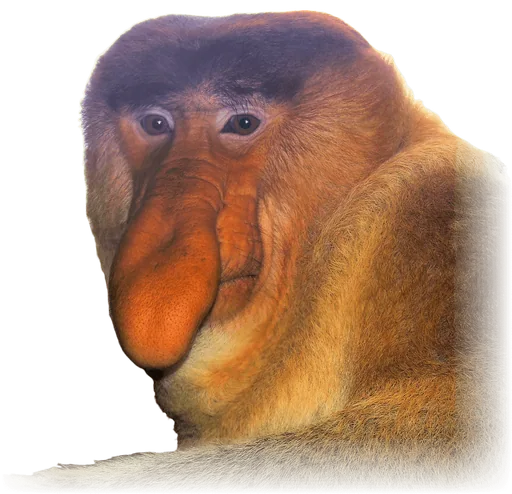 W vs MandrillLoses · 51% · Toss-up
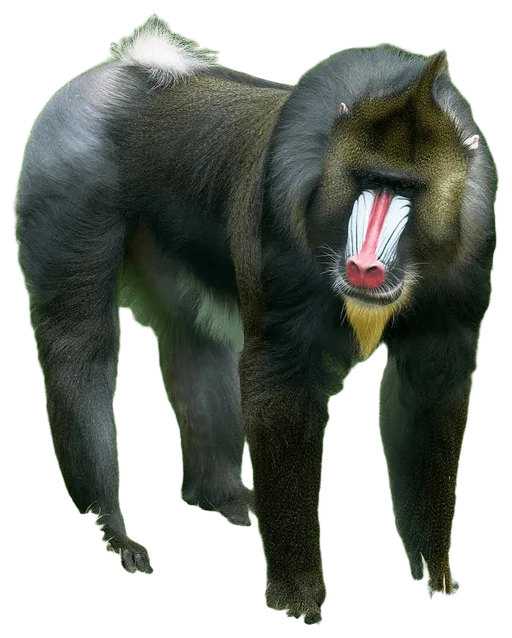 L vs Tibetan MastiffLoses · 54% · Toss-up
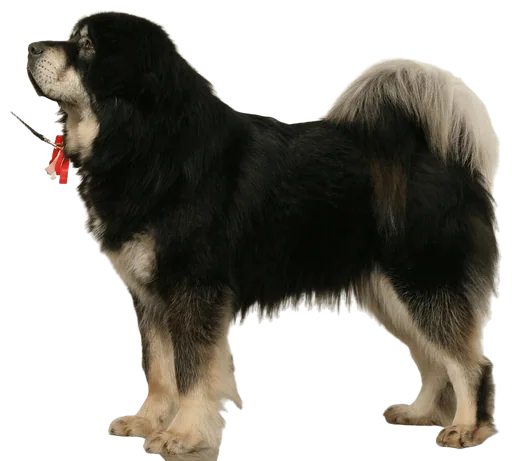 L vs OkapiLoses · 63% · Slight edge
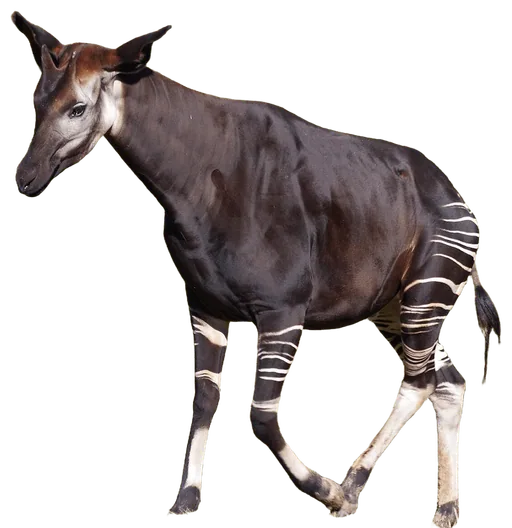 L vs Caucasian Shepherd DogLoses · 55% · Toss-up
 L
Moray Eel battle analysis
The giant moray is not an open-water speedster or an armored tank. It is a close-range reef specialist. Its long muscular body lets it disappear into the structural maze of coral and rock, leaving little exposed except an armed head. When prey enters reach, the oral jaws seize it. Moray feeding anatomy then solves a problem faced by long narrow fishes: rather than relying on strong suction, mobile pharyngeal jaws advance into the mouth, grip the captured prey and draw it backward.
Its most surprising advantage is behavioral. In the Red Sea, giant morays and roving coral groupers have been observed conducting coordinated hunts. Groupers recruit morays and indicate hidden prey; the moray can enter crevices while the grouper covers open-water escape. This is strong evidence for tactical flexibility, but ABS does not turn it into pack-level physical power for a solitary eel.
The result is an asymmetric fighter. A giant moray is dangerous at close range and unusually maneuverable inside structure, but its roughly tens-of-kilograms body lacks armor and becomes much less threatening in featureless open water against much larger predators. Its ratings therefore emphasize Weaponry, Maneuverability, Tactics and Special rather than raw size or defense.
Habitat & range
The giant moray occupies tropical Indo-Pacific lagoon and seaward reefs, including the Red Sea and East Africa eastward into the Pacific. FishBase and the National Museum of Nature and Science place it in reef holes, slopes and drop-offs, with records to at least roughly 46-50 m depth.
Diet & hunting
It is a high-level reef carnivore feeding mainly on fishes, with crustaceans and cephalopods also taken. It is usually solitary in reef holes. Large individuals can accumulate ciguatoxins through the food web, which makes consumption hazardous in some regions.
Social life
Ordinary den use is solitary, but hunting is not behaviorally isolated in every context. The grouper-moray system demonstrates temporary cross-species cooperation without implying stable packs or permanent pair bonds.
Conservation
IUCN assessment cited by FishBase and institutional summaries lists G. javanicus as Least Concern. A wide Indo-Pacific distribution and occurrence in protected reef systems help, though reef degradation and fishing can create local pressure.
Quick answers
How strong is a Moray Eel?
On the Animal Battle Stats scale, the Moray Eel has an attack rating of 49 and a power index of 54.2 out of 100, which ranks it #118 of 344 animals and puts it in B tier (Strong). Its strongest stat is special (86).
How much does a Moray Eel weigh?
A typical adult Moray Eel weighs about 25 kg (55 lb). Rated specimen: healthy large mature adult, sex unknown, approximately 25.0 kg and 220.0 cm total length.
How fast is a Moray Eel?
There is no reliable measured top speed for the Moray Eel, so we do not publish one. Its agility rating, which covers acceleration, reflexes and evasion, is 74 out of 100.
What does a Moray Eel eat?
It is a high-level reef carnivore feeding mainly on fishes, with crustaceans and cephalopods also taken. It is usually solitary in reef holes. Large individuals can accumulate ciguatoxins through the food web, which makes consumption hazardous in some regions.
Is the Moray Eel endangered?
No. The Moray Eel is listed as Least Concern. IUCN assessment cited by FishBase and institutional summaries lists G. javanicus as Least Concern. A wide Indo-Pacific distribution and occurrence in protected reef systems help, though reef degradation and fishing can create local pressure.
What animals can beat a Moray Eel?
Among its closest rivals, the Tuna (62%), the Manatee (65%), the Mandrill (51%), the Tibetan Mastiff (54%), the Okapi (63%), the Caucasian Shepherd Dog (55%) would be favored against the Moray Eel. It would be favored against the Electric Eel, the Proboscis Monkey.
Researched 2026-09-27. Ratings are editorial judgments built from these sources; measurements describe a healthy adult.
- FishBase, Gymnothorax javanicustaxonomy, maximum length/weight, adult coloration, habitat, diet, solitary behavior, reproduction
- National Museum of Nature and Science, Fishes of Andaman Seateeth, size, habitat, range
- Bshary et al., PLOS Biology / PubMedcooperative hunting, communication, tactics
- PLOS supporting datasetbehavioral evidence archive
- Mehta & Wainwright, Nature 2007moray pharyngeal-jaw mechanism
- Mehta, Journal of Morphology 2008pharyngeal-jaw functional morphology
- Marine Drugs 2025, giant moray age/toxinsdemonstrated age, ciguatoxin burden
- Wikimedia Commons, candidate imageexact-species image provenance
Photo: “Morena gigante (Gymnothorax javanicus), parque nacional Ras Muhammad, Egipto, 2022-03-27, DD 56.jpg” by Diego Delso, CC BY-SA 4.0, background removed and cropped. Original
Suggest a correction