
Moose
Alces alcesB tier · Strong37th of 163 mammals
Size & speed

- Weight
- 550 kg1,213 lb
- Length
- 3 m9.8 ft
- Top speed
- 56 km/h35 mph
As heavy as 7.9 people
Heavier than 91% of animals1.7× a person's height
Bigger than 85% of animalsFaster than Usain Bolt (44.7 km/h)
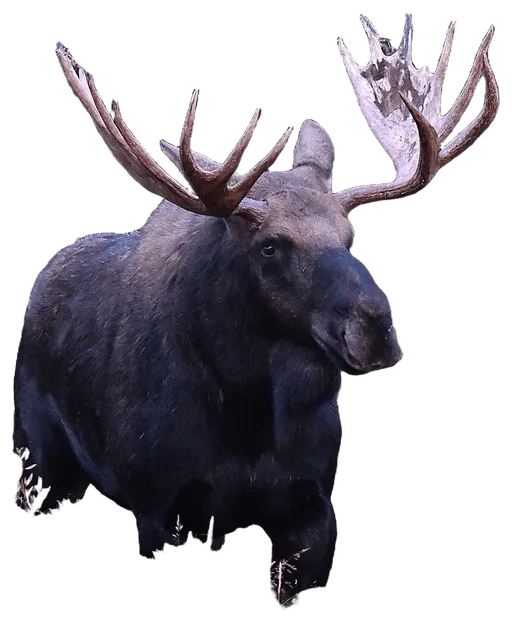
Faster than 69% of animalsThe moose is the world's largest living deer. A prime bull is a half-tonne seasonal combat specialist carrying a broad multi-tined rack, powerful hooves and enormous rut-conditioned neck and shoulders. It combines severe frontal damage potential with surprising snow, wetland and swimming mobility, but lacks true body armor and remains vulnerable to flanking predators and heat.
Detailed ratings
Research-backed ratings on one 0–100 scale for all 344 animals (updated 2026-09-27). How ratings work


Card No. 65 of 344. Every animal on Animal Battle Stats has one: its power, tier and archetype on the front; its six battle stats, abilities and signature move on the back.
Special abilities
The broad palmate antler shield carries projecting tines and is used to absorb clashes, twist rivals, shove, gore and control frontal space during the rut.
Extremely long legs and broad hooves let a massive animal cross wetlands, soft snow and shallow water while retaining unusual mobility for its size.
Unique traits
NPS field research reports bull neck musculature expanding dramatically during the rut, reinforcing the body region that powers and absorbs antler combat.
Observed bulls actively seek uphill position during serious fights to improve battering leverage, a rare directly documented positional tactic in a giant ungulate.
How it fights
Weapons
- Prime bulls are specialized seasonal wrestlers. NPS Denali observations distinguish harmless sparring from genuine fights. In serious contests bulls clash antlers, push, twist an opponent's head, try to force rivals backward or down, seek uphill leverage, and may gore with antler points. Serious injuries and occasional deaths occur. The antler palm also works as a shield while tines can puncture body tissue or injure eyes. Long forelegs and hard hooves add dangerous kicks and stomps when an opponent gets past the rack.
- Weight
- 550 kg1,213 lb
- Height
- 2 m6.6 ft
- Length
- 3 m9.8 ft
- Top speed
- 56 km/h35 mph
- Bite force
- No reliable measurement
- Lifespan
- 15 years
- Home biome
- Arctic
- Lifestyle
- Mostly solitary
Rated specimen: Healthy prime mature bull in hard-antler rut condition, approximately 550.0 kg, 200.0 cm shoulder height, and 300.0 cm total length.
Fun facts
- NPS reports mature Interior Alaska bull antler pairs averaging roughly 45-50 lb, with exceptional pairs up to 75 lb.
- Prime bulls can grow antler tissue at roughly an inch per day during the fastest growth period.
- Serious bull fights can be fatal, while ordinary sparring is largely practice and assessment.
- Bulls have been observed seeking uphill position to gain leverage in fights.
- Moose are powerful enough swimmers to travel several miles and feed in aquatic habitats.
- Their long hollow hairs are a major cold-weather insulation system.
Closest rivals by power. Tap one for the full breakdown, or pick any opponent.
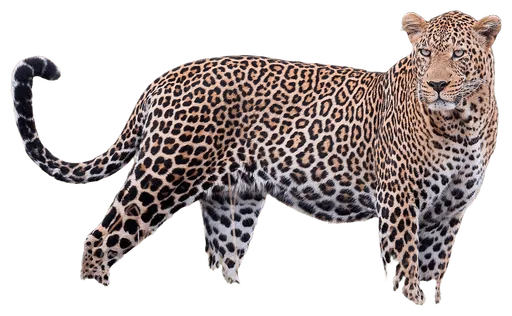
vs Mountain GoatWins · 59% · Slight edge 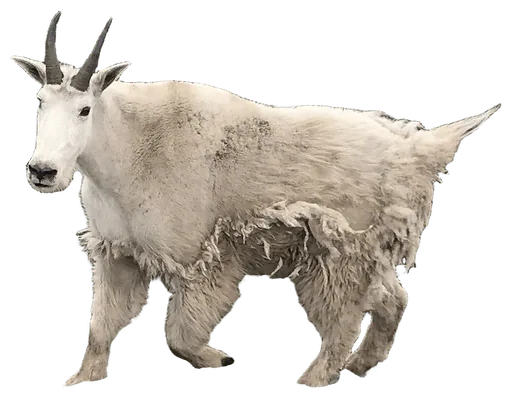 W vs LeopardWins · 63% · Slight edge
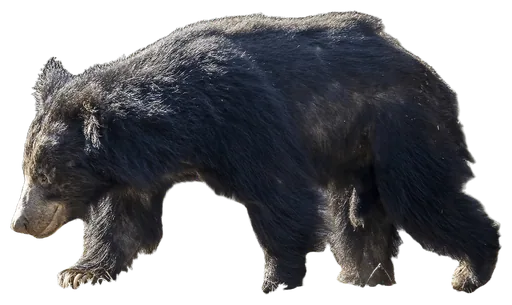
 W vs Sloth BearWins · 59% · Slight edge
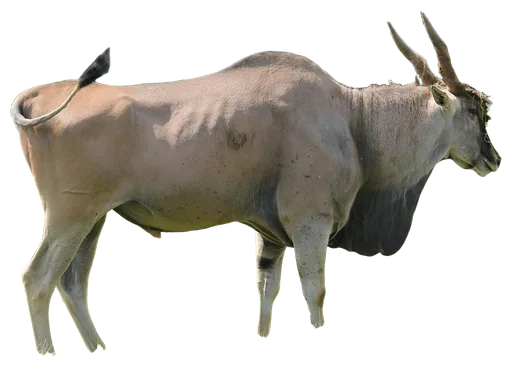
 W vs Common ElandLoses · 52% · Toss-up
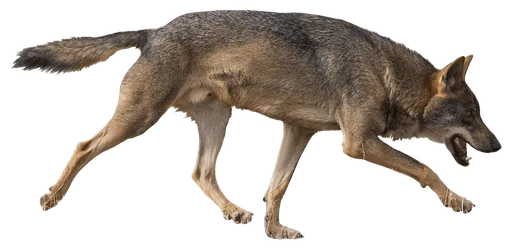
 L vs Gray WolfWins · 64% · Slight edge
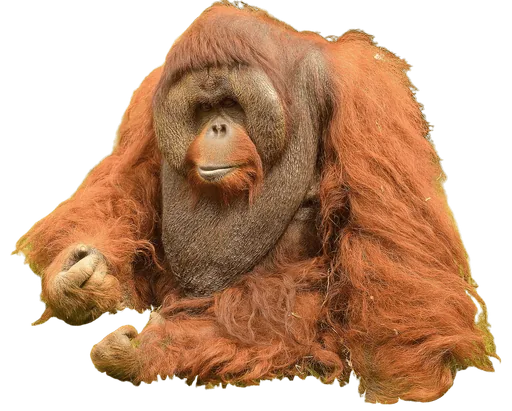
 W vs OrangutanWins · 60% · Slight edge
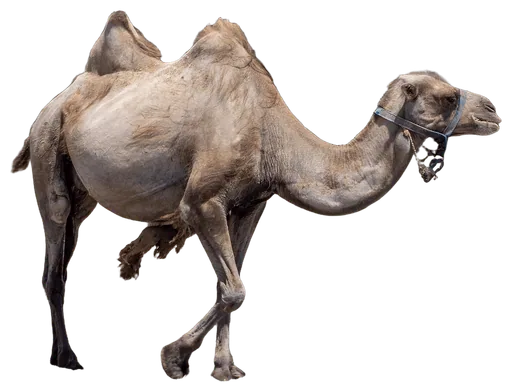
 W vs Bactrian CamelDraw · 50-50 · Dead even
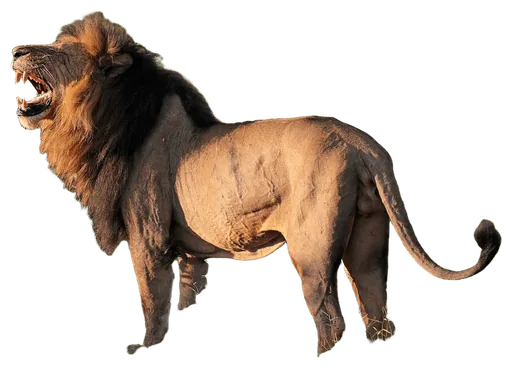
 D vs African LionWins · 57% · Toss-up
 W
Moose battle analysis
A prime bull moose is built around frontal control. The rack is not decoration: field observations show mature bulls crashing antlers, twisting heads, driving rivals backward, seeking slope advantage and occasionally inflicting fatal wounds. Behind that rack is a massive shoulder complex and a neck that becomes substantially more muscular during the rut. If an opponent bypasses the antlers, the long legs still carry hard hooves capable of dangerous kicks and stomps.
Its size does not make it clumsy in the simplistic sense. Long legs and broad hooves carry it through marshes and snow, and moose are excellent swimmers. Yet this mobility is terrain-dependent. Crusted deep snow can expose it to wolf attacks, dense cover can interfere with a broad rack, and heat stresses a body designed for northern climates. On the ABS scale the moose should therefore be a high-attack, high-power ungulate with moderate defense and agility rather than an armored tank or an all-purpose megafaunal ceiling.
Habitat & range
Moose occupy circumpolar northern forests, shrublands, wetlands, lake margins and boreal landscapes across North America and Eurasia under the broad Alces alces treatment. They are closely tied to cool climates and abundant woody browse.
Diet & hunting
They are generalist browsers. USDA Forest Service synthesis reports heavy use of willow, aspen and birch, with leaves, stems, buds and bark forming most of the annual diet; aquatic vegetation is important seasonally. Their browsing can materially alter plant-community structure.
Social life
Moose are among the least social cervids and are usually solitary outside breeding. During the rut, temporary groups form around receptive cows and dominant bulls. Sociality therefore does not inflate individual power.
Conservation
At the global species level moose are generally treated as Least Concern, though regional populations can decline from habitat change, parasites, predation, hunting pressure and warming-related stress.
Quick answers
How strong is a Moose?
On the Animal Battle Stats scale, the Moose has an attack rating of 69 and a power index of 60.8 out of 100, which ranks it #65 of 344 animals and puts it in B tier (Strong). Its strongest stat is stamina (70).
How much does a Moose weigh?
A typical adult Moose weighs about 550 kg (1,213 lb). Rated specimen: healthy prime mature bull in hard-antler rut condition, approximately 550.0 kg, 200.0 cm shoulder height, and 300.0 cm total length.
How fast is a Moose?
The Moose's top speed is about 56 km/h (35 mph). Its agility rating is 58 out of 100.
What does a Moose eat?
They are generalist browsers. USDA Forest Service synthesis reports heavy use of willow, aspen and birch, with leaves, stems, buds and bark forming most of the annual diet; aquatic vegetation is important seasonally. Their browsing can materially alter plant-community structure.
Is the Moose endangered?
No. The Moose is listed as Least Concern. At the global species level moose are generally treated as Least Concern, though regional populations can decline from habitat change, parasites, predation, hunting pressure and warming-related stress.
What animals can beat a Moose?
Among its closest rivals, the Common Eland (52%) would be favored against the Moose. It would be favored against the Mountain Goat, the Leopard, the Sloth Bear, the Gray Wolf, the Orangutan, the African Lion. It is dead even with the Bactrian Camel: a draw.
Researched 2026-09-27. Ratings are editorial judgments built from these sources; measurements describe a healthy adult male.
- Animal Diversity Web, Alces alcesmass, length, dimorphism, longevity, insulation
- Animal Diversity Web, North American moose accountheight, speed, swimming, lifespan
- NPS, Rutting Behavior of Moosecombat mechanics, rank, neck, forehead, injuries, tactics
- NPS, Moose Rutting in Denaliprime age, fight duration/injury, rut behavior
- NPS, Moose: Did You Know?antler mass, record mass
- NPS, Yellowstone Mooseantler spread and seasonal weapon
- NPS, Rocky Mountain Mooseheight, mass, antlers, hoof defense
- USDA Forest Service FEISdiet/ecology
- National Geographic Moosespeed/swimming cross-check
- Wikimedia Commons, Ryan Hodnettimage provenance
Photo: “Bull Moose (50437399781).jpg” by Larry Lamsa, CC BY 2.0, background removed and cropped. Original
Suggest a correction