
Monitor Lizard
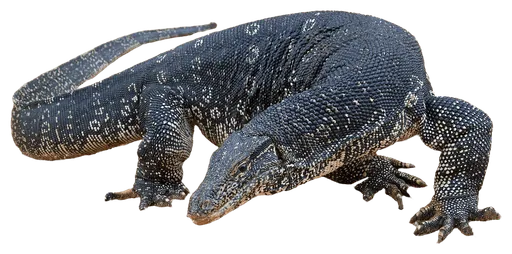
Varanus salvatorB tier · Strong16th of 39 reptiles
Size & speed

- Weight
- 20 kg44 lb
- Length
- 2 m6.6 ft
As heavy as 4.4 house cats
Heavier than 54% of animalsAbout as long as a person is tall
Bigger than 71% of animalsThe Asian water monitor is a large semi-aquatic varanid armed with recurved teeth, curved claws and a muscular swimming tail. A mature male combines active pursuit, chemical tracking, climbing and strong aquatic mobility, but direct physiology shows that sustained high-speed terrestrial exercise quickly exhausts it. Its greatest battle advantage is versatility across land, water and trees rather than one overwhelming weapon.
Detailed ratings
Research-backed ratings on one 0–100 scale for all 344 animals (updated 2026-09-27). How ratings work


Card No. 139 of 344. Every animal on Animal Battle Stats has one: its power, tier and archetype on the front; its six battle stats, abilities and signature move on the back.
Special abilities
The laterally compressed muscular tail powers swimming and doubles as a close-range defensive striking structure, giving the monitor a genuine land-water transition advantage.
Repeated tongue-flicking supports chemical trail/carrion detection through the vomeronasal system, helping an active-search predator locate food and opponents beyond immediate sight.
Unique traits
One animal can run on land, swim strongly and climb trees, allowing unusually flexible disengagement and repositioning.
The species persists in mangroves, rivers, agricultural landscapes and city canal systems, reflecting exceptional ecological flexibility rather than a narrow habitat specialization.
How it fights
Weapons
- The water monitor is an opportunistic carnivore/scavenger with a multi-weapon body plan. The jaws seize and hold animal prey; recurved teeth resist escape. The long neck allows rapid head placement and repeated biting. Curved claws provide traction, climbing ability, digging capability and close-range raking/grappling utility. The long muscular tail is both the main aquatic propulsor and a defensive striking tool.
- Its hunting style is relevant to battle modeling. Columbus Zoo describes open-pursuit daytime hunting rather than a pure stalk-and-ambush strategy, and field ecology describes solitary animals roaming actively for prey and carcasses for large portions of the day. Recorded foods include crustaceans, rats, other varanids, fish, frogs, snakes, birds/eggs, small mammals, carrion and other opportunistic foods.
Struggles vs
- Ectothermy makes output temperature-dependent.
- Controlled treadmill evidence shows rapid fatigue above modest sustainable speeds.
- No heavy armor against large predators.
- Long body/tail needs space to turn and is less efficient in cramped entangling terrain.
- Jaws and claws are dangerous but far below giant varanids, crocodilians and large mammalian predators in absolute damage potential.
- Weight
- 20 kg44 lb
- Height
- 45 cm17.7 in
- Length
- 2 m6.6 ft
- Top speed
- No reliable measurement
- Bite force
- No reliable measurement
- Lifespan
- 15 years
- Home biome
- Desert
- Lifestyle
- Social
Rated specimen: Healthy, fully mature large male, 20.0 kg and about 200.0 cm total length.
Fun facts
- The controlled 1981 physiology study found a remarkably precise preferred body-temperature range of about 35-36 C.
- Males can mature at only about 1 kg and ~1 m total length, then continue growing far larger.
- The species is among the world's largest living lizards but is markedly more aquatic than the Komodo dragon.
- Field studies document other monitor lizards among its prey.
- Water monitors can thrive in some city canal systems, making a giant varanid an unexpectedly urban predator/scavenger.
Closest rivals by power. Tap one for the full breakdown, or pick any opponent.
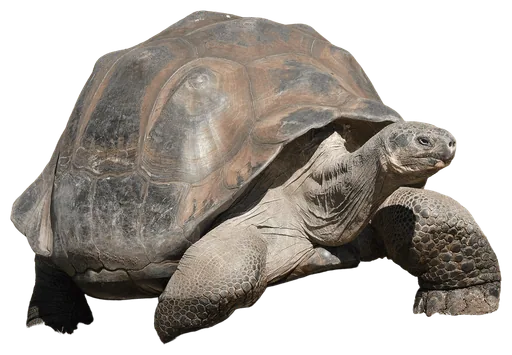
vs Black-necked Spitting CobraWins · 64% · Slight edge 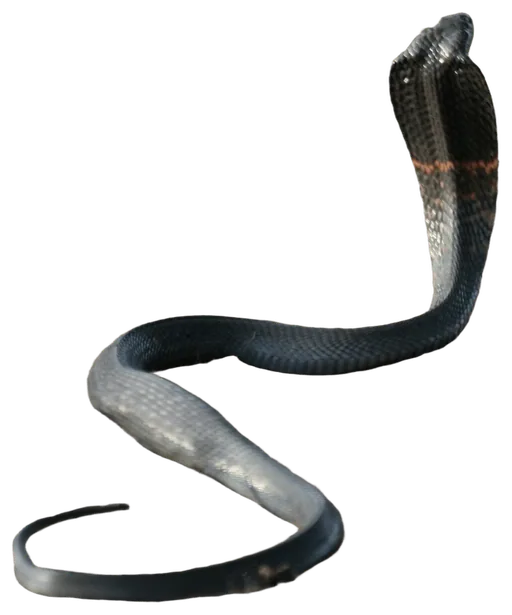 W vs Galapagos TortoiseLoses · 58% · Slight edge
 L vs Inland TaipanWins · 65% · Slight edge
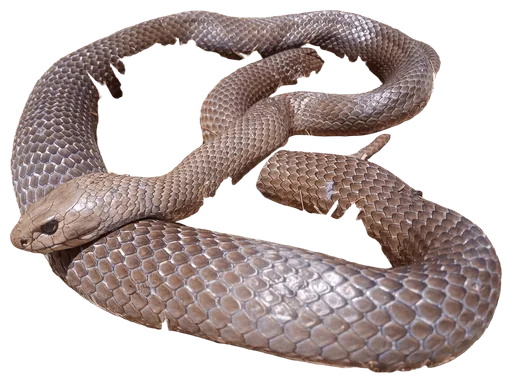
 W vs Eastern Brown SnakeWins · 68% · Slight edge
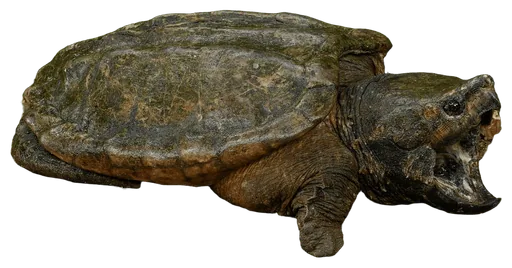
 W vs Alligator Snapping TurtleLoses · 52% · Toss-up
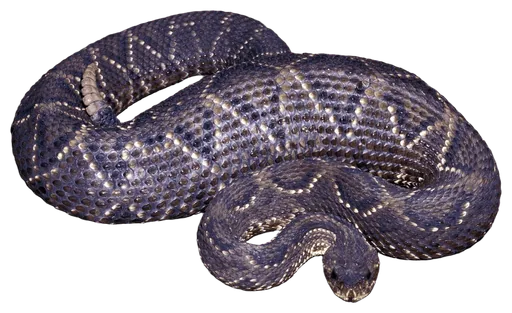
 L vs RattlesnakeWins · 60% · Slight edge
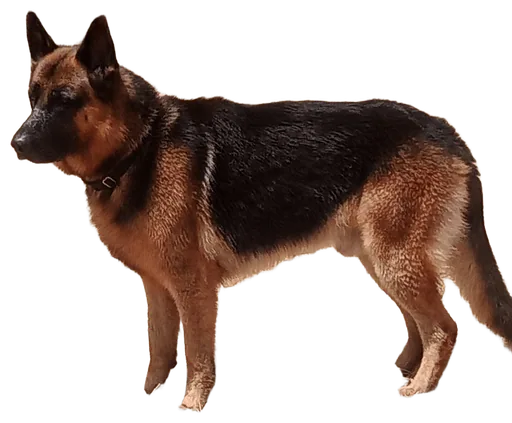
 W vs German ShepherdLoses · 53% · Toss-up
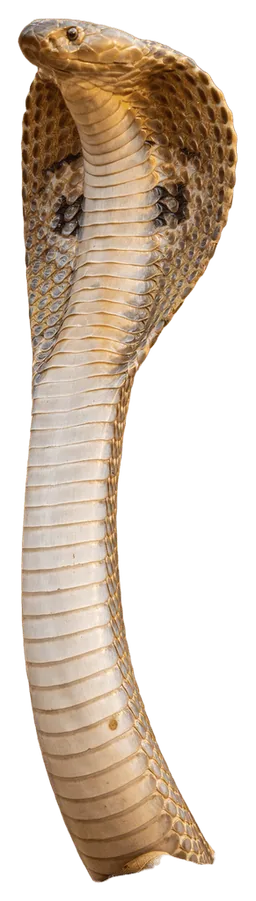
 L vs Indian CobraWins · 65% · Slight edge
 W
Monitor Lizard battle analysis
A water monitor fights like a mobile generalist. On land it advances on powerful limbs, sampling chemical cues with a forked tongue and using a long neck to place a gripping bite. At close range the claws add traction and raking potential, while the heavy tail is both counterbalance and defensive club. Near water, the matchup changes: the same tail becomes a propulsor and the animal gains a fast escape route that many terrestrial opponents cannot follow effectively. Trees provide a third option against some predators.
That versatility should not be confused with unlimited endurance. Experimental treadmill work shows a sharp distinction between sustainable movement and burst effort. Nor should its family reputation import Komodo-dragon weapon values. The water monitor is dangerous because a 20 kg adult male combines several credible weapons with terrain flexibility and opportunistic behavior, not because of an unsupported PSI number, exaggerated sprint speed or assumed venom lethality.
Habitat & range
Asian water monitors occur broadly through South and Southeast Asia and are strongly associated with water: rivers, streams, wetlands, swamps, mangroves, forest waterways and human-modified canals. They can persist in heavily altered landscapes when aquatic resources and surrounding cover remain.
Diet & hunting
They are opportunistic carnivores and scavengers. Documented prey includes crustaceans, rodents, other lizards, fish, frogs, snakes, birds and eggs, small mammals, carrion and other available animal foods. Telemetry/ecological work characterizes them as solitary active foragers that can use large areas while searching for live prey and carcasses.
Social life
Primarily solitary outside reproductive interactions and localized food concentrations. Sociality should not inflate individual combat power.
Conservation
The species is currently treated as Least Concern and remains widespread, but it has also experienced heavy harvest for skins and local habitat/human pressures. CITES Appendix II regulates international trade.
Quick answers
How strong is a Monitor Lizard?
On the Animal Battle Stats scale, the Monitor Lizard has an attack rating of 48 and a power index of 53 out of 100, which ranks it #139 of 344 animals and puts it in B tier (Strong). Its strongest stat is agility (73).
How much does a Monitor Lizard weigh?
A typical adult Monitor Lizard weighs about 20 kg (44 lb). Rated specimen: healthy, fully mature large male, 20.0 kg and about 200.0 cm total length.
How fast is a Monitor Lizard?
There is no reliable measured top speed for the Monitor Lizard, so we do not publish one. Its agility rating, which covers acceleration, reflexes and evasion, is 73 out of 100.
What does a Monitor Lizard eat?
They are opportunistic carnivores and scavengers. Documented prey includes crustaceans, rodents, other lizards, fish, frogs, snakes, birds and eggs, small mammals, carrion and other available animal foods. Telemetry/ecological work characterizes them as solitary active foragers that can use large areas while searching for live prey and carcasses.
Is the Monitor Lizard endangered?
No. The Monitor Lizard is listed as Least Concern. The species is currently treated as Least Concern and remains widespread, but it has also experienced heavy harvest for skins and local habitat/human pressures. CITES Appendix II regulates international trade.
What animals can beat a Monitor Lizard?
Among its closest rivals, the Galapagos Tortoise (58%), the Alligator Snapping Turtle (52%), the German Shepherd (53%) would be favored against the Monitor Lizard. It would be favored against the Black-necked Spitting Cobra, the Inland Taipan, the Eastern Brown Snake, the Rattlesnake, the Indian Cobra.
Researched 2026-09-27. Ratings are editorial judgments built from these sources; measurements describe a healthy adult male.
- Shine et al., Biological Conservation, commercial harvesting of giant lizardssize, dimorphism, maturity, diet
- Andrews 1995, Herpetological Journalmaturity/life history
- Gleeson 1981, Physiological Zoologythermoregulation, aerobic scope, stamina
- Guerrero-Sanchez et al. 2022, Ecology and Evolutionspatial ecology, active foraging, disturbed landscapes
- Animal Diversity Webmorphology, dimorphism, habitat, longevity
- Columbus Zooadult size, dimorphism, hunting
- SeaWorld fact sheetmaximum size, life history, habitat/diet
- De Meyer et al. 2026, Biological Journal of the Linnean Societybite-force context
- ADW adult photo, David Blankimage adulthood cross-check
- Wikimedia Commons, LEE 003primary image candidate
Photo: “Varanus salvator - 01.jpg” by Carlos Delgado, CC BY-SA 4.0, background removed and cropped. Original
Suggest a correction