
Mongoose
Herpestes javanicusC tier · Capable134th of 163 mammals
Size & speed
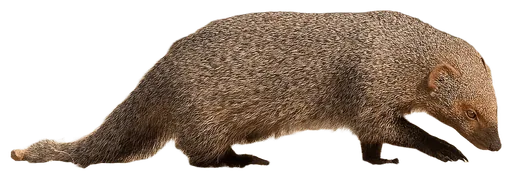
- Weight
- 800 g28.2 oz
- Length
- 36 cm14.2 in
As heavy as 4 smartphones
Heavier than 18% of animalsAbout 1.2 rulers long
Bigger than 18% of animalsThe Javan Mongoose is a sub-kilogram ground predator built around agility, opportunism and dangerous-prey handling. Its bite and claws are modest on the full ABS scale, but rapid close-range maneuvering, a broad prey repertoire and mongoose toxin-resistance biology make it unusually capable against small reptiles and other tiny opponents.
Detailed ratings
Research-backed ratings on one 0–100 scale for all 344 animals (updated 2026-09-27). How ratings work


Card No. 249 of 344. Every animal on Animal Battle Stats has one: its power, tier and archetype on the front; its six battle stats, abilities and signature move on the back.
Special abilities
Low-slung close-range maneuvering and rapid attack/avoidance sequencing let a mongoose probe and evade dangerous reptile prey before committing its bite. Exact-Javan diet studies confirm squamates and snakes in the prey spectrum; the name does not imply guaranteed snake wins.
Mongoose muscle nicotinic acetylcholine receptors have experimentally demonstrated reduced alpha-neurotoxin binding. This can reduce vulnerability to some elapid-style alpha-neurotoxins, but it is not universal venom immunity and exact U. javanica transfer remains a stated confidence limitation.
Unique traits
Elongated body, short legs and long tapering tail package a carnivore into a highly maneuverable ground-level profile.
Javan mongooses exploit forest edges, scrub, grassland and agricultural/disturbed habitats while taking prey across vertebrate and invertebrate classes.
How it fights
Weapons
- The Javan mongoose is a tiny feliform carnivore with a pointed muzzle, carnassial teeth, canines, short legs and digging/grappling claws. Exact-Javan dietary work confirms that it consumes mammals, birds, squamates, amphibians, fish and invertebrates. Its practical kill system is therefore a quick close-range bite-and-grapple package optimized for small prey, not high absolute force.
- Historical H. javanicus accounts describe vertebrate prey being dispatched by a bite to the back of the head. Because old taxonomy can include U. auropunctata, that detail is useful comparative herpestid evidence but is not treated as a modern exact-Javan measurement.
Struggles vs
- no armor and negligible absolute mass
- poor matchup into large taloned birds, cats, canids and heavy hoofed animals
- open ground reduces cover
- deep water removes much of its terrestrial maneuver advantage
- exact venom resistance cannot be assumed against all toxin classes or snake species
- Weight
- 800 g28.2 oz
- Height
- No reliable measurement
- Length
- 36 cm14.2 in
- Top speed
- No reliable measurement
- Bite force
- No reliable measurement
- Lifespan
- 8 years
- Home biome
- Forest
- Lifestyle
- Social
Rated specimen: Healthy fully mature male, 0.8 kg, near the middle-upper portion of the reported 0.5-1.0 kg adult range.
Fun facts
- Modern taxonomy places the Javan mongoose in genus Urva, not Herpestes.
- Its tail can approach most of the head-body length, producing a long, low silhouette.
- DNA-based diet work in Java has detected prey from mammals, birds, amphibians, snakes, fish and multiple invertebrate groups.
- The animal can raise its coat when threatened, increasing its apparent size.
- The iconic mongoose-vs-snake reputation has a real molecular component: mongoose muscle acetylcholine receptors can resist alpha-neurotoxin binding.
- That molecular protection is not the same as immunity to every snake venom.
Closest rivals by power. Tap one for the full breakdown, or pick any opponent.
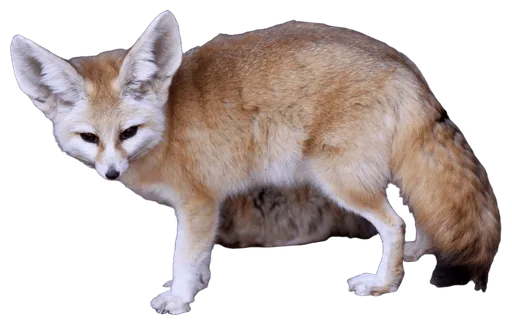
vs Howler MonkeyLoses · 62% · Slight edge 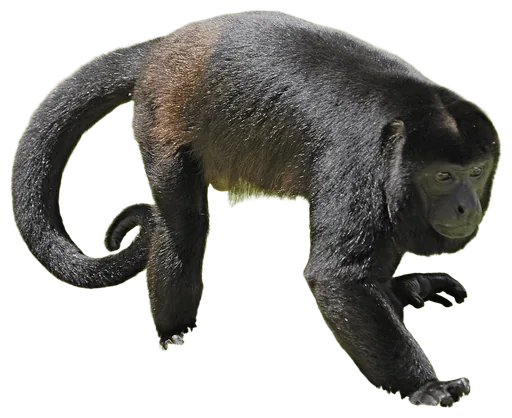 L vs Fennec FoxLoses · 53% · Toss-up
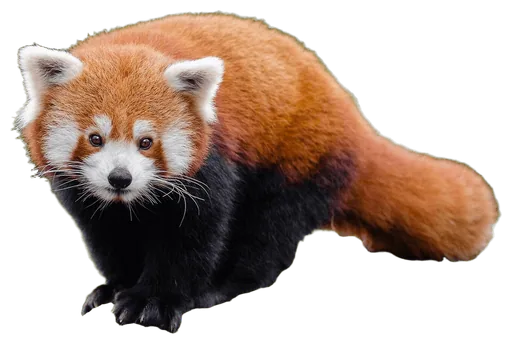
 L vs Red PandaLoses · 60% · Slight edge
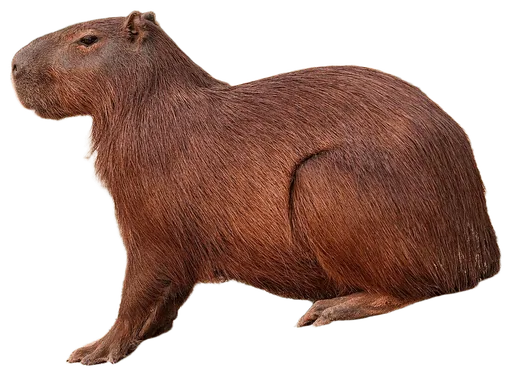
 L vs CapybaraLoses · 73% · Clear edge
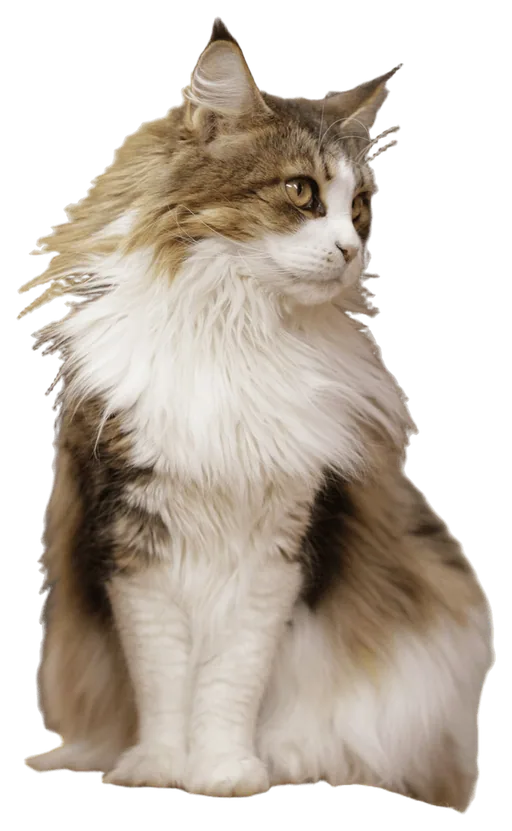
 L vs Maine CoonLoses · 62% · Slight edge
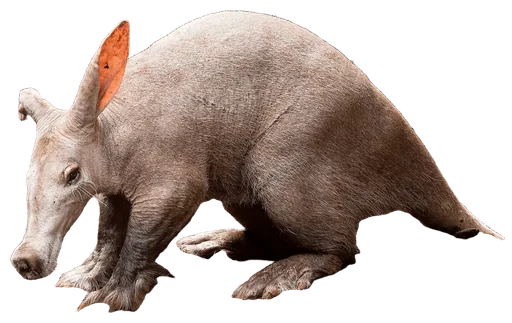
 L vs AardvarkLoses · 74% · Clear edge
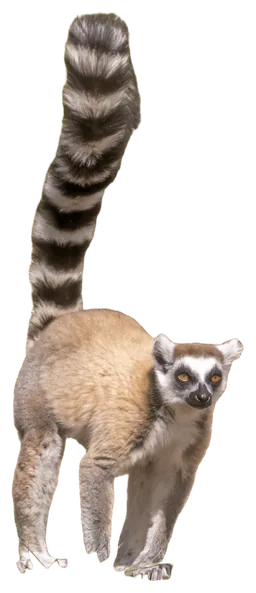
 L vs Ring-tailed LemurLoses · 58% · Slight edge
 L vs House CatLoses · 59% · Slight edge
 L
Mongoose battle analysis
The mongoose's reputation can easily produce bad powerscaling. At roughly eight hundred grams, a Javan mongoose does not possess the absolute force of a fox, lynx or large monitor lizard. Its advantage is instead the precision with which it applies a small carnivore's weapons. A low body, short limbs and long balancing tail support quick changes of direction, while canines, carnassials and claws finish prey once an opening is created.
Its famous relationship with snakes is real but often overstated. Javan mongoose diet studies confirm reptile predation, while molecular research on mongooses demonstrates receptor-level resistance to some alpha-neurotoxins. Neither fact means invulnerability. The animal still has little physical protection and can be badly injured by a successful strike. In ABS terms this creates a profile with very high Agility, useful Tactics and a meaningful Special score, while Attack and Defense stay low enough to preserve the enormous absolute gap between a sub-kilogram mongoose and serious medium or large combat animals.
Habitat & range
The Javan mongoose is native to Southeast Asia, including mainland Southeast Asia, Peninsular Malaysia, Sumatra and Java. Sources place it in dry/secondary forest, scrub, grassland, agricultural land and plantations, with records to roughly 1,200-1,800 m depending on source. It is less characteristic of tall undisturbed primary rainforest than of open and disturbed habitats.
Diet & hunting
A 2021 peer-reviewed Java metabarcoding study recovered 17 prey species, 14 genera and 12 families, including mammals, birds, amphibians, snakes, fish and invertebrates. Greater bandicoot rat and domestic chicken were prominent. A 2023 fecal study likewise found rodents and galliform birds important, with insects numerous but individually less frequent. This makes the animal an opportunistic small mesocarnivore rather than a dedicated snake specialist.
Social life
Modern exact-Javan social data are comparatively thin. Older accounts under H. javanicus describe a mostly solitary animal with occasional male grouping/burrow sharing in breeding contexts, but those data may partly represent the small Indian mongoose complex. Canonical combat scoring therefore assumes an individual, not pack assistance.
Conservation
The IUCN treatment cited for H. javanicus lists Least Concern. Mongooses have a notorious biological-control history, but many classic island introductions involve the small Indian mongoose U. auropunctata. This report avoids assigning those invasion histories wholesale to true U. javanica. Within Java, Javan mongoose predation can have both agricultural benefits through rodent/insect consumption and costs through poultry/bird predation.
Quick answers
How strong is a Mongoose?
On the Animal Battle Stats scale, the Mongoose has an attack rating of 20 and a power index of 43.1 out of 100, which ranks it #249 of 344 animals and puts it in C tier (Capable). Its strongest stat is agility (86).
How much does a Mongoose weigh?
A typical adult Mongoose weighs about 800 g (28.2 oz). Rated specimen: healthy fully mature male, 0.8 kg, near the middle-upper portion of the reported 0.5-1.0 kg adult range.
How fast is a Mongoose?
There is no reliable measured top speed for the Mongoose, so we do not publish one. Its agility rating, which covers acceleration, reflexes and evasion, is 86 out of 100.
What does a Mongoose eat?
A 2021 peer-reviewed Java metabarcoding study recovered 17 prey species, 14 genera and 12 families, including mammals, birds, amphibians, snakes, fish and invertebrates. Greater bandicoot rat and domestic chicken were prominent. A 2023 fecal study likewise found rodents and galliform birds important, with insects numerous but individually less frequent. This makes the animal an opportunistic small mesocarnivore rather than a dedicated snake specialist.
Is the Mongoose endangered?
No. The Mongoose is listed as Least Concern. The IUCN treatment cited for H. javanicus lists Least Concern. Mongooses have a notorious biological-control history, but many classic island introductions involve the small Indian mongoose U. auropunctata. This report avoids assigning those invasion histories wholesale to true U. javanica. Within Java, Javan mongoose predation can have both agricultural benefits through rodent/insect consumption
What animals can beat a Mongoose?
Among its closest rivals, the Howler Monkey (62%), the Fennec Fox (53%), the Red Panda (60%), the Capybara (73%), the Maine Coon (62%), the Aardvark (74%), the Ring-tailed Lemur (58%), the House Cat (59%) would be favored against the Mongoose. It would be favored against none of them.
Researched 2026-09-27. Ratings are editorial judgments built from these sources; measurements describe a healthy adult male.
- Animal Battle Stats live static profileroster identity/schema
- IUCN treatment cited as Chutipong et al. 2016taxon/status
- Veron & Jennings, Mammalian Biologytaxonomy/confusion
- Ecology Asia, Javan Mongoosedimensions, habitat, range
- Zootierliste, Urva javanicadimensions/taxonomy
- Subrata et al. 2021, Mammalian Biologyexact-Javan diet
- Subrata & Permatasari 2023, HAYATIexact-Javan diet/ecology
- Animal Diversity Web historical H. javanicus accountlegacy morphology, reproduction, behavior, longevity
- Barchan et al. 1992, PNASmongoose alpha-neurotoxin resistance
- Asher et al. 1998, FEBS Letterstoxin-resistance mechanism
- Wikimedia Commons, Chung Bill Billimage candidate/provenance
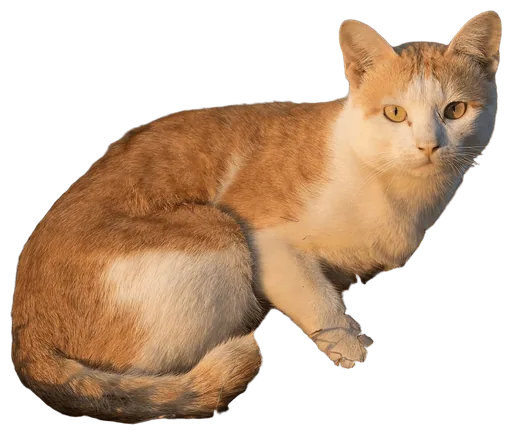
Photo: “Indian grey mongoose in Rabindra Sarobar January 2024 by Tisha Mukherjee 02.jpg” by Tisha Mukherjee, CC BY-SA 4.0, background removed and cropped. Original
Suggest a correction