
Monarch Butterfly
Danaus plexippusD tier · Underdog6th of 30 bugs & spiders
Size & speed
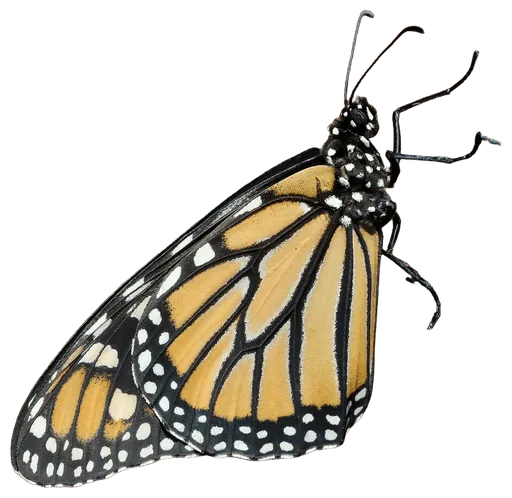
- Weight
- 500 mg0.018 oz
- Length
- 9.5 cm3.7 in
2 of them weigh as much as a paperclip
Heavier than 1% of animalsAbout 1.1 credit cards long
Bigger than 6% of animalsThe Monarch Butterfly is almost powerless in direct physical combat, but it combines elite insect endurance, agile flight, milkweed-derived chemical defense and a remarkable dual navigation system. A half-gram migratory adult can cross a continent using sun and magnetic cues while carrying cardenolides that warn many predators away.
Detailed ratings
Research-backed ratings on one 0–100 scale for all 344 animals (updated 2026-09-27). How ratings work


Card No. 263 of 344. Every animal on Animal Battle Stats has one: its power, tier and archetype on the front; its six battle stats, abilities and signature move on the back.
Special abilities
Larvae sequester milkweed cardenolides that persist into adulthood, while Na+/K+-ATPase resistance lets monarchs tolerate compounds that make them distasteful or toxic to many vertebrate predators.
Migratory adults combine a time-compensated sun compass with a light-dependent magnetic inclination compass, allowing directional orientation even when normal solar cues are degraded.
Unique traits
The fall generation enters reproductive diapause and can live six to nine months, far longer than the roughly two-to-five-week breeding adults, enabling a single individual to complete the southward continental migration.
Conspicuous orange, black and white wing pattern advertises chemical defense, converting milkweed chemistry into a learned predator-deterrence signal rather than relying on mechanical armor.
How it fights
Weapons
- Adult monarchs have essentially no dedicated offensive weapon against roster-scale opponents. Legs can cling, wings can reposition the animal, and the proboscis feeds on nectar, but none is a meaningful damaging weapon. Attack must therefore remain near the absolute roster floor regardless of the butterfly's famous endurance.
- Weight
- 500 mg0.018 oz
- Height
- No reliable measurement
- Length
- 9.5 cm3.7 in
- Top speed
- No reliable measurement
- Bite force
- No reliable measurement
- Lifespan
- 0.7 years
- Home biome
- Savanna
- Lifestyle
- Social
Rated specimen: Healthy mature eastern North American migratory adult male, approximately 0.0005 kg (0.5 g) with 9.5 cm wingspan.
Fun facts
- Eastern North American migrants may travel up to about 3,000 miles to Mexico.
- USFWS reports a tagged one-day displacement record of 265 miles.
- Most breeding adults live only two to five weeks, while the migratory generation can survive six to nine months.
- The butterfly's antennae participate in both circadian sun-compass timing and magnetic orientation.
- Adult monarchs average only about half a gram despite their continental migration.
- Males can be distinguished by a black scent patch on each hindwing.
Closest rivals by power. Tap one for the full breakdown, or pick any opponent.
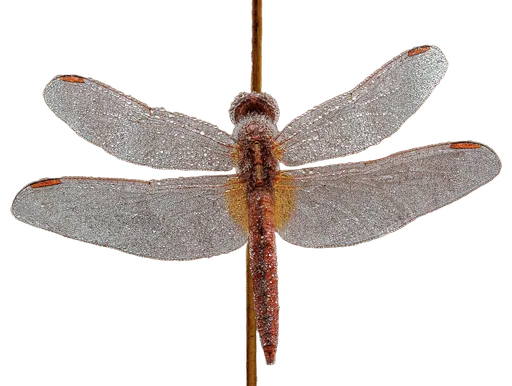
vs NautilusLoses · 83% · Clear edge 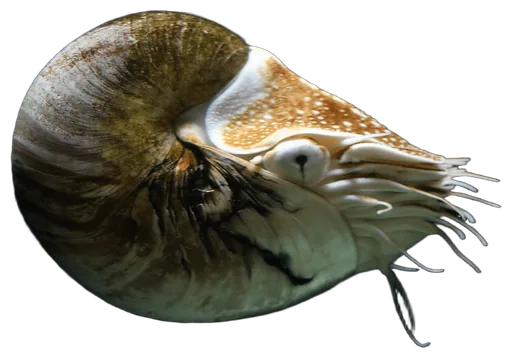 L vs DragonflyLoses · 55% · Toss-up
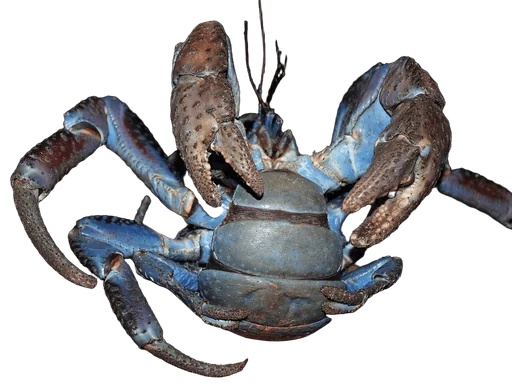
 L vs Coconut CrabLoses · 89% · Decisive
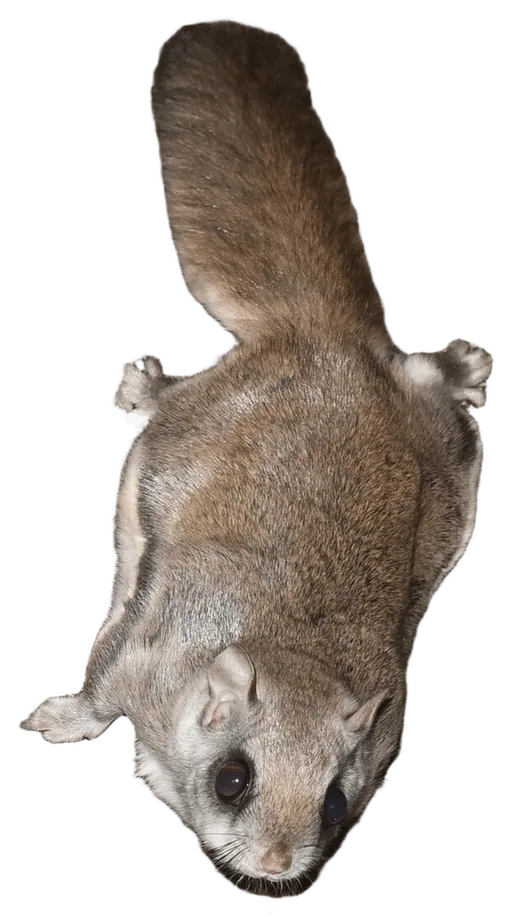
 L vs Flying SquirrelLoses · 79% · Clear edge
 L vs BinturongLoses · 92% · Decisive
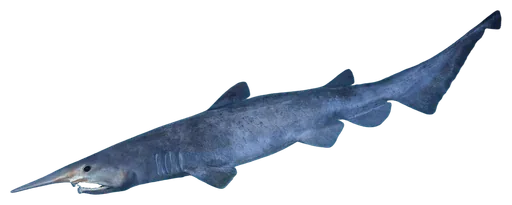
 L vs Goblin SharkLoses · 95% · Decisive
 L vs Arctic FoxLoses · 89% · Decisive
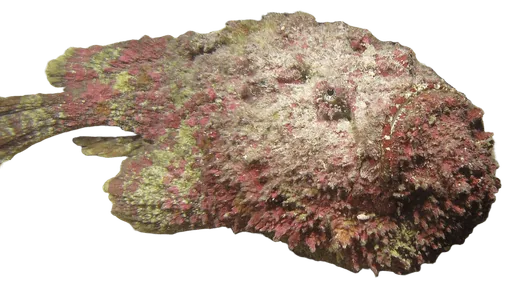
 L vs StonefishLoses · 86% · Decisive
 L
Monarch Butterfly battle analysis
A monarch is a strong example of why ABS must separate absolute fighting power from biological sophistication. At roughly half a gram, it has almost no ability to injure a wolf, bird, reptile or even many predatory arthropods. Its Attack and Raw Power belong near the bottom of the entire roster. Raising those scores because the animal flies thousands of miles would be proportional-strength leakage.
Its real advantages operate on different axes. The fall migratory generation suppresses reproduction, accumulates energy reserves and remains alive for months while traveling toward central Mexico. Direction is maintained using a time-compensated sun compass and, when directional daylight is unavailable, a light-dependent magnetic inclination compass. This supports exceptional Stamina and Senses without pretending the butterfly has broad mammalian or corvid-like intelligence.
Defense is equally unconventional. The monarch's body is fragile, but milkweed cardenolides can make it an expensive meal. Bright wing coloration advertises that chemistry to visual predators. This is not armor and cannot stop a crushing bite, but it can alter whether an attack happens at all. That distinction is why physical Protection remains near the floor while Special is extremely high.
In a forced battle, the monarch survives by not being caught and by being undesirable to eat. It does not win through damage output. That makes it a useful calibration control for the full roster: extraordinary endurance and special biology can coexist with essentially negligible absolute offensive force.
Habitat & range
Monarchs are native to North America and now also occur in non-migratory populations elsewhere. In North America they use open habitats containing milkweed and nectar plants, including fields, roadsides, wetlands and gardens. Eastern migrants overwinter primarily in high-elevation oyamel fir forests in central Mexico, while western migrants use coastal California and northern Baja California sites.
Diet & hunting
Larvae are milkweed specialists. Adults drink nectar from many flowering plants. This ontogenetic diet shift is central to the animal's biology because larval milkweed supplies cardenolides for adult defense while adult nectar supplies carbohydrate for movement and migration.
Conservation
As of July 23, 2026, USFWS states that the monarch is not yet federally protected under the U.S. Endangered Species Act. A threatened-species listing was proposed in December 2024, but no final rule has yet taken effect. Major threats include loss and degradation of breeding, migratory and overwintering habitat, insecticides and climate change. This status should be rechecked before production migration because the U.S. rulemaking remains unresolved.
Quick answers
How strong is a Monarch Butterfly?
On the Animal Battle Stats scale, the Monarch Butterfly has an attack rating of 1 and a power index of 41.7 out of 100, which ranks it #263 of 344 animals and puts it in D tier (Underdog). Its strongest stat is stamina (90).
How much does a Monarch Butterfly weigh?
A typical adult Monarch Butterfly weighs about 500 mg (0.018 oz). Rated specimen: healthy mature eastern North American migratory adult male, approximately 0.0005 kg (0.5 g) with 9.5 cm wingspan.
How fast is a Monarch Butterfly?
There is no reliable measured top speed for the Monarch Butterfly, so we do not publish one. Its agility rating, which covers acceleration, reflexes and evasion, is 82 out of 100.
What does a Monarch Butterfly eat?
Larvae are milkweed specialists. Adults drink nectar from many flowering plants. This ontogenetic diet shift is central to the animal's biology because larval milkweed supplies cardenolides for adult defense while adult nectar supplies carbohydrate for movement and migration.
Is the Monarch Butterfly endangered?
The Monarch Butterfly's conservation status is Endangered. As of July 23, 2026, USFWS states that the monarch is not yet federally protected under the U.S. Endangered Species Act. A threatened-species listing was proposed in December 2024, but no final rule has yet taken effect. Major threats include loss and degradation of breeding, migratory and overwintering habitat, insecticides and climate change. This status should be rechecked before production mig
What animals can beat a Monarch Butterfly?
Among its closest rivals, the Nautilus (83%), the Dragonfly (55%), the Coconut Crab (89%), the Flying Squirrel (79%), the Binturong (92%), the Goblin Shark (95%), the Arctic Fox (89%), the Stonefish (86%) would be favored against the Monarch Butterfly. It would be favored against none of them.
Researched 2026-09-27. Ratings are editorial judgments built from these sources; measurements describe a healthy adult male.
- U.S. Fish & Wildlife Service, Monarch species profiletaxonomy, 0.5 g mean adult mass, 7-10 cm wingspan, migration distance/daily displacement, lifespan, dimorphism, range, cardenolide defense
- Monarch Joint Venture, Vital Statistics and Measuring~50 mm average forewing, ~500 mg adult mass
- Canada COSEWIC Monarch assessmentadult 93-105 mm wingspan and sex identification
- Nature Communications, Guerra et al. 2014light-dependent magnetic inclination compass, UV-A/blue light, antenna involvement, sun-compass context
- Neuron, Heinze & Reppert 2011integration of sun/skylight cues in migratory navigation
- Evolution, Petschenka et al. 2013cardenolide resistance and adult sequestration; Na+/K+-ATPase insensitivity
- Functional Ecology, Oberhauser 1997breeding female lifespan variation and reproductive resource allocation
- The Nature Conservancy, Monarch profile~12 mph average migration flight context
- USFWS Save the Monarch, updated 2026-07-23current U.S. ESA status and threats
- Commons / USFWS male monarch photographexact-species adult male real-photo candidate, 2592x1944, public-domain provenance
Photo: “Male monarch butterfly (Danaus plexippus), about to take first flight.jpg” by Avenue, CC BY-SA 3.0, background removed and cropped. Original
Suggest a correction