

Mexican Red-knee Tarantula
Brachypelma hamorii
 #327 of 341
  Desert Ambush Predator Vulnerable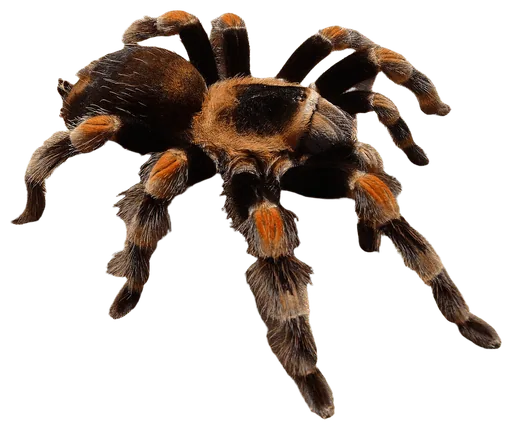
 Fight
FightPhoto: George Chernilevsky · Public domain
The Mexican red-knee tarantula is a calm, long-lived burrow ambusher of western Mexico's dry forests, famous as a pet for its orange-banded legs. Its fangs and mild venom handle insects and mice, and its barbed defensive hairs deter mammals, but at around 15 grams it is fragile and weak on the absolute scale.
 Attack11
  Defense10
  Agility52
  Stamina34
  Intelligence28
  Special78
 Detailed ratings
Research-backed ratings on one 0–100 scale for all 341 animals (updated 2026-09-28). How ratings work
Special abilities
Ability 1Barbed Hair BarrageWhen threatened, the red-knee kicks type I urticating setae off its abdomen with its hind legs; the barbed hairs work into skin, nose and eyes, and have caused documented eye injuries in people. Against a mammal predator this can end a fight before contact.
 Ability 2Burrow Ambush Strike
It waits at the burrow mouth at night, senses prey through leg hairs and silk, rushes out to pin it with front legs and palps, strikes with downward fangs and drags the prey underground.
Unique traits
 TraitThirty-Year Spider
Females can live 25–30 years, maturing only at 6–7 years, while males rarely pass 10 and often live about 5.
TraitRegrowing LegsLike all tarantulas it replaces its whole exoskeleton, including fangs, at each moult, and lost legs regrow gradually over successive moults.
How it fights
Weapons
- The red-knee waits at night near its burrow entrance and rushes out to seize passing ground-dwelling arthropods, other arachnids, myriapods and occasionally small vertebrates such as frogs and mice (Fukushima et al. 2019; ADW; Wikipedia). It holds prey with its front legs and palps, drives in its fangs, injects venom, and carries the meal back into the burrow, later wrapping the remains in silk (ADW). Against vertebrates larger than a mouse, its venom is weak and its reach tiny.
 Struggles vs
- Tiny absolute mass; negligible raw power.
- Soft abdomen and thin exoskeleton; highly vulnerable to crushing.
- Poor vision and slow movement.
- Mild venom against vertebrates; its hairs deter mammals but not wasps.
- Tarantula hawk wasps (Pepsis) lure it from its burrow, paralyse it and lay eggs on it (ADW).
- Weight
- 15 g0.5 oz
- Height
- No reliable measurement
- Length
- 13 cm5.1 in
- Top speed
- No reliable measurement
- Bite force
- No reliable measurement
- Lifespan
- 25 years
- Home biome
- Desert
- Lifestyle
- Mostly solitary, nocturnal
Rated specimen: Healthy adult female, body length about 5.3 cm and leg span about 13 cm, with an estimated mass of 15 g (0.015 kg).
Fun facts
- For decades, pet "Mexican red-knees" sold as Brachypelma smithi were mostly a different species, B. hamorii; the mix-up was only settled in 2017.
- Female red-knees can live 25–30 years, while males often live about five.
- Its burrow tunnel is about three times the spider's leg span long and leads to a molting chamber and a separate feeding chamber.
- It flicks barbed hairs at attackers instead of biting, and those hairs have caused eye injuries in people.
- A tarantula even replaces its fangs when it moults, and lost legs regrow over several moults.
- The male uses hooks on his front legs to hold the female's fangs open during mating.
Closest rivals by power. Tap one for the full breakdown, or pick any opponent.
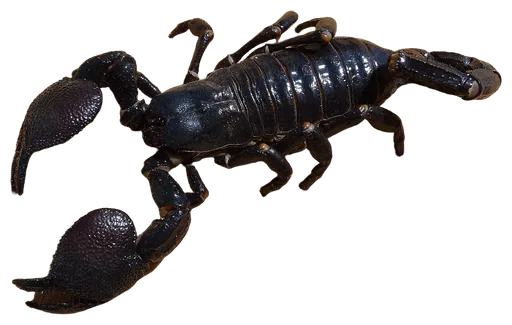
vs Russian TortoiseWins · 50% · Toss-up 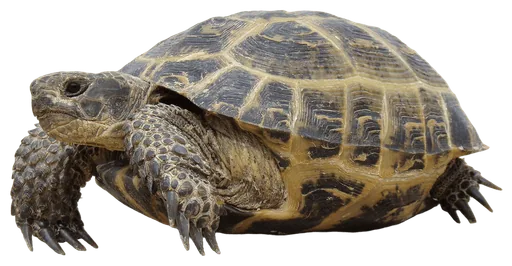 W vs Emperor ScorpionWins · 53% · Toss-up
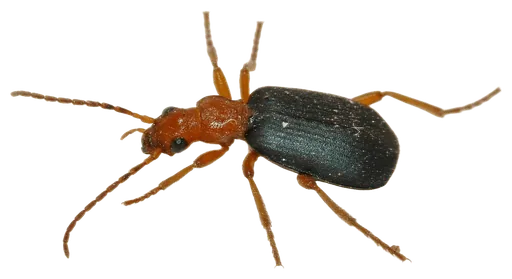
  W vs Bombardier BeetleWins · 53% · Toss-up
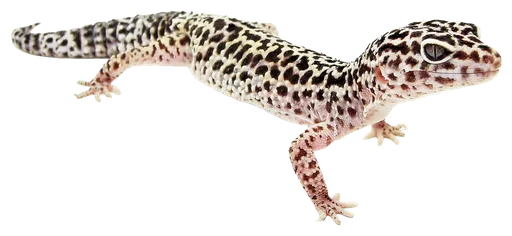
  W vs Leopard GeckoWins · 51% · Toss-up
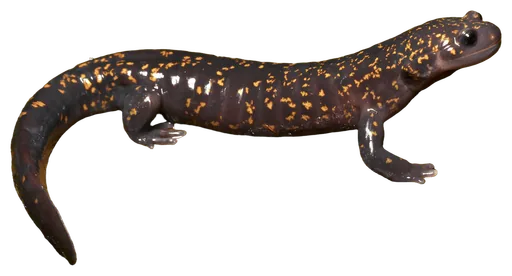
  W vs SalamanderLoses · 51% · Toss-up
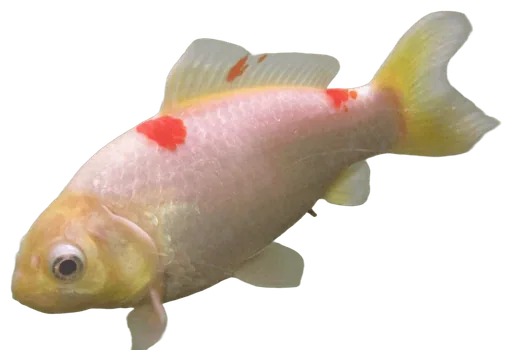
  L vs GoldfishWins · 51% · Toss-up
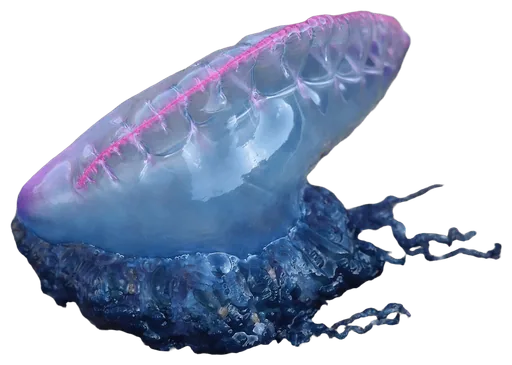
  W vs Portuguese Man o' WarLoses · 51% · Toss-up
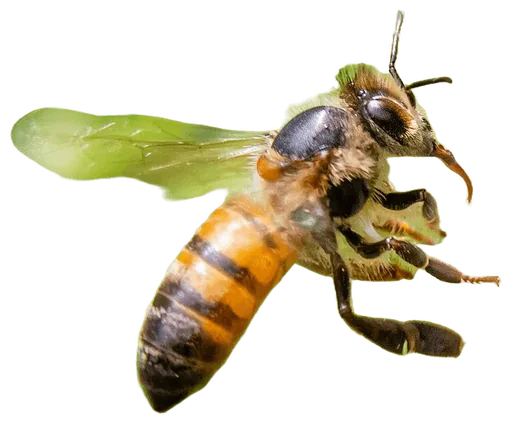
  L vs Africanized Honey BeeLoses · 54% · Toss-up
  L
L  Pick any opponent
 Mexican Red-knee Tarantula battle analysis
On the dry, thorny hillsides of Colima and Michoacán, the Mexican red-knee tarantula spends most of its life underground. A female digs or remodels a burrow beneath a log, rock or tree root, with a tunnel leading to a molting chamber and a deeper room where she rests and eats. At dusk she waits near the entrance, feeling for the vibrations of beetles, crickets or the occasional mouse, then rushes out, pins the prey, bites, and drags it below.
Her defenses are layered. Threatened, she rears up to show her fangs, then turns and kicks a cloud of barbed hairs from her abdomen, hairs that irritate skin and can injure the eyes of mammals, people included. Only as a last resort does she bite, and her venom, though deadly to insects, is mild to people. She grows slowly, moulting once a year and regrowing lost legs, and can live for 25 to 30 years, while males mature, wander in search of mates, and usually die within a few years.
In battle terms, the red-knee is a small specialist. Its fangs, venom and hairs give it a high Special rating for its size, but it weighs perhaps 15 grams, moves slowly, and has a soft, easily crushed abdomen. It wins against insects and small prey at its burrow and loses to almost any vertebrate predator large enough to shrug off a few hairs.
Habitat & range
Endemic to Mexico on the Pacific slope of the Sierra Madre Occidental and Sierra Madre del Sur, mainly Colima, north-western Michoacán and southern Jalisco (Wikipedia; Fukushima et al. 2019). It lives in subtropical dry forest, mostly thorn and deciduous secondary forest, from the coastal lowlands into the foothills up to about 2,100 m, preferring undisturbed shaded areas and places near seasonal watercourses (Fukushima et al. 2019). ADW describes red-knee habitat as dry scrubland, desert, dry thorn forest and tropical deciduous forest, often at the base of thorny plants such as cacti.
Diet & hunting
Nocturnal sit-and-wait predator of ground-dwelling insects, arachnids and myriapods, and occasionally small vertebrates such as frogs and mice (Fukushima et al. 2019; ADW; Wikipedia). It sucks out the liquefied body contents and wraps the remains in silk. Predators include white-nosed coatis (Wikipedia), birds and lizards (ADW), and Pepsis tarantula hawk wasps (ADW).
Social life
Solitary. Each female keeps her own burrow; males leave their burrows to search for females in the mating season, when roads are a significant cause of male deaths (Fukushima et al. 2019).
Conservation
Vulnerable on the IUCN Red List (Fukushima et al. 2019 assessment, per Wikipedia), with an estimated extent of occurrence of about 13,000 km² and an area of occupancy of about 8,450 km², both declining through urbanisation, agriculture and roads (Fukushima et al. 2019). Listed on CITES Appendix II since 1985 (then under the name B. smithi). Illegal collection continues, especially around Colima, while legal captive breeding in Mexican management units supplies part of the pet trade (Fukushima et al. 2019). No protected area covers its range.
Quick answers
How strong is a Mexican Red-knee Tarantula?
On the Animal Battle Stats scale, the Mexican Red-knee Tarantula has an attack rating of 11 and a power index of 28.4 out of 100, which ranks it #327 of 341 animals and puts it in F tier (Snack). Its strongest stat is special (78).
How much does a Mexican Red-knee Tarantula weigh?
A typical adult Mexican Red-knee Tarantula weighs about 15 g (0.5 oz). Rated specimen: healthy adult female, body length about 5.3 cm and leg span about 13 cm, with an estimated mass of 15 g (0.015 kg).
How fast is a Mexican Red-knee Tarantula?
There is no reliable measured top speed for the Mexican Red-knee Tarantula, so we do not publish one. Its agility rating, which covers acceleration, reflexes and evasion, is 52 out of 100.
What does a Mexican Red-knee Tarantula eat?
Nocturnal sit-and-wait predator of ground-dwelling insects, arachnids and myriapods, and occasionally small vertebrates such as frogs and mice (Fukushima et al. 2019; ADW; Wikipedia). It sucks out the liquefied body contents and wraps the remains in silk. Predators include white-nosed coatis (Wikipedia), birds and lizards (ADW), and Pepsis tarantula hawk wasps (ADW).
Is the Mexican Red-knee Tarantula endangered?
The Mexican Red-knee Tarantula's conservation status is Vulnerable. Vulnerable on the IUCN Red List (Fukushima et al. 2019 assessment, per Wikipedia), with an estimated extent of occurrence of about 13,000 km² and an area of occupancy of about 8,450 km², both declining through urbanisation, agriculture and roads (Fukushima et al. 2019). Listed on CITES Appendix II since 1985 (then under the name B. smithi). Illegal collection continues, especially around Colima, w
What animals can beat a Mexican Red-knee Tarantula?
Among its closest rivals, the Salamander (51%), the Portuguese Man o' War (51%), the Africanized Honey Bee (54%) would be favored against the Mexican Red-knee Tarantula. It would be favored against the Russian Tortoise, the Emperor Scorpion, the Bombardier Beetle, the Leopard Gecko, the Goldfish.
Researched 2026-09-28. Ratings are editorial judgments built from these sources; measurements describe a healthy adult female.
- Wikipedia, Brachypelma hamoriitaxonomy, measurements, lifespan, burrows, behaviour, status
- Animal Diversity Web, Brachypelma smithisize, habitat, lifespan, reproduction, senses, predators, feeding
- Fukushima et al. 2019, Biodiversity Data Journalrange, habitat, ecology, threats, EOO/AOO, trade
- Wikipedia, Tarantulafamily traits, mass context, defense sequence
- Kaderka et al. 2019, PLoS Oneurticating setae
- Jalink and Wisse 2021, Am. J. Trop. Med. Hyg.eye injuries
- Corzo et al. 2008, Peptidesvenom
- Kaiser et al. 1994, Toxiconvenom
- Bertani 2026, Scientific Reportssetae use against invertebrates
Photo: “Brachypelma smithi 2009 G04.jpg” by George Chernilevsky, Public domain, background removed and cropped. Original
Suggest a correction