
Meerkat
Suricata suricattaC tier · Capable126th of 163 mammals
Size & speed

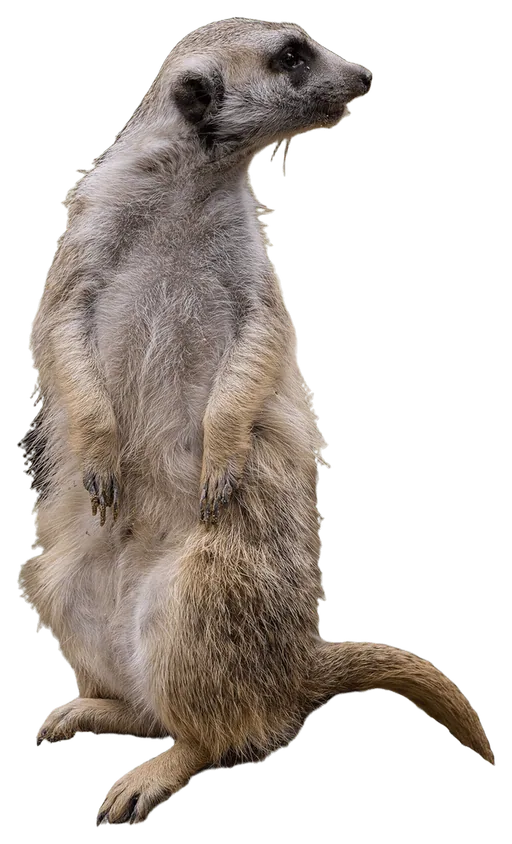
- Weight
- 800 g28.2 oz
- Length
- 50 cm19.7 in
As heavy as 4 smartphones
Heavier than 18% of animalsAbout 1.7 rulers long
Bigger than 23% of animalsThe meerkat is a sub-kilogram mongoose whose direct fighting power is modest but whose behavioral toolkit is exceptional. Long digging claws, rapid refuge use, predator-specific alarm calls, cooperative sentinels and experimentally demonstrated teaching make it one of the roster's smartest small terrestrial specialists.
Detailed ratings
Research-backed ratings on one 0–100 scale for all 344 animals (updated 2026-09-27). How ratings work


Card No. 227 of 344. Every animal on Animal Battle Stats has one: its power, tier and archetype on the front; its six battle stats, abilities and signature move on the back.
Special abilities
Alarm calls encode predator category and urgency, allowing rapid context-specific evasive responses and coordinated group defense.
Adults modify prey before provisioning pups and progressively expose them to more intact dangerous prey, experimentally demonstrated to accelerate prey-handling learning.
Unique traits
Curved foreclaws averaging about 15 mm, paired with soil-protected eyes and closable ears, make digging and rapid refuge use a central survival system.
Physiological tolerance to some venoms combines with learned scorpion-disarming behavior; this is resistance and technique, not universal immunity.
How it fights
Weapons
- The main weapons are small carnivoran jaws and curved claws. Absolute damage is low because the animal weighs under a kilogram. The long foreclaws are specialized for excavation rather than slashing anatomy, so their impressive proportional size does not justify a high roster-wide Attack score. In close defense a meerkat can bite and rake, including while rolled onto its back to protect the neck.
- Weight
- 800 g28.2 oz
- Height
- No reliable measurement
- Length
- 50 cm19.7 in
- Top speed
- No reliable measurement
- Bite force
- No reliable measurement
- Lifespan
- 10 years
- Home biome
- Desert
- Lifestyle
- Social
Rated specimen: The canonical specimen is therefore an established adult, not a newly independent juvenile or senescent dominant.
Fun facts
- Wild meerkat helpers have been experimentally shown to teach pups prey-handling skills.
- Alarm calls can simultaneously encode the kind of predator and the urgency of the threat.
- Front claws average about 15 mm, nearly twice the approximately 8 mm hind-claw average reported by ADW.
- In one Kalahari diet study, insects accounted for 78.1% of prey occurrences.
- Reproductive traits in long-lived dominant meerkats tend to peak around 4-6 years before declining.
- Their famous ability to eat scorpions is not simply blanket immunity: safe handling and removal or disabling of the stinger are important parts of the behavior.
Closest rivals by power. Tap one for the full breakdown, or pick any opponent.
vs Capuchin MonkeyLoses · 59% · Slight edge 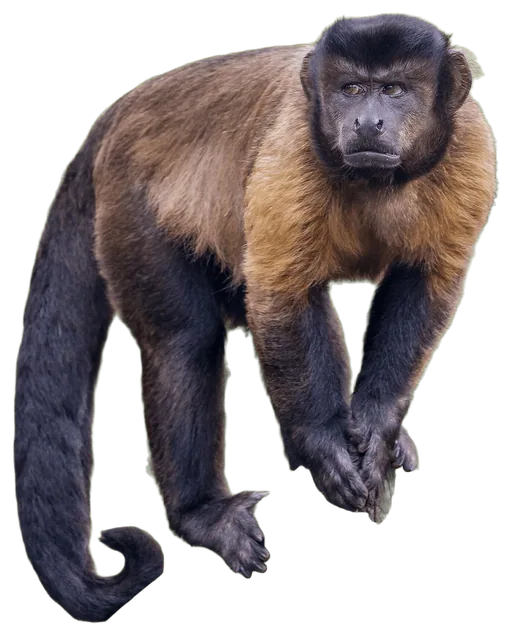 L vs QuollLoses · 59% · Slight edge
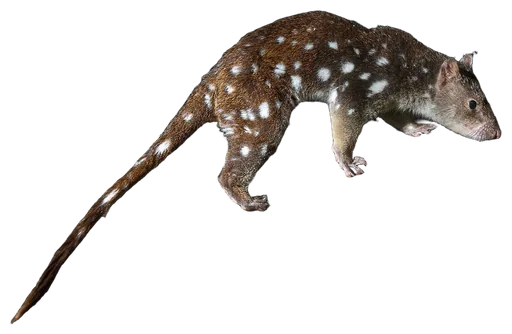 L vs JaguarundiLoses · 63% · Slight edge
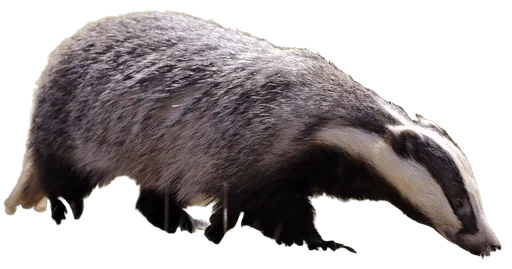
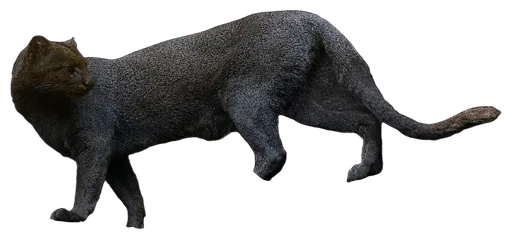 L vs BadgerLoses · 65% · Slight edge
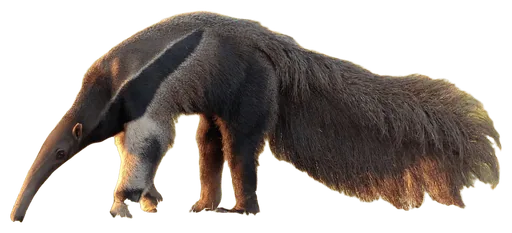
 L vs AnteaterLoses · 71% · Clear edge
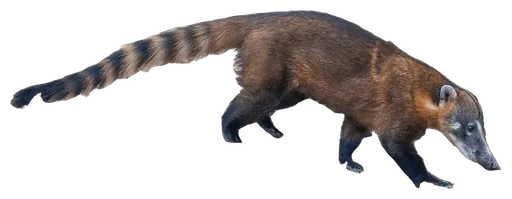
 L vs South American CoatiLoses · 62% · Slight edge
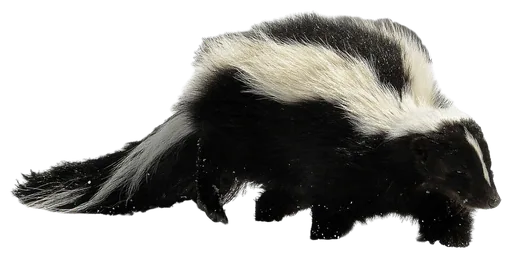
 L vs SkunkLoses · 59% · Slight edge
 L vs OpossumLoses · 59% · Slight edge
 L
Meerkat battle analysis
A meerkat survives dangerous country by turning information into action. While other group members dig for insects and small vertebrates, sentinels scan from elevated positions. Their alarm system does more than announce danger: acoustic experiments show that calls vary with predator type and urgency, allowing listeners to choose appropriate responses. When escape is possible, a bolt hole is often the best defense. When it is not, meerkats can piloerect, mob, bite and rake with curved claws.
Their predatory skill is similarly tactical. A meerkat is far too small to earn high absolute Attack from proportional feats, yet it routinely tackles prey that demands precision, including scorpions. Adults do not merely provision pups; controlled field experiments showed that helpers change how disabled or intact prey is delivered as pups mature, creating genuine teaching opportunities. That combination of communication, social learning and prey-handling flexibility supports very high Intelligence and Tactics without pretending that a 750 g animal hits like a larger carnivore.
The key ABS asymmetry is therefore deliberate. Raw Power, Attack, Toughness and direct Defense remain low. Agility, Intelligence and Special rise because they describe distinct capabilities: fast small-body repositioning, unusually rich decision-relevant information, learned prey handling, digging and partial venom tolerance. None of those should erase the enormous absolute combat gap between a meerkat and a lynx, leopard, hyena or megafaunal opponent.
Habitat & range
Meerkats inhabit arid and semi-arid southern Africa, especially the Kalahari region, using open plains, savannas, grasslands and other dry habitats where burrow networks provide thermal refuge and predator escape. Their space use is strongly constrained by the distribution of suitable sleeping and breeding burrows.
Diet & hunting
They are predominantly insectivorous but opportunistic. Beetles and larvae dominate many diets, with scorpions, spiders, centipedes, reptiles, eggs, small vertebrates and some plant material also taken. Foraging commonly involves intensive digging and olfactory search.
Social life
Stable territorial groups usually center on a dominant breeding pair plus subordinate helpers. Long-term Kalahari research shows dominant reproduction, cooperative pup provisioning, babysitting, sentinel behavior and complex intergroup competition. Group benefits are described in the profile but are not multiplied into an individual's physical ratings.
Conservation
Major zoological references and the IUCN-linked institutional summaries classify the species as Least Concern. Local survival nevertheless depends strongly on rainfall, prey productivity, disease, predation and group stability.
Quick answers
How strong is a Meerkat?
On the Animal Battle Stats scale, the Meerkat has an attack rating of 18 and a power index of 45.5 out of 100, which ranks it #227 of 344 animals and puts it in C tier (Capable). Its strongest stat is intelligence (88).
How much does a Meerkat weigh?
A typical adult Meerkat weighs about 800 g (28.2 oz). Rated specimen: The canonical specimen is therefore an established adult, not a newly independent juvenile or senescent dominant.
How fast is a Meerkat?
There is no reliable measured top speed for the Meerkat, so we do not publish one. Its agility rating, which covers acceleration, reflexes and evasion, is 82 out of 100.
What does a Meerkat eat?
They are predominantly insectivorous but opportunistic. Beetles and larvae dominate many diets, with scorpions, spiders, centipedes, reptiles, eggs, small vertebrates and some plant material also taken. Foraging commonly involves intensive digging and olfactory search.
Is the Meerkat endangered?
No. The Meerkat is listed as Least Concern. Major zoological references and the IUCN-linked institutional summaries classify the species as Least Concern. Local survival nevertheless depends strongly on rainfall, prey productivity, disease, predation and group stability.
What animals can beat a Meerkat?
Among its closest rivals, the Capuchin Monkey (59%), the Quoll (59%), the Jaguarundi (63%), the Badger (65%), the Anteater (71%), the South American Coati (62%), the Skunk (59%), the Opossum (59%) would be favored against the Meerkat. It would be favored against none of them.
Researched 2026-09-27. Ratings are editorial judgments built from these sources; measurements describe a healthy adult.
- Animal Diversity Web, Suricata suricattamass, dimensions, claws, dentition, reproduction, predator defense
- UT Austin DigiMorph, Suricata suricatta malemorphology, size, digging features
- Thornton & McAuliffe 2006, Science / PubMedteaching, dangerous-prey handling
- Manser 2001, Proc. Royal Society Balarm communication
- Manser, Bell & Fletcher 2001receiver responses
- Doolan & Macdonald 1996, Journal of Zoologydiet, foraging
- Thorley et al. 2020, Journal of Animal Ecologyageing, social status, life history
- Duncan et al. 2021, Ecology and Evolutionterritorial groups, dominance
- Smithsonian National Zoodiet, vocal/social behavior
- San Diego Zooscorpion handling, venom caveat, teaching
- Wikimedia Commons, Bernard DUPONT sentinel photoimage provenance
Photo: “Standing meerkat looking behind.jpg” by Basile Morin, CC BY-SA 4.0, background removed and cropped. Original
Suggest a correction