

Markhor
Capra falconeri
 #83 of 273
  Mountains Climber Near Threatened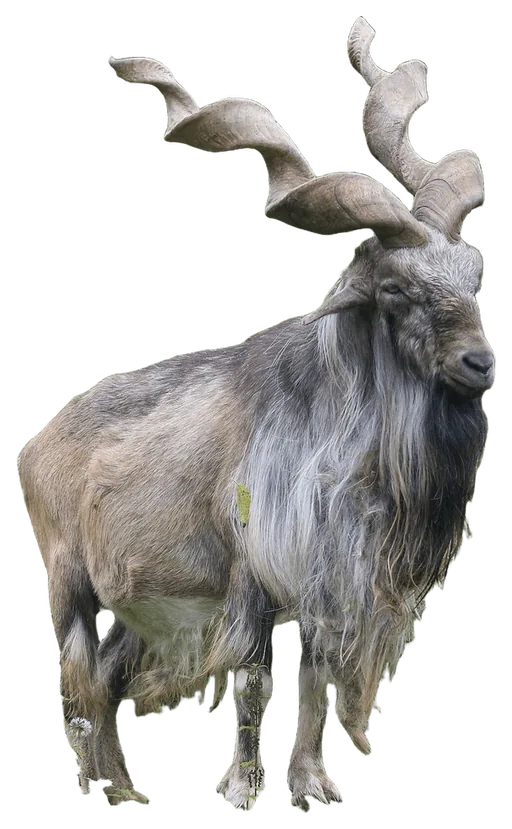
 Fight
FightPhoto: Rufus46 · CC BY-SA 3.0
The markhor is a 100 kg wild goat of the Himalaya and Hindu Kush, famous for males' corkscrew horns that can pass 1.5 m. It is a cliff specialist that escapes predators by climbing where they cannot follow, and fights rivals by locking and twisting horns, but it is no heavyweight on the absolute scale.
 Attack52
  Defense43
  Agility75
  Stamina67
  Intelligence50
  Special61
 Detailed ratings
Research-backed ratings on one 0–100 scale for all 273 animals (updated 2026-09-28). How ratings work
Special abilities
Ability 1Corkscrew Horn LockRival males lunge, lock their spiral horns and shove and twist to throw each other off balance; the same horns and neck strength can be turned on a predator that corners a buck.
 Ability 2Cliff Refuge Escape
Sharp eyes and smell spot snow leopards and wolves early, and the markhor retreats onto steep cliffs and ledges where few predators can follow.
Unique traits
 TraitSpiral-Horned Giant
Mature males carry tightly twisted horns about 80–165 cm long, among the longest horns of any wild goat, with more turns as the animal ages.
TraitHunt-Funded ComebackCommunity-run trophy hunting programs in Pakistan and community conservancies in Tajikistan helped markhor numbers recover enough for the IUCN to move the species to a lower threat category in 2015.
How it fights
Weapons
- The markhor's weapons are the male's long corkscrew horns, backed by a 100 kg body. During the rut, rival males lunge at each other, lock horns and shove and twist, each trying to push the other off balance on steep ground. The horns are built for this wrestling rather than stabbing, but a lunge or horn sweep can still injure a predator or rival. Hooves give strong, precise footing for pushing on slopes.
 Struggles vs
- Horns are wrestling tools, less suited to stabbing than a mountain goat's short horns.
- No armor; light compared with large bovids.
- Ordinary speed on open, flat ground.
- Prefers retreat to confrontation.
- Weight
- 100 kg220 lb
- Height
- 1 m3.3 ft
- Length
- 1.65 m5.4 ft
- Top speed
- No reliable measurement
- Bite force
- No reliable measurement
- Lifespan
- 12 years
- Home biome
- Mountains
- Lifestyle
- Social
Rated specimen: Healthy mature adult male (buck) of about 100 kg and 100 cm at the shoulder, with fully developed corkscrew horns of about 120 cm along the curve.
Fun facts
- The markhor is the national animal of Pakistan.
- A male's horns can be over 1.5 m long, and the number of twists increases with age.
- Chitral Gol National Park holds the largest known markhor population, estimated at about 2,278 in 2021.
- Markhor were moved from Endangered to Near Threatened in 2015 after conservation programs took hold.
- Males weigh about twice as much as females.
- Rival males lock horns and twist, trying to throw each other off balance on steep slopes.
Closest rivals by power. Tap one for the full breakdown, or pick any opponent.
vs KuduLoses · 50% · Toss-up 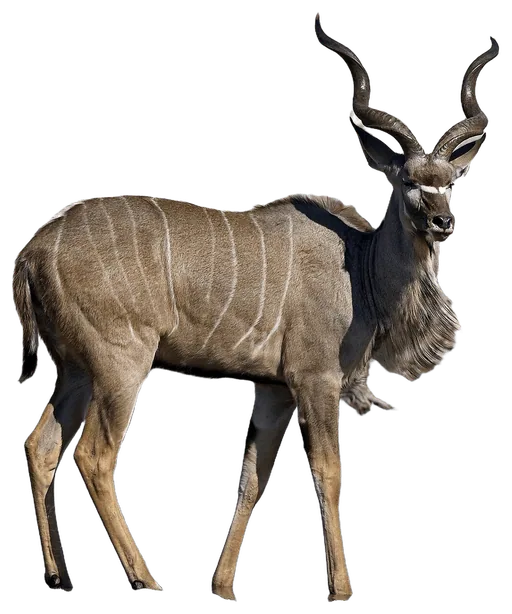 L vs ChimpanzeeWins · 50% · Toss-up
 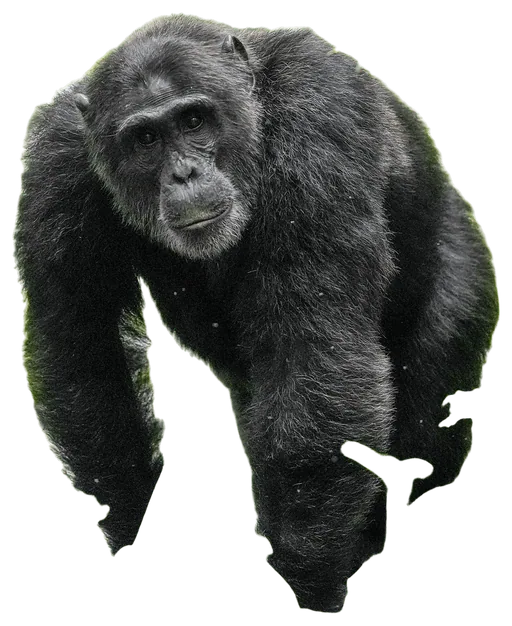 W vs DholeWins · 51% · Toss-up
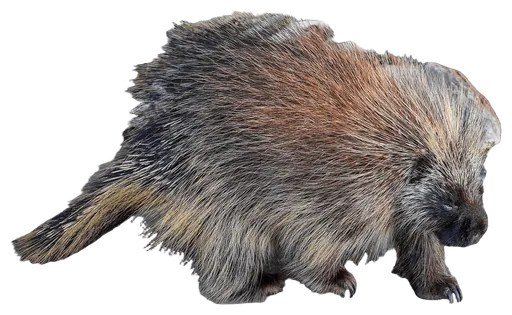
 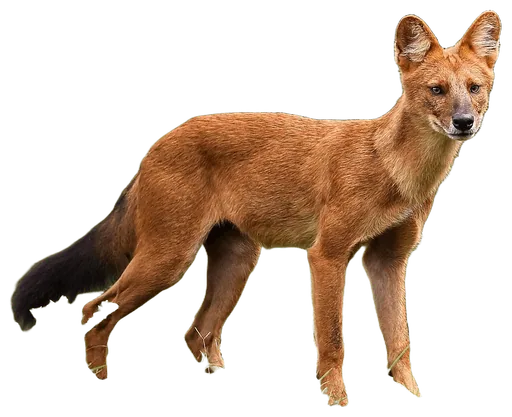 W vs PorcupineWins · 51% · Toss-up
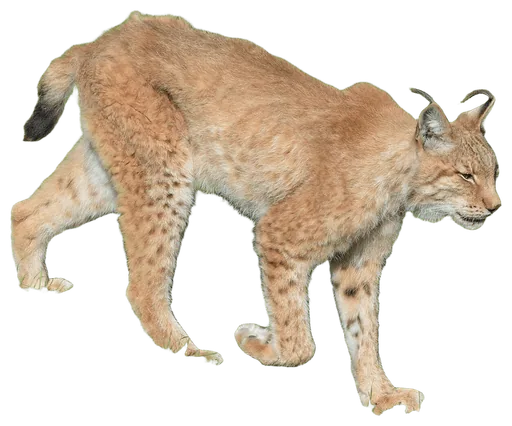
  W vs LynxWins · 51% · Toss-up
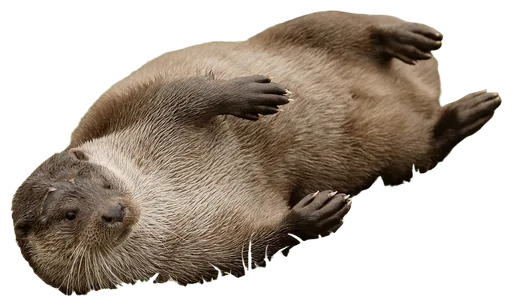
  W vs OtterWins · 51% · Toss-up
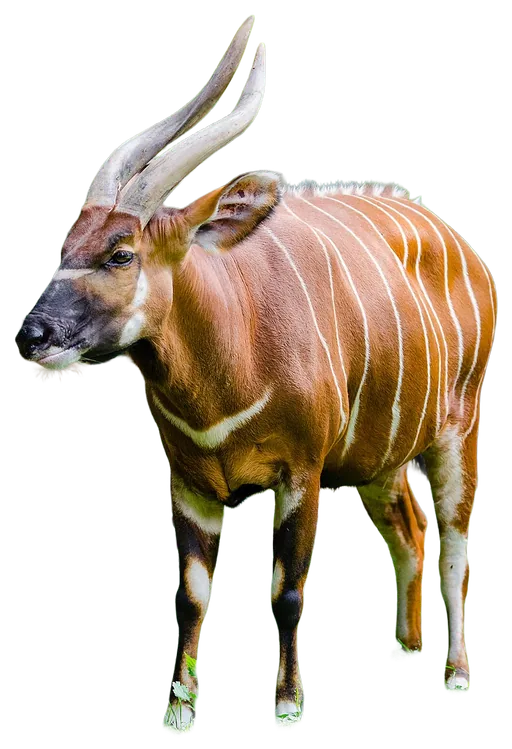
  W vs BongoWins · 52% · Toss-up
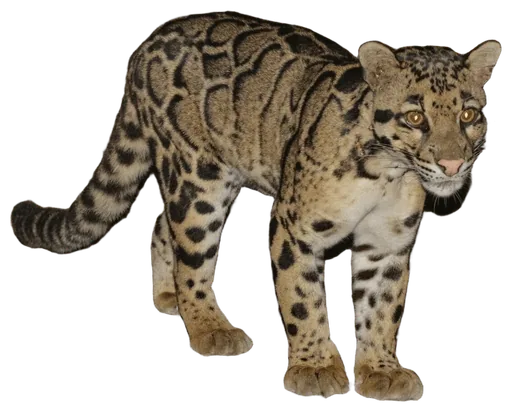
  W vs Clouded LeopardWins · 52% · Toss-up
  W
W  Pick any opponent
 Markhor battle analysis
A mature markhor buck is one of the most striking animals in the mountains: a big, grizzled goat with a long ruff of hair spilling down its chest and a pair of horns twisted like corkscrews, sometimes more than a metre and a half long. It lives on steep slopes and cliffs from northern Pakistan and Afghanistan into Central Asia, moving between high summer pastures and lower winter slopes and browsing oak, juniper and shrubs when grass is scarce.
Its life centres on terrain. Sharp eyesight and smell let it spot snow leopards and wolves at a distance, and its response is to climb onto rock faces where few predators can follow. In the rut, bucks come down to the female herds and fight by lunging, locking their horns and twisting, each trying to shove the other off balance on the slope. Those contests look dramatic, but they are wrestling matches rather than stabbing duels.
For ABS, the markhor sits beside the Alpine ibex in size and Attack, with slightly higher Agility for its cliff and slope skills, and below the Mountain Goat, which remains the roster's cliff-agility benchmark. Its horns earn a strong Weaponry score, but its mass and lack of armor keep its Attack and Defense firmly in the middle band. Its recovery story, from Endangered to Near Threatened on the back of community conservation, is one of the more hopeful in the mountains.
Habitat & range
Mountains of Central and South Asia: the Hindu Kush, Karakoram and western Himalaya, and ranges in Afghanistan, Tajikistan, Uzbekistan and Turkmenistan. Markhor use steep, rocky slopes and cliffs with scrub and open forest of oak, pine and juniper, and tend to avoid the highest ground. In Chitral Gol National Park they occurred at a mean elevation of about 2,800 m.
Diet & hunting
Markhor both graze and browse, eating grasses and herbs as well as leaves and twigs of shrubs and trees such as oak and juniper, especially in forested areas. They are an important prey species for snow leopards and wolves.
Social life
Females and young live in herds; adult males are mostly solitary or in small male groups outside the rut. During the rut, which peaks from about November to January, males join the herds and compete for females.
Conservation
Near Threatened on the IUCN Red List since 2015, when improved numbers led to its move down from Endangered; some subspecies and regional populations remain in more serious danger. Pakistan's population has been estimated at over 5,000, with the largest single population in Chitral Gol National Park (estimated at about 2,278 animals in 2021). Tajikistan surveys counted about 1,018 markhor in 2012 and later monitoring showed recovery. Community-based trophy hunting programs, in which most permit revenue goes to local villages that protect the herds, are credited with much of this recovery. Remaining threats include poaching, habitat loss, competition with livestock and disease.
Quick answers
How strong is a Markhor?
On the Animal Battle Stats scale, the Markhor has an attack rating of 52 and a power index of 56.3 out of 100, which ranks it #83 of 273 animals and puts it in B tier (Strong). Its strongest stat is agility (75).
How much does a Markhor weigh?
A typical adult Markhor weighs about 100 kg (220 lb). Rated specimen: healthy mature adult male (buck) of about 100 kg and 100 cm at the shoulder, with fully developed corkscrew horns of about 120 cm along the curve.
How fast is a Markhor?
There is no reliable measured top speed for the Markhor, so we do not publish one. Its agility rating, which covers acceleration, reflexes and evasion, is 75 out of 100.
What does a Markhor eat?
Markhor both graze and browse, eating grasses and herbs as well as leaves and twigs of shrubs and trees such as oak and juniper, especially in forested areas. They are an important prey species for snow leopards and wolves.
Is the Markhor endangered?
The Markhor's conservation status is Near Threatened. Near Threatened on the IUCN Red List since 2015, when improved numbers led to its move down from Endangered; some subspecies and regional populations remain in more serious danger. Pakistan's population has been estimated at over 5,000, with the largest single population in Chitral Gol National Park (estimated at about 2,278 animals in 2021). Tajikistan surveys counted about 1,018 markhor in 2012
What animals can beat a Markhor?
Among its closest rivals, the Kudu (50%) would be favored against the Markhor. It would be favored against the Chimpanzee, the Dhole, the Porcupine, the Lynx, the Otter, the Bongo, the Clouded Leopard.
Researched 2026-09-28. Ratings are editorial judgments built from these sources; measurements describe a healthy adult male.
- Animal Diversity Web, Capra falconerimass, length, lifespan
- Handbook treatment, Capra falconeri Wagner 1839 (Zenodo)measurements, horns
- Ultimate Ungulate, Markhormeasurements, behavior
- AnAge, markhor longevitylongevity
- Los Angeles Zoo, Tadjik markhorrut behavior, horns
- Facts and Details, markhorbehavior, rut timing
- Prediction of Kashmir markhor habitat suitability, Biodiversity 2012habitat use
- Current population status of Kashmir markhor in Chitral Golpopulation
- Updated population status of Astor markhor, Gilgit-Baltistanpopulation
- Markhor monitoring in Tajikistan shows population recovery, Oryxrecovery
- Population status of Heptner's markhor in Tajikistan, Oryxpopulation
- Safari Club International Foundation, community-based markhor conservationtrophy hunting model
- Gulf News, Pakistan markhor trophy hunt explainedstatus, population
- CITES case study, Tajikistan ibex and markhorcommunity conservancies
- Wikipedia, Markhorsubspecies, national animal
- Commons, Los Angeles Zoo male markhorimage candidate
Photo: “Markhor Schraubenziege Capra falconeri Zoo Augsburg-02.jpg” by Rufus46, CC BY-SA 3.0, background removed and cropped. Original
Suggest a correction