
Mandrill
Mandrillus sphinxB tier · Strong74th of 163 mammals
Size & speed

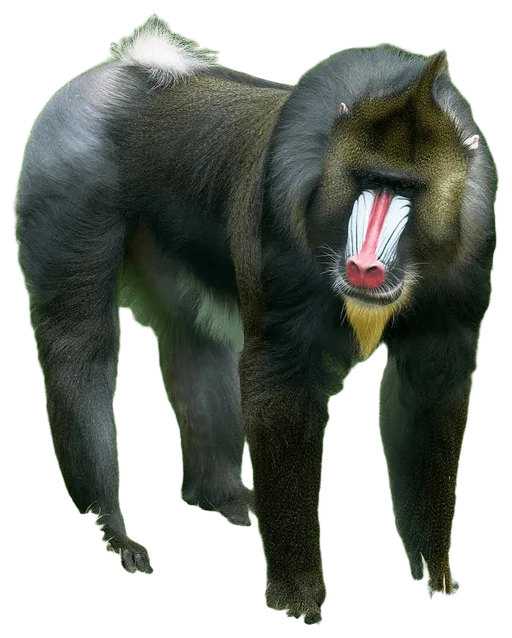
- Weight
- 32 kg71 lb
- Length
- 72 cm28.3 in
As heavy as 7.1 house cats
Heavier than 59% of animalsAbout 2.4 rulers long
Bigger than 34% of animalsThe mandrill is the world's largest living monkey and an unusually formidable close-range primate. A mature male combines a roughly 32 kg muscular body with 4.5 cm canine weapons, climbing/grappling control and sophisticated rival assessment. Its real strength is a balanced package of weaponry, maneuverability and primate tactics rather than the exaggerated speed or bite-PSI figures often repeated online.
Detailed ratings
Research-backed ratings on one 0–100 scale for all 344 animals (updated 2026-09-27). How ratings work


Card No. 120 of 344. Every animal on Animal Battle Stats has one: its power, tier and archetype on the front; its six battle stats, abilities and signature move on the back.
Special abilities
Adult male canines average about 44-45 mm and are genuine weapons tied to male reproductive success; at grappling range they provide a high-consequence penetrating bite.
Rank-dependent coloration, facial/gestural signals and scent communication allow males to assess rivals and often resolve dangerous contests without blind escalation, improving tactical decision-making.
Unique traits
Adult males reach roughly 3.4 times female body mass, making sex and maturity unusually important to any representative combat profile.
Grasping hands, mobile shoulders and mixed terrestrial/arboreal locomotion let a heavy male transition between ground fighting, climbing and positional grappling in cluttered habitat.
How it fights
Weapons
- The adult male mandrill is a compact close-range primate fighter. Its decisive weapon is not generic primate strength but unusually large canine weaponry. Male canines average about 45 mm and are sufficiently consequential that male-male fights are described as potentially lethal. At contact range the animal can combine biting with forelimb grappling, pulling, positional control and rapid quadrupedal repositioning.
Struggles vs
- No passive armor.
- Short weapon reach compared with horns, antlers and tusks.
- Close-range bite delivery exposes head/neck and limbs.
- Large male body sacrifices some nimbleness relative to smaller monkeys.
- Not a specialized predator and lacks a documented crushing bite-force measurement.
- Weight
- 32 kg71 lb
- Height
- No reliable measurement
- Length
- 72 cm28.3 in
- Top speed
- No reliable measurement
- Bite force
- No reliable measurement
- Lifespan
- 20 years
- Home biome
- Jungle
- Lifestyle
- Social
Rated specimen: Healthy fully mature adult male, represented at 32.0 kg.
Fun facts
- Mandrills are the largest living monkeys by adult male body mass.
- Adult males are about 3.4 times the mass of adult females in longitudinal growth research.
- Male canine crowns average roughly 4.5 cm, more than four times the female average.
- Male-male fights are uncommon because signaling and avoidance often resolve contests, but escalated fights can be fatal.
- A male mandrill has been documented modifying splinters and using them beneath his toenails for apparent hygiene.
- A habituated wild Gabon group traveled as much as 6.5 km in a day and occupied a home range of roughly 867 ha.
Closest rivals by power. Tap one for the full breakdown, or pick any opponent.
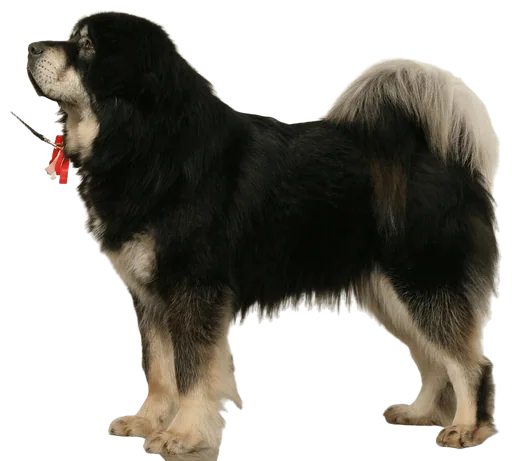
vs Proboscis MonkeyWins · 52% · Toss-up 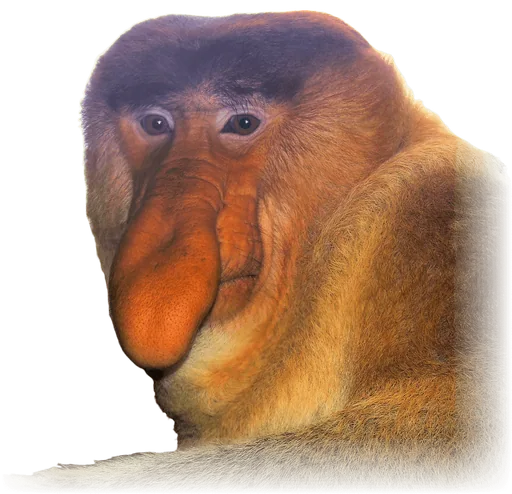 W vs Tibetan MastiffLoses · 53% · Toss-up
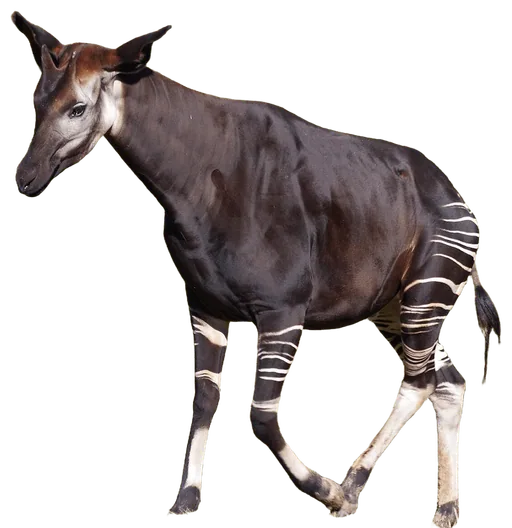
 L vs OkapiLoses · 62% · Slight edge
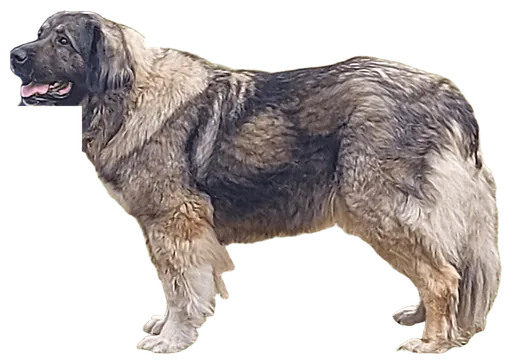
 L vs Caucasian Shepherd DogLoses · 54% · Toss-up
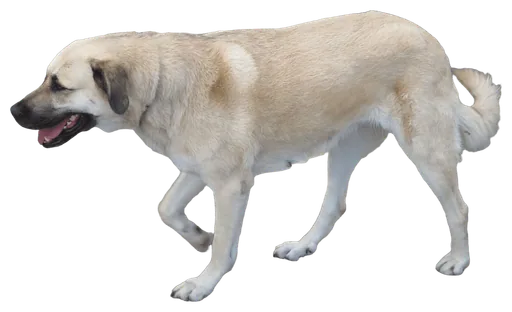
 L vs KangalLoses · 52% · Toss-up
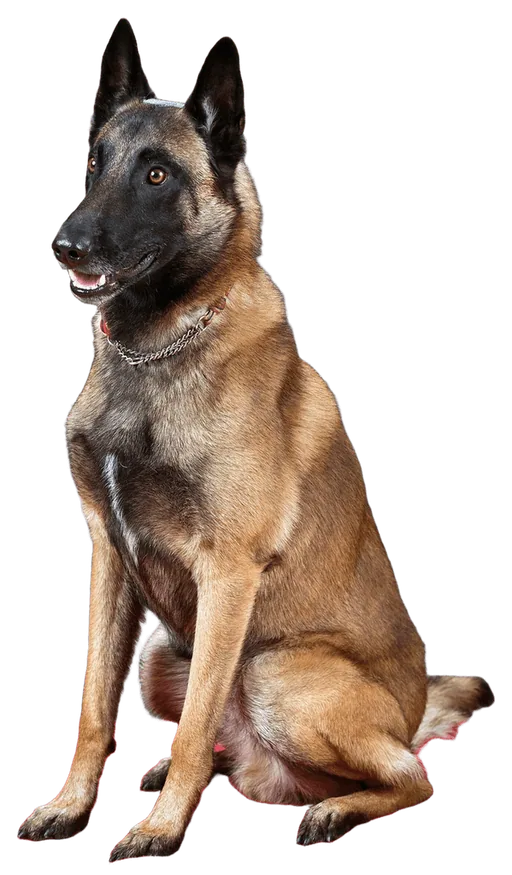
 L vs Belgian MalinoisWins · 51% · Toss-up
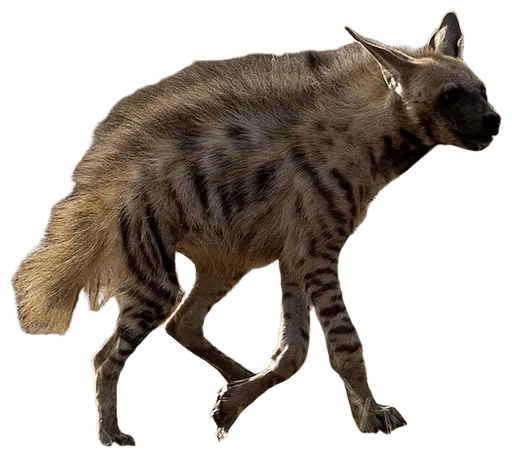
 W vs Striped HyenaDraw · 50-50 · Dead even
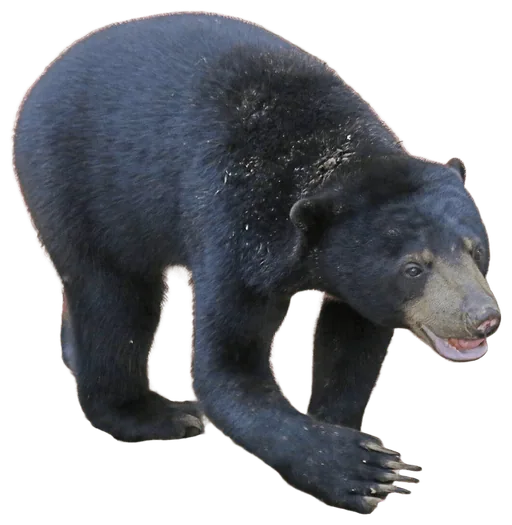
 D vs Sun BearLoses · 52% · Toss-up
 L
Mandrill battle analysis
A mature male mandrill is built around costly competition. Its huge size advantage over females develops slowly, with males continuing physical maturation years after females. At adulthood the male carries long canine weapons whose size is directly associated with reproductive success. Those teeth make escalated fights dangerous enough that mandrills also rely on an equally important second layer of combat biology: assessment. Color, posture, facial displays and scent help males decide whether to press, threaten, appease or retreat.
That combination matters for ABS calibration. The mandrill is much more dangerous than its old placeholder Attack score suggested, but it is not a miniature gorilla or leopard. At about 32 kg, it lacks the absolute muscular mass of great apes and the dedicated killing anatomy of a large cat. Its canines are formidable at contact range, yet reaching that range against horns, tusks, armor or a larger predator is itself the problem.
Ecologically, the species is a flexible rainforest generalist. Mandrills forage on the ground and in trees, change their diet and ranging as fruit availability shifts, travel several kilometers on active days, and maintain complex multi-individual social systems. Manipulative intelligence is not merely inferred from sociality: a published observation documents deliberate selection and modification of splinters for hygiene. The resulting combat profile is a smart, agile, heavily armed medium-small mammal whose best outcomes come from close-range precision and tactical assessment, not raw roster-leading force.
Habitat & range
Mandrills occupy tropical rainforest and related forest mosaics in western Central Africa south of the Sanaga River, principally Cameroon, mainland Equatorial Guinea, Gabon and southwestern Republic of the Congo. They use primary, secondary, riparian and inundated forest. Recent camera-trap work in Equatorial Guinea found occupancy associated with proximity to water and reduced near hunting camps.
Diet & hunting
They are broad omnivores. Fruit is a major resource, with seeds, roots/woody tissues, leaves, fungi, invertebrates and small vertebrates supplementing the diet. Field studies show seasonal flexibility: when fruit is scarce, mandrills broaden foods and range more widely. By consuming and transporting fruit/seeds they contribute to forest seed dispersal.
Social life
Wild social organization is more complex than a simple one-male harem description. A 15-month study of a habituated wild group in Gabon found about 120 individuals, including several natal and non-natal adult/subadult males, and no one-male units. Other populations can aggregate into very large hordes. Female kin form a stable social core while male presence can vary.
Conservation
The species is generally assessed as Vulnerable. Major threats include commercial bushmeat hunting, illegal hunting pressure, logging, agricultural clearing and forest fragmentation. Zoo conservation summaries emphasize habitat loss and bushmeat trade; recent occupancy work independently finds reduced mandrill occurrence near hunting camps.
Quick answers
How strong is a Mandrill?
On the Animal Battle Stats scale, the Mandrill has an attack rating of 47 and a power index of 54.1 out of 100, which ranks it #120 of 344 animals and puts it in B tier (Strong). Its strongest stat is intelligence (82).
How much does a Mandrill weigh?
A typical adult Mandrill weighs about 32 kg (71 lb). Rated specimen: healthy fully mature adult male, represented at 32.0 kg.
How fast is a Mandrill?
There is no reliable measured top speed for the Mandrill, so we do not publish one. Its agility rating, which covers acceleration, reflexes and evasion, is 76 out of 100.
What does a Mandrill eat?
They are broad omnivores. Fruit is a major resource, with seeds, roots/woody tissues, leaves, fungi, invertebrates and small vertebrates supplementing the diet. Field studies show seasonal flexibility: when fruit is scarce, mandrills broaden foods and range more widely. By consuming and transporting fruit/seeds they contribute to forest seed dispersal.
Is the Mandrill endangered?
The Mandrill's conservation status is Vulnerable. The species is generally assessed as Vulnerable. Major threats include commercial bushmeat hunting, illegal hunting pressure, logging, agricultural clearing and forest fragmentation. Zoo conservation summaries emphasize habitat loss and bushmeat trade; recent occupancy work independently finds reduced mandrill occurrence near hunting camps.
What animals can beat a Mandrill?
Among its closest rivals, the Tibetan Mastiff (53%), the Okapi (62%), the Caucasian Shepherd Dog (54%), the Kangal (52%), the Sun Bear (52%) would be favored against the Mandrill. It would be favored against the Proboscis Monkey, the Belgian Malinois. It is dead even with the Striped Hyena: a draw.
Researched 2026-09-27. Ratings are editorial judgments built from these sources; measurements describe a healthy adult male.
- Animal Diversity Web, Mandrillus sphinxmorphology, range, behavior, lifespan
- Setchell et al., growth/ontogenydimorphism, maturation
- Setchell, Drills and Mandrills reference synthesismass, canines, ecology
- Leigh et al., canine tooth size and fitnessweapon biology
- Setchell & Wickings, dominance/statusfighting/tactics
- Brockmeyer et al. 2015social organization/endurance
- Hongo et al. 2018diet/ecology
- Lahm 1986diet/habitat
- Pansini & de Ruiter 2011cognition
- San Diego Zoolife history/conservation
- Columbus Zoomass/range/diet
- Wikimedia Commons, Mandrill 01image provenance
Photo: “Mandrill at SF Zoo.jpg” by Sanjay Acharya, CC BY-SA 4.0, background removed and cropped. Original
Suggest a correction