

Mako Shark
Isurus oxyrinchus
 #12 of 273
  Ocean Speedster Endangered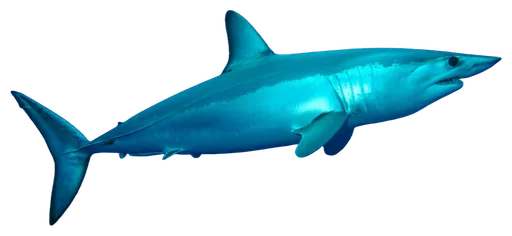
 Fight
FightPhoto: Patrick Doll · CC BY-SA 3.0
The shortfin mako is the ocean's speed shark: a 3-metre, 275 kg warm-muscled hunter that bursts faster than almost any fish ever measured and leaps up to 6 metres out of the water. Its slender grasping teeth are deadly to fast fish, but it lacks the mass and cutting bite of a Great White.
 Attack75
  Defense53
  Agility85
  Stamina88
  Intelligence64
  Special86
 Detailed ratings
Research-backed ratings on one 0–100 scale for all 273 animals (updated 2026-09-28). How ratings work
Special abilities
Ability 1Bristle-Scale BurstFlexible flank and fin scales bristle above 40° when water starts to flow backward over them, helping keep flow attached during fast swimming and turns. In a matchup it supports the mako's bursts, measured at 5.02 m/s, among the fastest ever directly measured in sharks, tunas and billfishes.
 Ability 2Rocket Breach
Makos can launch up to about 6 m out of the water and have landed in boats. The same explosive power lets a mako close distance vertically and surprise opponents from below.
Unique traits
 TraitWarm-Muscle Cruiser
Regional endothermy keeps the red swimming muscle warmer than the sea, supporting high performance in cool water and ocean-scale journeys such as 13,300 km in six months.
TraitSwordfish HunterMakos prey on swordfish and other billfish, and some have been found with swordfish bills embedded in their heads, a rare predator-prey duel between two high-speed fish.
How it fights
Weapons
- The mako's weapon is a fast, precise bite. Its long, slender, non-serrated teeth are built to seize slippery, fast-moving fish such as bluefish, tunas and mackerels; stomach studies also record billfish, including swordfish, and other sharks. A study of Atlantic stomachs found headless and tailless fish, consistent with makos biting off parts of prey too large to swallow whole. The mako does not have the Great White's broad cutting dentition, so it is less efficient at removing large chunks from big, tough opponents, but it delivers its bite at a speed few sharks can match.
 Struggles vs
- No armor; a long spear such as a swordfish bill can penetrate the head and gills.
- Slender grasping teeth are less effective at cutting large, tough prey than serrated teeth.
- Much smaller than the Great White, so it loses head-on contests of mass.
- Must keep swimming to breathe efficiently.
- Weight
- 275 kg606 lb
- Height
- No reliable measurement
- Length
- 2.8 m9.2 ft
- Top speed
- 18 km/h11 mph
- Bite force
- No reliable measurement
- Lifespan
- 30 years
- Home biome
- Ocean
- Lifestyle
- Mostly solitary
Rated specimen: Healthy mature adult female, 275 kg and 280 cm fork length (roughly 3 m total length), matching the median size and weight at maturity for North Atlantic females.
Fun facts
- The shortfin mako holds the record for the highest-leaping shark, about 6 m.
- A GPS-tagged mako from New Zealand swam about 13,300 km in six months.
- Mako flank scales bristle like tiny flaps when water starts to flow backward, an idea engineers are studying for aircraft wings.
- Makos have been found with swordfish bills broken off inside their heads.
- In one study bluefish made up about 77.5% of the diet of northwest Atlantic makos.
- A 2 m female mako carried a tag that clocked a burst of 5.02 m/s.
Closest rivals by power. Tap one for the full breakdown, or pick any opponent.
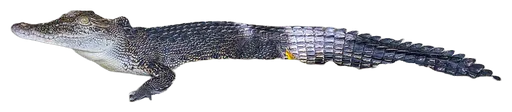
vs Hammerhead SharkWins · 50% · Toss-up 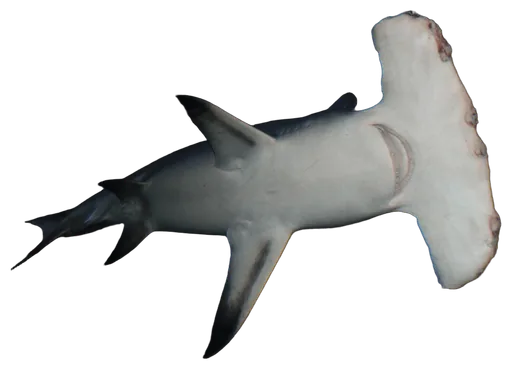 W vs Saltwater CrocodileLoses · 50% · Toss-up
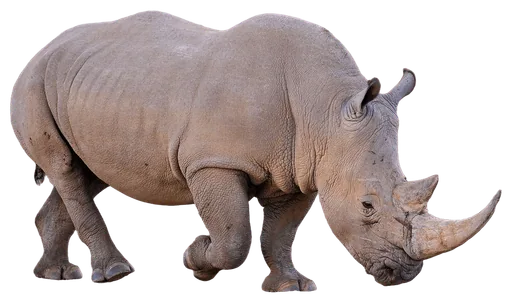
  L vs RhinocerosWins · 51% · Toss-up
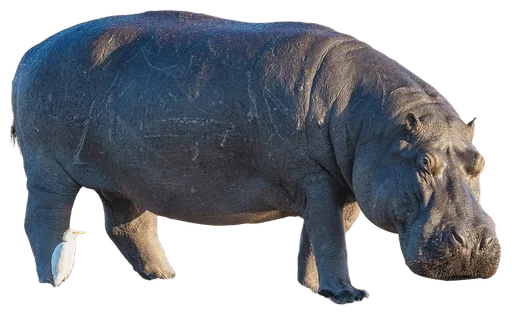
  W vs HippopotamusLoses · 52% · Toss-up
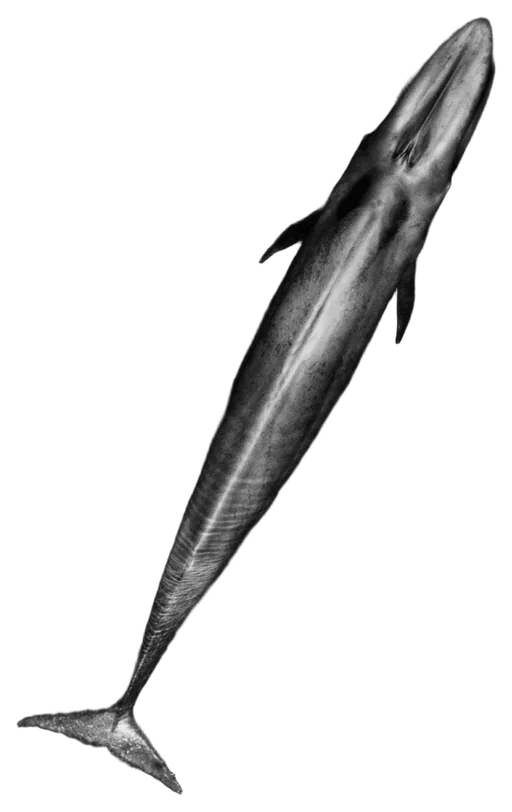
  L vs Blue WhaleLoses · 55% · Toss-up
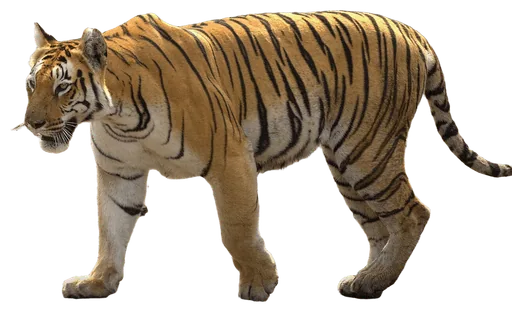
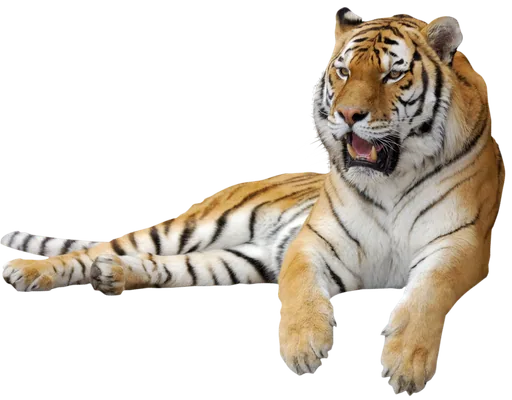
  L vs Bengal TigerWins · 52% · Toss-up
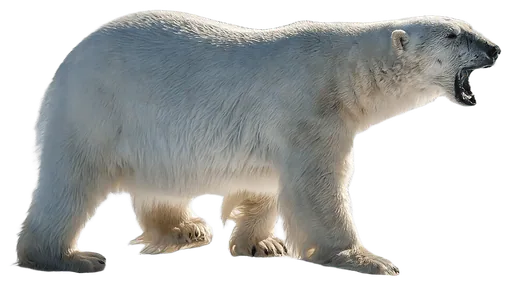
  W vs Polar BearLoses · 53% · Toss-up
  L vs Siberian TigerWins · 53% · Toss-up
  W
W  Pick any opponent
 Mako Shark battle analysis
The shortfin mako is built for acceleration. Its body is a stiff torpedo driven by a crescent tail and by red muscle kept warmer than the sea around it. Tags on free-swimming makos have recorded bursts above 5 metres per second, among the fastest ever directly measured in sharks, tunas and billfishes, and makos can launch themselves around 6 metres into the air. Even the skin helps: tiny scales on the flanks bristle when water starts to flow backward, keeping the flow attached as the shark turns and sprints.
That speed serves a precise weapon. The mako's long, slender teeth are made for grabbing fast, slippery fish, and it hunts bluefish, tunas, mackerels and even swordfish. The swordfish fights back: makos have been found with bills snapped off in their heads and gills. It shows the mako's style, a high-speed predator that wins by closing distance faster than its prey can react rather than by overpowering it with mass.
In a battle the mako is dangerous and elusive. It can outswim and outlast most open-water opponents and strike with little warning. Its limits are size and armor: a 275 kg shark with grasping teeth cannot carve up a much larger animal the way a Great White can, and it has no protection against a determined counterattack. Against anything it can outpace it is lethal; against giants it must rely on speed to avoid a fight it cannot win.
Habitat & range
The shortfin mako lives in tropical and temperate seas worldwide, mostly in open ocean from the surface to several hundred metres, and also along continental shelves. It avoids the coldest waters but uses warm muscles to hunt in cool water.
Diet & hunting
Makos are mainly fish eaters. Bluefish dominate the diet in the northwest Atlantic; elsewhere mackerels, tunas, herrings, squid, swordfish and other billfish, and smaller sharks are common. Large individuals sometimes take marine mammals. The mako is a high-level predator in open-ocean food webs.
Social life
Makos are solitary. Sexes and size classes are often found in different areas, with large mature females less common in catches than males and juveniles.
Conservation
The shortfin mako is listed as Endangered on the IUCN Red List (2019 assessment), with an estimated global decline of about 47% and the highest probability of a 50–79% decline over three generations. Overfishing in longline fisheries is the main cause. NOAA completed an Endangered Species Act status review in 2022, and international fishery managers have since agreed stricter retention limits for North Atlantic makos (Oceana report).
Quick answers
How strong is a Mako Shark?
On the Animal Battle Stats scale, the Mako Shark has an attack rating of 75 and a power index of 73.3 out of 100, which ranks it #12 of 273 animals and puts it in S tier (Apex). Its strongest stat is stamina (88).
How much does a Mako Shark weigh?
A typical adult Mako Shark weighs about 275 kg (606 lb). Rated specimen: healthy mature adult female, 275 kg and 280 cm fork length (roughly 3 m total length), matching the median size and weight at maturity for North Atlantic females.
How fast is a Mako Shark?
The Mako Shark's top speed is about 18 km/h (11 mph). Its agility rating is 85 out of 100.
What does a Mako Shark eat?
Makos are mainly fish eaters. Bluefish dominate the diet in the northwest Atlantic; elsewhere mackerels, tunas, herrings, squid, swordfish and other billfish, and smaller sharks are common. Large individuals sometimes take marine mammals. The mako is a high-level predator in open-ocean food webs.
Is the Mako Shark endangered?
The Mako Shark's conservation status is Endangered. The shortfin mako is listed as Endangered on the IUCN Red List (2019 assessment), with an estimated global decline of about 47% and the highest probability of a 50–79% decline over three generations. Overfishing in longline fisheries is the main cause. NOAA completed an Endangered Species Act status review in 2022, and international fishery managers have since agreed stricter retention limits for
What animals can beat a Mako Shark?
Among its closest rivals, the Saltwater Crocodile (50%), the Hippopotamus (52%), the Blue Whale (55%), the Polar Bear (53%) would be favored against the Mako Shark. It would be favored against the Hammerhead Shark, the Rhinoceros, the Bengal Tiger, the Siberian Tiger.
Researched 2026-09-28. Ratings are editorial judgments built from these sources; measurements describe a healthy adult female.
- Waller et al. 2023, Journal of Fish Biology (PMC)speed
- First insights into mako fine-scale swimming behaviour, Royal Society Open Science 2023swimming behavior
- NOAA Institutional Repository, updated reproductive parameters (North Atlantic)mass, length, dimorphism
- FishBase, Isurus oxyrinchusmaximum size
- Wikipedia, Shortfin mako sharktypical size, swordfish wounds
- Guinness World Records, highest leaping sharkleap height
- Motta et al. 2012, Journal of Morphologyscale flexibility
- AskNature, scales manipulate flowscale bristling summary
- Tokunaga et al. 2025, Journal of Animal Ecologyregional endothermy
- Live Science, mako migrationendurance
- ReefQuest Centre for Shark Research, Biology of the Shortfin Makodiet
- Unexpected headless and tailless fish in mako stomachs (PMC)feeding mechanics
- Mako circling a finless porpoise (PMC)marine mammal interactions
- Newsweek, most powerful shark bite measuredbite context
- Shark League, IUCN classifies makos as Endangeredconservation
- Oceana, international victory for endangered shortfin makosconservation management
- NOAA Fisheries, ESA status review report 2022conservation, biology
- Animal Diversity Web, Isurus oxyrinchuslifespan
- Discovery on X, brain-to-body claimintelligence claim
Photo: “Kurzflossen-Mako.jpg” by Patrick Doll, CC BY-SA 3.0, background removed and cropped. Original
Suggest a correction