

Maine Coon
Felis catus
 #257 of 344
  Forest Hunter Domesticated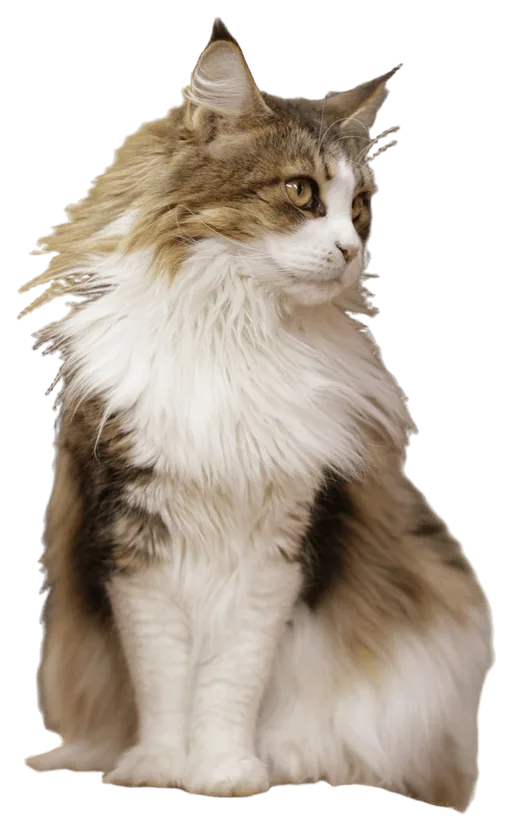
 Fight
FightPhoto: Takashi Hososhima · CC BY-SA 2.0
The Maine Coon is the largest non-hybrid domestic cat, a 7.5 kg shaggy "gentle giant" with snowshoe paws, a weatherproof coat and the full house-cat toolkit of claws, bite, reflexes and ultrasonic hearing. It is noticeably stronger than an ordinary cat, but on the absolute scale it remains far below wild cats such as the bobcat and lynx.
 Attack28
  Defense20
  Agility80
  Stamina46
  Intelligence63
  Special61
 Detailed ratings
Research-backed ratings on one 0–100 scale for all 344 animals (updated 2026-09-28). How ratings work
Special abilities
Ability 1Snowshoe PawsLarge, round paws with long tufts of fur between the toes spread its weight on snow and soft ground, and in polydactyl lines one to three extra digits per paw add grip. In a matchup this means sure footing where other small predators flounder.
 Ability 2Heavyweight Bite-and-Grab
The classic cat attack of pounce, claw-grip and neck bite, delivered by one of the heaviest domestic cats; in cats, estimated bite force rises with body mass, so a big Maine Coon male hits harder than an ordinary tomcat.
Unique traits
 TraitGentle Giant
The largest non-hybrid domestic cat breed, slow to mature (up to three years), with mature males often reaching 20 lb; a Maine Coon named Stewie was the Guinness "Longest Cat" at 123 cm.
TraitAll-Weather CoatA shaggy, water-resistant coat that is longest on the belly and rear, a bushy tail that wraps around the face, and heavily tufted ears suit it to Maine winters; many Maine Coons are also unusually fond of water.
How it fights
Weapons
- The Maine Coon has the standard domestic-cat kit on a larger frame: a stalk and pounce, forefoot claws to grab and hold, hind claws to rake, and a precise killing bite to the neck of small prey. Because bite force rises with body mass, a 7.5 kg male should bite harder than an ordinary 5 kg tomcat, and the breed is historically a working mouser on New England farms. Against anything much larger than a rabbit, however, it still lacks the mass and weaponry of wild cats such as the bobcat or lynx.
 Struggles vs
- Small absolute size and power despite being a large cat.
- No armor.
- Poor endurance in long chases.
- Breed predisposition to heart disease (hypertrophic cardiomyopathy) and hind-limb joint problems.
- Weight
- 7.5 kg17 lb
- Height
- 30 cm11.8 in
- Length
- 90 cm35.4 in
- Top speed
- No reliable measurement
- Bite force
- No reliable measurement
- Lifespan
- 11 years
- Home biome
- Forest
- Lifestyle
- Mostly solitary, nocturnal
Rated specimen: Healthy mature intact male of about 7.5 kg, fully grown (the breed can take up to three years to finish growing) and in fit, non-obese condition.
Fun facts
- A Maine Coon named Stewie held the Guinness record as the world's longest cat, 123 cm from nose to tail tip.
- The breed can take up to three years to reach full size.
- Many Maine Coons have extra toes; in one study of 70 cats from polydactyl lines, 48 had them, with no apparent harm to welfare.
- The Maine Coon is the official state cat of Maine.
- Despite the name, the breed has no raccoon in it; the raccoon story is a myth.
- A female Maine Coon named Cosey was Best in Show at the first North American cat show, held at Madison Square Garden in 1895.
Closest rivals by power. Tap one for the full breakdown, or pick any opponent.
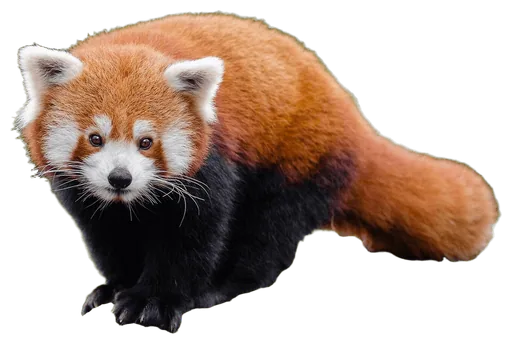
vs Fennec FoxLoses · 50% · Toss-up 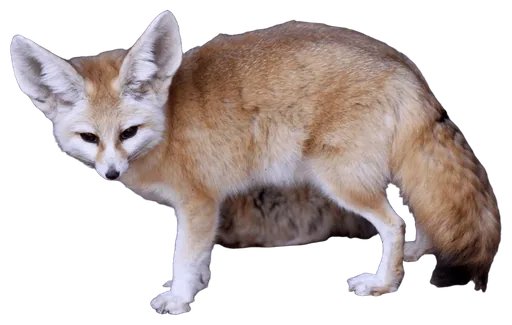 L vs Red PandaLoses · 50% · Toss-up
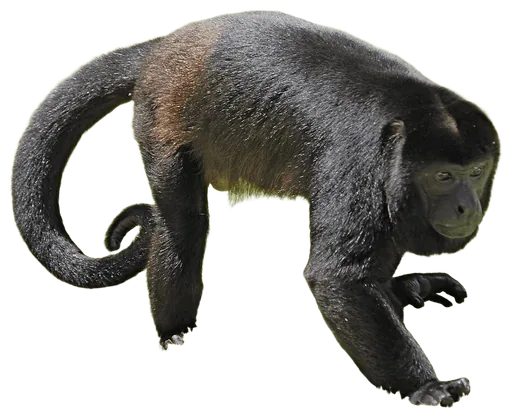
  L vs Howler MonkeyLoses · 51% · Toss-up
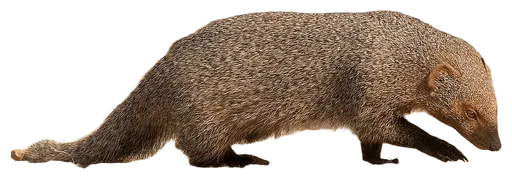
  L vs MongooseLoses · 51% · Toss-up
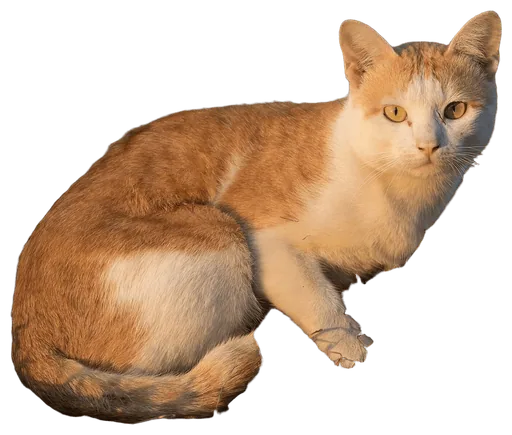
  L vs House CatWins · 51% · Toss-up
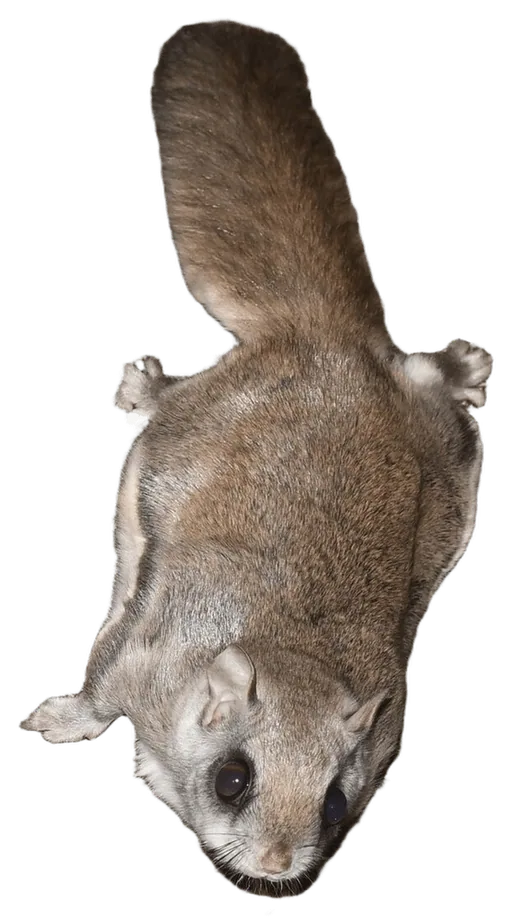
  W vs Flying SquirrelWins · 51% · Toss-up
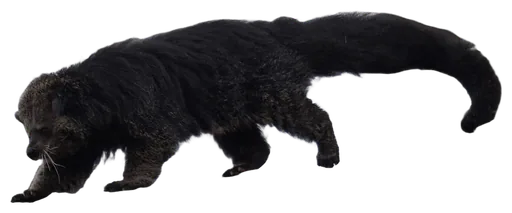
  W vs BinturongWins · 51% · Toss-up
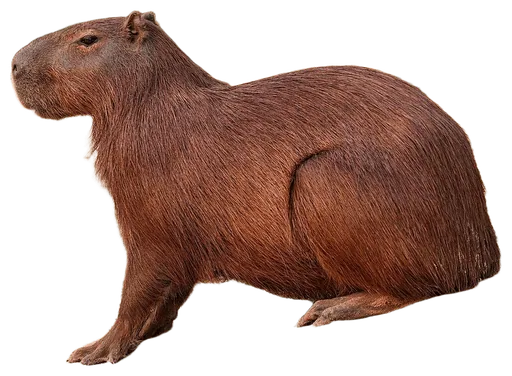
  W vs CapybaraLoses · 52% · Toss-up
  L
L  Pick any opponent
 Maine Coon battle analysis
The Maine Coon grew out of the farm cats of New England, where long winters favored big, heavily coated cats with broad, tufted feet. Breeders have since selected it for size, and a mature male commonly weighs 7–9 kg, making it the heaviest non-hybrid domestic breed. It keeps every tool of the domestic cat: retractable claws, a precise neck bite, a flexible spine and righting reflex, and hearing that reaches about 85 kHz.
Its extra size matters. In cats, bite force rises with body mass, and a heavy Maine Coon male can handle larger prey and bigger opponents than an ordinary tomcat. Its thick coat gives a little padding and superb cold-weather comfort, and its snowshoe paws keep it sure-footed in snow. On the other hand, the breed's famously gentle temperament, its slower, heavier frame and its predisposition to heart and hip problems keep it from being a fighting cat in any real sense.
On the absolute ABS scale, the Maine Coon therefore sits just above the house cat in Attack and Defense, level with a red fox, and well below the 10–24 kg wild cats such as the bobcat and lynx that it superficially resembles with its tufted ears. Its Agility, Senses and Intelligence stay close to the house cat's, because it is the same species in a bigger coat.
Habitat & range
A domestic breed kept worldwide. It developed in Maine and elsewhere in New England, a region of cold, snowy forests and farmland, from cats brought by European settlers; genetic studies group the breed with Western European cats and find it most similar to random-bred cats of the northeastern United States.
Diet & hunting
An obligate carnivore like all cats. Pet Maine Coons eat prepared food; the breed's origins are as a farm and ship mouser hunting rodents and small animals.
Social life
Like other domestic cats, a solitary hunter with flexible social relationships; the breed is noted for being sociable and people-oriented.
Conservation
Not applicable as a wild species; it is a Domesticated breed. The Maine Coon was declared "extinct" as a show breed in the 1950s, prematurely, and has since become one of the most popular breeds, ranking first in FIFe registrations in 2024 and becoming the CFA's most registered breed in 2025.
Quick answers
How strong is a Maine Coon?
On the Animal Battle Stats scale, the Maine Coon has an attack rating of 28 and a power index of 42.6 out of 100, which ranks it #257 of 344 animals and puts it in C tier (Capable). Its strongest stat is agility (80).
How much does a Maine Coon weigh?
A typical adult Maine Coon weighs about 7.5 kg (17 lb). Rated specimen: healthy mature intact male of about 7.5 kg, fully grown (the breed can take up to three years to finish growing) and in fit, non-obese condition.
How fast is a Maine Coon?
There is no reliable measured top speed for the Maine Coon, so we do not publish one. Its agility rating, which covers acceleration, reflexes and evasion, is 80 out of 100.
What does a Maine Coon eat?
An obligate carnivore like all cats. Pet Maine Coons eat prepared food; the breed's origins are as a farm and ship mouser hunting rodents and small animals.
Is the Maine Coon endangered?
The Maine Coon's conservation status is Domesticated. Not applicable as a wild species; it is a Domesticated breed. The Maine Coon was declared "extinct" as a show breed in the 1950s, prematurely, and has since become one of the most popular breeds, ranking first in FIFe registrations in 2024 and becoming the CFA's most registered breed in 2025.
What animals can beat a Maine Coon?
Among its closest rivals, the Fennec Fox (50%), the Red Panda (50%), the Howler Monkey (51%), the Mongoose (51%), the Capybara (52%) would be favored against the Maine Coon. It would be favored against the House Cat, the Flying Squirrel, the Binturong.
Researched 2026-09-28. Ratings are editorial judgments built from these sources; measurements describe a healthy adult male.
- Wikipedia, Maine Coonsize, coat, history, health, lifespan, polydactyly
- Cat Fanciers' Association, Maine Coon breed profilesize, maturation, coat, paws
- Schnabl-Feichter et al. 2018, PLoS ONEmeasured mass, gait, orthopedics
- Campigotto et al. 2019, JAVMAbody weight over life
- Teng et al. 2024, J. Feline Med. Surg.lifespan
- Hamelin et al. 2017, J. Feline Med. Surg.polydactyly
- Sukumolanan and Petchdee 2022, Veterinary Worldheart disease
- Fleming et al. 2020, Animalsbite force scaling
- Heffner and Heffner 1985, Hearing Researchhearing
Photo: “Karin Maine Coon.jpg” by Takashi Hososhima, CC BY-SA 2.0, background removed and cropped. Original
Suggest a correction