
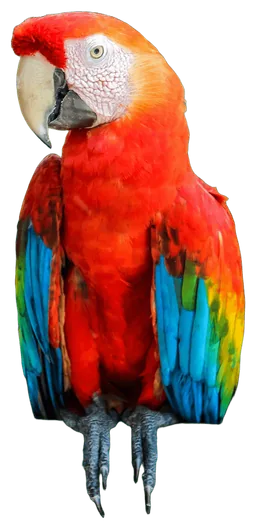
Macaw
Ara macaoC tier · Capable29th of 55 birds
Size & speed

- Weight
- 1.2 kg3 lb
- Length
- 89 cm35 in
- Top speed
- 56 km/h35 mph
As heavy as 6 smartphones
Heavier than 22% of animalsAbout 3 rulers long
Bigger than 40% of animalsFaster than Usain Bolt (44.7 km/h)
Faster than 69% of animalsThe Scarlet Macaw is a ~1.2 kg Neotropical parrot whose battle value comes from aerial maneuverability, a disproportionately powerful hooked bill and elite learning ability rather than size. Zygodactyl feet and the bill make it an exceptional canopy climber, while flight allows selective engagement. If caught, however, it has little structural defense.
Detailed ratings
Research-backed ratings on one 0–100 scale for all 344 animals (updated 2026-09-27). How ratings work


Card No. 216 of 344. Every animal on Animal Battle Stats has one: its power, tier and archetype on the front; its six battle stats, abilities and signature move on the back.
Special abilities
A deep hooked bill and powerful jaw system generate unusually high force for body size, useful for resistant foods and concentrated defensive bites.
Zygodactyl feet work with the hooked bill as an additional climbing contact, enabling controlled repositioning on trunks and branches.
Unique traits
The exceptionally long tail contributes to control and braking in complex forest airspace.
Long life, complex pair/flock relationships and demonstrated trainability support flexible learned behavior.
How it fights
Weapons
- The hooked bill is the main weapon. The 2025 comparative parrot study calculated 444 N for A. macao. That is exceptional for a ~1.2 kg bird but still low in absolute roster-wide force compared with medium mammalian predators. The bill can pinch, crush and tear small targets. Zygodactyl feet add grasping control and claws, but macaws lack the specialized killing talons of raptors.
Struggles vs
- Good matchups: tiny animals unable to reach a flying opponent.
- Mixed: similarly sized agile birds or climbers.
- Bad: raptors, fast aerial predators, venomous contact-punishers and medium/large mammalian predators that secure contact.
- Weight
- 1.2 kg3 lb
- Height
- No reliable measurement
- Length
- 89 cm35 in
- Top speed
- 56 km/h35 mph
- Bite force
- No reliable measurement
- Lifespan
- 45 years
- Home biome
- Jungle
- Lifestyle
- Social
Rated specimen: Healthy fully mature adult, 1.2 kg and 89.0 cm total length.
Fun facts
- A large fraction of total body length is tail.
- The bill is used as a climbing contact as well as a feeding tool.
- Harrison et al. calculated 444 N for Scarlet Macaw, the largest bite force in their sampled parrots.
- Sexes are externally very similar, so appearance alone is a poor sexing method.
- A globally Least Concern species can still be severely depleted regionally.
- Wild birds can gather at Amazonian clay licks.
Closest rivals by power. Tap one for the full breakdown, or pick any opponent.
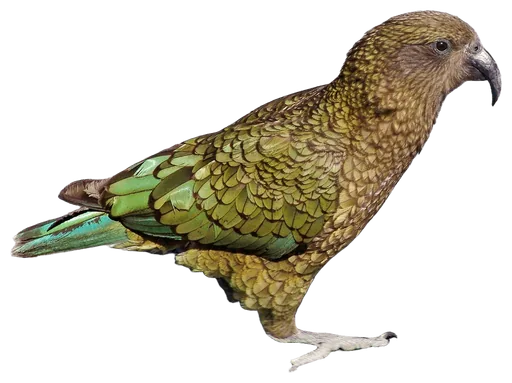
vs GooseLoses · 56% · Toss-up 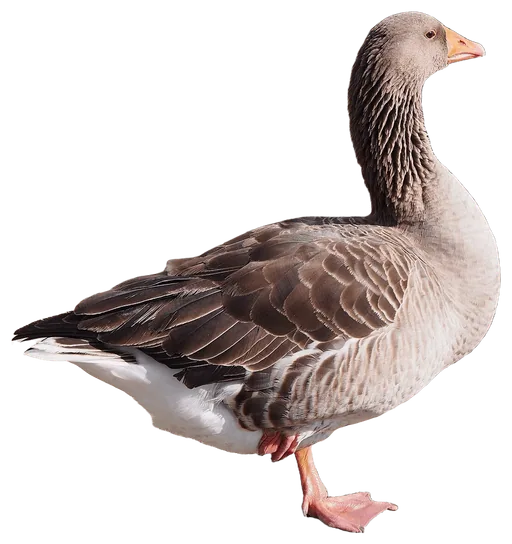 L vs KeaWins · 51% · Toss-up
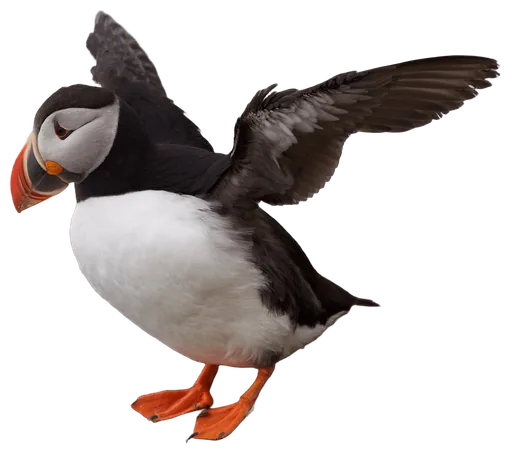
 W vs PuffinWins · 54% · Toss-up
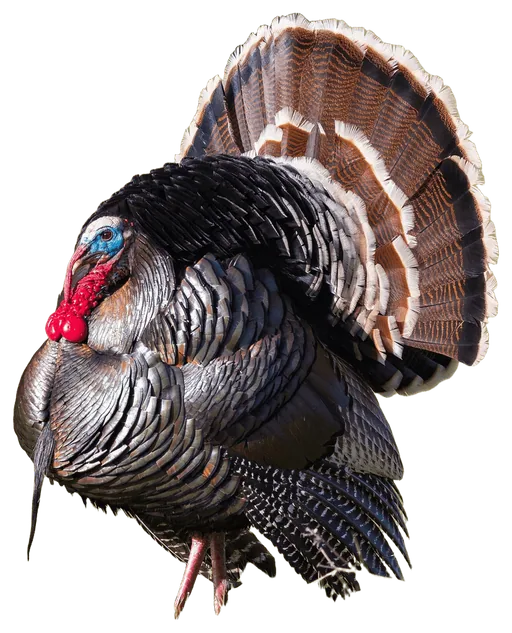
 W vs Wild TurkeyLoses · 59% · Slight edge
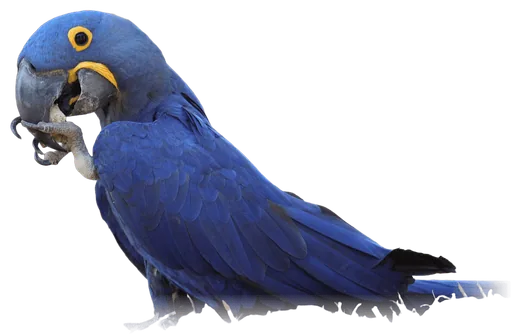
 L vs Hyacinth MacawLoses · 52% · Toss-up
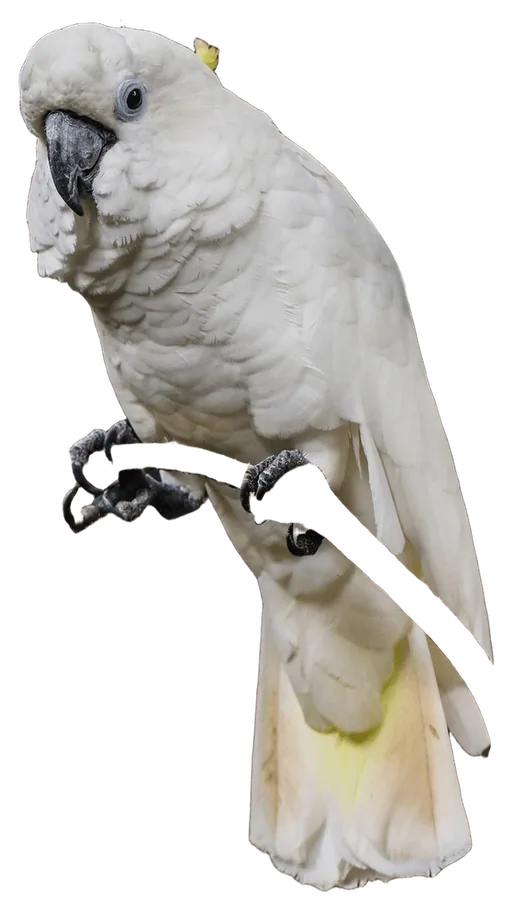
 L vs CockatooWins · 54% · Toss-up
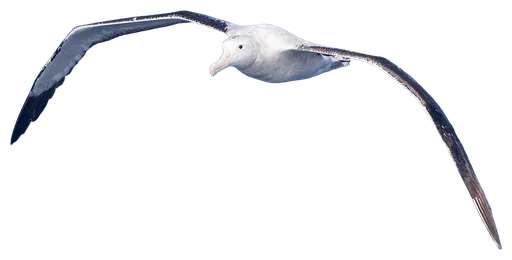
 W vs AlbatrossLoses · 60% · Slight edge
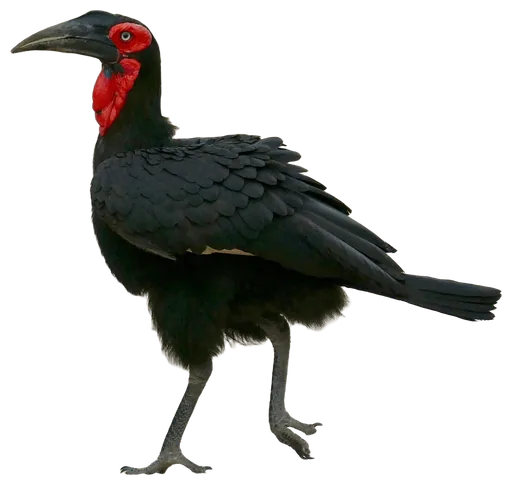
 L vs Southern Ground HornbillLoses · 55% · Toss-up
 L
Macaw battle analysis
A Scarlet Macaw is a lightweight control specialist. In canopy terrain it can fly, brake, turn, land on narrow supports and immediately convert its bill from weapon to climbing hook. Opposing toes stabilize the body while the bill applies concentrated force. This package is formidable for its mass without changing the fact that 1.2 kg sits near the low end of absolute physical power.
Its second advantage is behavioral flexibility. Macaws live for decades, maintain complex social relationships and learn through repeated interaction. High Intelligence is therefore defensible, but cognition does not make feathers into armor, and a 444 N calculated bite does not make a macaw comparable to a lynx. Against tiny animals, flight and repeated bill attacks can dominate. Against a raptor or cat that catches it, the physical margin disappears quickly.
Habitat & range
Scarlet macaws occupy tropical lowland forest, gallery forest, savanna-forest mosaics and river-associated habitats from southern Mexico through Central America and much of northern/central South America east of the Andes. Diet centers on fruits, palm fruits, nuts, seeds, pods, flowers and nectar, with some insects/larvae. Clay-lick use is conspicuous in parts of Amazonia; mineral supplementation and dietary-toxin buffering are proposed functions, but the behavior should not be reduced to one universal explanation.
Social life
They form long-term pair bonds and occur as pairs, family parties and flocks. World Parrot Trust reports parties of 3-4 and flocks up to about 30. They nest in tree cavities, and young can remain associated with parents for extended periods. Wild lifespan is commonly 40-50 years.
Conservation
The species is globally Least Concern, but major regional declines are real. World Parrot Trust reports roughly 50,000-500,000 individuals with a decreasing trend and identifies habitat loss and trapping as major threats. A 2019 USFWS determination estimated about 2,000-3,000 individuals for northern A. m. cyanoptera, with habitat loss, poaching and small population size as principal threats.
Quick answers
How strong is a Macaw?
On the Animal Battle Stats scale, the Macaw has an attack rating of 24 and a power index of 46.3 out of 100, which ranks it #216 of 344 animals and puts it in C tier (Capable). Its strongest stat is agility (86).
How much does a Macaw weigh?
A typical adult Macaw weighs about 1.2 kg (3 lb). Rated specimen: healthy fully mature adult, 1.2 kg and 89.0 cm total length.
How fast is a Macaw?
The Macaw's top speed is about 56 km/h (35 mph). Its agility rating is 86 out of 100.
Is the Macaw endangered?
No. The Macaw is listed as Least Concern. The species is globally Least Concern, but major regional declines are real. World Parrot Trust reports roughly 50,000-500,000 individuals with a decreasing trend and identifies habitat loss and trapping as major threats. A 2019 USFWS determination estimated about 2,000-3,000 individuals for northern A. m. cyanoptera, with habitat loss, poaching and small population size as principal threats.
What animals can beat a Macaw?
Among its closest rivals, the Goose (56%), the Wild Turkey (59%), the Hyacinth Macaw (52%), the Albatross (60%), the Southern Ground Hornbill (55%) would be favored against the Macaw. It would be favored against the Kea, the Puffin, the Cockatoo.
Researched 2026-09-27. Ratings are editorial judgments built from these sources; measurements describe a healthy adult male.
- ADW via Encyclopedia of Life~89 cm, ~1.2 kg, sex similarity, 40-50 y wild lifespan
- Cougar Mountain Zoo74-95 cm, 0.9-1.49 kg, 112-120 cm wingspan, monomorphic sexes, variation
- Alexandria Zoodimensions, diet, beak as climbing limb
- Buffalo Zooup to 35 mph, size, wild lifespan
- Harrison et al., Journal of Anatomy (2025)calculated Scarlet Macaw bite force 444 N
- Comelato, J Avian Med Surg (2025)training, cognition/social-interaction context
- World Parrot Trustrange, ecology, population, threats
- USFWS final rule (2019)northern subspecies estimate/threats
- Wikimedia Commons / Bramansexact-species 3000x2083 photo, CC BY-SA 4.0
Photo: “Scharlachara (Ara macao).jpg” by Dr. Thomas Liptak, CC BY-SA 4.0, background removed and cropped. Original
Suggest a correction