
Lynx
Lynx lynxB tier · Strong67th of 163 mammals
Size & speed

- Weight
- 24 kg53 lb
- Length
- 1.03 m3.4 ft
As heavy as 5.3 house cats
Heavier than 56% of animalsAbout 3.4 rulers long
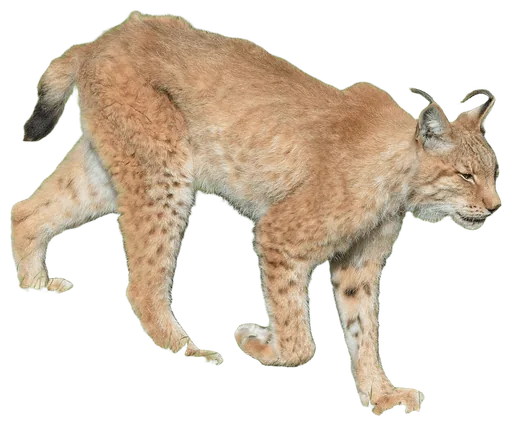
Bigger than 47% of animalsThe Eurasian Lynx is the largest lynx, a roughly 24 kg canonical male built for stealth, snow mobility and explosive ambush. Broad furred paws, acute senses, retractile claws and a killing bite let it routinely take roe deer larger than itself, but its lack of armor and modest absolute mass keep it below true big cats in frontal combat power.
Detailed ratings
Research-backed ratings on one 0–100 scale for all 344 animals (updated 2026-09-27). How ratings work


Card No. 105 of 344. Every animal on Animal Battle Stats has one: its power, tier and archetype on the front; its six battle stats, abilities and signature move on the back.
Special abilities
Broad, furred paws with interdigital webbing spread load and improve movement through snow, preserving stalking and pouncing mobility where many terrestrial opponents lose traction or sink more deeply.
Eurasian lynx use stalking and prey discrimination rather than blind pursuit. Kill data show selection by prey species, sex, size and behavior, allowing the predator to focus its limited body mass on favorable attack opportunities.
Unique traits
Despite a representative mass near 24 kg, Eurasian lynx routinely kill roe deer, demonstrating unusually effective prey control for a medium-sized felid without implying big-cat absolute power.
The short black-tipped tail, facial ruff and prominent ear tufts form the species' characteristic silhouette. These are identification traits; no unsupported hearing boost is assigned to the tufts themselves.
How it fights
Weapons
- The Eurasian lynx is a medium felid with sharp retractile claws, robust forelimbs, carnassial dentition and killing canines. No high-confidence species-specific claw or canine-length measurement suitable for a canonical millimeter field was recovered, so none is invented. Its 24 kg canonical mass places its absolute weapon force well below leopard, jaguar and large canids, but the claw-and-bite package is far more lethal than that of similarly sized herbivores.
Struggles vs
- Open terrain reduces stalking cover.
- Deep water removes much of its terrestrial agility advantage despite competent swimming.
- No armor and only 24 kg canonical mass create major problems against large predators and heavy ungulates.
- Short-burst ambush design is less suited to prolonged open pursuit.
- Its prey-selection behavior itself shows risk sensitivity around very large dangerous ungulates.
- Weight
- 24 kg53 lb
- Height
- 54 cm21.3 in
- Length
- 1.03 m3.4 ft
- Top speed
- No reliable measurement
- Bite force
- No reliable measurement
- Lifespan
- 17 years
- Home biome
- Arctic
- Lifestyle
- Mostly solitary, nocturnal
Rated specimen: Healthy fully mature adult male, 24.0 kg, using a central-European/Swiss adult male as the best-measured representative control.
Fun facts
- It is the largest living lynx species.
- Swiss measured adult males had a median physiological body length of 103 cm and median mass of 22.4 kg.
- Its short tail is typically around 20-25 cm and ends in a black tip.
- Free-ranging GPS/accelerometer lynx in the Bohemian Forest averaged 8.9 active hours per day.
- At the northern edge of the range, studied male home ranges averaged more than 2,600 km².
- A Scandinavian predation study estimated adult males killed about 4.85 roe deer per 30 days.
Closest rivals by power. Tap one for the full breakdown, or pick any opponent.
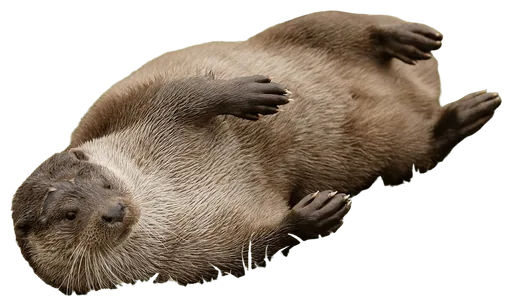
vs Red DeerLoses · 62% · Slight edge 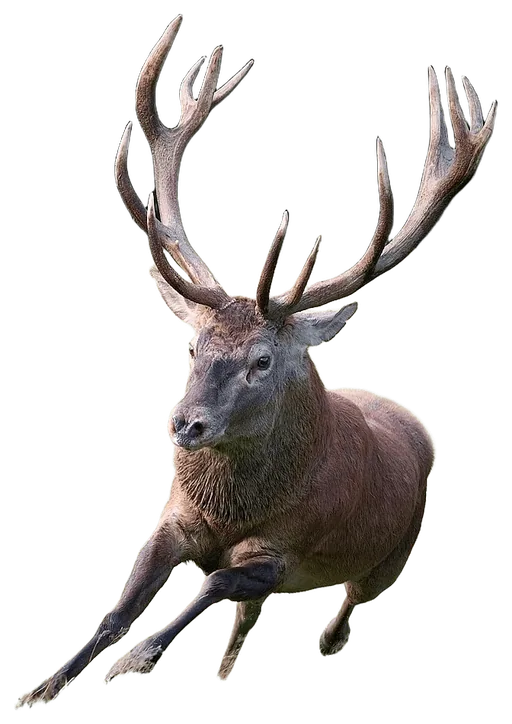 L vs OtterWins · 54% · Toss-up
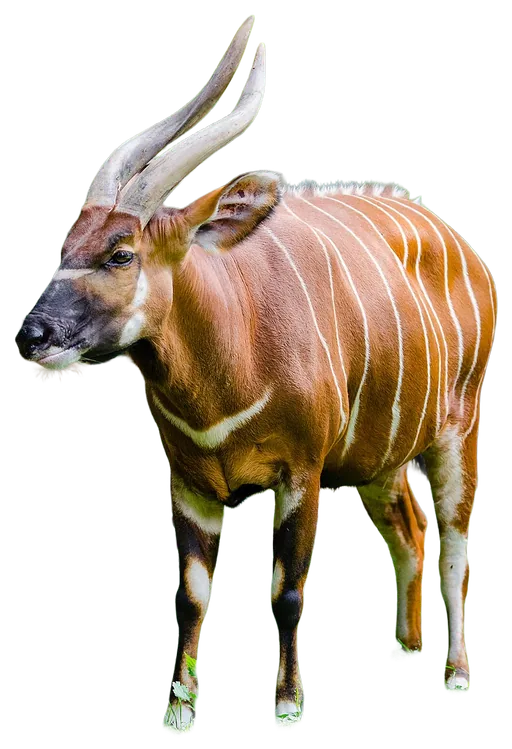
 W vs BongoLoses · 64% · Slight edge
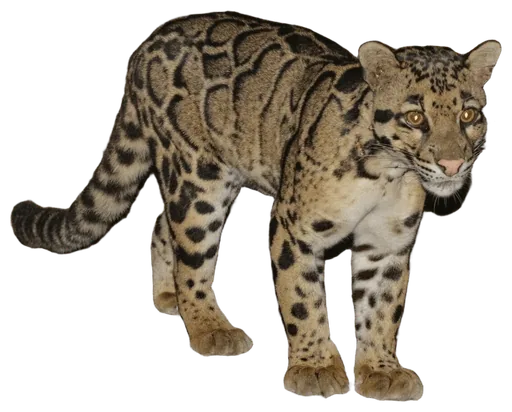
 L vs Clouded LeopardWins · 51% · Toss-up
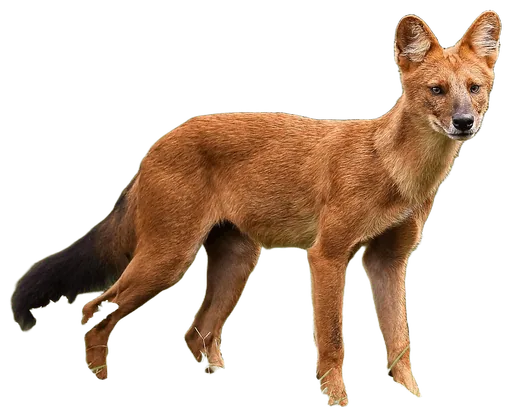
 W vs DholeWins · 51% · Toss-up
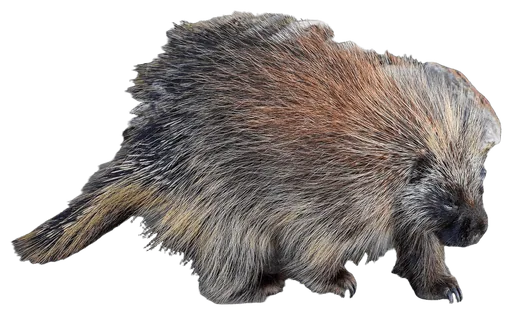
 W vs PorcupineWins · 54% · Toss-up
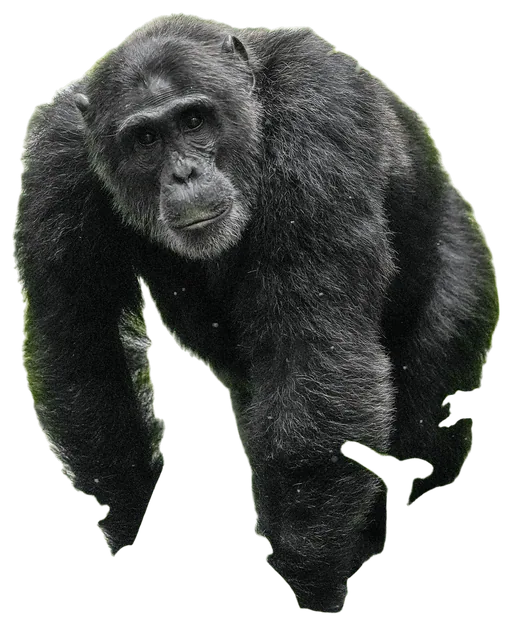
 W vs ChimpanzeeLoses · 55% · Toss-up
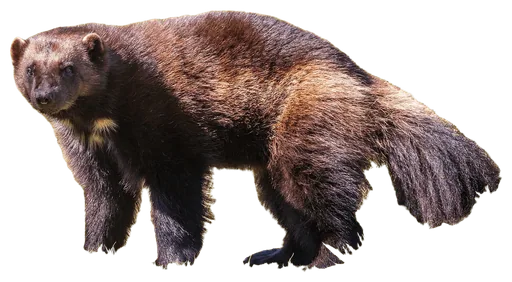
 L vs WolverineWins · 51% · Toss-up
 W
Lynx battle analysis
The Eurasian lynx wins through geometry and selection rather than brute force. Its broad paws and long legs move a compact cat through snow and broken forest, while low-light senses and cover let it compress the distance to prey before committing. Once contact occurs, claws establish control and the jaws finish the attack. The result is a predator capable of killing ungulates while weighing only a fraction as much.
That efficiency should not be mistaken for pound-for-pound permission to score it like a leopard. The lynx has no armor, no massive skull, and no 60-100 kg body behind its weapons. Research showing avoidance of the largest dangerous red-deer males is a useful biological boundary on its combat envelope. Its ABS identity is therefore high agility, senses and tactics paired with moderate absolute attack and low physical protection.
Habitat & range
Eurasian lynx occupies an enormous Eurasian range spanning boreal, temperate and montane landscapes. Forest cover is important across much of Europe, but far-northern telemetry demonstrates that the species can also occupy largely treeless alpine tundra. This breadth is why one local home-range or body-size value should not be treated as universal.
Diet & hunting
It is an obligate carnivore. Roe deer are a major prey base in much of Europe, with chamois, hares and other mammals contributing regionally. The species is an important ungulate predator. Scandinavian work found measurable population-level effects of lynx predation on roe deer.
Social life
Adults are predominantly solitary and territorial. Male ranges are generally larger and can overlap those of females. A 2026 Europe-wide telemetry analysis found extra-territorial mating excursions in 33% of males versus 11% of females, with median distances beyond the home range of 6.8 km for males and 2.6 km for females.
Conservation
The species is globally treated as Least Concern in current conservation summaries, but status varies sharply by population. European populations include reintroduced and fragmented groups, and local threats include illegal killing, habitat fragmentation, roads and conflicts with livestock/game management.
Quick answers
How strong is a Lynx?
On the Animal Battle Stats scale, the Lynx has an attack rating of 48 and a power index of 55.6 out of 100, which ranks it #105 of 344 animals and puts it in B tier (Strong). Its strongest stat is agility (85).
How much does a Lynx weigh?
A typical adult Lynx weighs about 24 kg (53 lb). Rated specimen: healthy fully mature adult male, 24.0 kg, using a central-European/Swiss adult male as the best-measured representative control.
How fast is a Lynx?
There is no reliable measured top speed for the Lynx, so we do not publish one. Its agility rating, which covers acceleration, reflexes and evasion, is 85 out of 100.
What does a Lynx eat?
It is an obligate carnivore. Roe deer are a major prey base in much of Europe, with chamois, hares and other mammals contributing regionally. The species is an important ungulate predator. Scandinavian work found measurable population-level effects of lynx predation on roe deer.
Is the Lynx endangered?
No. The Lynx is listed as Least Concern. The species is globally treated as Least Concern in current conservation summaries, but status varies sharply by population. European populations include reintroduced and fragmented groups, and local threats include illegal killing, habitat fragmentation, roads and conflicts with livestock/game management.
What animals can beat a Lynx?
Among its closest rivals, the Red Deer (62%), the Bongo (64%), the Chimpanzee (55%) would be favored against the Lynx. It would be favored against the Otter, the Clouded Leopard, the Dhole, the Porcupine, the Wolverine.
Researched 2026-09-27. Ratings are editorial judgments built from these sources; measurements describe a healthy adult male.
- Marti et al. 2018, Wildlife Biologyadult male morphometrics
- KORA, Profile Lynxdimensions, dimorphism, tail/tufts, longevity
- Animal Diversity Web, Lynx lynxbroader size, behavior, reproduction, lifespan
- Melis et al. 2016, PLOS ONE / PubMedpredatory tactics and prey selection
- Andrén & Liberg et al. 2015, PLOS ONE / PubMedroe-deer kill rate/ecological impact
- Podolski et al. 2013, Wildlife Biologyactivity and senses context
- Breitenmoser-Würsten et al. 2007, Wildlife Biologymovement/social spatial ecology
- Linnell et al. 2021, Ecology and Evolutiongeographic variation/home range
- Felidae Conservation Fundpaw/snow morphology
- Wikimedia Commons, Male Lynx lynx resting in treeimage provenance
Photo: “Boreal lynx walking.jpg” by Joselodos, CC0, background removed and cropped. Original
Suggest a correction