
Lionfish
Pterois volitansC tier · Capable41st of 51 sea creatures
Size & speed
- Weight
- 500 g17.6 oz
- Length
- 38 cm15 in
As heavy as 2.5 smartphones
Heavier than 15% of animalsAbout 1.3 rulers long
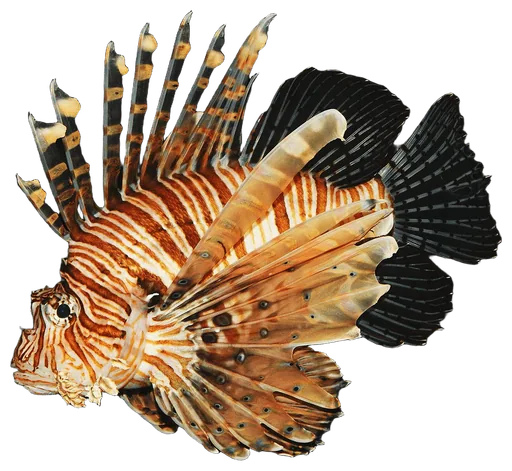
Bigger than 19% of animalsA slow but highly controlled reef predator, the red lionfish combines fan-like pectoral fins, efficient suction feeding and eighteen venomous spines. Its absolute physical power is low, but attackers that must bite or swallow it face a disproportionately dangerous puncture-and-venom defense.
Detailed ratings
Research-backed ratings on one 0–100 scale for all 344 animals (updated 2026-09-27). How ratings work


Card No. 230 of 344. Every animal on Animal Battle Stats has one: its power, tier and archetype on the front; its six battle stats, abilities and signature move on the back.
Special abilities
Eighteen venom-bearing dorsal, pelvic and anal spines create a distributed passive puncture defense; biomechanical work confirms regional specialization in stiffness and puncture behavior.
Continually tracks a faster prey's current position, maintains uninterrupted approach and converts close range into a high-success suction strike.
Unique traits
Enlarged fan-like pectoral fins help constrain and manipulate prey escape space during the final approach.
Solid grooved spines carry venomous glandular tissue beneath a rupturable membrane rather than functioning as hollow hypodermic needles.
How it fights
Weapons
- The lionfish's most consequential weapon system is its array of 18 venomous dorsal, pelvic and anal spines. This is principally a passive defensive puncture system, not a set of fangs actively driven into prey. A predator attempting to engulf, bite or grapple the fish risks puncture and envenomation.
- Weight
- 500 g17.6 oz
- Height
- No reliable measurement
- Length
- 38 cm15 in
- Top speed
- No reliable measurement
- Bite force
- No reliable measurement
- Lifespan
- 15 years
- Home biome
- Ocean
- Lifestyle
- Social
Rated specimen: Healthy fully mature male, approximately 0.5 kg and 38.0 cm total length.
Fun facts
- All 18 venomous spines are not mechanically identical; pelvic and anal spines are stiffer than the long dorsal spines.
- Lionfish can catch prey that swims substantially faster by simply refusing to break pursuit and waiting for the prey's intermittent slow phases.
- In one controlled study, 74% of lionfish strikes succeeded.
- Flower Garden Banks specimens were aged to 10 years, while NOAA reports the species may live 15 years or more.
- A mature female in northern Gulf research was estimated capable of producing more than 2 million eggs per year.
- The venom grooves are on solid tri-lobed spines, not hollow syringe-like fangs.
Closest rivals by power. Tap one for the full breakdown, or pick any opponent.
vs Blue-Ringed OctopusWins · 64% · Slight edge 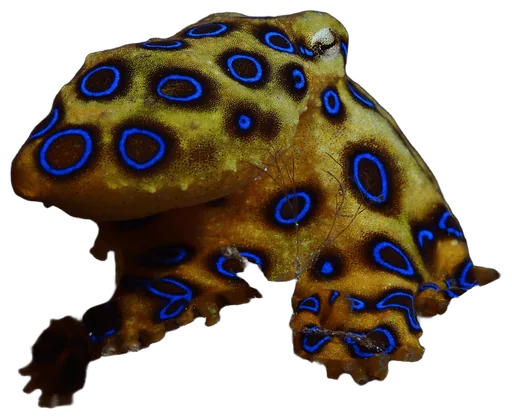 W vs Box JellyfishLoses · 57% · Toss-up
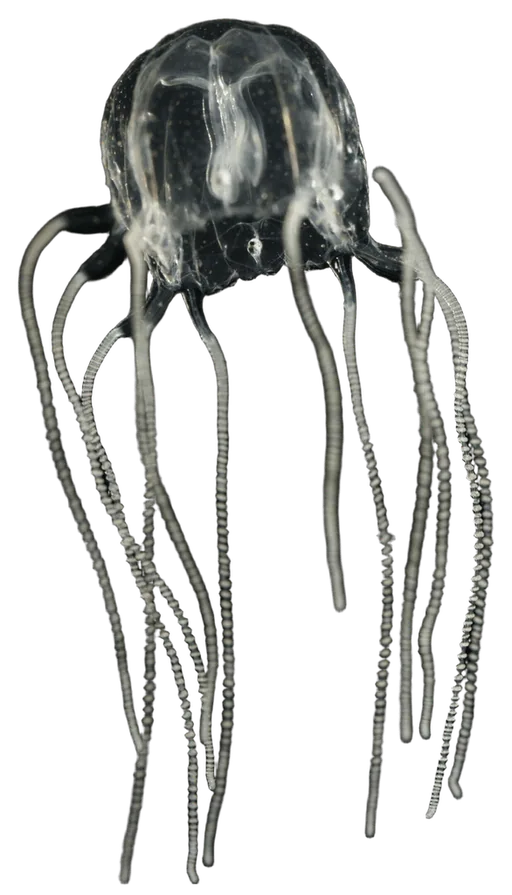 L vs Wels CatfishLoses · 72% · Clear edge
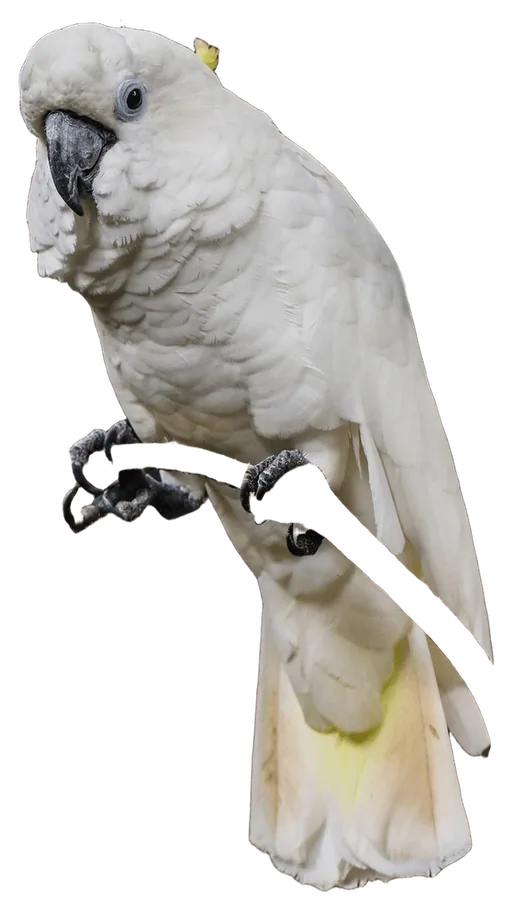
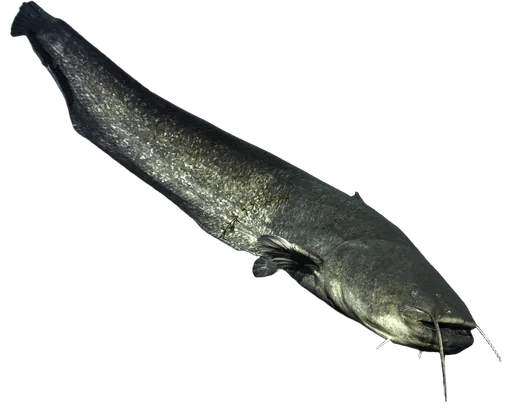 L vs CockatooLoses · 53% · Toss-up
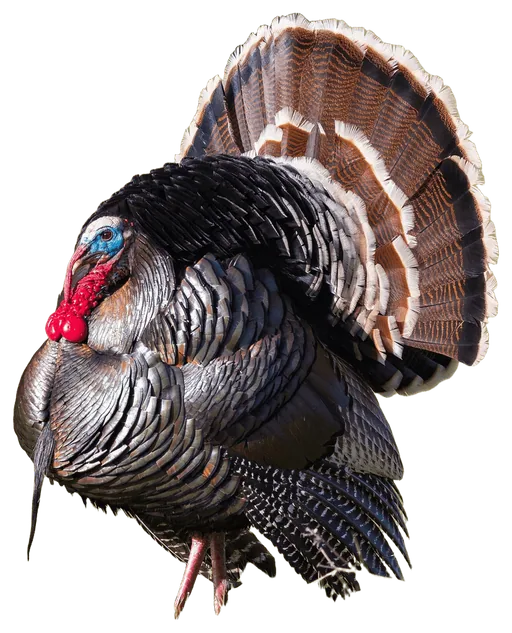
 L vs Wild TurkeyLoses · 65% · Slight edge
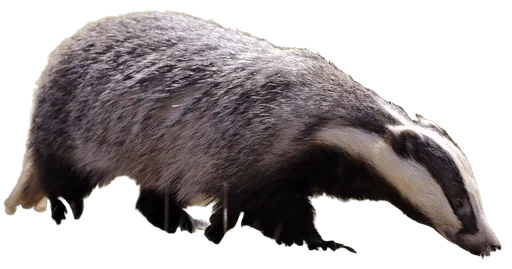
 L vs BadgerLoses · 68% · Slight edge
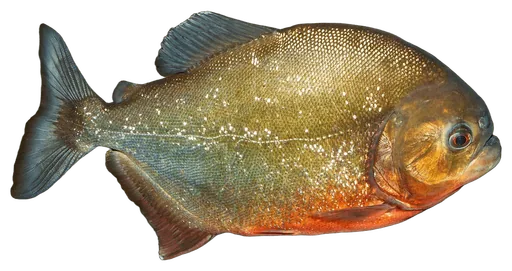
 L vs PiranhaLoses · 58% · Slight edge
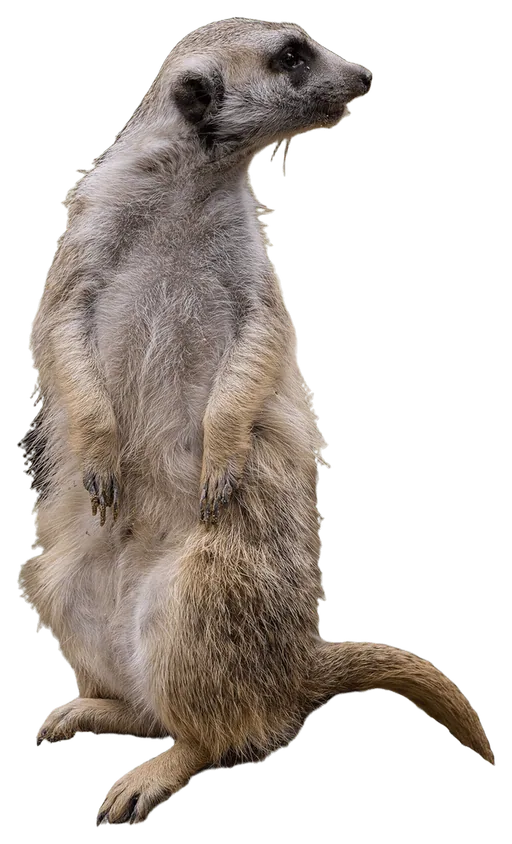
 L vs MeerkatLoses · 53% · Toss-up
 L
Lionfish battle analysis
The lionfish wins by making speed less important. It advances with deliberate fin control, keeps its body oriented toward prey, spreads broad pectoral fins to restrict escape, and maintains pursuit even when its target can outswim it. When the distance collapses, a rapid suction strike converts patient positioning into a surprisingly high capture rate.
Its defensive system is even more distinctive. Eighteen venom-bearing spines occupy dorsal, pelvic and anal fins, and experimental biomechanics show that different spine regions are built differently. The long dorsal array contributes conspicuous deterrence and readily punctures some tissues, while shorter pelvic and anal spines are mechanically stiffer. An opponent that tries to engulf the fish can therefore encounter multiple puncture angles at once.
That does not make a half-kilogram lionfish a physical peer of large predators. Its raw force and trauma tolerance remain low on an absolute roster. The correct ABS treatment is consequently asymmetric: modest Attack and Toughness, moderate control and tactics, and a very high Special score for a genuine matchup-changing venom defense.
Habitat & range
Native red lionfish occur in tropical Indo-Pacific marine habitats. Through aquarium-associated introduction they became established across the western Atlantic, Caribbean and Gulf region. NOAA documents invasive P. volitans from Florida north along the U.S. Atlantic coast and throughout the Caribbean. They use reefs, hard-bottom habitats and also mangrove systems, with research showing opportunistic habitat use and relatively limited movement among some local habitats.
Diet & hunting
Adults are opportunistic generalist carnivores consuming reef fishes and crustaceans. Large diet datasets show location-specific prey composition and an ontogenetic shift from shrimp toward fishes. Their invasive ecological impact is substantial because they consume native reef organisms, reproduce rapidly and are protected by venomous spines.
Social life
Lionfish are often treated as relatively solitary reef predators, though aggregations and reproductive interactions occur. Individual combat scoring must not multiply power based on local densities.
Conservation
The red lionfish is native in the Indo-Pacific but a major invasive predator in the western Atlantic. Management commonly emphasizes repeated removals because high reproductive output and broad diet make eradication difficult once established.
Quick answers
How strong is a Lionfish?
On the Animal Battle Stats scale, the Lionfish has an attack rating of 25 and a power index of 45.3 out of 100, which ranks it #230 of 344 animals and puts it in C tier (Capable). Its strongest stat is special (87).
How much does a Lionfish weigh?
A typical adult Lionfish weighs about 500 g (17.6 oz). Rated specimen: healthy fully mature male, approximately 0.5 kg and 38.0 cm total length.
How fast is a Lionfish?
There is no reliable measured top speed for the Lionfish, so we do not publish one. Its agility rating, which covers acceleration, reflexes and evasion, is 52 out of 100.
What does a Lionfish eat?
Adults are opportunistic generalist carnivores consuming reef fishes and crustaceans. Large diet datasets show location-specific prey composition and an ontogenetic shift from shrimp toward fishes. Their invasive ecological impact is substantial because they consume native reef organisms, reproduce rapidly and are protected by venomous spines.
What animals can beat a Lionfish?
Among its closest rivals, the Box Jellyfish (57%), the Wels Catfish (72%), the Cockatoo (53%), the Wild Turkey (65%), the Badger (68%), the Piranha (58%), the Meerkat (53%) would be favored against the Lionfish. It would be favored against the Blue-Ringed Octopus.
Researched 2026-09-27. Ratings are editorial judgments built from these sources; measurements describe a healthy adult male.
- NOAA repository, Flower Garden Banks life history studysize, mass, sex, age/growth
- NOAA NCCOS, Atlantic lionfish managementlongevity, maximum length, reproduction, invasion, ecological effect
- Galloway & Porter 2019, Journal of Experimental Biologyspine count, anatomy, mechanics
- Galloway et al. 2021, Integrative Organismal Biologypuncture performance
- McCormick et al. 2022, Proceedings Bpursuit, strike behavior, locomotor context
- Fogg 2017, University of Southern Mississippi thesisdimorphism, reproduction
- NOAA repository, feeding ecologydiet
- USGS, habitat-use studyhabitat/ecology
- Porter et al. / PubMed dermal modificationscranial/caudal spines, ontogeny
- Wikimedia Commons, Lionfish.JPGimage provenance
Photo: “Common lion fish Pterois volitans.jpg” by Michael Gäbler, CC BY 3.0, background removed and cropped. Original
Suggest a correction