

Leopard Gecko
Eublepharis macularius
 #332 of 344
  Desert Stealth Least Concern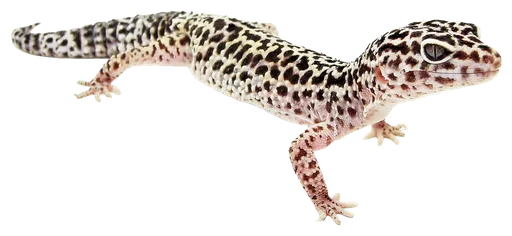
 Fight
FightPhoto: Matt Reinbold from USA · CC BY-SA 2.0
The leopard gecko is a small, spotted ground gecko from the rocky dry grasslands of South and Central Asia. A 50 g adult male hunts insects at night and fights rival males with fast bites, but it is far too small to hurt most animals. Its real trick is its fat-filled tail: it can drop it as a thrashing decoy that keeps moving for up to 30 minutes, then grow a new one.
 Attack7
  Defense7
  Agility52
  Stamina42
  Intelligence40
  Special72
 Detailed ratings
Research-backed ratings on one 0–100 scale for all 344 animals (updated 2026-09-28). How ratings work
Special abilities
Ability 1Decoy Tail DropThe tail breaks off at built-in fracture planes with little blood loss, and the dropped tail keeps swinging and even flipping up to 3 cm into the air for up to 30 minutes. A predator that grabs or watches the tail gives the gecko time to escape, and the tail then regrows.
 Ability 2Twilight Ambush
It hunts at dusk and night, stalking slowly with a twitching tail before lunging at prey, while staying hidden from daytime predators.
Unique traits
 TraitFat-Storing Tail
The thick tail holds a fat reserve, about a quarter of body mass in one study, that carries the gecko through lean periods and winter.
TraitGecko With EyelidsUnlike most geckos it has movable eyelids and clawed toes instead of sticky pads, the features that give the eyelid geckos their name.
How it fights
Weapons
- The only weapon is a small bite. It eats mainly insects and other invertebrates, and will take small vertebrates such as newborn mice, small lizards and even hatchling leopard geckos. Male-male fights involve rapid dashes and bites that can tear skin and sometimes badly injure a rival. None of this matters much against larger animals.
 Struggles vs
- Tiny absolute size; almost any predator can kill it.
- No toe pads for escaping up walls.
- Losing the tail costs much of its stored energy.
- Slows down in cold weather.
- Weight
- 50 g1.8 oz
- Height
- No reliable measurement
- Length
- 22 cm8.7 in
- Top speed
- No reliable measurement
- Bite force
- No reliable measurement
- Lifespan
- No reliable measurement
- Home biome
- Desert
- Lifestyle
- Mostly solitary, nocturnal
Rated specimen: Healthy mature adult male, 0.05 kg (50 g) and 22.0 cm total length, representing a well-grown wild adult.
Fun facts
- A dropped leopard gecko tail can keep moving for up to 30 minutes, with flips up to 3 cm high.
- Its tail can hold about a quarter of its body mass as stored fat.
- It replaces each of its roughly 100 teeth every three to four months.
- Light can shine straight through its head from one ear opening to the other.
- The temperature of the egg decides whether a leopard gecko hatches male or female.
- Males tell males from females by the chemicals in their skin.
Closest rivals by power. Tap one for the full breakdown, or pick any opponent.
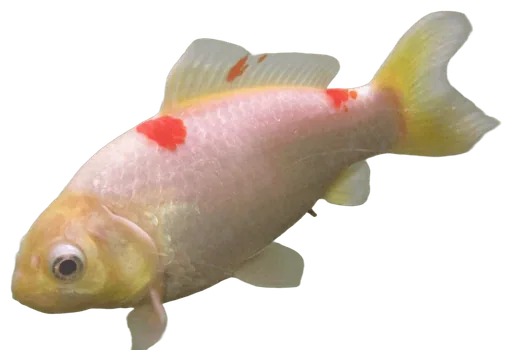
vs Russian TortoiseLoses · 50% · Toss-up 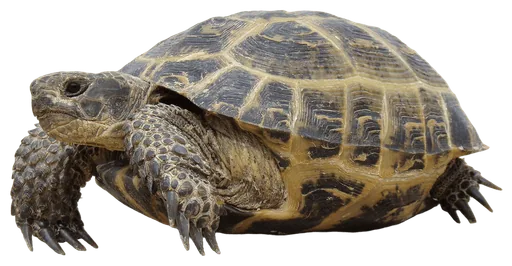 L vs GoldfishWins · 50% · Toss-up
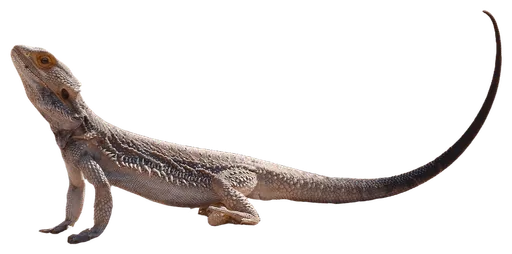
  W vs Bearded DragonLoses · 53% · Toss-up
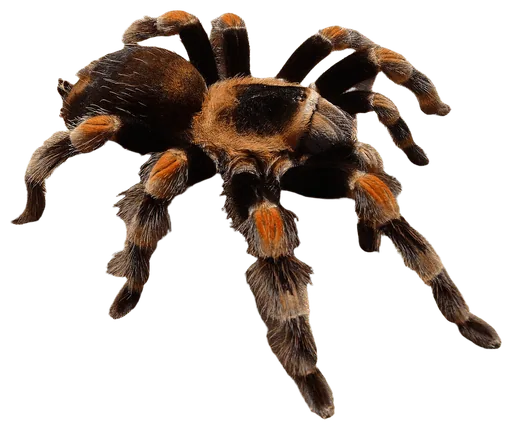
  L vs Mexican Red-knee TarantulaLoses · 51% · Toss-up
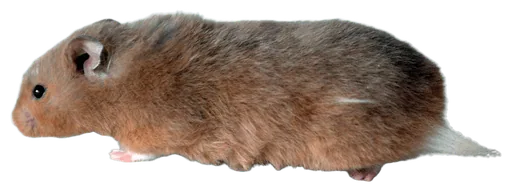
  L vs Syrian HamsterWins · 51% · Toss-up
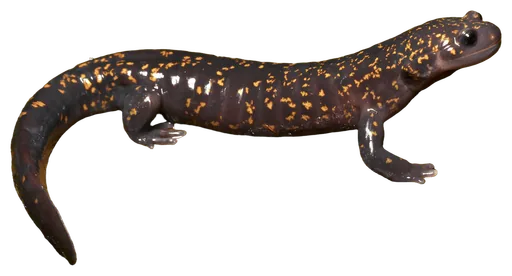
  W vs SalamanderLoses · 52% · Toss-up
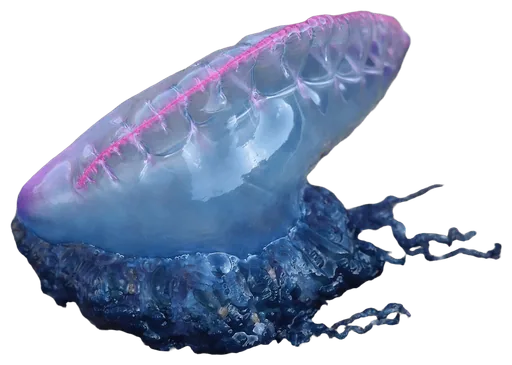
  L vs Portuguese Man o' WarLoses · 52% · Toss-up
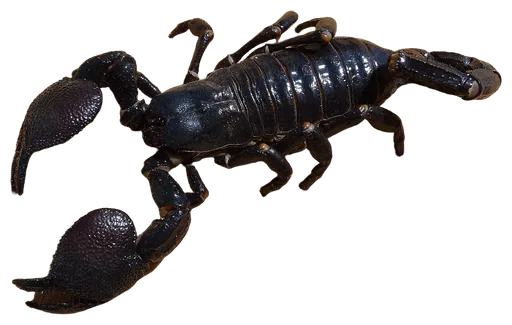
  L vs Emperor ScorpionWins · 52% · Toss-up
  W
W  Pick any opponent
 Leopard Gecko battle analysis
At dusk on a rocky hillside in Pakistan, a leopard gecko slips out of a crevice where it spent the hot day. It moves slowly across the still-warm stones, then spots a cricket. Its thick tail begins to twitch, it creeps closer, and it lunges. This is the whole of its hunting life: small prey, taken at night, close to shelter.
The gecko is built for hiding and escaping rather than fighting. It has no armor, and unlike most geckos it has no sticky toe pads, so it cannot run up a smooth wall to safety. What it has is its tail. The tail stores fat for lean times, and when a predator grabs it, the gecko can shed it. The dropped tail thrashes, swings and even flips into the air for up to half an hour, a distraction that lets the gecko get away. A new tail grows back, shorter and smoother, but losing the old one costs much of its stored energy.
In ABS terms the leopard gecko sits near the floor for Attack and Defense, with moderate Agility and Stamina. Males do fight hard with one another, and they recognise rivals by skin chemicals, but those fights are gecko-scale. Its Special score is high because the decoy tail, backed by regrowth and fat storage, is a genuinely unusual survival mechanism.
Habitat & range
The leopard gecko lives in rocky, dry grassland and semi-desert with sparse vegetation and clay or gravel soils in Afghanistan, Pakistan, northwest India, western Nepal and possibly eastern Iran, where records are disputed. It reportedly avoids pure sand and shelters in crevices, burrows and under loose bark in dry forests. It was first recorded in Nepal only in 2016. Winter temperatures below about 10 °C drive it underground to live on its fat reserves.
Diet & hunting
It is an opportunistic predator of insects and other invertebrates, and takes small vertebrates when it can, including newborn mice, small lizards and hatchling geckos. It forages at dusk and night, when rocks still hold the day's warmth.
Social life
Wild animals are described as living in loose colonies. Males are aggressive toward other males and court females, recognising sex by skin chemicals.
Conservation
The species is listed as Least Concern on the IUCN Red List. Most pet leopard geckos are captive-bred, so collection pressure on wild populations is lower than for many traded reptiles.
Quick answers
How strong is a Leopard Gecko?
On the Animal Battle Stats scale, the Leopard Gecko has an attack rating of 7 and a power index of 27.9 out of 100, which ranks it #332 of 344 animals and puts it in F tier (Snack). Its strongest stat is special (72).
How much does a Leopard Gecko weigh?
A typical adult Leopard Gecko weighs about 50 g (1.8 oz). Rated specimen: healthy mature adult male, 0.05 kg (50 g) and 22.0 cm total length, representing a well-grown wild adult.
How fast is a Leopard Gecko?
There is no reliable measured top speed for the Leopard Gecko, so we do not publish one. Its agility rating, which covers acceleration, reflexes and evasion, is 52 out of 100.
What does a Leopard Gecko eat?
It is an opportunistic predator of insects and other invertebrates, and takes small vertebrates when it can, including newborn mice, small lizards and hatchling geckos. It forages at dusk and night, when rocks still hold the day's warmth.
Is the Leopard Gecko endangered?
No. The Leopard Gecko is listed as Least Concern. The species is listed as Least Concern on the IUCN Red List. Most pet leopard geckos are captive-bred, so collection pressure on wild populations is lower than for many traded reptiles.
What animals can beat a Leopard Gecko?
Among its closest rivals, the Russian Tortoise (50%), the Bearded Dragon (53%), the Mexican Red-knee Tarantula (51%), the Salamander (52%), the Portuguese Man o' War (52%) would be favored against the Leopard Gecko. It would be favored against the Goldfish, the Syrian Hamster, the Emperor Scorpion.
Researched 2026-09-28. Ratings are editorial judgments built from these sources; measurements describe a healthy adult male.
- Jagnandan and Higham, Scientific Reports (2017)mass, SVL, tail mass, locomotion
- Higham and Russell, Biology Letters (2010)tail autotomy
- Animal Diversity Web, Eublepharis maculariuslength, habitat, toes, clutches, lifespan
- Wikipedia, Common leopard geckorange, sizes, teeth, behaviour, male combat, IUCN
- AnAge, Eublepharis maculariusmass, longevity
- Mason and Gutzke, Journal of Chemical Ecology (1990)chemical sex recognition
- Viets et al., Journal of Experimental Zoology (1993)sex determination
- Valdez, Animals (2021)pet popularity
- The Reptile Database, Eublepharis maculariustaxonomy, range
Photo: “Eublepharis macularius (3828139509).jpg” by Matt Reinbold from USA, CC BY-SA 2.0, background removed and cropped. Original
Suggest a correction