

Kodiak Bear
Ursus arctos middendorffi
 #20 of 273
  Forest Bruiser Least Concern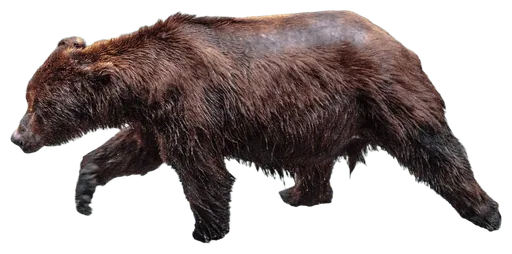
 Fight
FightPhoto: Murray Foubister · CC BY-SA 2.0
The Kodiak bear is a giant island brown bear from Alaska's Kodiak Archipelago, with big males weighing close to half a tonne. It wins through sheer mass, a powerful shoulder-driven swipe, long claws and a heavy bite, backed by thick fat and fur. Its weaknesses are slow turning, the lack of armor and weapons built as much for fishing and digging as for killing.
 Attack77
  Defense71
  Agility55
  Stamina72
  Intelligence74
  Special61
 Detailed ratings
Research-backed ratings on one 0–100 scale for all 273 animals (updated 2026-09-28). How ratings work
Special abilities
Ability 1Hump-Powered SwipeThe large shoulder hump of digging muscle drives short, powerful forelimb strikes and pins, so a Kodiak can knock an opponent down or hold it before biting.
 Ability 2Salmon-Stream Diplomacy
A detailed language of postures, threat displays and displacement lets many large bears share one stream with few serious fights, and lets a Kodiak judge a rival before committing.
Unique traits
 TraitIsland Colossus
The Kodiak Archipelago's brown bears are among the largest bears in the world, with big males reaching about 680 kg before denning.
TraitIsolated Island PopulationAround 3,500 Kodiak bears live only on the Kodiak Archipelago, genetically isolated from mainland brown bears and with very little genetic diversity.
How it fights
Weapons
- The Kodiak bear fights with mass, forelimb strikes, long digging claws and a heavy bite. A male of nearly half a tonne can knock down, pin and bite an opponent, and the shoulder hump gives the forelimbs great power in short strikes and pulls. It is not a specialised killer like a big cat: its weapons are built as much for digging, fishing and tearing open carcasses as for subduing prey. Its offense comes from overwhelming size rather than a refined killing technique.
 Struggles vs
- Low maneuverability and slow turns relative to cats and canids.
- No armor over the face, neck and eyes.
- Weapons built as much for digging and fishing as for killing.
- High energy cost of bursts at nearly half a tonne.
- Weight
- 480 kg1,058 lb
- Height
- 1.4 m4.6 ft
- Length
- 2.5 m8.2 ft
- Top speed
- 56 km/h35 mph
- Bite force
- No reliable measurement
- Lifespan
- 20 years
- Home biome
- Forest
- Lifestyle
- Mostly solitary
Rated specimen: Healthy mature adult male, 480.0 kg, in average active-season condition, about 140.0 cm shoulder height on all fours.
Fun facts
- A large male can stand over 3 m (10 ft) tall on its hind legs.
- Big males can weigh about 680 kg (1,500 lb) before denning.
- The oldest known wild Kodiak female lived to 34; the oldest male to 27.
- Females are about 20% smaller and 30% lighter than males.
- Kodiak bears kept eating salmon even when red elderberries ripened at the same time, according to a 2023 diet study.
- The whole population, around 3,500 bears, lives on one island group.
Closest rivals by power. Tap one for the full breakdown, or pick any opponent.
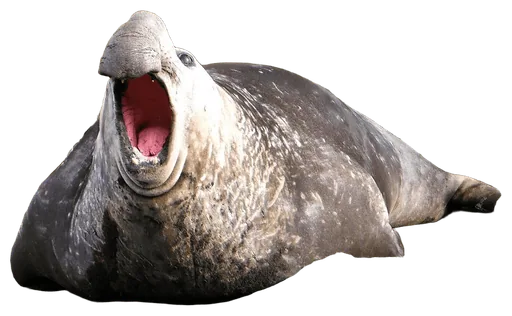
vs Black RhinocerosWins · 50% · Toss-up 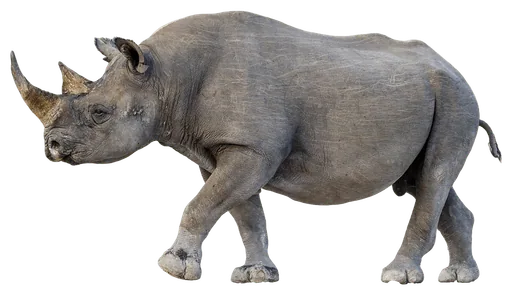 W vs Elephant SealWins · 52% · Toss-up
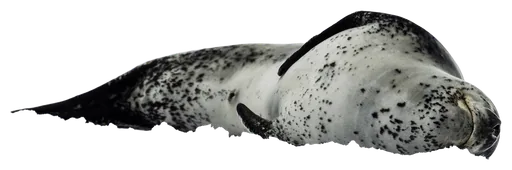
  W vs Leopard SealWins · 53% · Toss-up
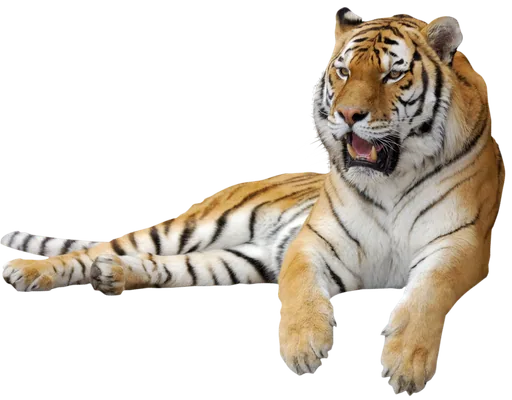
  W vs Siberian TigerLoses · 54% · Toss-up
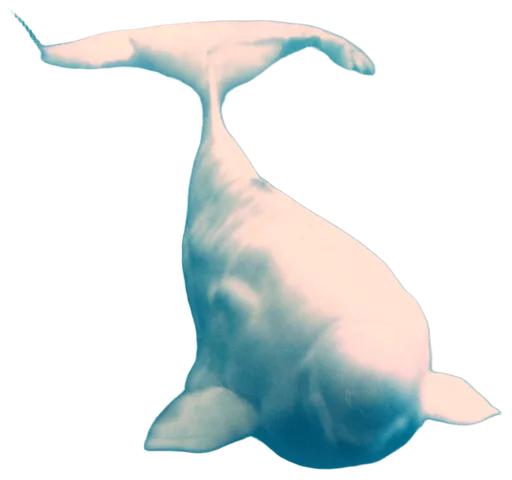
  L vs Beluga WhaleLoses · 51% · Toss-up
  L vs Black CaimanWins · 51% · Toss-up
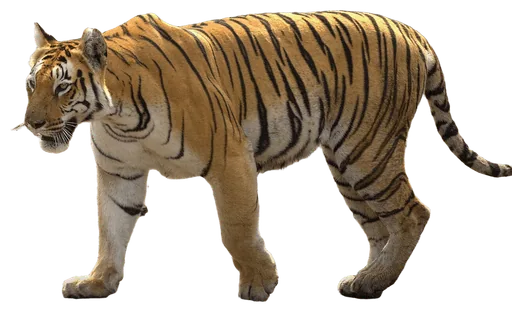
  W vs Bengal TigerLoses · 54% · Toss-up
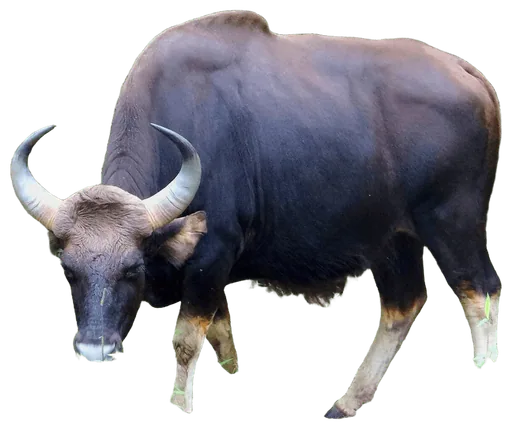
  L vs GaurWins · 54% · Toss-up
  W
W  Pick any opponent
 Kodiak Bear battle analysis
The Kodiak bear is what a brown bear becomes when food is abundant and there is no competition from other large carnivores. On the islands of the Kodiak Archipelago, rich salmon runs and berry crops support bears that routinely reach sizes the interior grizzly never approaches. A representative adult male of around 480 kg is more than twice the roster's grizzly, and in autumn a big male can carry nearly 700 kg into the den.
That size is the core of its fighting ability. A forelimb strike powered by the shoulder hump can knock down a large animal, and once on top the bear's weight and bite do the rest. Thick fat and fur and a very deep body make it hard for smaller predators to reach anything vital. But the Kodiak is a generalist rather than a killer by design. Its claws are for digging, its day is spent grazing, fishing and eating berries, and it avoids fights it does not need. Against fast, agile opponents that refuse to close, its heavy frame becomes a handicap.
Kodiak bears are also socially skilled. At salmon streams dozens of bears can feed close together, reading one another's postures to avoid costly fights. In a matchup that translates into good judgement: a Kodiak tends to test an opponent before committing, then uses its mass decisively. Against almost any land predator it holds the size advantage; only megafauna, big crocodilians in water and the polar bear meet it on equal or better terms.
Habitat & range
Kodiak bears live only on the islands of the Kodiak Archipelago in southwestern Alaska. They use almost every habitat on the islands: low-elevation salt marshes in spring, salmon streams and berry patches in summer, and alpine slopes, where they dig dens, in winter.
Diet & hunting
Omnivores that follow seasonal food. Sedges and other plants in spring, several salmon species during summer and autumn runs, and berries such as salmonberry, red elderberry, blueberry and devil's club fruit. Carrion, deer and occasional larger mammals add protein. Bears move salmon nutrients from streams into the surrounding forest.
Social life
Mostly solitary but tolerant at rich food sources, where many bears gather and a dominance order forms. Males roam widely in the breeding season. Females with cubs keep away from adult males.
Conservation
The brown bear species (Ursus arctos) is assessed as Least Concern globally; the Kodiak subspecies is not separately listed. The Kodiak population, about 3,500 bears (3,526 estimated in 2005), is healthy and closely managed by ADF&G and the Kodiak National Wildlife Refuge. Its low genetic diversity may make it more vulnerable to new diseases or parasites.
Quick answers
How strong is a Kodiak Bear?
On the Animal Battle Stats scale, the Kodiak Bear has an attack rating of 77 and a power index of 69.5 out of 100, which ranks it #20 of 273 animals and puts it in A tier (Elite). Its strongest stat is attack (77).
How much does a Kodiak Bear weigh?
A typical adult Kodiak Bear weighs about 480 kg (1,058 lb). Rated specimen: healthy mature adult male, 480.0 kg, in average active-season condition, about 140.0 cm shoulder height on all fours.
How fast is a Kodiak Bear?
The Kodiak Bear's top speed is about 56 km/h (35 mph). Its agility rating is 55 out of 100.
What does a Kodiak Bear eat?
Omnivores that follow seasonal food. Sedges and other plants in spring, several salmon species during summer and autumn runs, and berries such as salmonberry, red elderberry, blueberry and devil's club fruit. Carrion, deer and occasional larger mammals add protein. Bears move salmon nutrients from streams into the surrounding forest.
Is the Kodiak Bear endangered?
No. The Kodiak Bear is listed as Least Concern. The brown bear species (Ursus arctos) is assessed as Least Concern globally; the Kodiak subspecies is not separately listed. The Kodiak population, about 3,500 bears (3,526 estimated in 2005), is healthy and closely managed by ADF&G and the Kodiak National Wildlife Refuge. Its low genetic diversity may make it more vulnerable to new diseases or parasites.
What animals can beat a Kodiak Bear?
Among its closest rivals, the Siberian Tiger (54%), the Beluga Whale (51%), the Bengal Tiger (54%) would be favored against the Kodiak Bear. It would be favored against the Black Rhinoceros, the Elephant Seal, the Leopard Seal, the Black Caiman, the Gaur.
Researched 2026-09-28. Ratings are editorial judgments built from these sources; measurements describe a healthy adult male.
- ADF&G, Kodiak Brown Bear Fact Sheetmass, height, dimorphism, lifespan, population
- U.S. Fish & Wildlife Service, Kodiak brown beartaxonomy
- ADF&G, Brown Bear Species Profilespeed, claws
- ADF&G, Kodiak Bear Conservation and Management Plan, habitat chapterhabitat use, seasonal diet
- USGS, genetic characterization of Kodiak brown bearsisolation, genetic diversity
- Phenological overlap and salmon consumption by Kodiak bears (Global Ecology and Conservation, 2023)diet
- Allen et al. 2022, Cannibalism in bearsinfanticide, intraspecific killing
- Christiansen 2007, Journal of Zoology, bite mechanics in bearsbite method
- Wikipedia, Kodiak bearannual mass averages, 2005 population estimate
- Britannica, Kodiak beargeneral identity and size context
- Kodiak Brown Bear Trust, Kodiak and its bearsecology context
Photo: “Alaska Brown Bear (Ursus arctos middendorffi) in Fish Creek near Hyder Alaska - (21546342962).jpg” by Murray Foubister, CC BY-SA 2.0, background removed and cropped. Original
Suggest a correction