
Koala
Phascolarctos cinereusD tier · Underdog156th of 163 mammals
Size & speed

- Weight
- 12 kg26 lb
- Length
- 78 cm30.7 in
- Top speed
- 30 km/h19 mph
As heavy as 2.7 house cats
Heavier than 48% of animalsAbout 2.6 rulers long
Bigger than 38% of animalsFaster than most people can sprint
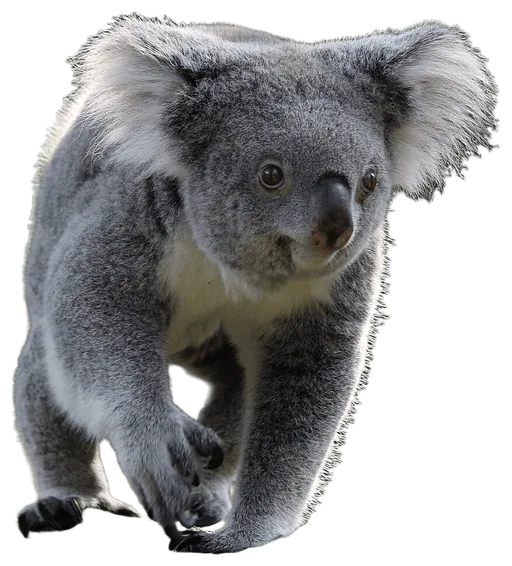
Faster than 33% of animalsA stocky Australian tree-dwelling marsupial specialized for Eucalyptus life, the koala combines a powerful double-thumb grip, sharp climbing claws and surprising short-burst ground speed with a very low-energy lifestyle. Mature southern males are the largest fighters, but the species remains a modest absolute combatant whose best defense is vertical terrain rather than raw damage or armor.
Detailed ratings
Research-backed ratings on one 0–100 scale for all 344 animals (updated 2026-09-27). How ratings work


Card No. 299 of 344. Every animal on Animal Battle Stats has one: its power, tier and archetype on the front; its six battle stats, abilities and signature move on the back.
Special abilities
Specialized gastrointestinal physiology and microbiome permit exploitation of chemically defended, fibrous Eucalyptus foliage. This is primarily a survival specialization rather than an offensive buff, so its value is concentrated in Special rather than Attack or Stamina.
Adult males use a specialized vocal structure to produce exceptionally low-pitched bellows, with published inhaled fundamental frequencies averaging 27.1 Hz. It supports size advertisement and spacing among rivals rather than physically stunning opponents.
Unique traits
Two opposed foredigits, rough pads and sharp claws create an unusually secure arboreal grip and improve trunk/branch control.
Body size changes dramatically across the range; Victorian males average about 12 kg versus about 6.5 kg in Queensland, making locality unusually important to combat-scale representation.
How it fights
Weapons
- The koala's most practical weapons are its sharp claws and powerful gripping forelimbs, followed by a defensive bite. A mature male is substantially heavier than northern or female animals and can use that mass in close grappling. The claws are optimized for bark penetration and grip rather than slicing prey, but they can scratch an attacker severely. The bite is real and relevant at contact distance, although no credible PSI value exists.
Struggles vs
- No dedicated high-lethality weapon.
- Low sustained energy budget.
- Ground vulnerability.
- No armor and modest body mass on the roster-wide scale.
- Highly specialized diet and habitat dependence.
- Weight
- 12 kg26 lb
- Height
- No reliable measurement
- Length
- 78 cm30.7 in
- Top speed
- 30 km/h19 mph
- Bite force
- No reliable measurement
- Lifespan
- 15 years
- Home biome
- Forest
- Lifestyle
- Social
Rated specimen: Healthy fully mature southern adult male, represented at 12.0 kg and 78.0 cm head-body length.
Fun facts
- A southern adult male can be nearly twice the mass of a Queensland male population average.
- Male bellows can average only about 27 Hz in fundamental frequency, far lower than expected for an animal of their body size.
- Koala forepaws have two opposed digits, not the single opposed thumb arrangement familiar in humans.
- They can gallop at up to about 30 km/h when disturbed despite spending most of their lives in trees.
- Their gut microbiome is measurably tied to which Eucalyptus species individuals can use effectively.
- Koalas have only a very small external tail.
Closest rivals by power. Tap one for the full breakdown, or pick any opponent.
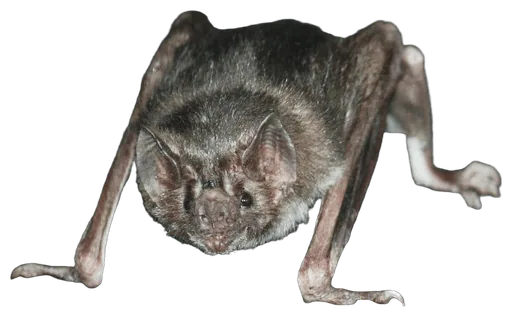
vs AlpacaLoses · 60% · Slight edge 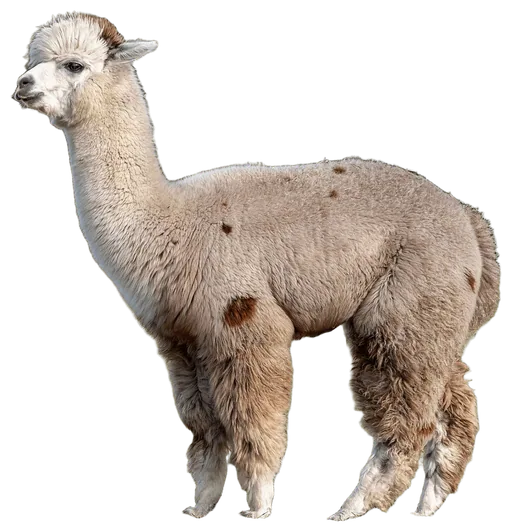 L vs Vampire BatWins · 80% · Clear edge
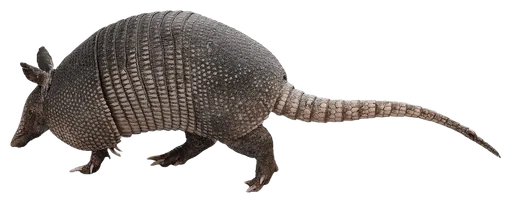
 W vs ArmadilloWins · 55% · Toss-up
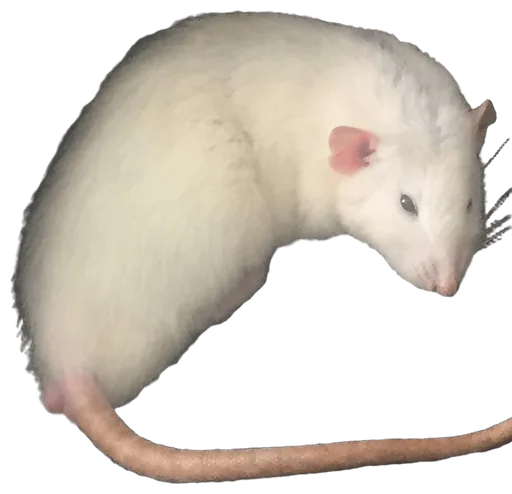
 W vs Fancy RatWins · 67% · Slight edge
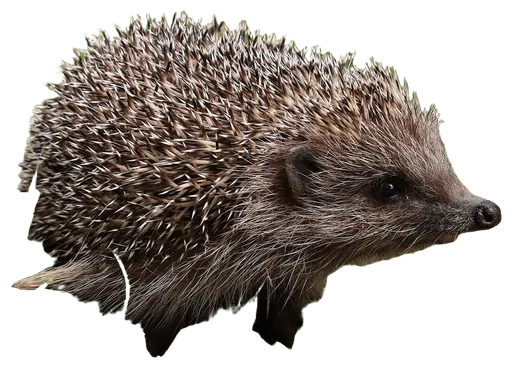
 W vs HedgehogWins · 63% · Slight edge
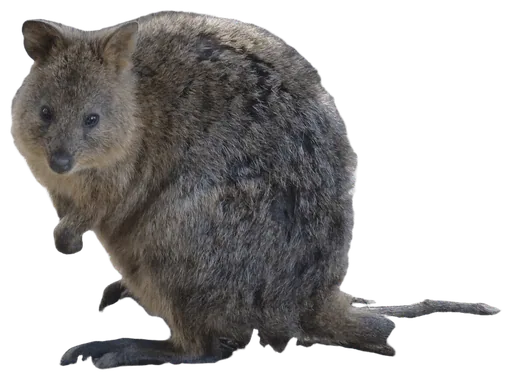
 W vs QuokkaWins · 56% · Toss-up
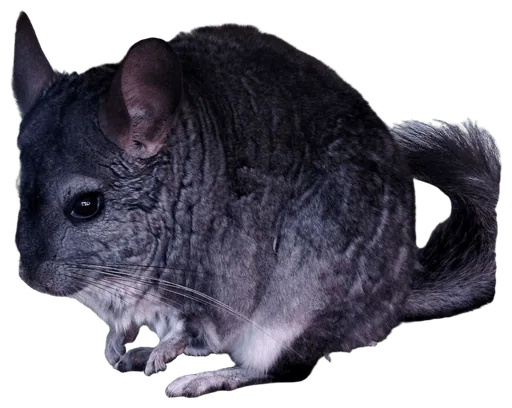
 W vs ChinchillaWins · 69% · Slight edge
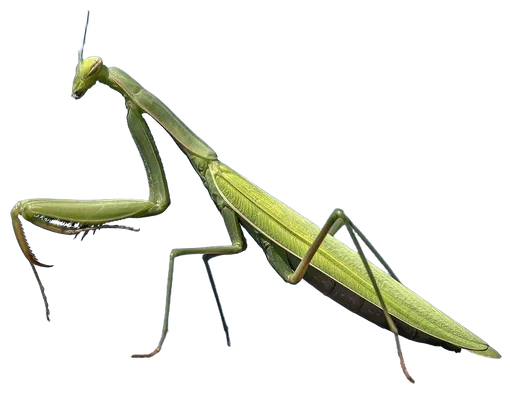
 W vs Praying MantisWins · 85% · Decisive
 W
Koala battle analysis
The koala is often misread as simply slow. Its biology is better understood as extreme specialization. A mature southern male is a muscular 12 kg arboreal grappler with sharp claws, opposed foredigits and enough short-burst speed to bound at roughly 30 km/h when forced onto the ground. In a tree, the same anatomy provides secure purchase and rapid vertical escape. In a close encounter it can bite and scratch, and breeding males do compete for space and access to females.
That does not make the koala a high-tier fighter. Its teeth are primarily a browsing system, its claws are built for climbing, and it lacks armor, venom, horns or a large-carnivore killing bite. More importantly, its entire energy economy is constrained by a fibrous, chemically defended diet. The koala succeeds by extracting value from food that excludes many competitors and by conserving energy for most of the day, not by sustaining prolonged high-output activity.
Its most extraordinary features therefore belong in Special rather than Attack. The gastrointestinal system and microbiome help process Eucalyptus secondary compounds, while males possess a specialized vocal apparatus capable of producing remarkably low bellows used in reproductive competition. These features make the koala biologically unusual without pretending that unusual biology equals heavyweight combat power.
Habitat & range
Koalas occupy eucalypt-dominated forests and woodlands across eastern and southern mainland Australia, from Queensland through NSW/ACT and Victoria into South Australia. Distribution is patchy because suitable food trees and connected habitat are not continuous.
Diet & hunting
Koalas are specialist folivores feeding overwhelmingly on selected eucalypt foliage, with some flowers and stems. More than 400 tree species may be used for food/habitat across the range, but local individuals are selective. Their gut microbial community includes pathways associated with lignocellulose degradation, urea recycling and metabolism of Eucalyptus secondary compounds. Diet specialization reduces food competition but imposes a low-energy lifestyle.
Social life
They are predominantly solitary. Home ranges overlap and communication uses scent and vocal signals. During breeding, adult males bellow, mark trees and compete for space/access to females. Playback work shows adult males actively approaching some rival male calls.
Conservation
The combined Queensland, NSW and ACT populations have been listed Endangered under Australia's EPBC Act since 12 February 2022. Major threats include habitat loss/fragmentation, drought and heat, bushfire, climate change, disease including chlamydia and koala retrovirus, dog attacks and vehicle strikes. Victoria and South Australia are outside that federal listed population.
Quick answers
How strong is a Koala?
On the Animal Battle Stats scale, the Koala has an attack rating of 28 and a power index of 36.3 out of 100, which ranks it #299 of 344 animals and puts it in D tier (Underdog). Its strongest stat is special (62).
How much does a Koala weigh?
A typical adult Koala weighs about 12 kg (26 lb). Rated specimen: healthy fully mature southern adult male, represented at 12.0 kg and 78.0 cm head-body length.
How fast is a Koala?
The Koala's top speed is about 30 km/h (19 mph). Its agility rating is 54 out of 100.
What does a Koala eat?
Koalas are specialist folivores feeding overwhelmingly on selected eucalypt foliage, with some flowers and stems. More than 400 tree species may be used for food/habitat across the range, but local individuals are selective. Their gut microbial community includes pathways associated with lignocellulose degradation, urea recycling and metabolism of Eucalyptus secondary compounds. Diet specialization reduces food competition but imposes a low-energy lifestyle.
Is the Koala endangered?
The Koala's conservation status is Endangered. The combined Queensland, NSW and ACT populations have been listed Endangered under Australia's EPBC Act since 12 February 2022. Major threats include habitat loss/fragmentation, drought and heat, bushfire, climate change, disease including chlamydia and koala retrovirus, dog attacks and vehicle strikes. Victoria and South Australia are outside that federal listed population.
What animals can beat a Koala?
Among its closest rivals, the Alpaca (60%) would be favored against the Koala. It would be favored against the Vampire Bat, the Armadillo, the Fancy Rat, the Hedgehog, the Quokka, the Chinchilla, the Praying Mantis.
Researched 2026-09-27. Ratings are editorial judgments built from these sources; measurements describe a healthy adult male.
- Australian Museum, Koalataxonomy, size, habitat
- Australian Museum koala fact sheetdimorphism/geography/mass
- Queensland Government, Koala factsadult masses, claws, locomotion, speed
- Animal Diversity Webdimensions, anatomy, reproduction, longevity
- DCCEEW action plan profilemass, diet, habitat, threats
- DCCEEW listing pageconservation
- DCCEEW koala overviewrange/threats
- Sparkes et al. 2025, ground movementterrestrial movement ecology
- Ellis et al. 2024, post-fire movementmovement/home range
- Movement response to male vocalisationsmale competition, social behavior
- Charlton et al. 2013vocal specialization
- Shiffman et al. 2017gut microbiome/detox specialization
- Blyton et al. 2021microbiome/diet selection
- Comparative marsupial cranial FEAskull/bite biomechanics
- San Diego Zoogrip/climbing/diet
- Billabong Zooclaws, diet, lifespan
- Commons, Friendly Male Koalaimage provenance
Photo: “Koala in Zoo Duisburg.jpg” by Till Niermann, CC BY 3.0, background removed and cropped. Original
Suggest a correction