
Kiwi
Apteryx australisD tier · Underdog47th of 55 birds
Size & speed

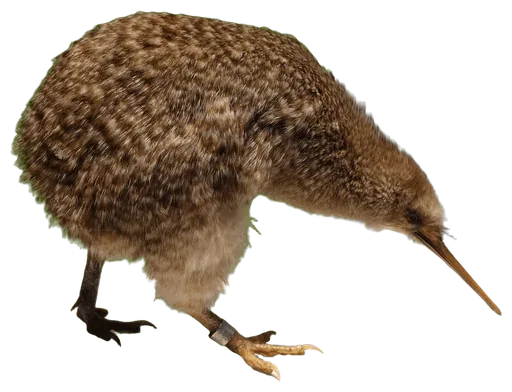
- Weight
- 3.1 kg7 lb
- Length
- 45 cm17.7 in
About as heavy as a house cat
Heavier than 31% of animalsAbout 1.5 rulers long
Bigger than 21% of animalsThe southern brown kiwi is a powerful-legged, flightless New Zealand ground bird whose real superpower is perception: tip-mounted nostrils and a vibration-sensitive bill locate hidden prey in darkness. A larger adult female can fight with sharp claws, but at only about three kilograms the kiwi remains a low-power combatant whose unusual senses matter far more than raw damage.
Detailed ratings
Research-backed ratings on one 0–100 scale for all 344 animals (updated 2026-09-27). How ratings work


Card No. 278 of 344. Every animal on Animal Battle Stats has one: its power, tier and archetype on the front; its six battle stats, abilities and signature move on the back.
Special abilities
Pressure/vibration-sensitive mechanoreceptors in bill-tip pits help detect buried prey without direct visual contact, providing unusual near-ground sensory awareness.
Nostrils positioned near the bill tip and a well-developed olfactory system allow odor-guided probing and localization in darkness and soil litter.
Unique traits
Powerful legs and sharp feet are documented weapons in fights between tokoeka, giving the otherwise lightly armed bird a credible close-range defense.
Tiny flightless wings, no external tail and a ground-focused body plan rule out aerial escape but suit efficient nocturnal terrestrial life in dense New Zealand habitat.
How it fights
Weapons
- The kiwi's meaningful weapons are its muscular legs and strong clawed feet, not its bill. Tokoeka are territorial and New Zealand Birds Online explicitly states that they fight conspecifics with their sharp claws. The long bill can jab at very close range, but its anatomy is specialized for probing and sensory detection and should not be treated like a raptor beak. Absolute offensive output remains low because the canonical animal weighs only about 3.1 kg.
Struggles vs
- Only about 3 kg, producing a severe absolute-force disadvantage against medium and large roster animals.
- Cannot fly away from terrestrial attackers.
- Claws are dangerous at close range but short-reach and attached to legs needed for balance/escape.
- No defensible evidence for a high-force bite.
- Poor visual emphasis compared with many birds and mammalian predators.
- Weight
- 3.1 kg7 lb
- Height
- No reliable measurement
- Length
- 45 cm17.7 in
- Top speed
- No reliable measurement
- Bite force
- No reliable measurement
- Lifespan
- 45 years
- Home biome
- Forest
- Lifestyle
- Social
Rated specimen: Healthy fully mature adult female, represented at 3.1 kg and 45.0 cm body length.
Fun facts
- Kiwi nostrils are near the tip of the bill rather than near its base as in typical birds.
- Their bill contains a specialized mechanosensory organ capable of detecting cues from buried prey.
- Female southern brown kiwi are larger than males and have substantially longer bills.
- Kiwi have only tiny wings hidden in their shaggy plumage and no external tail.
- Stewart Island tokoeka are unusually likely for kiwi to forage during daylight.
- DOC notes kiwi can live roughly 25–50 years.
Closest rivals by power. Tap one for the full breakdown, or pick any opponent.
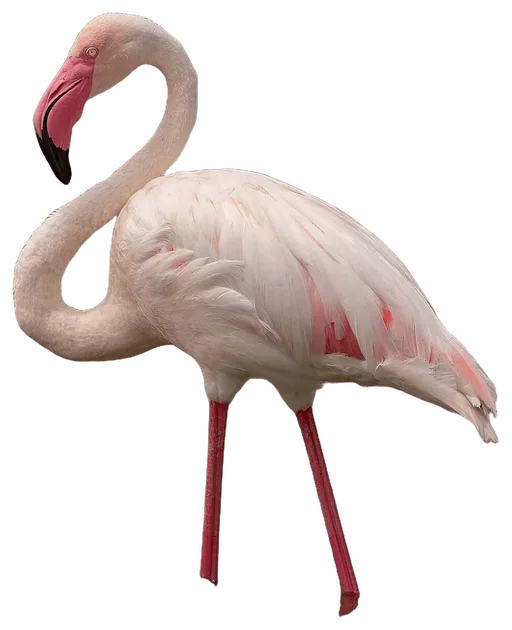
vs Eclectus ParrotWins · 61% · Slight edge 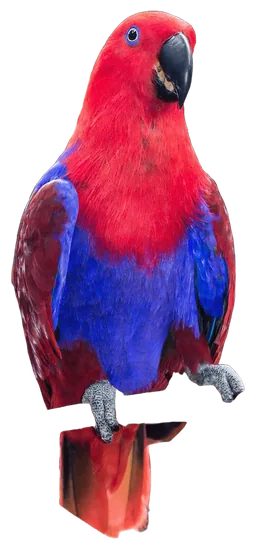 W vs FlamingoLoses · 52% · Toss-up
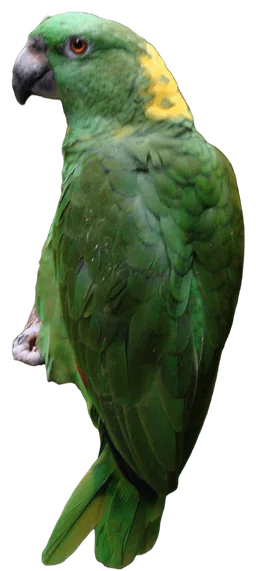
 L vs Yellow-naped AmazonWins · 59% · Slight edge
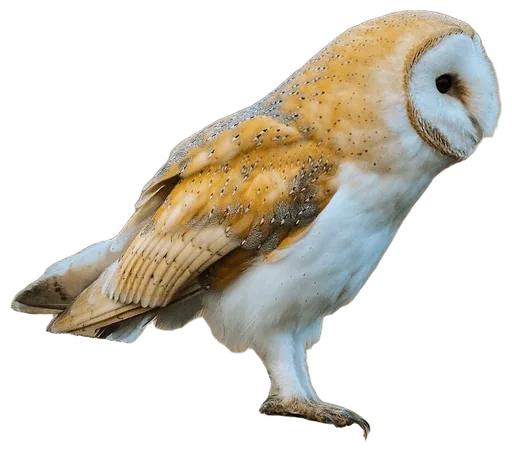
 W vs Barn OwlWins · 64% · Slight edge
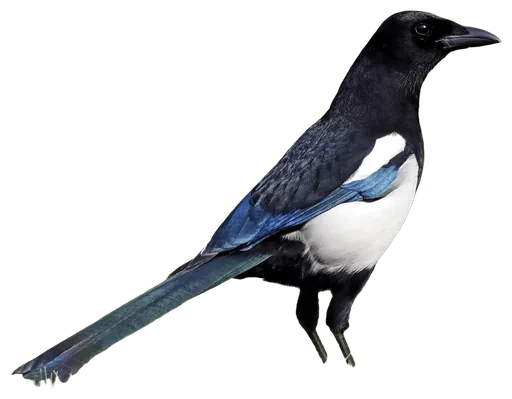
 W vs MagpieWins · 63% · Slight edge
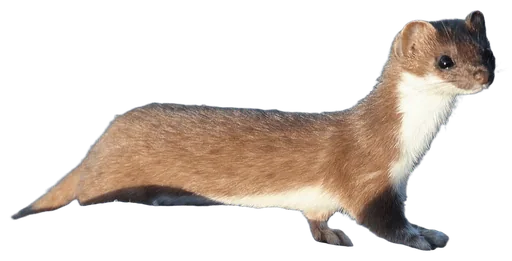
 W vs StoatWins · 64% · Slight edge
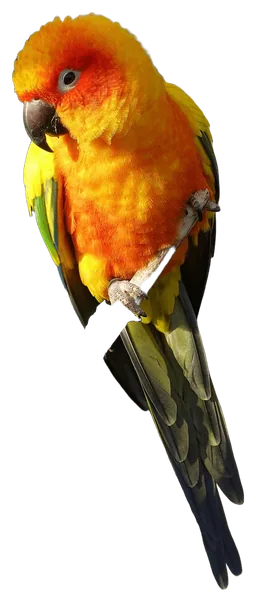
 W vs Sun ConureWins · 70% · Clear edge
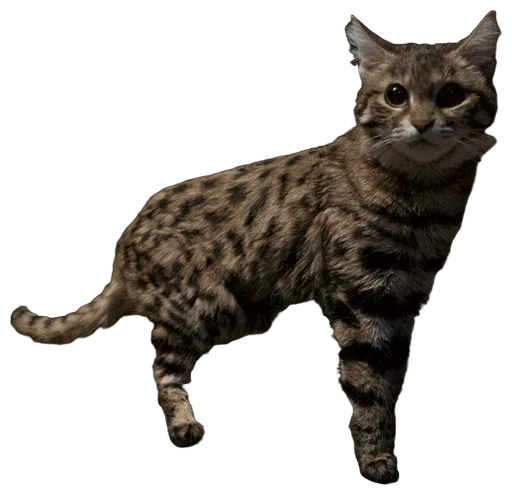
 W vs Black-footed CatWins · 53% · Toss-up
 W
Kiwi battle analysis
A tokoeka is built for a world close to the ground. Its shaggy feathers conceal tiny wings, while a pear-shaped body sits over strong legs and large clawed feet. The long bill looks like a weapon but is more remarkable as a sensory probe. Nostrils sit near its tip, and mechanoreceptors embedded in specialized bill-tip pits help detect buried prey through remote touch. At night the bird can combine smell, vibration, hearing and tactile cues while moving through leaf litter with relatively little dependence on vision. In combat, however, sensory sophistication does not erase scale. A representative female weighs about 3.1 kg. Her best weapons are the feet and claws used in territorial fights, not a crushing jaw or piercing raptor beak. Against a similarly small ground opponent those legs matter. Against a fox-sized predator or anything larger, the kiwi's lack of flight, armor and high-damage weaponry becomes decisive. ABS should therefore keep its physical ratings low-to-moderate while recognizing the extraordinary sensory biology in Special and Senses.
Habitat & range
Southern brown kiwi are endemic to south-western New Zealand. Recognized populations include Stewart Island/Rakiura, Fiordland and the distinctive Haast form. They use forest, scrub, tussock grasslands, coastal areas and subalpine zones, from near sea level into high country.
Diet & hunting
Tokoeka are mainly probing omnivores/invertivores. Important foods include earthworms, beetle larvae, cicada and moth larvae, spiders, weta/crickets and centipedes. They walk slowly, tap and sniff, then drive the bill into soil, litter or rotten wood. The sensory bill lets them exploit buried prey inaccessible to ordinary visually hunting birds.
Social life
Pairs are generally monogamous and territorial, advertising territory and pair contact with calls and duets. Stewart Island tokoeka can forage in daylight more often than most kiwi. A typical clutch is one exceptionally large egg. Incubation lasts roughly 70–80 days and is shared in southern brown kiwi populations, with substantial male contribution. Young emerge and begin feeding independently very early.
Conservation
NZ Birds Online lists southern brown kiwi as endemic and Naturally Uncommon at the species level, with some geographic forms having more threatened national classifications. Introduced mammalian predators remain a central conservation problem. Population status differs among Stewart Island, Fiordland and Haast management units.
Quick answers
How strong is a Kiwi?
On the Animal Battle Stats scale, the Kiwi has an attack rating of 22 and a power index of 40 out of 100, which ranks it #278 of 344 animals and puts it in D tier (Underdog). Its strongest stat is special (78).
How much does a Kiwi weigh?
A typical adult Kiwi weighs about 3.1 kg (7 lb). Rated specimen: healthy fully mature adult female, represented at 3.1 kg and 45.0 cm body length.
How fast is a Kiwi?
There is no reliable measured top speed for the Kiwi, so we do not publish one. Its agility rating, which covers acceleration, reflexes and evasion, is 55 out of 100.
What does a Kiwi eat?
Tokoeka are mainly probing omnivores/invertivores. Important foods include earthworms, beetle larvae, cicada and moth larvae, spiders, weta/crickets and centipedes. They walk slowly, tap and sniff, then drive the bill into soil, litter or rotten wood. The sensory bill lets them exploit buried prey inaccessible to ordinary visually hunting birds.
What animals can beat a Kiwi?
Among its closest rivals, the Flamingo (52%) would be favored against the Kiwi. It would be favored against the Eclectus Parrot, the Yellow-naped Amazon, the Barn Owl, the Magpie, the Stoat, the Sun Conure, the Black-footed Cat.
Researched 2026-09-27. Ratings are editorial judgments built from these sources; measurements describe a healthy adult female.
- taxonomy, distribution, mass, length, behavior, fighting, life history, longevityA. australis; 45 cm; male 2.4 kg, female 3.1 kg; territorial fights with sharp claws; population-specific longevity and breeding data
- dimorphism, weight ranges, bill lengths, dietfemales 2090–4010 g vs males 1720–3060 g; female bill 111–157 mm; buried-invertebrate diet
- general longevity, development, cultural importancekiwi generally live 25–50 years; chicks hatch feathered and feed independently early
- bill-tip mechanoreceptionkiwi possess bill-tip pits/mechanoreceptors analogous to remote-touch systems of probing shorebirds
- functional remote touch, sensory use, sex probing differencebrown kiwi combine remote touch and olfaction; females probe ~30% deeper
- olfactory specializationA. australis included among nocturnal birds with developed olfactory ability and expanded olfactory-receptor repertoire
- territoriality, threat response, sensesterritorial warning/fighting; more likely to escape threats; enlarged olfactory bulb
- image taxon/provenance/licensewild A. australis, Stewart Island, 1964×1473, Glen Fergus, CC BY-SA 2.5
Photo: “Apteryx owenii - Museum of New Zealand Te Papa Tongarewa - Wellington, NZ - DSC09564.jpg” by Daderot, CC0, background removed and cropped. Original
Suggest a correction