
King Cobra
Ophiophagus hannahB tier · Strong11th of 39 reptiles
Size & speed

- Weight
- 8 kg18 lb
- Length
- 3.6 m11.8 ft
As heavy as 1.8 house cats
Heavier than 44% of animals2.1× a person's height
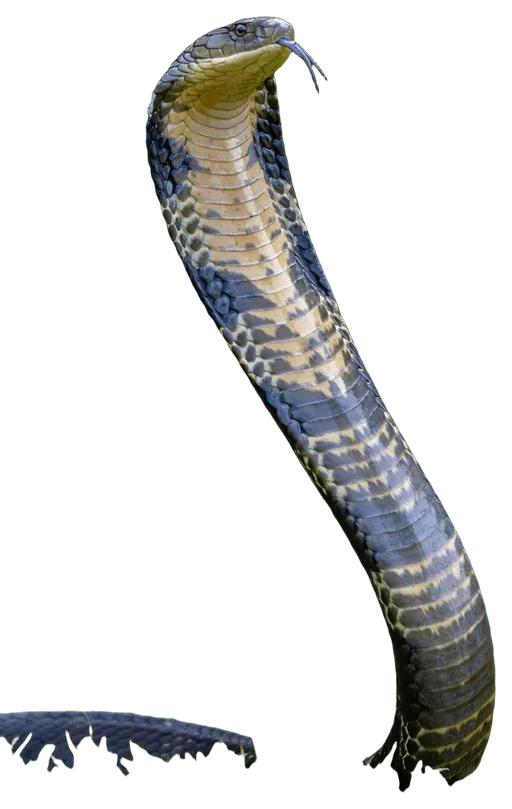
Bigger than 89% of animalsThe Northern King Cobra is a long, active snake specialist whose danger comes from reach, controlled strike posture and neurotoxic venom rather than brute force. A representative 3.6 m male is physically light compared with mammalian predators, but one clean envenomating bite can radically change a matchup. Its snake-hunting ecology, ritual male wrestling, strong chemoreception and unusual nest-building behavior make it one of the roster's strongest biological specialists without justifying inflated Defense or Raw Power.
Detailed ratings
Research-backed ratings on one 0–100 scale for all 344 animals (updated 2026-09-27). How ratings work


Card No. 103 of 344. Every animal on Animal Battle Stats has one: its power, tier and archetype on the front; its six battle stats, abilities and signature move on the back.
Special abilities
Fixed front fangs inject venom containing neuroactive components that can disrupt neuromuscular function after a successful bite. This creates a delayed systemic win condition that is distinct from the snake's low absolute raw power.
Elongated cervical ribs spread the hood while the cobra raises and controls a substantial anterior section of its body, increasing threat presence and allowing strikes from an unusually elevated platform for a snake.
Unique traits
King cobras specialize on other snakes, including potentially dangerous venomous and constricting species, giving their prey-handling ecology unusual relevance to one-on-one combat analysis.
Females actively construct and guard vegetation nests, an exceptional reproductive behavior among snakes that is now supported by field observations including guarded clutches in Bhutan and Yunnan.
How it fights
Weapons
- The king cobra's decisive weapon is a rapid front-fanged bite that injects a complex venom dominated by neurotoxic effects. A peer-reviewed proteomic/toxicology study found route-dependent mouse LD50 values and demonstrated rapid mortality in untreated experimental envenomation. The practical battle advantage is not jaw pressure but biochemical disruption after successful fang penetration. Venom potency and quantity must not be conflated: a large venomous snake can be exceptionally dangerous without having the lowest LD50 among snakes.
- Weight
- 8 kg18 lb
- Height
- No reliable measurement
- Length
- 3.6 m11.8 ft
- Top speed
- No reliable measurement
- Bite force
- No reliable measurement
- Lifespan
- 20 years
- Home biome
- Forest
- Lifestyle
- Mostly solitary
Rated specimen: Healthy fully mature adult male Northern King Cobra, 8.0 kg and 360.0 cm total length.
Fun facts
- King cobras are the world's longest living venomous snakes under the traditional common-name concept.
- The genus name Ophiophagus refers to snake eating.
- Their low-frequency hiss is unusually deep compared with many snakes.
- Male combat is often wrestling rather than biting.
- Females build vegetation nests, rare behavior among snakes.
- A 2024 taxonomic revision showed that the animal historically called one king-cobra species actually represents four species.
Closest rivals by power. Tap one for the full breakdown, or pick any opponent.
vs GharialLoses · 67% · Slight edge 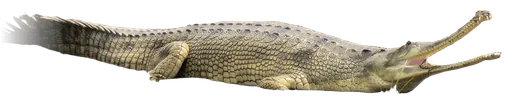 L vs AnacondaLoses · 62% · Slight edge
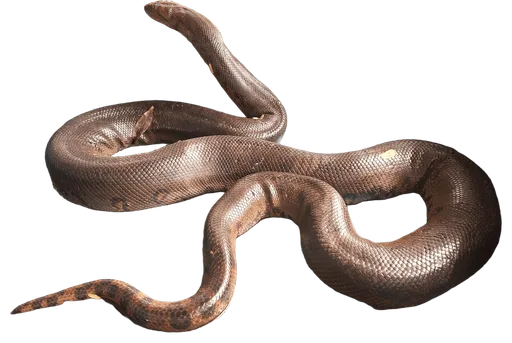 L vs Black MambaWins · 61% · Slight edge
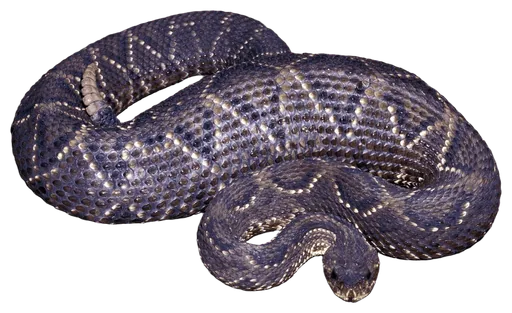
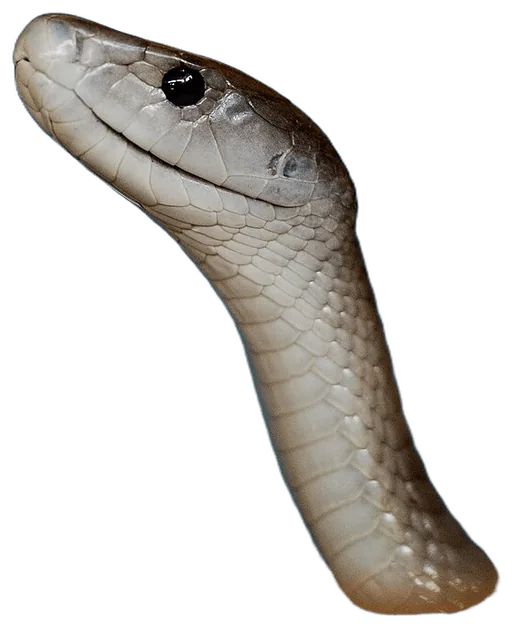 W vs RattlesnakeWins · 59% · Slight edge
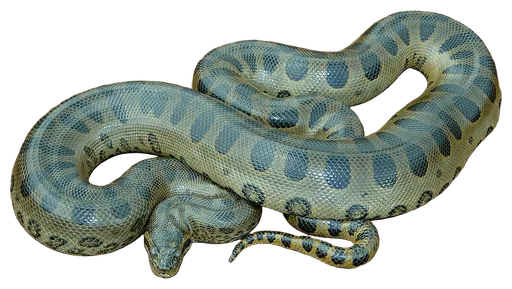
 W vs Green AnacondaLoses · 63% · Slight edge
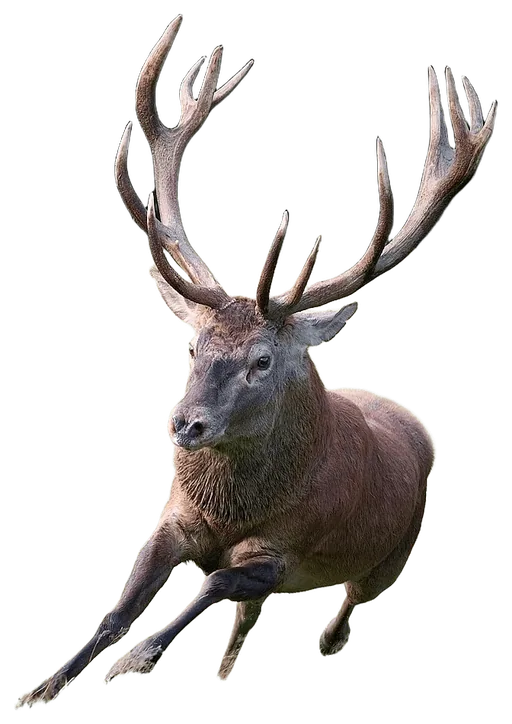
 L vs Red DeerLoses · 67% · Slight edge
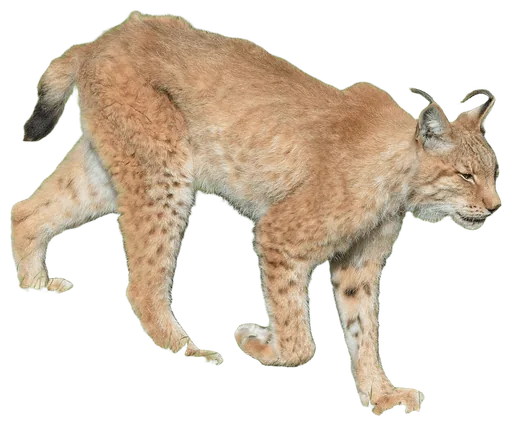
 L vs LynxLoses · 56% · Toss-up
 L vs TunaLoses · 66% · Slight edge
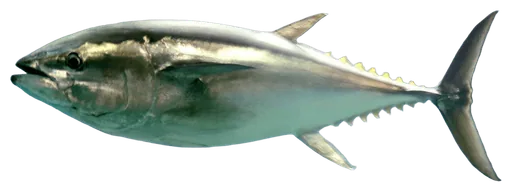 L
King Cobra battle analysis
A king cobra wins by controlling the terms of contact. Its long body gives it reach and access through clutter, while chemical sensing helps it track prey that may be hidden from sight. When threatened it can elevate the front of the body and spread the hood, turning a ground-level snake into a mobile striking platform. Yet the display should not be mistaken for armor. The animal remains an 8 kg vertebrate with a long vulnerable body, and a large predator that lands a decisive bite, stomp or talon strike can end the fight before venom becomes decisive.
Its unusual power is therefore asymmetric. Raw muscular force is low on the full ABS roster, while Special is elite. The fangs do not need to crush bone; they need to penetrate and deliver venom. This distinction is exactly why pound-for-pound reasoning is avoided. Against an unarmored opponent near its own size, venom can dominate the matchup. Against a hippopotamus, elephant or heavily armored animal, the same venom system faces major delivery and time-to-effect constraints while the cobra remains catastrophically vulnerable to one direct hit.
Habitat & range
Under the 2024 revision, Northern King Cobra O. hannah sensu stricto occupies the northern/eastern South Asian through Indo-Burmese and Indochinese portion of the old complex, extending south to central Thailand. Historical sources that describe the former complex from India through Indonesia and the Philippines should not be copied wholesale into the exact-taxon profile. Habitat includes forest, bamboo, stream-associated areas and some agricultural mosaics.
Diet & hunting
The diet is strongly ophiophagous. Smithsonian lists rat snakes, dhamans, pythons, Indian cobras, kraits and smaller king cobras among prey. This specialization makes the king cobra a predator of animals that are themselves often formidable hunters.
Social life
Adults are generally solitary outside reproductive interactions. Males engage in ritual wrestling. Females build and guard nests. Smithsonian reports 21-40 eggs in its general account, while peer-reviewed field reports show local variation and exceptional cases. Lifespan is about 20 years.
Conservation
The king-cobra complex has long been treated as threatened by habitat destruction and persecution. Modern conservation assessment now has to catch up with the four-species taxonomy because each species has a smaller range than the historical single-species concept. This report therefore avoids treating old range-wide abundance statements as automatically valid for O. hannah sensu stricto.
Quick answers
How strong is a King Cobra?
On the Animal Battle Stats scale, the King Cobra has an attack rating of 59 and a power index of 55.7 out of 100, which ranks it #103 of 344 animals and puts it in B tier (Strong). Its strongest stat is special (94).
How much does a King Cobra weigh?
A typical adult King Cobra weighs about 8 kg (18 lb). Rated specimen: healthy fully mature adult male Northern King Cobra, 8.0 kg and 360.0 cm total length.
How fast is a King Cobra?
There is no reliable measured top speed for the King Cobra, so we do not publish one. Its agility rating, which covers acceleration, reflexes and evasion, is 76 out of 100.
What does a King Cobra eat?
The diet is strongly ophiophagous. Smithsonian lists rat snakes, dhamans, pythons, Indian cobras, kraits and smaller king cobras among prey. This specialization makes the king cobra a predator of animals that are themselves often formidable hunters.
What animals can beat a King Cobra?
Among its closest rivals, the Gharial (67%), the Anaconda (62%), the Green Anaconda (63%), the Red Deer (67%), the Lynx (56%), the Tuna (66%) would be favored against the King Cobra. It would be favored against the Black Mamba, the Rattlesnake.
Researched 2026-09-27. Ratings are editorial judgments built from these sources; measurements describe a healthy adult male.
- Das et al. 2024, European Journal of TaxonomyFour-species revision; restricted O. hannah range; morphology based on 148 entire + 5 skeletal specimens
- Smithsonian National Zoo, King cobra3-3.6 m average, 5.4 m upper size, ~20 y lifespan, diet, vision, male wrestling, nesting overview
- Ophiophagus venom proteome/toxicology, Toxins 2014Venom composition and route-specific mouse LD50 results
- Bontrager et al. 2025, Ecology and EvolutionRitual male-male combat in Northern King Cobra, Thailand
- Koirala & Tshering 2021Bhutan habitat/elevation records and guarded 37-egg nest
- Wang et al. 2025, Integrative ConservationYunnan nests, guarding, clutch data, modern exact-taxon context
- National Geographic king cobra~20 y lifespan, up to ~20 lb, rearing/hood description, conservation overview
- Wikimedia Commons / Thai National Parks photo6049x4037 female Thailand image; CC BY-SA 2.0 and provenance
Photo: “King of the snake world.jpg” by Drishtant Bidari, CC BY-SA 4.0, background removed and cropped. Original
Suggest a correction