

Kea
Nestor notabilis
 #218 of 341
  Mountains Thief Endangered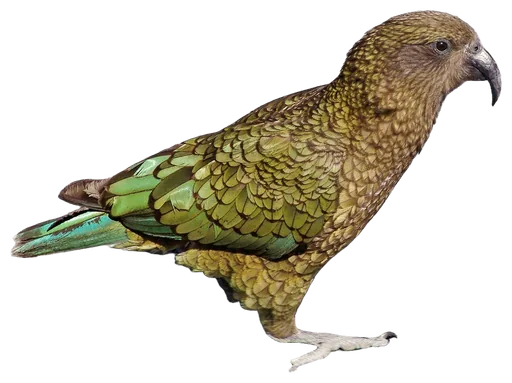
 Fight
FightPhoto: gambier20 · CC BY 2.0
The Kea is a large, clever mountain parrot from New Zealand's South Island. The canonical male weighs just under 1 kg. Its long, curved bill can rip through sheep wool, and it is among the best-tested bird problem solvers, showing statistical reasoning and tool innovation. In an absolute fight, its small size and lack of armor leave it far below real predators.
 Attack22
  Defense14
  Agility85
  Stamina66
  Intelligence92
  Special72
 Detailed ratings
Research-backed ratings on one 0–100 scale for all 341 animals (updated 2026-09-28). How ratings work
Special abilities
Ability 1Wool-Ripping BeakThe long, curved upper bill and gripping claws tear through thick fleece to reach fat on a live sheep's back, and dig out grubs and roots from soil and logs.
 Ability 2Mountain Puzzle Solver
Kea combine quantities, physical barriers and social cues to make statistical predictions, innovate tools and open locks, letting them get into places and food that other animals cannot.
Unique traits
 TraitAlpine Parrot
One of very few parrots living above the treeline, it forages across mountain beech forest, subalpine scrub and alpine herb-fields, nests on the ground and breeds in winter.
TraitContagious Play CallKea have a special play call; playing recordings of it to wild kea made both juveniles and adults play more, evidence of positive emotional contagion in a bird.
How it fights
Weapons
- The bill is the main weapon, helped by the claws. The kea's long, curved upper bill tears and pries. The clearest evidence of its offensive use is the long-disputed attacks on sheep. In 1992, nocturnal attacks were filmed, proving that at least some kea land on healthy sheep and use bill and claws to rip through the wool and eat fat from the back. The kea does not directly kill the sheep, but sheep can die from infection or from injuries while trying to escape. A few kea also prey on Hutton's shearwater chicks in the Seaward Kaikōura Range, and kea take mice and rabbits and scavenge deer, chamois, tahr and sheep carcasses.
 Struggles vs
- Under 1 kg in absolute mass.
- No armor; small, light body.
- Bill and claws are tearing tools, not killing weapons for large animals.
- Curiosity leads to lead poisoning, traps, vehicles and other human hazards.
- Ground nests are vulnerable to stoats, possums and cats.
- Weight
- 960 g33.9 oz
- Height
- No reliable measurement
- Length
- 48 cm18.9 in
- Top speed
- No reliable measurement
- Bite force
- No reliable measurement
- Lifespan
- 5 years
- Home biome
- Mountains
- Lifestyle
- Social
Rated specimen: Healthy mature adult male, 0.96 kg, 48.0 cm total length.
Fun facts
- Kea have passed tests of statistical inference once thought to be limited to great apes among animals.
- A kea named Bruce, who lost his upper bill, uses pebbles as tools to preen.
- Hearing a recorded kea play call makes wild kea start playing.
- In 1992 kea were filmed attacking sheep at night and tearing through the wool to eat fat.
- DOC records kea turning on taps, moving road cones and setting off traps to steal bait.
- Kea nest on the ground and lay eggs in winter.
Closest rivals by power. Tap one for the full breakdown, or pick any opponent.
vs GooseLoses · 50% · Toss-up  L vs MacawLoses · 50% · Toss-up
  L vs Wild TurkeyWins · 51% · Toss-up
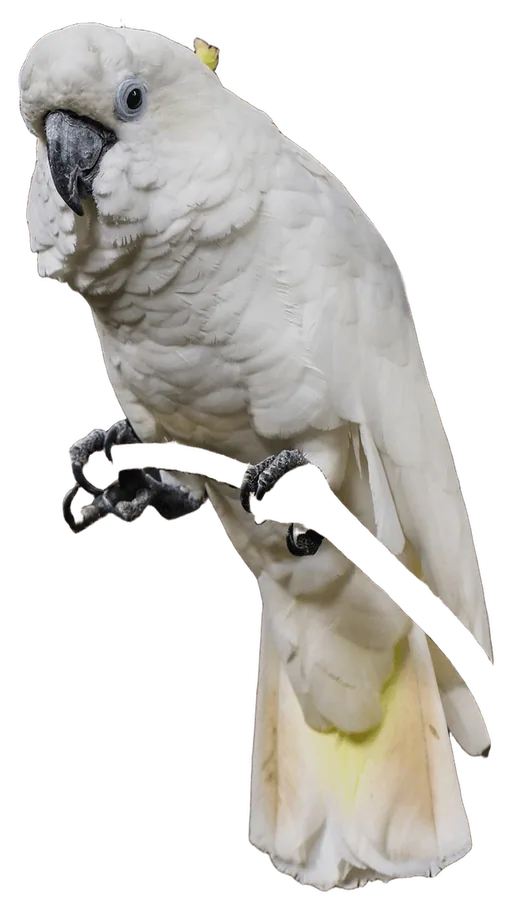
  W vs CockatooWins · 51% · Toss-up
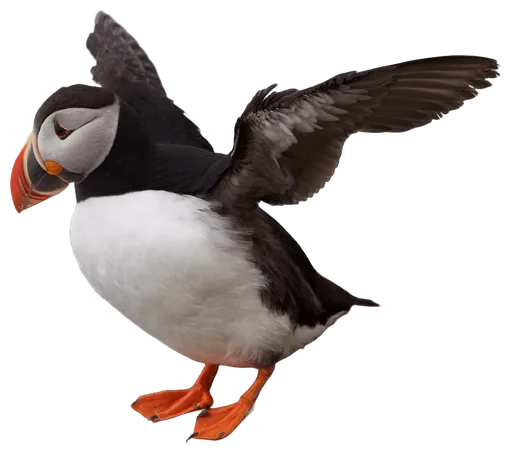
  W vs PuffinLoses · 51% · Toss-up
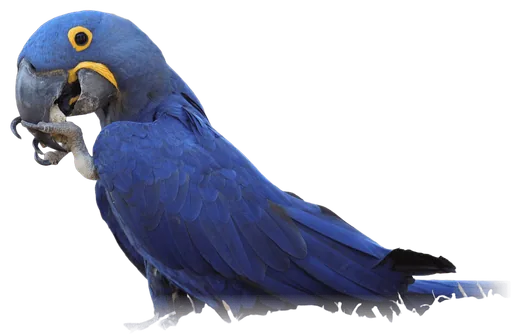
  L vs Hyacinth MacawLoses · 52% · Toss-up
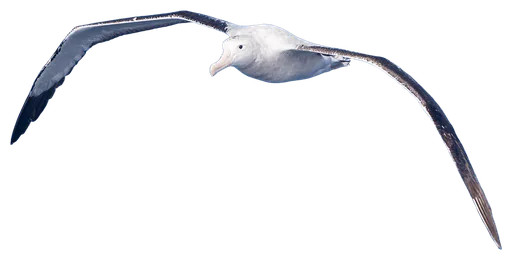
  L vs AlbatrossWins · 52% · Toss-up
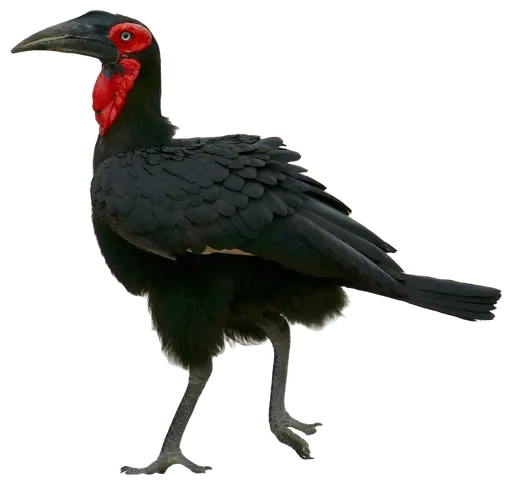
  W vs Southern Ground HornbillWins · 52% · Toss-up
  W
W  Pick any opponent
 Kea battle analysis
The kea is a parrot that lives where parrots usually do not: on windy ridges and alpine herb-fields of the Southern Alps, nesting on the ground and breeding through the mountain winter. It survives there by being curious. Kea dig, pry, rip and test almost everything they meet, from grubs in rotten logs to rubber on cars, traps set for pests and gear left outside huts.
That curiosity is backed by measured ability. In controlled studies, kea predicted sampling outcomes from ratios of objects while taking into account physical barriers and an experimenter's bias, a combination previously shown only in great apes. A disabled kea invented his own pebble tool for preening. At the same time, experiments show limits: kea did not grasp their partner's role in a cooperation task and did not infer weight from objects moving in a breeze. The picture is of a highly capable, exploratory problem solver rather than an all-purpose genius.
In an absolute matchup, the kea's bill is a tearing tool on a bird under 1 kg. It can wound a sheep that cannot shake it off and kill a seabird chick, but it has no armor and little mass. It wins by working out what an opponent or obstacle will do, not by overpowering anything that can fight back.
Habitat & range
The kea lives only on the South Island of New Zealand, over about four million hectares along the main mountain ranges from Farewell Spit to Waitutu and in the Kaikōura Ranges. It occurs from coastal dunes and lowland valleys on the West Coast to high alpine peaks, but is most common in montane forest and the subalpine and alpine zones above it. Bones show it once lived through lowland forest on the North Island as well.
Diet & hunting
It is omnivorous. Kea eat shoots, fruits, leaves, nectar and seeds of more than 40 plant species; dig for insect larvae, grass grubs and plant tubers; rip open rotten logs for huhu grubs; and eat land snails. Animal food includes Hutton's shearwater chicks, mice, rabbits and carcasses of deer, chamois, tahr and sheep. Kea also spread the seeds of alpine plants.
Social life
Adults form long-term monogamous pairs. Juveniles gather in loose, wandering flocks, which breeding adults may join as they pass through. Flocks have flexible hierarchies, and unrelated adults tolerate juveniles, which helps young kea learn.
Conservation
The kea is listed as Endangered by the IUCN and as Threatened–Nationally Endangered in New Zealand, with an estimated 1,000–5,000 birds (DOC). About 150,000 were killed for bounties between 1860 and 1970; protection came in stages, with full protection in 1986. Today's main threats are introduced predators (stoats, possums and cats) at nests, lead poisoning from old buildings, and conflict and accidents with people. At Aoraki / Mount Cook, all 38 live kea tested had detectable blood lead and 26 had dangerously high levels. Predator control greatly improves nest survival.
Quick answers
How strong is a Kea?
On the Animal Battle Stats scale, the Kea has an attack rating of 22 and a power index of 46.1 out of 100, which ranks it #218 of 341 animals and puts it in C tier (Capable). Its strongest stat is intelligence (92).
How much does a Kea weigh?
A typical adult Kea weighs about 960 g (33.9 oz). Rated specimen: healthy mature adult male, 0.96 kg, 48.0 cm total length.
How fast is a Kea?
There is no reliable measured top speed for the Kea, so we do not publish one. Its agility rating, which covers acceleration, reflexes and evasion, is 85 out of 100.
What does a Kea eat?
It is omnivorous. Kea eat shoots, fruits, leaves, nectar and seeds of more than 40 plant species; dig for insect larvae, grass grubs and plant tubers; rip open rotten logs for huhu grubs; and eat land snails. Animal food includes Hutton's shearwater chicks, mice, rabbits and carcasses of deer, chamois, tahr and sheep. Kea also spread the seeds of alpine plants.
Is the Kea endangered?
The Kea's conservation status is Endangered. The kea is listed as Endangered by the IUCN and as Threatened–Nationally Endangered in New Zealand, with an estimated 1,000–5,000 birds (DOC). About 150,000 were killed for bounties between 1860 and 1970; protection came in stages, with full protection in 1986. Today's main threats are introduced predators (stoats, possums and cats) at nests, lead poisoning from old buildings, and conflict and acc
What animals can beat a Kea?
Among its closest rivals, the Goose (50%), the Macaw (50%), the Puffin (51%), the Hyacinth Macaw (52%) would be favored against the Kea. It would be favored against the Wild Turkey, the Cockatoo, the Albatross, the Southern Ground Hornbill.
Researched 2026-09-28. Ratings are editorial judgments built from these sources; measurements describe a healthy adult male.
- Department of Conservation (DOC), Keastatus, population, threats, behavior
- NZ Birds Online, Kearange, dimorphism, population, breeding, social behavior, diet, threats
- Wikipedia, Keamass by sex, length, bill, lifespan, sheep attacks, lead data, puzzle solving
- Kea statistical inference study 2020, Nature Communicationsintelligence
- Kea cooperation study 2016, Animal Cognitioncooperation, limits
- Self-care tooling in a disabled kea 2021, Scientific Reportstool innovation
- Positive emotional contagion in a New Zealand parrot 2017, Current Biologyplay call
- Kea weight inference study 2024, Biology Lettersintelligence limits
- Epistemic curiosity in kea and children 2025, Open Mindcuriosity
- Commons, kea at Arthur's Passimage candidate
Photo: “Kea (Nestor notabilis) -on ground-8.jpg” by gambier20, CC BY 2.0, background removed and cropped. Original
Suggest a correction