
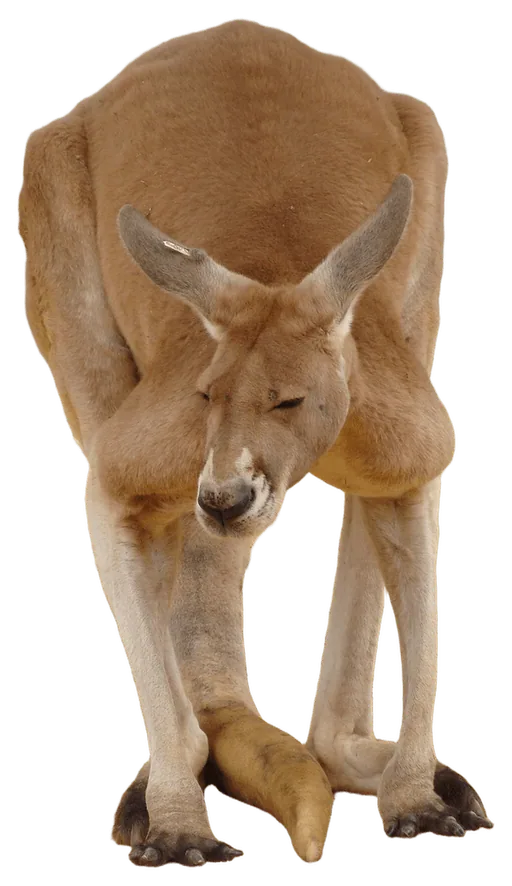
Kangaroo
Osphranter rufusB tier · Strong49th of 163 mammals
Size & speed

- Weight
- 80 kg176 lb
- Length
- 2.5 m8.2 ft
- Top speed
- 64 km/h40 mph
About as heavy as a person
Heavier than 70% of animals1.4× a person's height
Bigger than 79% of animalsFaster than Usain Bolt (44.7 km/h)
Faster than 83% of animalsThe Red Kangaroo is the world's largest living marsupial and an 80 kg male is a specialized open-ground striker. Its danger comes from a grapple-and-brace fighting system that frees both powerful hind legs for kicks, while elastic tendons make sustained hopping exceptionally economical. It is fast, mobile and enduring, but lacks armor and the penetrating killing weapons of a large carnivore.
Detailed ratings
Research-backed ratings on one 0–100 scale for all 344 animals (updated 2026-09-27). How ratings work


Card No. 79 of 344. Every animal on Animal Battle Stats has one: its power, tier and archetype on the front; its six battle stats, abilities and signature move on the back.
Special abilities
A male can grapple with the forelimbs, shift support onto the muscular tail and launch both hind feet toward an opponent. The ability is grounded in documented macropod fighting mechanics and is strongest when footing and frontal positioning permit a stable brace.
Long compliant hindlimb tendons store and return mechanical energy, allowing level hopping speed to increase with remarkably little increase in measured oxygen consumption over the studied range. This gives the kangaroo exceptional travel economy without implying unlimited fight endurance.
Unique traits
During slow pentapedal locomotion the tail is not merely a passive balance pole: force-platform work shows it can supply as much propulsive force as the limbs combined and substantial positive mechanical work.
Large male macropods show disproportionate forelimb development tied to male-male competition, giving the canonical boomer a much more combat-oriented upper body than the familiar lightweight female silhouette suggests.
How it fights
Weapons
- The primary damaging weapons are the enormous hind limbs and elongated feet. A fighting male can brace on the muscular tail and forelimbs, bring both hind legs forward, and kick/rake an opponent at close range. The feet provide both impact and clawed contact. This is a real specialized fighting mechanism, but no reliable species-specific kick-force value in Newtons was recovered in this run, so ABS does not invent one.
- Weight
- 80 kg176 lb
- Height
- 1.5 m4.9 ft
- Length
- 2.5 m8.2 ft
- Top speed
- 64 km/h40 mph
- Bite force
- No reliable measurement
- Lifespan
- 20 years
- Home biome
- Desert
- Lifestyle
- Social
Rated specimen: Healthy fully mature adult male (boomer), 80.0 kg.
Fun facts
- The red kangaroo is the largest living marsupial.
- Australian Museum reports males up to about 92 kg and 1.4 m head-body length.
- Taronga reports red kangaroos can hop at 64 km/h.
- Faster level hopping can cost surprisingly little additional metabolic energy because elastic tendons recycle mechanical energy.
- During slow pentapedal walking, the tail functions mechanically like an additional leg and can produce major propulsive work.
- A male's forelimbs are combat equipment as well as locomotor limbs, helping clasp and control rivals before hind-leg kicks.
Closest rivals by power. Tap one for the full breakdown, or pick any opponent.
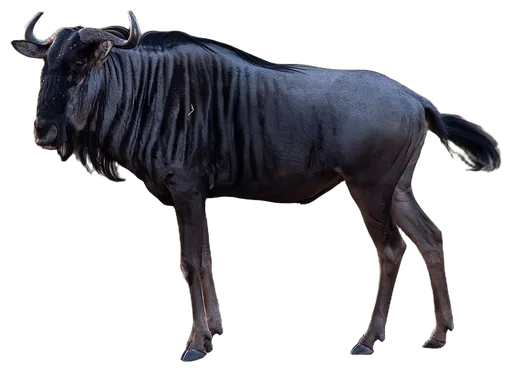
vs Black BearLoses · 52% · Toss-up 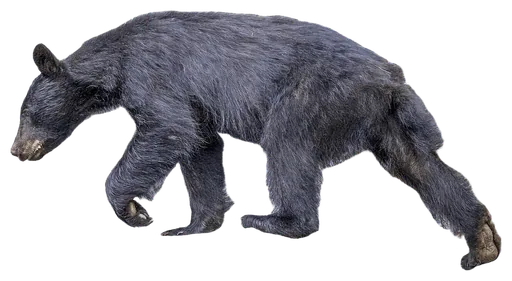 L vs WildebeestLoses · 56% · Toss-up
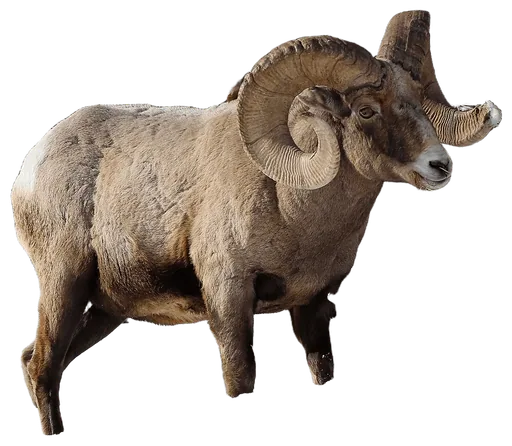
 L vs Bighorn SheepLoses · 52% · Toss-up
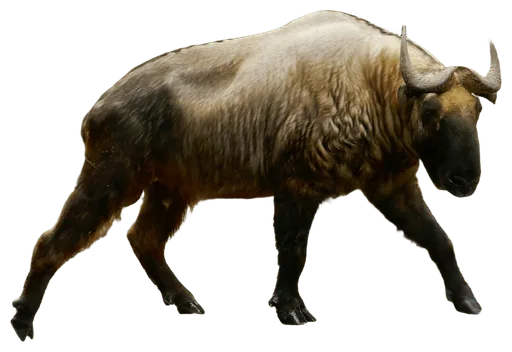
 L vs TakinLoses · 58% · Slight edge
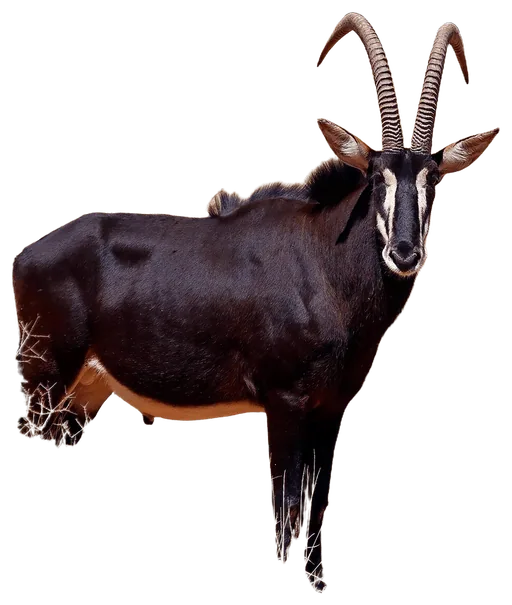
 L vs Sable AntelopeLoses · 57% · Toss-up
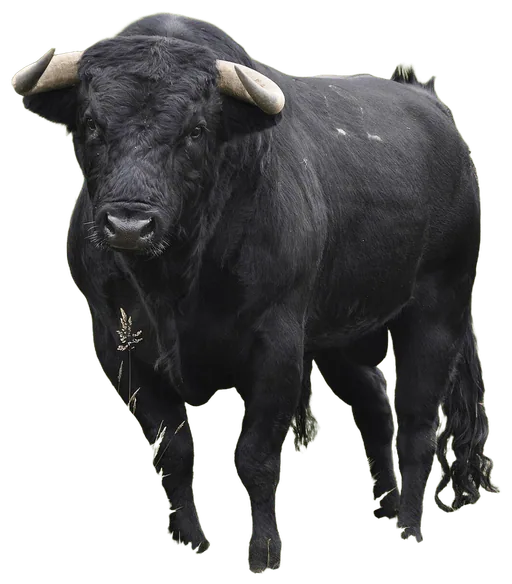
 L vs Fighting BullLoses · 61% · Slight edge
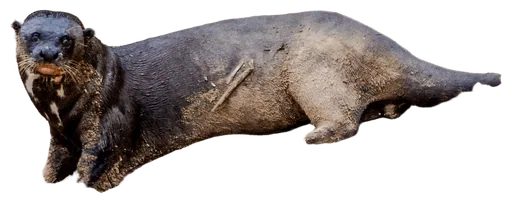
 L vs Giant OtterWins · 57% · Toss-up
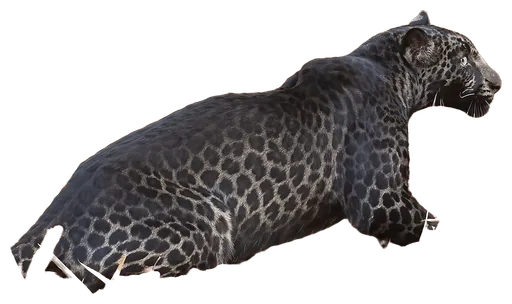
 W vs Black PantherDraw · 50-50 · Dead even
 D
Kangaroo battle analysis
A mature male red kangaroo is not simply a large rabbit-like hopper. Its entire body plan is organized around oversized hindquarters, long feet, elastic tendons and a muscular tail, while mature males also carry a stronger upper body for male competition. In a fight the forelimbs establish contact and position; the tail can become a support; and the hind limbs provide the most dangerous strike. That makes the animal unusually capable of turning a locomotor system into a close-range weapon.
The same anatomy explains why its best battlefield is open, firm ground. At distance, the kangaroo can bound rapidly and efficiently. At close range, it wants enough space and traction to orient its hips, brace and kick. A predator that collapses that geometry, attacks from an unfavorable angle or overwhelms the kangaroo before it establishes the tripod posture can sharply reduce its offensive ceiling. Conversely, a smaller opponent forced to enter from the front risks a severe reach and power disadvantage.
Stamina is arguably the species' most exceptional broad physical trait. Red-kangaroo hopping is a classic biomechanics case because tendon elasticity allows faster level movement without the ordinary proportional rise in metabolic cost. That does not mean maximal combat is free. Uphill hopping becomes much more expensive, and wrestling plus repeated maximal kicks involve muscle work that cannot be recycled like steady locomotion. The ABS score therefore rewards genuine endurance physiology while keeping combat-specific limitations visible.
Habitat & range
Red kangaroos occupy arid and semi-arid mainland Australia. Australian Museum describes grassland, shrubland, desert, woodland and open forest, with greatest abundance in open savanna woodland. Taronga summarizes the core distribution as central Australia. Their locomotion and thermoregulation are especially well suited to open dry country.
Diet & hunting
The species is a grazing herbivore, eating native grasses and other small green vegetation. It can persist through dry conditions by obtaining substantial water from vegetation and by adjusting activity to cooler periods. Population abundance can respond strongly to rainfall and forage availability.
Social life
Red kangaroos form loose social groups commonly called mobs. ADW describes groups averaging around ten, usually dominated numerically by females and young with one or more males, while much larger temporary aggregations can form at rich forage. Sociality supplies vigilance and mating context but does not create pack-hunting power for an individual battle profile.
Conservation
Taronga lists Osphranter rufus as Least Concern. The species is widespread, but abundance can fluctuate with drought and rainfall. Human land use, fencing, roads and regulated harvesting all shape local populations.
Quick answers
How strong is a Kangaroo?
On the Animal Battle Stats scale, the Kangaroo has an attack rating of 52 and a power index of 59.3 out of 100, which ranks it #79 of 344 animals and puts it in B tier (Strong). Its strongest stat is stamina (86).
How much does a Kangaroo weigh?
A typical adult Kangaroo weighs about 80 kg (176 lb). Rated specimen: healthy fully mature adult male (boomer), 80.0 kg.
How fast is a Kangaroo?
The Kangaroo's top speed is about 64 km/h (40 mph). Its agility rating is 80 out of 100.
What does a Kangaroo eat?
The species is a grazing herbivore, eating native grasses and other small green vegetation. It can persist through dry conditions by obtaining substantial water from vegetation and by adjusting activity to cooler periods. Population abundance can respond strongly to rainfall and forage availability.
Is the Kangaroo endangered?
No. The Kangaroo is listed as Least Concern. Taronga lists Osphranter rufus as Least Concern. The species is widespread, but abundance can fluctuate with drought and rainfall. Human land use, fencing, roads and regulated harvesting all shape local populations.
What animals can beat a Kangaroo?
Among its closest rivals, the Black Bear (52%), the Wildebeest (56%), the Bighorn Sheep (52%), the Takin (58%), the Sable Antelope (57%), the Fighting Bull (61%) would be favored against the Kangaroo. It would be favored against the Giant Otter. It is dead even with the Black Panther: a draw.
Researched 2026-09-27. Ratings are editorial judgments built from these sources; measurements describe a healthy adult male.
- Australian Museum, Red Kangarootaxonomy, dimensions, dimorphism, habitat
- Taronga Zoo, Red Kangaroomass, speed, lifespan, diet, range, conservation
- Animal Diversity Web, Red Kangaroomorphology, tail, life history, longevity, social behavior
- Kram & Dawson 1998, Energetics and biomechanics of locomotion by red kangarooslocomotor economy, stamina
- O'Connor et al. 2014, The kangaroo's tail propels and powers pentapedal locomotiontail mechanics
- Warburton, Bateman & Fleming 2013fighting mechanics, male competition
- Richards et al. 2015, Strong arm tacticscross-macropod dimorphism
- Wikimedia Commons, Red kangaroo (8454551677)image provenance
Photo: “Macropus rufus.002 - Zoo Aquarium de Madrid.JPG” by Fernando Losada Rodríguez, CC BY-SA 4.0, background removed and cropped. Original
Suggest a correction