

Kangal
Canis familiaris
 #107 of 273
  Mountains Defender Domesticated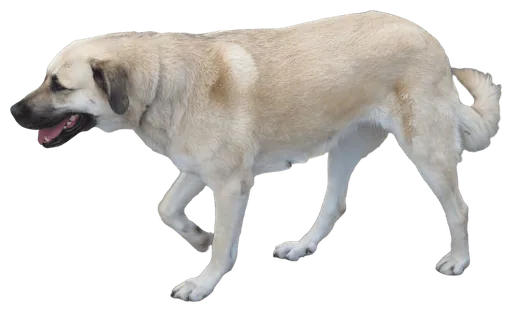
 Fight
FightPhoto: Sciencia58 · CC0
The Kangal is a heavy-boned Turkish livestock guardian dog bred to stand between sheep and wolves. It wins by deterrence, size and a strong grip-and-shake bite rather than speed or hunting skill, putting it roughly level with a wild wolf of the same mass, but it has no armor and is badly outmatched by bears and big cats.
 Attack53
  Defense44
  Agility59
  Stamina68
  Intelligence63
  Special47
 Detailed ratings
Research-backed ratings on one 0–100 scale for all 273 animals (updated 2026-09-28). How ratings work
Special abilities
Ability 1Flock Shield StancePositions itself between the flock and an approaching predator and patrols farther out at night, as GPS tracking in Sivas showed. In a matchup this means it fights on its chosen ground and forces the opponent to come through it.
 Ability 2Escalating Challenge
A graded sequence of bark, posture, charge and bite that drives off most wolves, coyotes and even cougars and bears in field trials before a fight begins. It rewards deterrence rather than raw damage.
Unique traits
 TraitBlack-Masked Mountain Molosser
A heavy-boned, broad-headed mountain-type guardian with the breed's defining dark mask and ears, heavier than wild canids of the same height.
TraitSivas Working HeritageA Turkish national breed kept for generations by shepherds in the Sivas-Kangal region, recognized by the FCI as a distinct breed in 2018 and exported for predator-conflict programs.
How it fights
Weapons
- The Kangal's weapon is the canid bite: grip-and-hold or grip-and-shake delivered by a broad-headed, heavy-boned molossoid mountain-type dog (FCI Group 2, Section 2.2). Its fighting method against predators is escalation: stand between flock and threat, bark, posture, charge, and bite only if the intruder does not withdraw. There is no second weapon system; forelimbs brace and push but do not grapple like a felid's.
 Struggles vs
- No armor; throat and limbs are exposed without the human-fitted collar.
- A single bite weapon that requires close contact.
- Less speed, turning and pursuit endurance than wild canids.
- Behavior is tuned to deterrence and returning to the flock, not to finishing fights.
- Far outmatched by bears, big cats and large ungulates in absolute power.
- Weight
- 50 kg110 lb
- Height
- 74 cm29.1 in
- Length
- 74 cm29.1 in
- Top speed
- No reliable measurement
- Bite force
- No reliable measurement
- Lifespan
- 12 years
- Home biome
- Mountains
- Lifestyle
- Social
Rated specimen: Healthy adult male working Kangal, 50.0 kg, 74.0 cm at the withers, in working condition rather than show or obese pet condition.
Fun facts
- The FCI only recognized the Kangal as a separate breed in 2018; before that the same standard number covered the "Anatolian Shepherd Dog".
- Turkish shepherds fit Kangals with spiked iron collars to protect their throats from wolf bites.
- USDA researchers imported Kangals from Turkey in 2014 to test them against wolves in the western United States.
- GPS collars in Sivas showed Kangals patrol farther from the flock at night than the shepherd does.
- The widely shared "743 PSI" bite figure has never been traced to a published measurement.
- The Kangal appears on a Turkish postage stamp as a national breed.
Closest rivals by power. Tap one for the full breakdown, or pick any opponent.
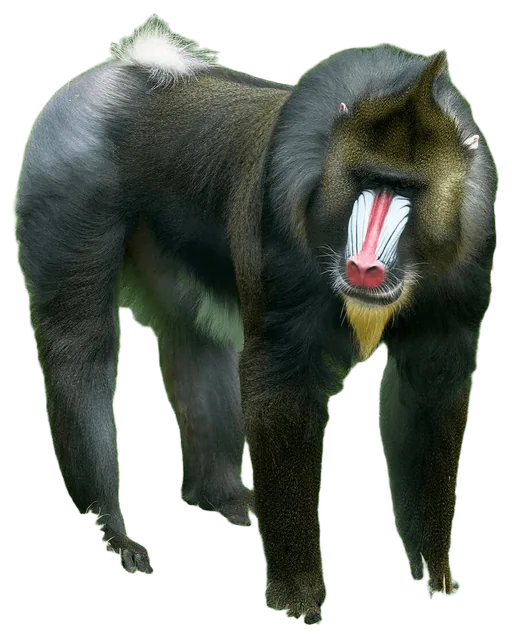
vs Proboscis MonkeyLoses · 50% · Toss-up 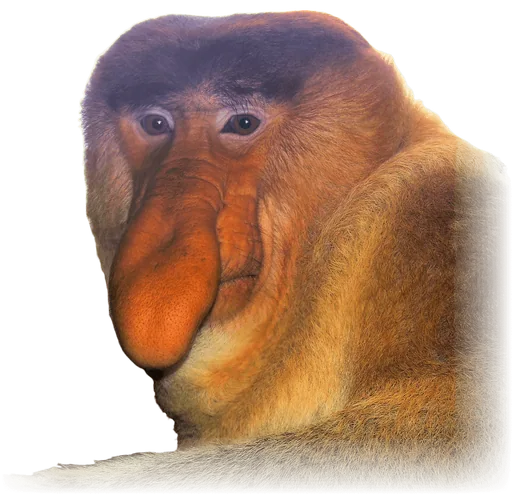 L vs MandrillLoses · 50% · Toss-up
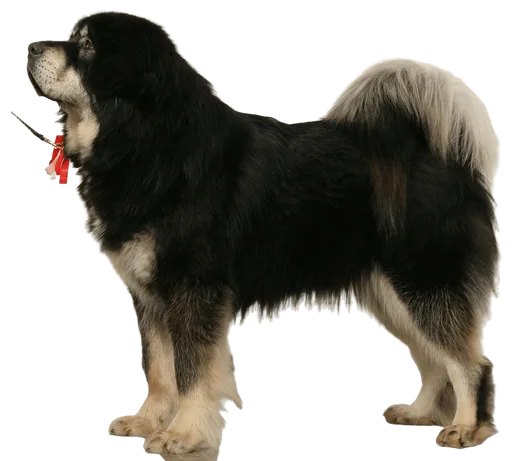
  L vs Tibetan MastiffLoses · 50% · Toss-up
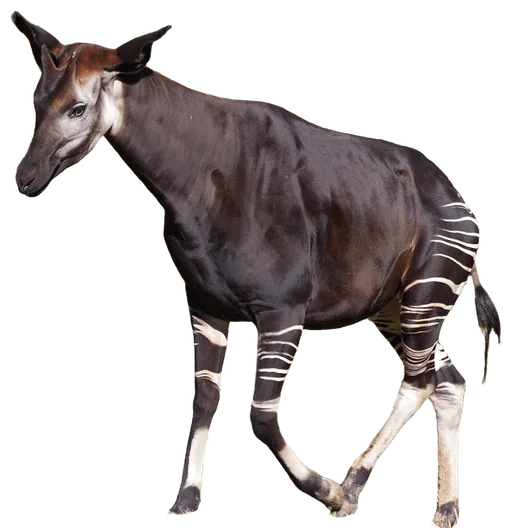
  L vs OkapiLoses · 50% · Toss-up
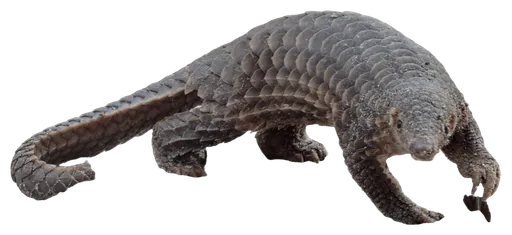
  L vs PangolinWins · 51% · Toss-up
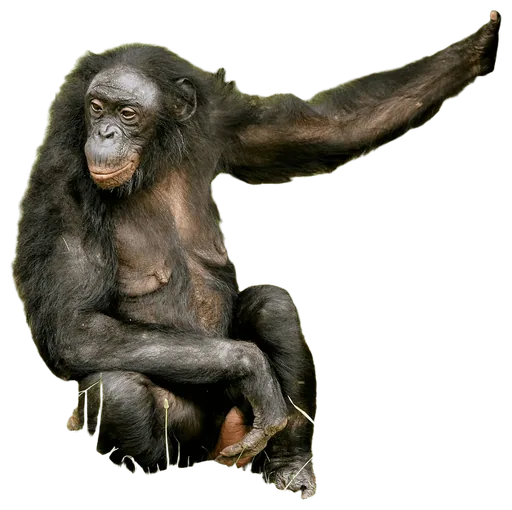
  W vs BonoboWins · 51% · Toss-up
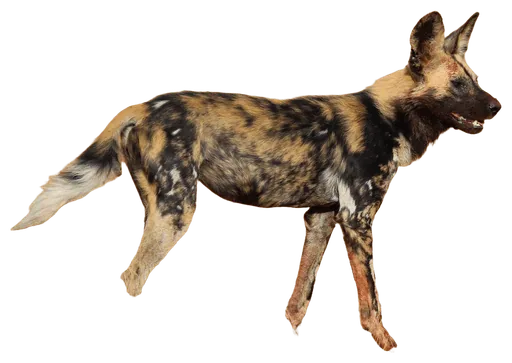
  W vs African Wild DogWins · 51% · Toss-up
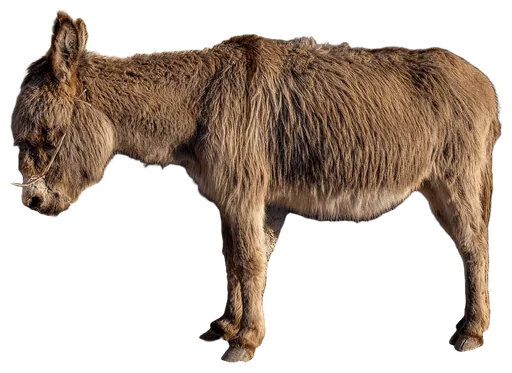
  W vs DonkeyWins · 51% · Toss-up
  W
W  Pick any opponent
 Kangal battle analysis
The Kangal comes from the high steppe of Sivas in central Anatolia, where shepherds have long kept large, pale, black-masked dogs to guard their flocks from wolves. A fit working male weighs about 50 kg and stands about 74 cm at the shoulder. Turkish field measurements put village males a little lighter, while US-registered dogs run heavier, so the canonical specimen deliberately sits between the two.
Its fighting style is defined by its job. A Kangal does not hunt; it guards. It keeps itself between the flock and danger, patrols farther out after dark, and meets a threat with a graded escalation of barking, posturing and charging that ends most encounters before teeth are used. When it does commit, it brings a strong bite on a heavy frame, and field trials in the western United States showed Kangals reducing losses to coyotes, cougars and black bears and displacing wolves.
That makes it formidable against lighter canids and small carnivores, and roughly an even contest against a wolf of similar size, where the wild wolf's hunting experience offsets the dog's heavier bone. Against bears, big cats and large ungulates it is simply too small, and without the shepherd's spiked collar its throat is as exposed as any dog's. The famous 743 PSI bite claim does not change this: no published study has measured it.
Habitat & range
The Kangal originates in the Sivas province of central Anatolia, a high steppe and upland pasture region with cold winters. It is kept across Turkey and has been exported to North America, Africa and Europe as a livestock guardian.
Diet & hunting
A domestic dog fed by its owners, on household scraps and prepared food in village practice or commercial diets abroad. It does not hunt for its living, although it will chase and bite intruding carnivores.
Social life
Kangals usually work in small groups with a flock and bond closely with the shepherd. They are territorial toward strange dogs and people and stay with the flock rather than roaming.
Conservation
Not applicable as a wild species; it is a Domesticated breed. Turkey treats the Kangal as a national breed.
Quick answers
How strong is a Kangal?
On the Animal Battle Stats scale, the Kangal has an attack rating of 53 and a power index of 53.9 out of 100, which ranks it #107 of 273 animals and puts it in B tier (Strong). Its strongest stat is stamina (68).
How much does a Kangal weigh?
A typical adult Kangal weighs about 50 kg (110 lb). Rated specimen: healthy adult male working Kangal, 50.0 kg, 74.0 cm at the withers, in working condition rather than show or obese pet condition.
How fast is a Kangal?
There is no reliable measured top speed for the Kangal, so we do not publish one. Its agility rating, which covers acceleration, reflexes and evasion, is 59 out of 100.
What does a Kangal eat?
A domestic dog fed by its owners, on household scraps and prepared food in village practice or commercial diets abroad. It does not hunt for its living, although it will chase and bite intruding carnivores.
Is the Kangal endangered?
The Kangal's conservation status is Domesticated. Not applicable as a wild species; it is a Domesticated breed. Turkey treats the Kangal as a national breed.
What animals can beat a Kangal?
Among its closest rivals, the Proboscis Monkey (50%), the Mandrill (50%), the Tibetan Mastiff (50%), the Okapi (50%) would be favored against the Kangal. It would be favored against the Pangolin, the Bonobo, the African Wild Dog, the Donkey.
Researched 2026-09-28. Ratings are editorial judgments built from these sources; measurements describe a healthy adult male.
- United Kennel Club, Kangal Dog standardmale height and weight
- UKC official standard PDF (rev. 2023)mask, ears, gait
- FCI Standard No. 331, Kangal Shepherd Dogbreed identity, classification
- Kırıkkale Kangal morphology study, Asian J. Animal and Veterinary Advances (2012)field body size
- Body Weight and Some Morphological Characteristics of Kangal Dogsfield body size
- Livestock guarding behaviour of Kangal dogs in their native habitat, Applied Animal Behaviour Scienceguarding behavior, night patrol
- Kinka & Young (2018), Rangeland Ecology & Managementresponse to wolves
- Kinka & Young (2019), Evaluating Domestic Sheep Survival with Different Breeds of LGDsdepredation reduction
- Farm Progress, Gauging guardians of the rangedepredation summary
- UC ANR, Which Livestock Guardian Dog Breed?study design
- Lindner et al. (1995), Measurement of bite force in dogs: a pilot studydog bite force context
- Ellis et al. (2008), Journal of Anatomydog bite force context
- Frontiers in Veterinary Science review, Bite Forces and Their Measurement in Dogs and Catsmethod caveats
- Dogster, Kangal bite forceviral claim context
- Wikipedia, Kangal Shepherd Dogsize summary, national breed
- Hobby Farms, Kangal Dogsspiked collar, lifespan
- The Use of Turkish Akbash and Kangal Shepherd Dogs in Carnivore Conservationexported conservation role
Photo: “Kangal female.jpg” by Sciencia58, CC0, background removed and cropped. Original
Suggest a correction