

Japanese Spider Crab
Macrocheira kaempferi
 #321 of 344
  Ocean Tank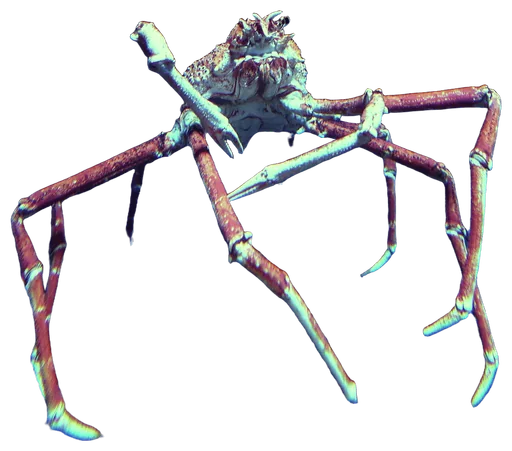
 Fight
FightPhoto: Joseolgon · CC BY-SA 4.0
The Japanese spider crab has the widest leg span of any arthropod, over 3 m in big males, but its long claws are weak and it is slow, gentle and unable to swim. Its spiny shell gives decent protection, yet its thin legs and weak pinch make it a poor fighter against anything with a strong bite.
 Attack22
  Defense40
  Agility14
  Stamina48
  Intelligence22
  Special42
 Detailed ratings
Research-backed ratings on one 0–100 scale for all 344 animals (updated 2026-09-28). How ratings work
Special abilities
Ability 1Record ReachA big male's claw-to-claw span can pass 3 m, the widest of any arthropod, letting it touch and fend off an opponent long before that opponent reaches its body.
 Ability 2Living Disguise
Young crabs tear off sponges, kelp and other material and attach them to hooked spines on the shell, hiding their outline on the seafloor.
Unique traits
 TraitLegs That Keep Growing
The shell stops growing much in adulthood, but the legs keep lengthening with age, and lost legs can regrow at later molts.
TraitDeep-Water GiantIt lives at 50–600 m off Japan and gathers in large numbers at food falls; over a thousand were counted at one whale carcass at 500 m.
How it fights
Weapons
- The Japanese spider crab's weapons are a pair of long, slender claws, far longer in males than in females. ADW describes them as fairly weak: good for tearing up sponges or algae, prying open mollusks and warding off smaller predators, but not for crushing hard prey the way a king crab or lobster can. Its long reach is the real asset; a big male can touch an opponent from well over a metre away.
 Struggles vs
- Weak claws and very low striking power.
- Thin legs that are easily lost.
- Very slow and unable to swim.
- Soft and helpless during and just after molting.
- Low aggression.
- Weight
- 12 kg26 lb
- Height
- No reliable measurement
- Length
- 30 cm11.8 in
- Top speed
- No reliable measurement
- Bite force
- No reliable measurement
- Lifespan
- No reliable measurement
- Home biome
- Ocean
- Lifestyle
- Mostly solitary
Rated specimen: Healthy hard-shelled adult male, 12.0 kg, 30.0 cm carapace width and about 3.0 m claw-to-claw span.
Fun facts
- It has the widest leg span of any known arthropod, up to about 3.7 m.
- Its Japanese name, taka-ashi-gani, means "tall-legged crab".
- Its shell stops growing much in adulthood, but its legs keep getting longer.
- Young spider crabs dress themselves in sponges and seaweed for camouflage.
- More than a thousand were counted at a single whale carcass on the seafloor at 500 m.
- A female can carry up to about 1.5 million eggs in a season.
Closest rivals by power. Tap one for the full breakdown, or pick any opponent.
vs HellbenderLoses · 50% · Toss-up  L vs Africanized Honey BeeWins · 50% · Toss-up
  W vs Black WidowWins · 50% · Toss-up
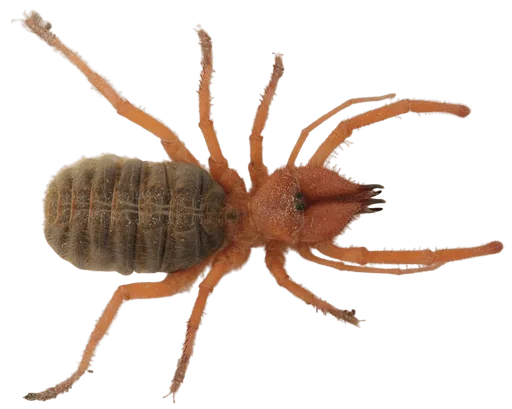
  W vs Camel SpiderWins · 50% · Toss-up
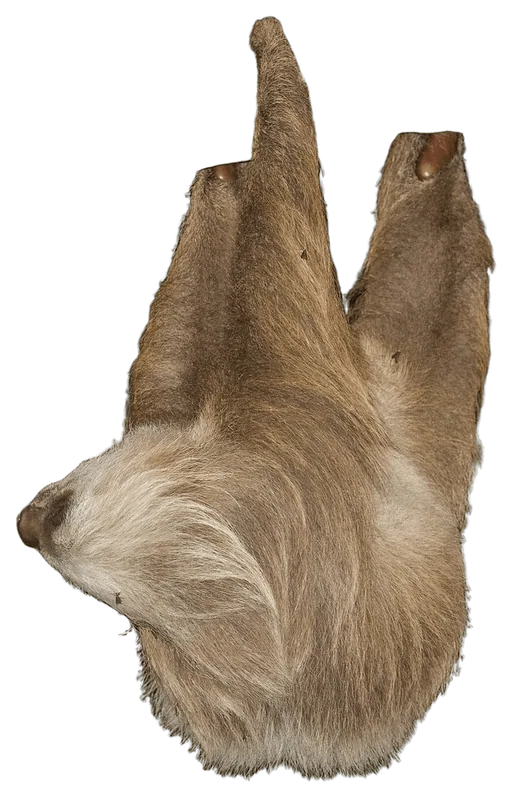
  W vs SlothWins · 50% · Toss-up
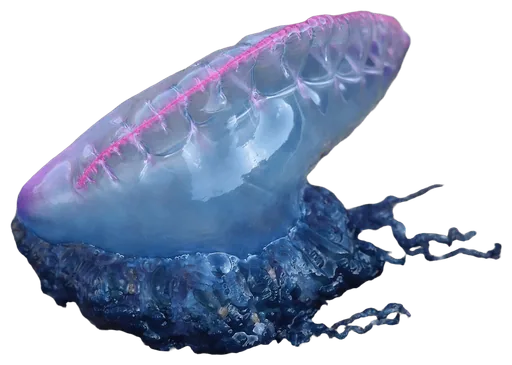
  W vs Portuguese Man o' WarWins · 53% · Toss-up
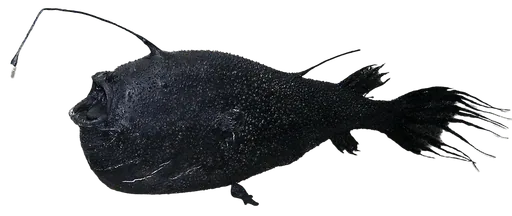
  W vs AnglerfishLoses · 53% · Toss-up
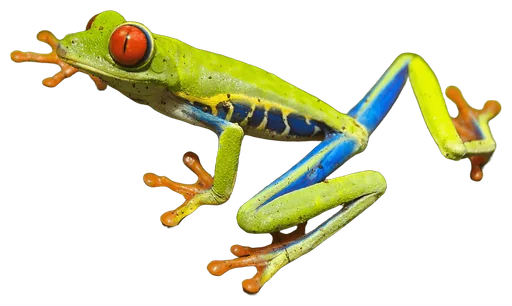
  L vs Red-Eyed Tree FrogLoses · 51% · Toss-up
  L
L  Pick any opponent
 Japanese Spider Crab battle analysis
The Japanese spider crab looks like a monster from the deep: a spiny, orange body the size of a dinner plate, perched on legs that can stretch more than three metres from claw to claw. It lives on the seafloor off Japan at depths of 50 to 600 m, and it keeps growing in an unusual way: the shell reaches its adult size, but the legs go on lengthening for the rest of the crab's life.
Despite the look, it is a scavenger rather than a hunter. It picks over dead fish, algae and small invertebrates, and gathers in large numbers where food falls to the bottom; researchers counted more than a thousand around one whale carcass. It is reported to have a gentle disposition, and its long claws are relatively weak, better at tearing sponges off rocks than crushing shells.
In a battle, that makes it much less dangerous than it looks. Its reach can keep a small opponent at a distance and its well-calcified, spiny carapace protects the body, but the legs are thin and easily broken, it cannot swim away, and during a molt it is helpless. It rates low in Attack and Agility, moderate in Defense, and its Special score rests on reach and camouflage rather than any real weapon.
Habitat & range
Japanese spider crabs live on sandy and rocky bottoms of the continental shelf and slope, mainly off the Pacific coast of Honshu from Tokyo Bay to Kagoshima, with outlying records from Iwate Prefecture and Taiwan (Wikipedia; ADW). They are found at 50–600 m, most often around 150–300 m (Georgia Aquarium; ADW). In Suruga Bay they are regular at 300 m, where the water is about 10 °C (Wikipedia).
Diet & hunting
They are omnivorous scavengers, eating dead or decaying fish, invertebrates and algae, and sometimes prying open mollusks or catching small invertebrates (Monterey Bay Aquarium). At an experimental sperm whale carcass at 500 m they were the second most abundant animal and showed day-night activity cycles (Aguzzi et al. 2019).
Social life
They are not social in any organized way, but gather in numbers at food sources (Aguzzi et al. 2019) and move to shallower water to spawn (Monterey Bay Aquarium).
Conservation
The species has not been assessed by the IUCN in any source read for this report. The catch has declined considerably over the last 40 years, and fishing is restricted during the spring breeding season to protect it (ADW; Monterey Bay Aquarium). Warming seas may reduce larval survival and degrade seaweed beds (Monterey Bay Aquarium).
Quick answers
How strong is a Japanese Spider Crab?
On the Animal Battle Stats scale, the Japanese Spider Crab has an attack rating of 22 and a power index of 30.9 out of 100, which ranks it #321 of 344 animals and puts it in F tier (Snack). Its strongest stat is stamina (48).
How much does a Japanese Spider Crab weigh?
A typical adult Japanese Spider Crab weighs about 12 kg (26 lb). Rated specimen: healthy hard-shelled adult male, 12.0 kg, 30.0 cm carapace width and about 3.0 m claw-to-claw span.
How fast is a Japanese Spider Crab?
There is no reliable measured top speed for the Japanese Spider Crab, so we do not publish one. Its agility rating, which covers acceleration, reflexes and evasion, is 14 out of 100.
What does a Japanese Spider Crab eat?
They are omnivorous scavengers, eating dead or decaying fish, invertebrates and algae, and sometimes prying open mollusks or catching small invertebrates (Monterey Bay Aquarium). At an experimental sperm whale carcass at 500 m they were the second most abundant animal and showed day-night activity cycles (Aguzzi et al. 2019).
What animals can beat a Japanese Spider Crab?
Among its closest rivals, the Hellbender (50%), the Anglerfish (53%), the Red-Eyed Tree Frog (51%) would be favored against the Japanese Spider Crab. It would be favored against the Africanized Honey Bee, the Black Widow, the Camel Spider, the Sloth, the Portuguese Man o' War.
Researched 2026-09-28. Ratings are editorial judgments built from these sources; measurements describe a healthy adult male.
- Animal Diversity Web, Macrocheira kaempferimass, carapace, span, claws, locomotion, senses, decorating, lifespan claim, fishery
- McClain et al. 2015, PeerJ (Sizing ocean giants)measurement reliability, span, mass
- Monterey Bay Aquarium, Japanese spider crabcarapace, span, legs regrow, diet, molting risk, spawning depth
- Georgia Aquarium, Japanese spider crabspan, carapace, mass, sex difference, depth
- Wikipedia, Japanese spider crabrange, depth, temperament, molting, eggs
- Aguzzi et al. 2019, Scientific Reportsscavenging, activity rhythm
- Griffioen et al. 2022, Journal of Zoo and Wildlife Medicinecaptive health, shell lesions
- Okamoto 1995, Fisheries Sciencelarval life history
- Okamoto 1993, Nippon Suisan Gakkaishilarval life history
- Wikimedia Commons, Macrocheira kaempferiimage candidate
Photo: “Oceanário de Lisboa 2018 (23).jpg” by Joseolgon, CC BY-SA 4.0, background removed and cropped. Original
Suggest a correction