
Japanese Macaque
Macaca fuscataC tier · Capable97th of 163 mammals
Size & speed

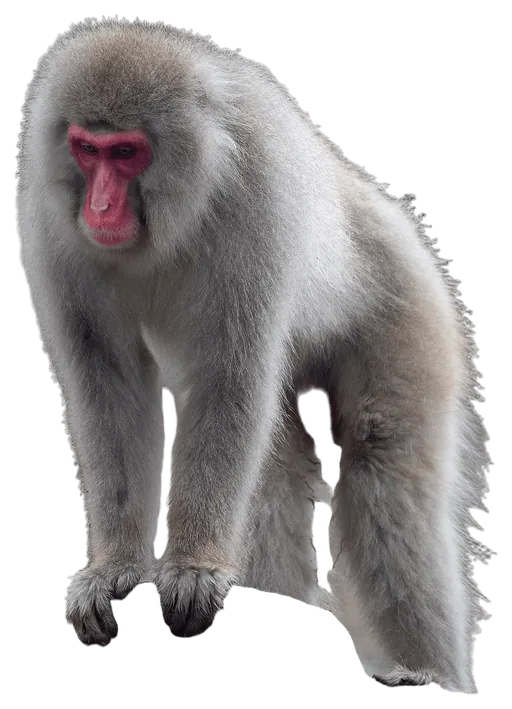
- Weight
- 11.3 kg25 lb
- Length
- 66.3 cm26.1 in
As heavy as 2.5 house cats
Heavier than 47% of animalsAbout 2.2 rulers long
Bigger than 31% of animalsThe Japanese Macaque is an 11.3 kg cold-climate primate whose real advantages are dexterity, terrain versatility, endurance and sophisticated social learning rather than raw damage. Mature males can grapple and bite with enlarged canines, but the species' standout traits are winter survival, climbing/swimming flexibility and culturally transmitted behavior.
Detailed ratings
Research-backed ratings on one 0–100 scale for all 344 animals (updated 2026-09-27). How ratings work


Card No. 169 of 344. Every animal on Animal Battle Stats has one: its power, tier and archetype on the front; its six battle stats, abilities and signature move on the back.
Special abilities
Unusually dense seasonally responsive fur plus behavioral heat conservation allows Japanese macaques to remain active through severe snowy winters. Local populations can add learned behaviors such as huddling and hot-spring bathing, but the ability is grounded primarily in species-level cold tolerance rather than assuming every macaque uses hot springs.
Semi-terrestrial quadrupedal movement, capable climbing/leaping and strong swimming let the macaque change locomotor domain when pressured, complicating pursuit by opponents specialized for only one substrate.
Unique traits
Troop life is organized around persistent social relationships and rank information; individuals monitor partners and alter behavior according to social position rather than fighting every contest from scratch.
Japanese macaque populations can maintain socially transmitted behaviors, including food-handling, grooming and stone-handling traditions, demonstrating unusually rich behavioral flexibility for the roster.
How it fights
Weapons
- The main damaging weapon is the dentition, especially the enlarged adult male canine system typical of cercopithecine monkeys. Bites can produce penetrating trauma at close range. Hands and forelimbs primarily control, shove, pull, grapple and create bite access rather than acting as claw weapons. The feet also provide grip and bracing on irregular terrain and branches.
- Weight
- 11.3 kg25 lb
- Height
- No reliable measurement
- Length
- 66.3 cm26.1 in
- Top speed
- No reliable measurement
- Bite force
- No reliable measurement
- Lifespan
- 28 years
- Home biome
- Mountains
- Lifestyle
- Social
Rated specimen: Healthy fully mature adult male, 11.3 kg.
Fun facts
- Japanese macaques are the world's most northerly nonhuman primates.
- Their winter fur becomes thicker in colder habitats and supports activity at temperatures reported down to about -20 C.
- Some Jigokudani macaques learned to bathe in hot springs; the behavior is socially patterned and more common in cold weather rather than universal to the species.
- Japanese macaques can swim more than half a kilometer according to the literature summarized by Wisconsin PIN.
- More than 30 vocal sound types have been reported by Tokyo Zoo.
- Stone handling can become a socially maintained troop tradition and can involve coordinated two-handed manipulation.
Closest rivals by power. Tap one for the full breakdown, or pick any opponent.
vs Giant PandaLoses · 63% · Slight edge 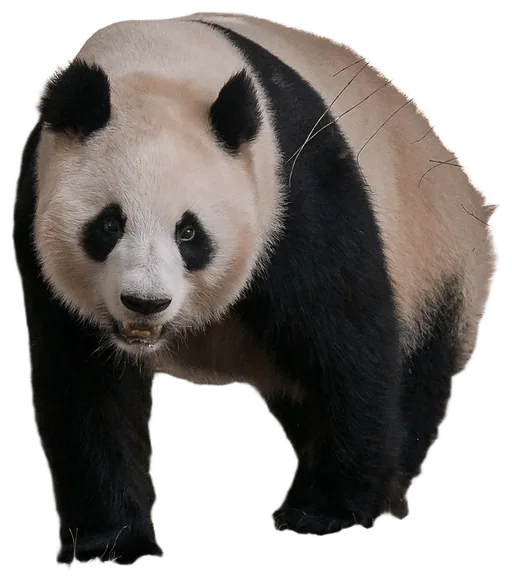 L vs CaracalLoses · 52% · Toss-up
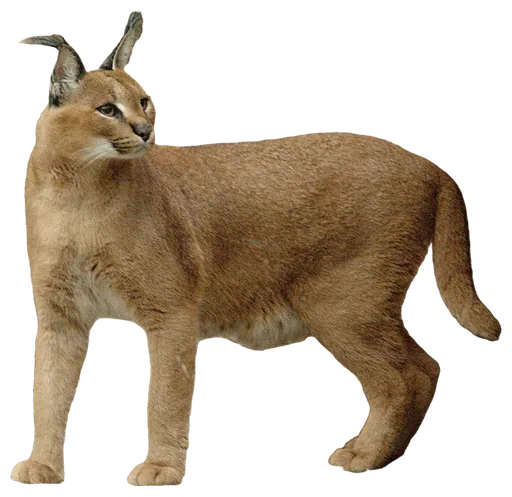 L vs PlatypusWins · 61% · Slight edge
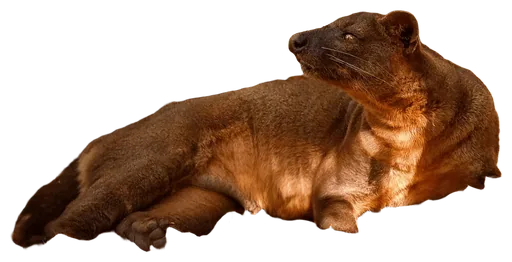
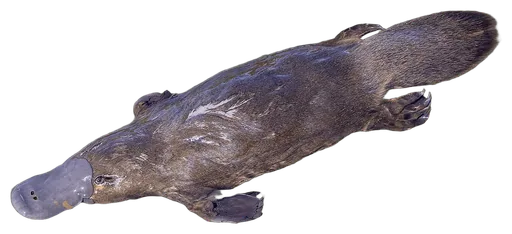 W vs FossaWins · 52% · Toss-up
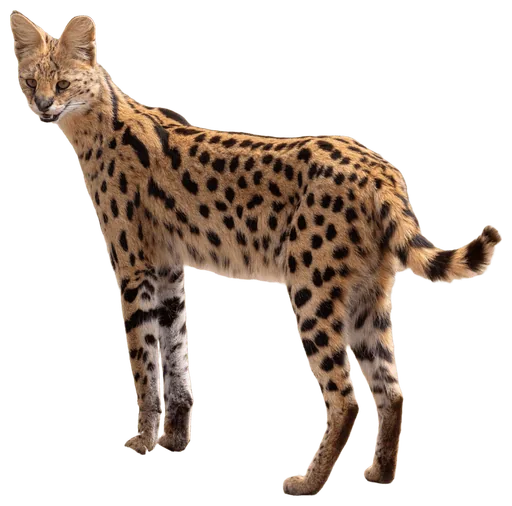
 W vs ServalLoses · 51% · Toss-up
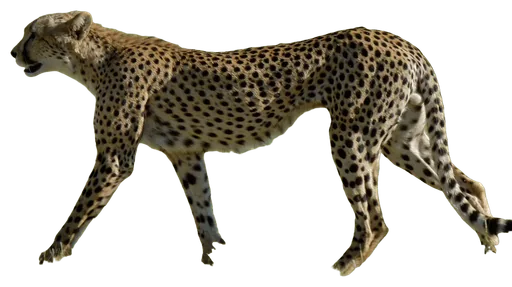
 L vs CheetahLoses · 58% · Slight edge
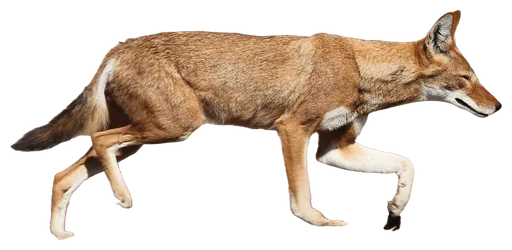
 L vs Ethiopian WolfLoses · 52% · Toss-up
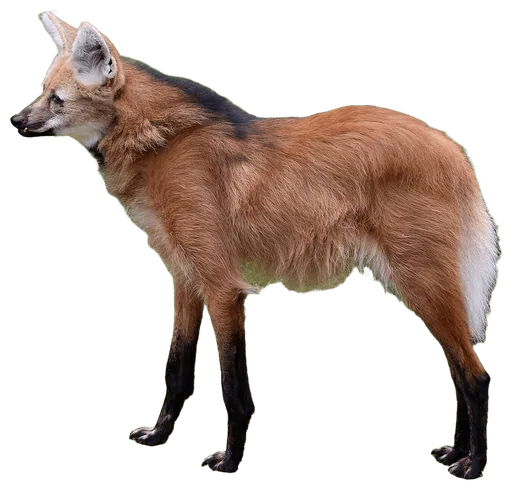
 L vs Maned WolfLoses · 53% · Toss-up
 L
Japanese Macaque battle analysis
The Japanese macaque occupies a combat niche very different from that of a similarly sized carnivore. An adult male has grasping hands, useful canine teeth and enough strength to make close contact dangerous, but it is not built around a dedicated killing apparatus. Its better strategy is positional: read the opponent, exploit rocks or trees, use hands and feet to control balance, disengage when necessary, and avoid turning a flexible primate body into a static target for stronger jaws or claws.
Its ecology explains why Stamina and Agility exceed Attack and Defense. Japanese macaques remain active year-round across some of the coldest environments occupied by any nonhuman primate. They travel kilometers while foraging, climb, leap and swim, then alter posture, contact and activity to conserve heat when winter costs rise. Thick fur is a major physiological advantage against climate, but ABS does not mislabel thermal insulation as armor against teeth or horns.
Cognition is the clearest roster-level strength. These macaques do not merely form groups; they learn preferences from one another, maintain social traditions, modify grooming techniques and perform complex coordinated object manipulation. That flexibility can improve route choice, threat response and conflict management. Still, absolute scaling matters. An intelligent 11 kg macaque remains physically outclassed by a jaguar, hyena, wolf or great ape. The profile therefore preserves a large gap in Attack and Defense while allowing cognition and maneuverability to score where the evidence actually supports them.
Habitat & range
Japanese macaques are endemic to Japan, naturally occurring on Honshu, Shikoku and Kyushu and associated islands/populations. They inhabit forest across a remarkable climatic span, from relatively warm southern forests to snowy northern mountains. This makes them the most northerly-living nonhuman primates.
Diet & hunting
They are flexible omnivores with a strongly plant-based diet. Across 29 study sites, major diet components are foliage, fruits/seeds, and bark/leaf buds, with snow and productivity shifting their relative importance. In Yakushima lowland forest, an 18-month study found 35.0% of identified-food foraging on leaves/shoots, 30.2% on fleshy fruit, 13.2% on seeds, 5.5% on flowers, 10.3% on invertebrates/other animal matter and 4.6% on fungi. The species should therefore be treated as a dietary generalist, not a predator.
Social life
Troops contain multiple males, multiple females and young. Females are philopatric and matrilines are central to social organization; males commonly disperse. Dominance matters, but Tokyo Zoo correctly cautions against simplifying the group into one all-controlling 'boss.' Grooming, vocalization, facial expression, alliance/avoidance and rank-sensitive movement reduce the need for constant physical combat.
Conservation
Tokyo Zoo lists Macaca fuscata as IUCN Least Concern while noting locally threatened populations in Japan. The species can be locally abundant, but habitat change, conflict with agriculture, management/culling and population isolation matter regionally.
Quick answers
How strong is a Japanese Macaque?
On the Animal Battle Stats scale, the Japanese Macaque has an attack rating of 31 and a power index of 50.8 out of 100, which ranks it #169 of 344 animals and puts it in C tier (Capable). Its strongest stat is intelligence (84).
How much does a Japanese Macaque weigh?
A typical adult Japanese Macaque weighs about 11.3 kg (25 lb). Rated specimen: healthy fully mature adult male, 11.3 kg.
How fast is a Japanese Macaque?
There is no reliable measured top speed for the Japanese Macaque, so we do not publish one. Its agility rating, which covers acceleration, reflexes and evasion, is 79 out of 100.
What does a Japanese Macaque eat?
They are flexible omnivores with a strongly plant-based diet. Across 29 study sites, major diet components are foliage, fruits/seeds, and bark/leaf buds, with snow and productivity shifting their relative importance. In Yakushima lowland forest, an 18-month study found 35.0% of identified-food foraging on leaves/shoots, 30.2% on fleshy fruit, 13.2% on seeds, 5.5% on flowers, 10.3% on invertebrates/other animal matter and 4.6% on fungi. The species should therefore be treated as a dietary generalist, not a predator.
Is the Japanese Macaque endangered?
No. The Japanese Macaque is listed as Least Concern. Tokyo Zoo lists Macaca fuscata as IUCN Least Concern while noting locally threatened populations in Japan. The species can be locally abundant, but habitat change, conflict with agriculture, management/culling and population isolation matter regionally.
What animals can beat a Japanese Macaque?
Among its closest rivals, the Giant Panda (63%), the Caracal (52%), the Serval (51%), the Cheetah (58%), the Ethiopian Wolf (52%), the Maned Wolf (53%) would be favored against the Japanese Macaque. It would be favored against the Platypus, the Fossa.
Researched 2026-09-27. Ratings are editorial judgments built from these sources; measurements describe a healthy adult male.
- Wisconsin National Primate Research Center, Japanese macaque factsheetmass, dimensions, tail, longevity, locomotion, swimming, cold tolerance
- Animal Diversity Web, Macaca fuscatadimorphism, skull, home/day range, social/ecology context
- Tokyo Zoological Park, Japanese Macaquedimensions, range, diet, group structure, vocal communication, IUCN status
- Inoue 1988, Folia Primatologicamaturity/growth
- Minh et al. 2015, Anthropological Scienceadult skull aging
- Iki et al. 2020, Animal Cognitionplay fighting / social cognition
- Leca et al. 2007, stone handlingbehavioral traditions
- Leca et al. 2011, object manipulationmanual coordination
- Hikami et al. 1990social learning
- Tanaka 1998cultural/social skill diffusion
- Hill 1997diet
- Tsuji et al. 2015range-wide diet variation
- Hanya et al. 2020ranging/endurance ecology
- Takeshita et al. 2018cold stress/hot springs
- Zhang et al. 2007hot-spring tradition
- Japanese macaque male strategies studyadult male aggression/rank
- Wikimedia Commons / William Warbyimage provenance
- Flickr original pageoriginal image source
Photo: “Japanese Macaque, Ueno Zoo, Tokyo, Japan.jpg” by William Warby, CC BY 2.0, background removed and cropped. Original
Suggest a correction