
Jaguar
Panthera oncaA tier · Elite23rd of 163 mammals
Size & speed

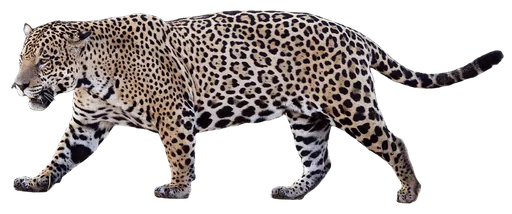
- Weight
- 100 kg220 lb
- Length
- 2.5 m8.2 ft
About as heavy as a person
Heavier than 71% of animals1.4× a person's height
Bigger than 79% of animalsThe Jaguar is a 100 kg Pantanal ambush specialist built around compact muscular power, claws and an unusually robust bite system. It can grapple large mammals, pierce hard prey and hunt confidently around water, but its lack of armor and burst-oriented hunting style keep Defense and Stamina below its formidable Attack.
Detailed ratings
Research-backed ratings on one 0–100 scale for all 344 animals (updated 2026-09-27). How ratings work


Card No. 42 of 344. Every animal on Animal Battle Stats has one: its power, tier and archetype on the front; its six battle stats, abilities and signature move on the back.
Special abilities
Unusually robust canines, jaw musculature and favorable skull leverage let the jaguar concentrate force on hard targets, including skull/nape regions and reptilian armor. This is grounded in comparative biomechanics and predation literature, not a fabricated PSI number.
Confident swimming plus stealth and powerful forelimb control let the jaguar attack across land-water boundaries and exploit prey such as caimans, turtles and fish without losing its terrestrial ambush toolkit.
Unique traits
Among living Panthera, the jaguar is unusually well equipped for mechanically demanding hard prey, with thick canines and bite leverage that depart upward from expected felid scaling.
Individual coat rosette patterns are stable enough to identify jaguars in camera-trap and field studies, enabling noninvasive population and movement monitoring.
How it fights
Weapons
- The jaguar combines a powerful jaw, thick canines, carnassials, retractile claws, muscular forelimbs and a compact 100 kg body. The bite is unusually important even by big-cat standards. Hartstone-Rose et al. found the jaguar above expected felid bite-force scaling because somewhat enlarged masticatory muscle physiological cross-sectional area combines with favorable cranial leverage. A separate review of reptile predation describes thick canines, well-developed head muscles and a characteristic fatal bite directed toward the braincase or nape.
- Weight
- 100 kg220 lb
- Height
- 75 cm29.5 in
- Length
- 2.5 m8.2 ft
- Top speed
- No reliable measurement
- Bite force
- No reliable measurement
- Lifespan
- 12 years
- Home biome
- Jungle
- Lifestyle
- Mostly solitary, nocturnal
Rated specimen: Healthy fully mature Pantanal male, 100.0 kg.
Fun facts
- The jaguar is the largest living cat native to the Americas.
- Pantanal males average dramatically heavier than some Central American populations, illustrating major geographic size variation.
- Comparative muscle/skull work places the jaguar above expected felid bite-force scaling because muscle architecture and cranial leverage work together.
- Jaguars can kill prey with a bite directed through the braincase or nape, a notable departure from relying only on prolonged throat suffocation.
- At least 85 prey species have been documented across the range.
- Jaguars are strong swimmers and regularly exploit aquatic prey.
Closest rivals by power. Tap one for the full breakdown, or pick any opponent.
vs GiraffeLoses · 65% · Slight edge 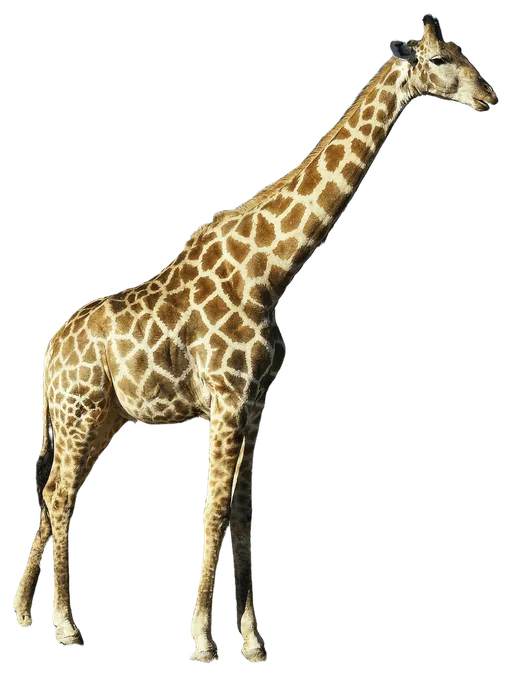 L vs Grizzly BearLoses · 53% · Toss-up
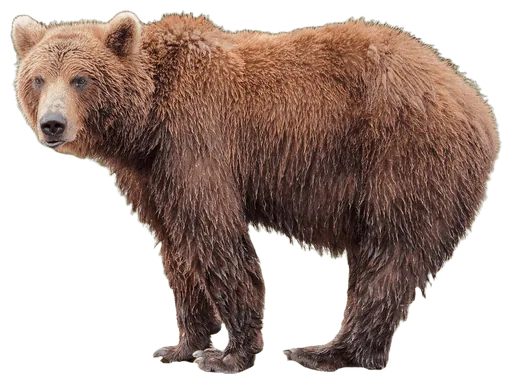 L vs Water BuffaloLoses · 64% · Slight edge
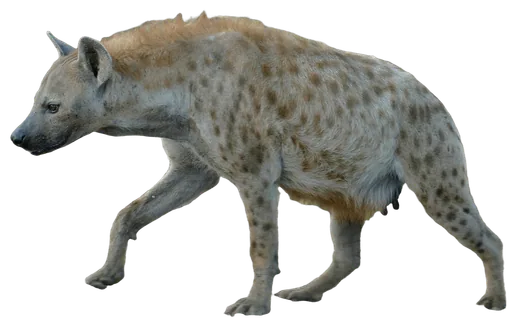
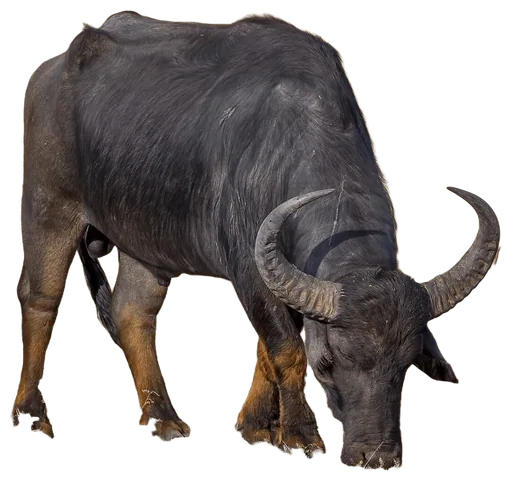 L vs HyenaWins · 54% · Toss-up
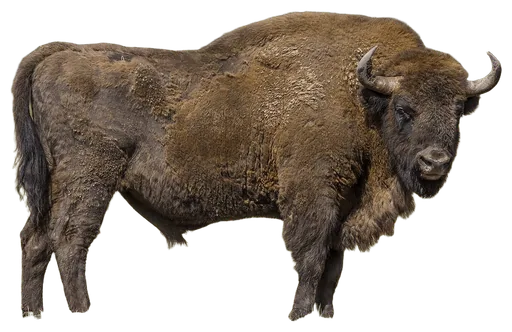
 W vs BisonLoses · 64% · Slight edge
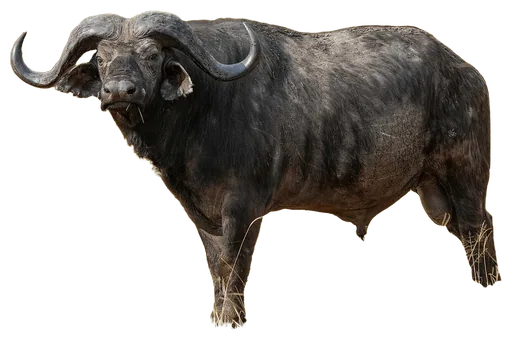
 L vs Cape BuffaloLoses · 64% · Slight edge
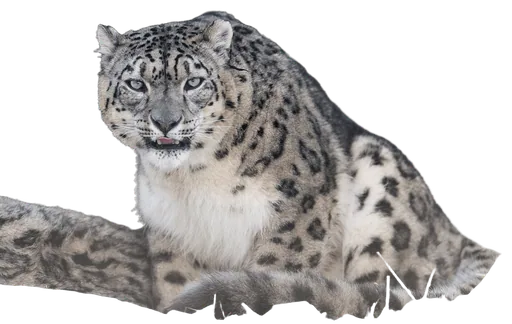
 L vs Snow LeopardWins · 56% · Toss-up
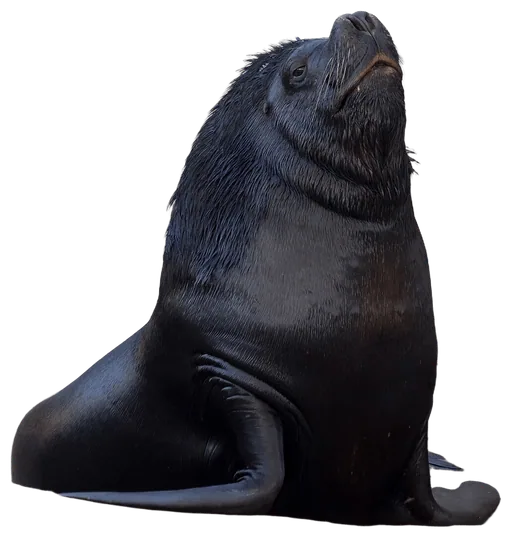
 W vs Sea LionLoses · 56% · Toss-up
 L
Jaguar battle analysis
A jaguar is not simply a spotted version of another big cat. Its build is unusually compact and force-focused: broad head, heavy jaw musculature, thick canines, muscular shoulders and forelimbs, and a body suited to explosive contact rather than long pursuit. That architecture supports one of the roster's most efficient medium-large predator weapon systems. When the cat gains surprise, it can convert a short pounce into a grapple and concentrate bite force on vulnerable or structurally demanding targets.
The same ecology that produced that weapon system also makes the jaguar unusually versatile. Forest prey, peccaries, capybaras, turtles, fish and crocodilians all occur in its diet, and water is not a hard boundary. A river or flooded forest can expand rather than shrink its usable attack space. This is why Special is high: not because the jaguar gets fantasy 'skull crushing' power, but because verified durophagous cranial mechanics and aquatic competence create real matchup options that many similarly sized cats lack.
ABS still preserves absolute scale. A 100 kg jaguar remains far below a hippo, rhino, elephant or large bear in mass-driven force and durability. It has no armor, and a failed grapple against a much larger armed opponent can be catastrophic. Its strongest battle profile is therefore the one its anatomy favors: choose the approach, explode into contact, establish control quickly and end the exchange before the opponent can turn size into sustained force.
Habitat & range
Jaguars range from the U.S.-Mexico border region through Central America and much of South America to northern Argentina. IUCN CatSG notes that the species now occupies only about half its historic range. It uses rainforest, dry forest, wet savanna, swamp, mangrove and thorn scrub, commonly with a strong association with water.
Diet & hunting
The jaguar is an opportunistic apex predator with at least 85 prey species documented in range-wide reviews. Medium and large mammals are important, but the diet is unusually broad and includes armadillos, peccaries, deer, capybaras, tapirs, turtles, fish and crocodilians. Atlantic Forest scat research documented 24 prey species in 101 scats, with mammals dominating but reptiles and birds also present.
Social life
Mostly solitary outside mating and maternal care. GPS research in the southern Pantanal found extensive male range overlap and more close-proximity events than expected, showing that jaguar spatial behavior is more nuanced than strict mutual exclusion.
Conservation
The jaguar is globally Near Threatened and has lost a large portion of its historic distribution. Major threats include habitat loss and fragmentation, persecution following livestock depredation, prey depletion and illegal killing/trade. Corridors are especially important because individuals use large areas and isolated populations are more vulnerable.
Quick answers
How strong is a Jaguar?
On the Animal Battle Stats scale, the Jaguar has an attack rating of 68 and a power index of 65.5 out of 100, which ranks it #42 of 344 animals and puts it in A tier (Elite). Its strongest stat is agility (82).
How much does a Jaguar weigh?
A typical adult Jaguar weighs about 100 kg (220 lb). Rated specimen: healthy fully mature Pantanal male, 100.0 kg.
How fast is a Jaguar?
There is no reliable measured top speed for the Jaguar, so we do not publish one. Its agility rating, which covers acceleration, reflexes and evasion, is 82 out of 100.
What does a Jaguar eat?
The jaguar is an opportunistic apex predator with at least 85 prey species documented in range-wide reviews. Medium and large mammals are important, but the diet is unusually broad and includes armadillos, peccaries, deer, capybaras, tapirs, turtles, fish and crocodilians. Atlantic Forest scat research documented 24 prey species in 101 scats, with mammals dominating but reptiles and birds also present.
Is the Jaguar endangered?
The Jaguar's conservation status is Near Threatened. The jaguar is globally Near Threatened and has lost a large portion of its historic distribution. Major threats include habitat loss and fragmentation, persecution following livestock depredation, prey depletion and illegal killing/trade. Corridors are especially important because individuals use large areas and isolated populations are more vulnerable.
What animals can beat a Jaguar?
Among its closest rivals, the Giraffe (65%), the Grizzly Bear (53%), the Water Buffalo (64%), the Bison (64%), the Cape Buffalo (64%), the Sea Lion (56%) would be favored against the Jaguar. It would be favored against the Hyena, the Snow Leopard.
Researched 2026-09-27. Ratings are editorial judgments built from these sources; measurements describe a healthy adult male.
- Animal Diversity Web, Panthera oncadimensions, dimorphism, lifespan, behavior
- SeaWorld, Jaguar factssex-specific size
- Hartstone-Rose et al. 2012, Anatomical Recordjaw muscles, leverage, estimated bite force
- Christiansen & Adolfssen 2005, Journal of Zoologycarnivore bite/canine biomechanics
- Meachen-Samuels & Van Valkenburgh / reptile-predation reviewdurophagy, thick canines, kill placement
- López González & Miller 2002prey breadth and size
- Hayward et al. 2016, Frontiers in Ecology and Evolutionprey diversity
- Garla et al. 2001, BiotropicaAtlantic Forest diet
- Cavalcanti & Gese 2009, Journal of Mammalogyhome range/social spacing
- Journal of Mammalogy 2025, Central Amazon floodplain movementmovement and home ranges
- IUCN Cat Specialist Group, Jaguardistribution, habitat, conservation
- San Diego Zoo, Jaguarsensory/predation natural history
- Wikimedia Commons, Charles J. Sharpimage candidate
Photo: “Jaguar (Panthera onca palustris) male Three Brothers River.JPG” by Charles J. Sharp, CC BY-SA 4.0, background removed and cropped. Original
Suggest a correction