
Jackal
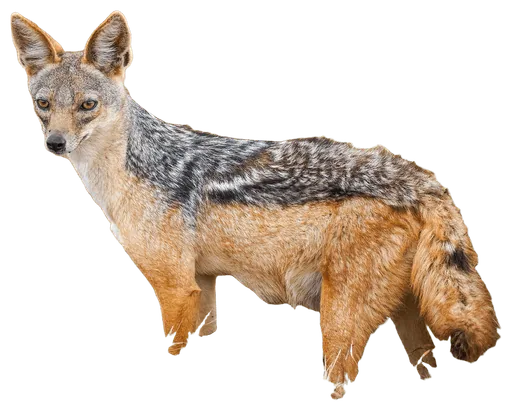
Lupulella mesomelasC tier · Capable118th of 163 mammals
Size & speed

- Weight
- 8.1 kg18 lb
- Length
- 1.11 m3.6 ft
As heavy as 1.8 house cats
Heavier than 45% of animalsAbout 3.7 rulers long
Bigger than 52% of animalsA light, sharp-sensed African canid built around mobility, opportunism and repeated biting. The black-backed jackal is far below wolves and hyenas in absolute power, but its quick footwork, excellent senses, flexible foraging and tactical caution make it a difficult small predator to pin down.
Detailed ratings
Research-backed ratings on one 0–100 scale for all 344 animals (updated 2026-09-27). How ratings work


Card No. 210 of 344. Every animal on Animal Battle Stats has one: its power, tier and archetype on the front; its six battle stats, abilities and signature move on the back.
Special abilities
Efficient digitigrade locomotion, acute hearing/olfaction and rapid bite-and-reposition behavior let the jackal track, close on and repeatedly pressure small terrestrial targets without requiring a frontal grapple.
Unusually broad, seasonally flexible feeding behavior allows rapid tactical switching among active predation, scavenging and exploitation of vulnerable prey; this is behavioral flexibility, not a fictional combat buff.
Unique traits
The species' diagnostic black-and-silver dorsal saddle sharply distinguishes it from other African jackals and reflects its specialized pelage pattern.
Long-term monogamous pairs jointly occupy and defend territories, with older offspring sometimes remaining as helpers; this supports communication and social coordination without multiplying solo attack power.
How it fights
Weapons
- The jackal's main weapon is a fast canid bite delivered with sharp canines and carnassials. Its narrow muzzle and comparatively small body make it effective at seizing small vertebrates, tearing flesh and exploiting vulnerable young ungulates, but it lacks the absolute jaw dimensions and body-driven bite delivery of wolves, hyenas or big cats. Feet and claws contribute traction and scrambling, not a major slashing weapon.
- Weight
- 8.1 kg18 lb
- Height
- 40 cm15.7 in
- Length
- 1.11 m3.6 ft
- Top speed
- No reliable measurement
- Bite force
- No reliable measurement
- Lifespan
- 8 years
- Home biome
- Savanna
- Lifestyle
- Social, nocturnal
Rated specimen: Healthy fully mature male, southern/eastern African population, 8.1 kg.
Fun facts
- Modern mammal taxonomy places the black-backed jackal in Lupulella, not Canis.
- Its range is split into separated eastern and southern African populations.
- The characteristic saddle is a mixture of black and pale/silvery hairs, not a solid black patch.
- Older offspring may remain with their parents and help rear the next litter.
- It can persist in extremely dry regions, including the Namibian coast, by obtaining substantial water through food.
Closest rivals by power. Tap one for the full breakdown, or pick any opponent.
vs GreyhoundLoses · 57% · Toss-up 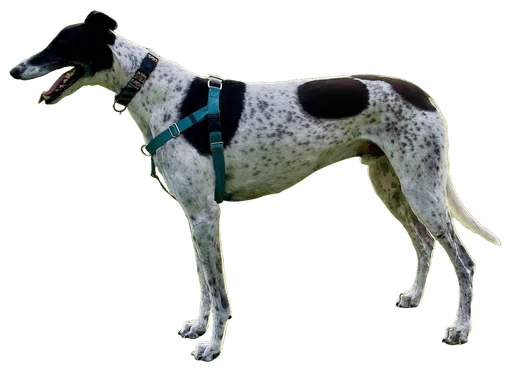 L vs RaccoonWins · 51% · Toss-up
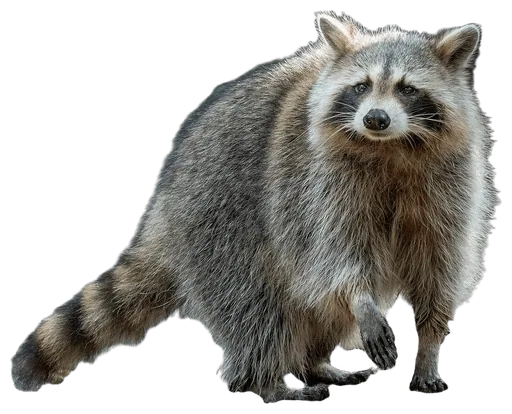 W vs Naked Mole RatWins · 75% · Clear edge
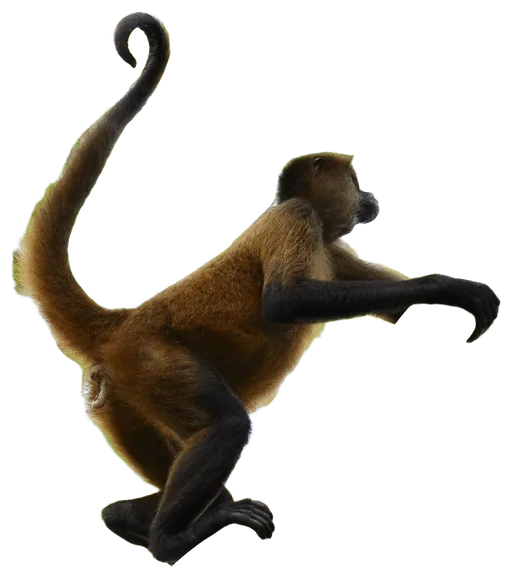
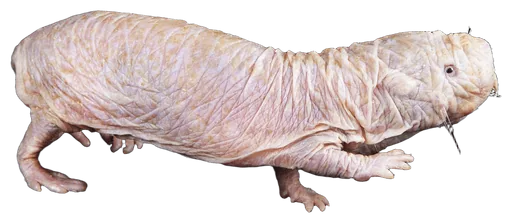 W vs Spider MonkeyDraw · 50-50 · Dead even
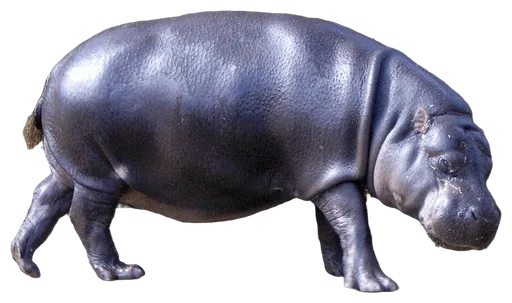
 D vs Pygmy HippopotamusLoses · 70% · Clear edge
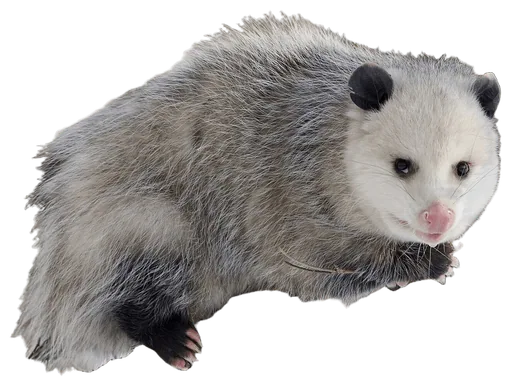
 L vs OpossumWins · 58% · Slight edge
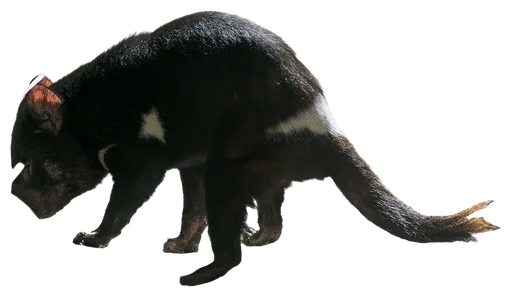
 W vs Tasmanian DevilWins · 51% · Toss-up
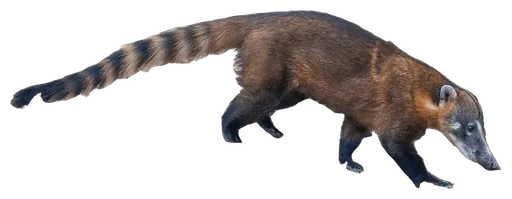
 W vs South American CoatiWins · 54% · Toss-up
 W
Jackal battle analysis
The black-backed jackal wins by refusing to behave like a miniature wolf. At roughly eight kilograms, it cannot trade force with the roster's medium and large predators. Its advantage is decision speed: locate food or danger early, exploit an opening, bite, move, and abandon a bad contest before mass becomes decisive. The long legs and digitigrade stance suit open-country travel, while large ears and canid olfaction continuously feed information into that mobile style.
Its ecology reinforces the same pattern. Black-backed jackals switch among small-prey hunting, vulnerable young ungulates, carrion, insects and plant foods as conditions change. Long-term pair bonds and family helpers add coordination in the wild, but ABS treats those behaviors as evidence for tactics and intelligence rather than giving a solitary canonical animal imaginary pack strength. In a neutral one-on-one matchup, the jackal is a clever, evasive small canid with a useful bite, not a heavyweight killer.
Habitat & range
Black-backed jackals occur in two separated African population regions, eastern Africa and southern Africa. Mammal Diversity Database lists countries from the Horn/East Africa through southern Africa. They favor open terrain and occupy savanna, grassland, scrub, semi-arid country, agricultural mosaics and even harsh coastal/desert environments.
Diet & hunting
They are opportunistic omnivorous carnivores. Diet includes rodents, hares, birds, reptiles, insects, fruits, carrion and ungulates, especially vulnerable young. Farm studies show sheep can be important seasonally but also demonstrate strong selection for available wild prey.
Social life
Long-term monogamous pairs are the core social unit. Both parents provision and protect young. Gestation is about 60-65 days; ADW reports 1-7 young and an average around 3-4. Older offspring can remain associated with the family and help. Sexual maturity is reached around the first year.
Conservation
The species is Least Concern and highly versatile. Conflict is substantial where jackals prey on livestock or are treated as rabies vectors. The IUCN Canid Specialist Group notes that broad control efforts often achieve only temporary local reductions. This is an important human-wildlife-conflict species, not a conservation-dependent specialist.
Quick answers
How strong is a Jackal?
On the Animal Battle Stats scale, the Jackal has an attack rating of 34 and a power index of 47.4 out of 100, which ranks it #210 of 344 animals and puts it in C tier (Capable). Its strongest stat is agility (74).
How much does a Jackal weigh?
A typical adult Jackal weighs about 8.1 kg (18 lb). Rated specimen: healthy fully mature male, southern/eastern African population, 8.1 kg.
How fast is a Jackal?
There is no reliable measured top speed for the Jackal, so we do not publish one. Its agility rating, which covers acceleration, reflexes and evasion, is 74 out of 100.
What does a Jackal eat?
They are opportunistic omnivorous carnivores. Diet includes rodents, hares, birds, reptiles, insects, fruits, carrion and ungulates, especially vulnerable young. Farm studies show sheep can be important seasonally but also demonstrate strong selection for available wild prey.
Is the Jackal endangered?
No. The Jackal is listed as Least Concern. The species is Least Concern and highly versatile. Conflict is substantial where jackals prey on livestock or are treated as rabies vectors. The IUCN Canid Specialist Group notes that broad control efforts often achieve only temporary local reductions. This is an important human-wildlife-conflict species, not a conservation-dependent specialist.
What animals can beat a Jackal?
Among its closest rivals, the Greyhound (57%), the Pygmy Hippopotamus (70%) would be favored against the Jackal. It would be favored against the Raccoon, the Naked Mole Rat, the Opossum, the Tasmanian Devil, the South American Coati. It is dead even with the Spider Monkey: a draw.
Researched 2026-09-27. Ratings are editorial judgments built from these sources; measurements describe a healthy adult male.
- canids.org
- mammaldiversity.org
- animaldiversity.org
- sanbi.org
- onlinelibrary.wiley.com
- onlinelibrary.wiley.com
- commons.wikimedia.org)_2.jpg
Photo: “013 Black-backed jackal in the Ngorongoro Crater Photo by Giles Laurent.jpg” by Giles Laurent, CC BY-SA 4.0, background removed and cropped. Original
Suggest a correction